

1 / 8
RUNTIME
Did you know
Tight 55-minute runtime — shorter than most television pilots.
MoodPlayr · trivia#01
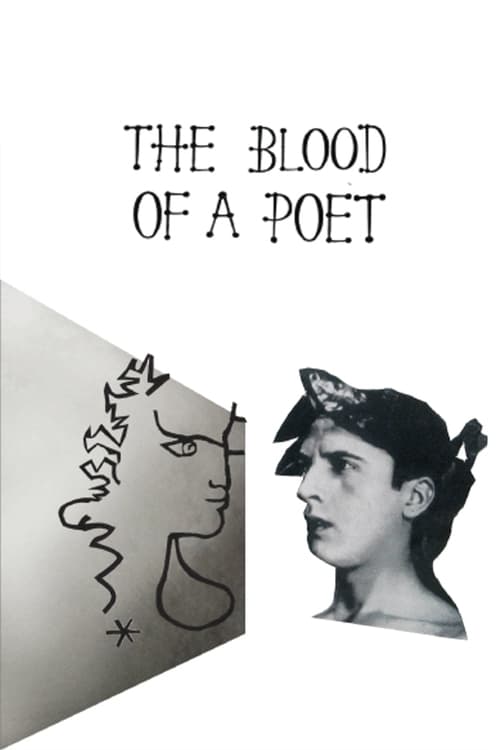
In a poet’s room, an armless statue abruptly comes to life. It invites the poet to step through a mirror and to discover another world. Strange places and characters present themselves to him. The poet tears himself away from these twisted fascinations and returns, with some difficulty, to his room.
“Some stories are better left unspoiled.”
Where to watch · US
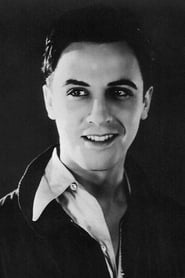
Enrique Rivero
Poet
Elizabeth Lee Miller
Statue
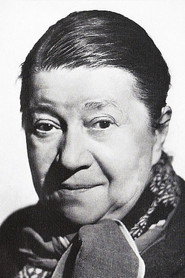
Pauline Carton
The child trainer
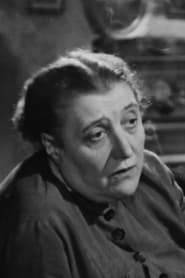
Odette Talazac
Jean Desbordes
Louis XV Friend
Fernand Dichamps
Lucien Jager
A spectator in a box
Féral Benga
Black Angel
Credits
Want more? Switch to Cinephile mode in the header for DP, composer, budget, box office, production companies, keywords, and release history.
Did you know?
Did you know
Tight 55-minute runtime — shorter than most television pilots.
Did you know
94 years old — a genuine piece of film history.
Did you know
Part of the "The Orphic Trilogy" — so the characters or world continue elsewhere.
Did you know
Lean credit list — fewer than 30 people officially credited.
Did you know
Directed by Jean Cocteau, shot by Georges Périnal. Note their partnership — DPs and directors often return to each other across a career.
Did you know
Original score by Georges Auric. Worth a dedicated listen after — most great films lose half their impact without the score.
Did you know
Editor Jean Cocteau shaped the rhythm. On an edit-heavy film, the editor does more to control your pulse than the director.
Did you know
Enrique Rivero and Elizabeth Lee Miller and Pauline Carton carry the top of the cast.
Cinephile deep dive
Jean Cocteau directs. Georges Périnal behind the camera. Georges Auric scores. Jean Cocteau cuts. Runs lean at under 100 minutes. Produced in France. Dialogue in French.
Trivia
Part of
Decadent, subversive, and bristling with artistic invention, the myth-born cinema of Jean Cocteau disturbs as much as it charms. Cocteau was the most versatile of artists in prewar Paris. Poet, novelist, playwright, painter, celebrity, and maker of cinema—his many talents converged in bold, dreamlike films that continue to enthrall audiences around the world. In "The Blood of a Poet," "Orpheus," and "Testament of Orpheus," Cocteau utilizes the Orphic myth to explore the complex relationships between the artist and his creations, reality and the imagination.
Also by
Stills · wallpapers
Full-resolution frames — open one to save it as a wallpaper.
Trailers & featurettes
Production companies
Vicomte de Noailles
FR
Themes & keywords
Release history · US
Also known as