

1 / 8
RUNTIME
Did you know
80 minutes exactly — the "classic feature" runtime most directors aim for.
MoodPlayr · trivia#01

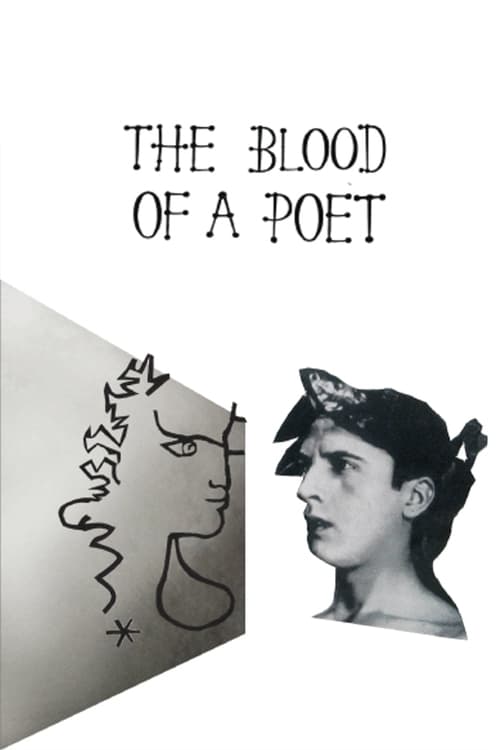
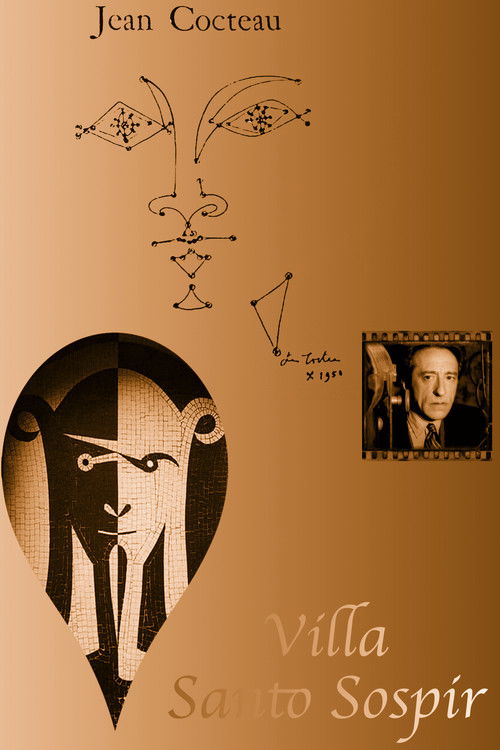
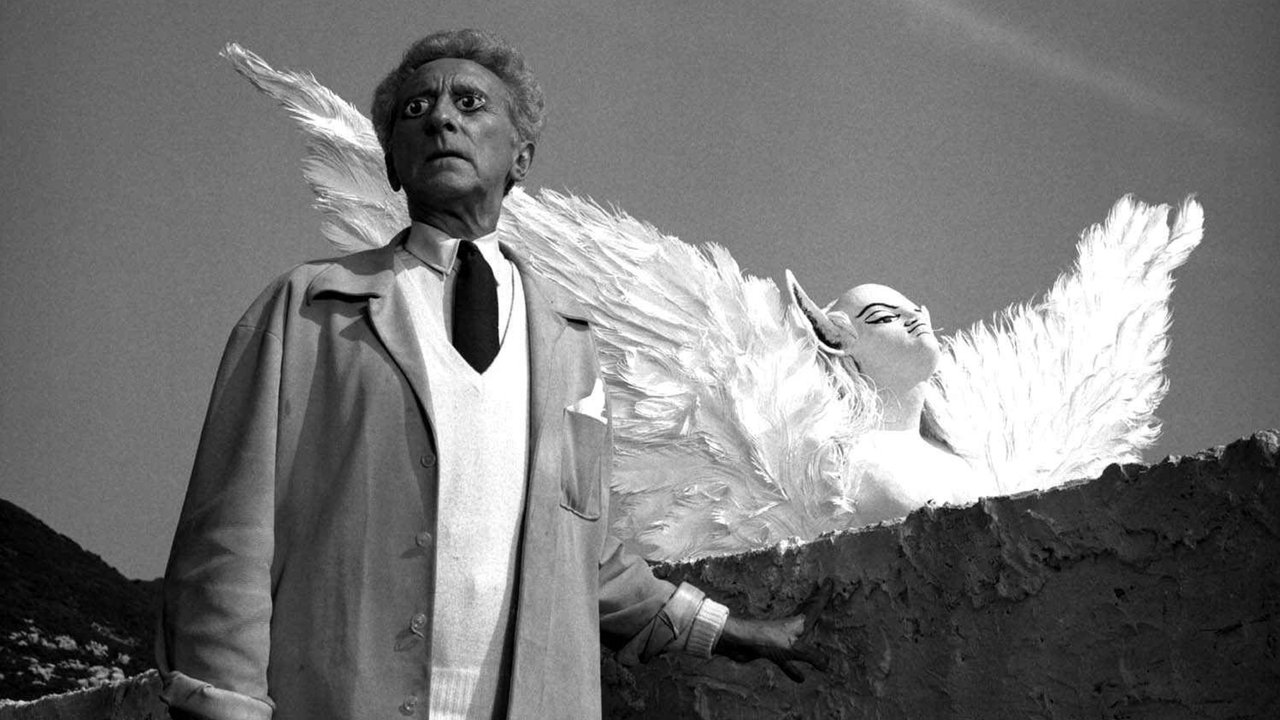
An 18th century poet travels through time in search of divine wisdom. In a mysterious wasteland, he has a series of enigmatic encounters with symbolic phantoms with whom he muses about the nature of art and his own career. Ultimately, the poet strives to achieve his rebirth as a celestial being.
“Some stories are better left unspoiled.”
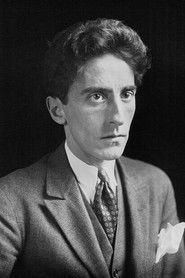
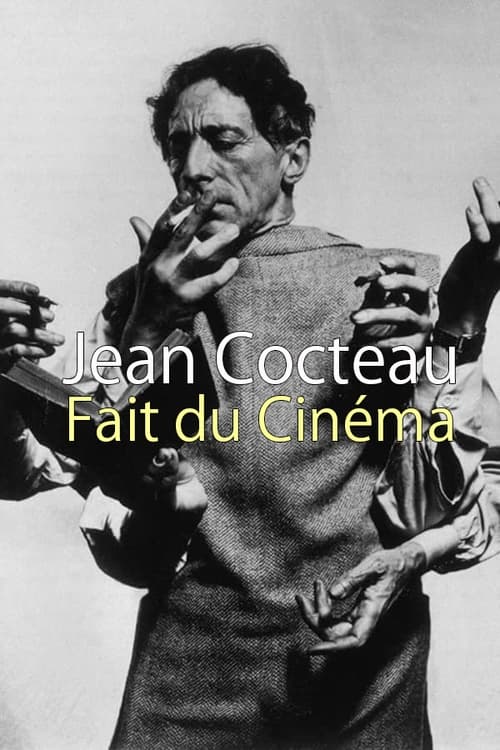
Jean Cocteau
Le poète

Édouard Dermithe
Cégeste(non crédité)
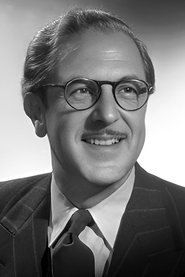
Henri Crémieux
Le professeur(non crédité)
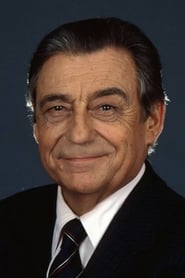
François Périer
Heurtebise(non crédité)

Claudine Auger
Minerve (non crédité)

Françoise Arnoul
Elle-même (non crédité)

Lucia Bosè
Une amie d'Orphée(non crédité)

Charles Aznavour
Le Curieux(non crédité)
Credits
Want more? Switch to Cinephile mode in the header for DP, composer, budget, box office, production companies, keywords, and release history.
Did you know?
Did you know
80 minutes exactly — the "classic feature" runtime most directors aim for.
Did you know
66 years old — a genuine piece of film history.
Did you know
Dialogue crosses 3 languages: French, English, German.
Did you know
Part of the "The Orphic Trilogy" — so the characters or world continue elsewhere.
Did you know
Directed by Jean Cocteau, shot by Roland Pontoizeau. Note their partnership — DPs and directors often return to each other across a career.
Did you know
Editor Marie-Josèphe Yoyotte shaped the rhythm. On an edit-heavy film, the editor does more to control your pulse than the director.
Did you know
Jean Cocteau and Édouard Dermithe and Henri Crémieux carry the top of the cast.
Did you know
IMDB entry: tt0054377 — still the authoritative cross-reference for credits and trivia.
Cinephile deep dive
Jean Cocteau directs. Roland Pontoizeau behind the camera. Marie-Josèphe Yoyotte cuts. Runs lean at under 100 minutes. Produced in France. Dialogue in French, English, German.
Trivia
Part of
Decadent, subversive, and bristling with artistic invention, the myth-born cinema of Jean Cocteau disturbs as much as it charms. Cocteau was the most versatile of artists in prewar Paris. Poet, novelist, playwright, painter, celebrity, and maker of cinema—his many talents converged in bold, dreamlike films that continue to enthrall audiences around the world. In "The Blood of a Poet," "Orpheus," and "Testament of Orpheus," Cocteau utilizes the Orphic myth to explore the complex relationships between the artist and his creations, reality and the imagination.
Also by
Production companies
Les Editions Cinégraphiques
FR
Cinédis
Themes & keywords
Release history · US
Also known as