

1 / 8
RUNTIME
Did you know
Tight 70-minute runtime — shorter than most television pilots.
MoodPlayr · trivia#01
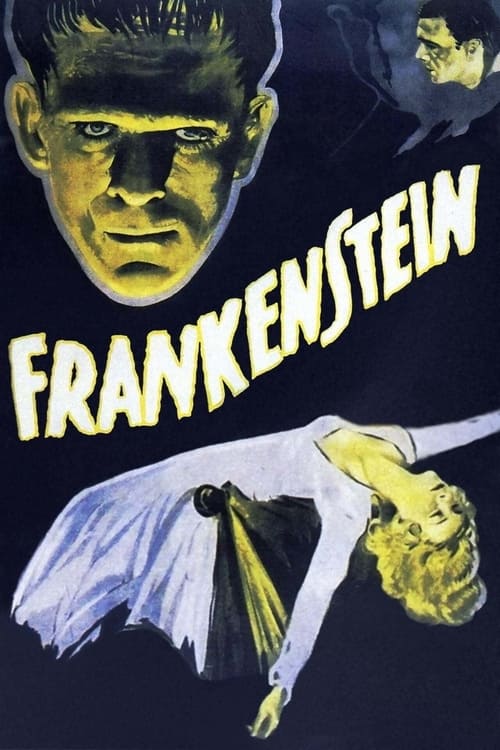
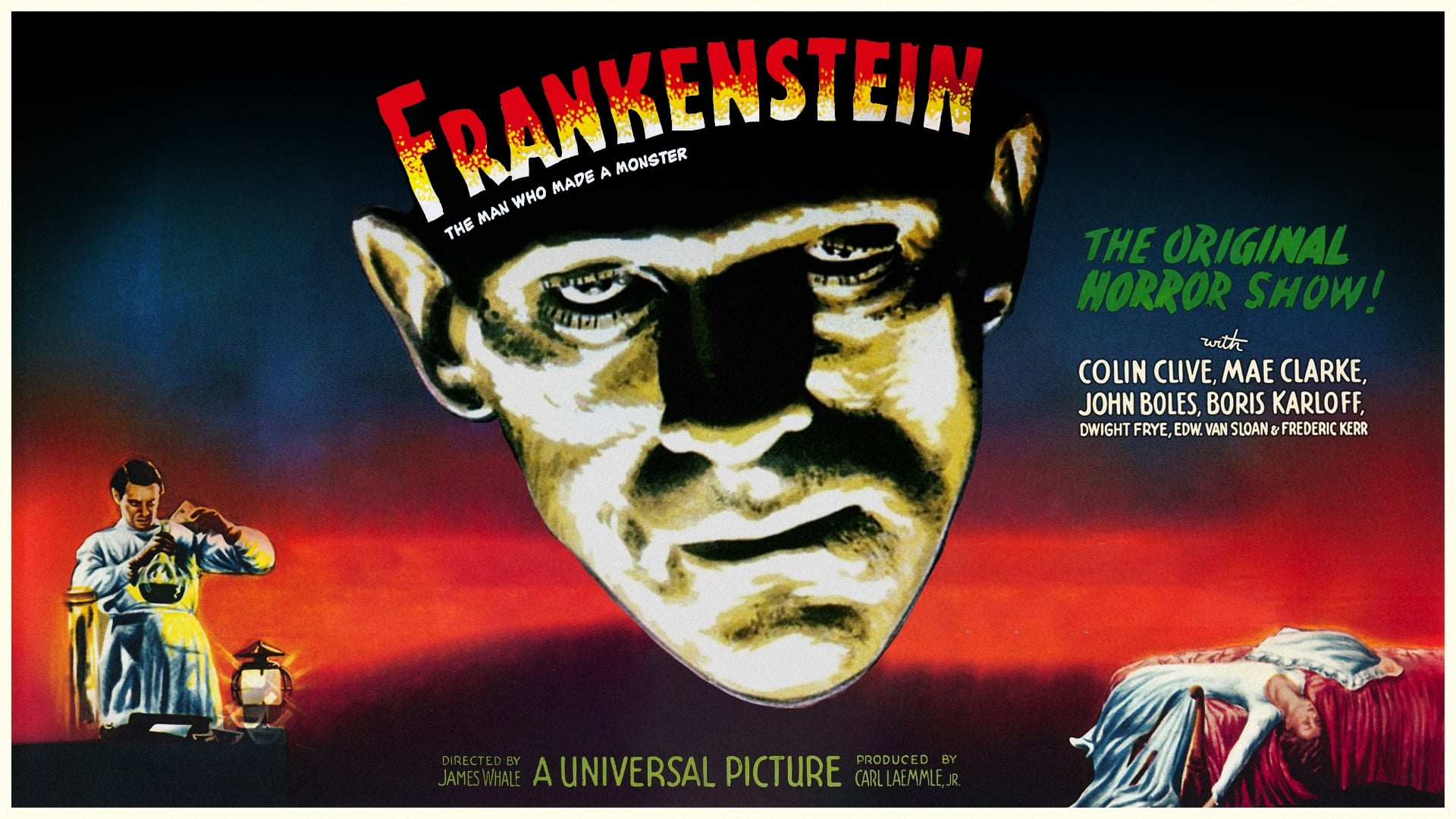
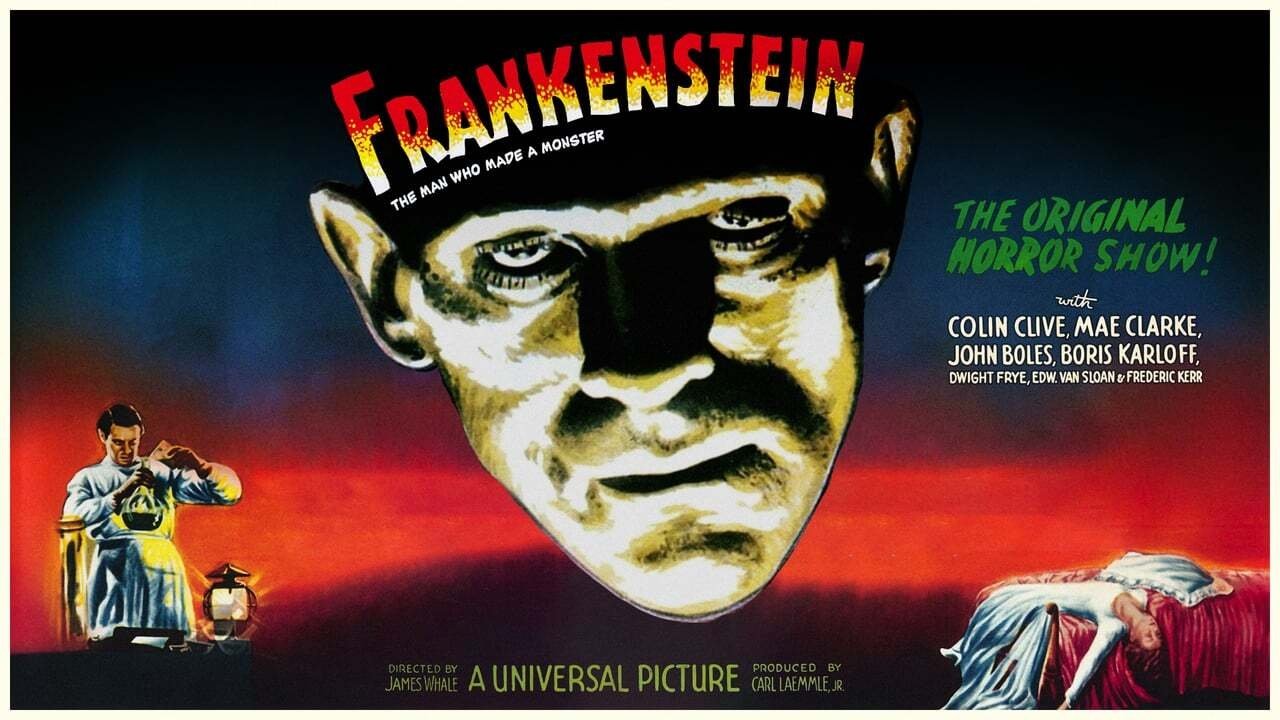
"The man who made a monster."
Obsessed scientist Dr. Henry Frankenstein attempts to create life by assembling a creature from deceased body parts. Aided by his loyal misshapen assistant, Fritz, Frankenstein succeeds in animating his monster, but it flees into the countryside and begins to wreak havoc.
“The man who made a monster.”
Where to watch · US

Colin Clive
Henry Frankenstein

Mae Clarke
Elizabeth
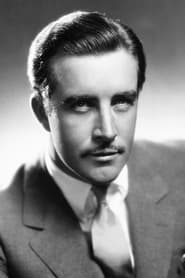
John Boles
Victor Moritz
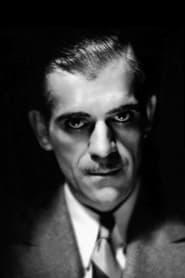
Boris Karloff
The Monster
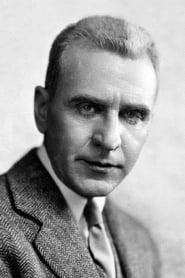
Edward Van Sloan
Doctor Waldman
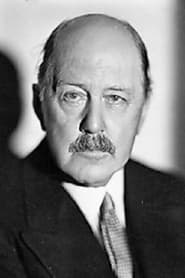
Frederick Kerr
Baron Frankenstein

Dwight Frye
Fritz
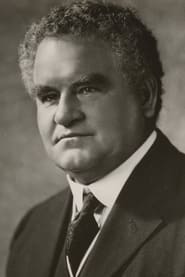
Lionel Belmore
The Burgomaster
Credits
Want more? Switch to Cinephile mode in the header for DP, composer, budget, box office, production companies, keywords, and release history.
Did you know?
Did you know
Tight 70-minute runtime — shorter than most television pilots.
Did you know
Shot for just $0.3M — micro-budget by Hollywood standards.
Did you know
Grossed $12M — a 45.8× return. The kind of profit studios chase for a decade.
Did you know
95 years old — a genuine piece of film history.
Did you know
Dialogue crosses 2 languages: English, Latin.
Did you know
Part of the "Frankenstein (Universal) Collection" — so the characters or world continue elsewhere.
Did you know
Directed by James Whale, shot by Arthur Edeson. Note their partnership — DPs and directors often return to each other across a career.
Did you know
Original score by Bernhard Kaun. Worth a dedicated listen after — most great films lose half their impact without the score.
Cinephile deep dive
James Whale directs. Arthur Edeson behind the camera. Bernhard Kaun scores. Clarence Kolster cuts. Runs lean at under 100 minutes. Made its budget back several times over at the box office. Produced in United States of America. Dialogue in English, Latin.
Trivia
Part of
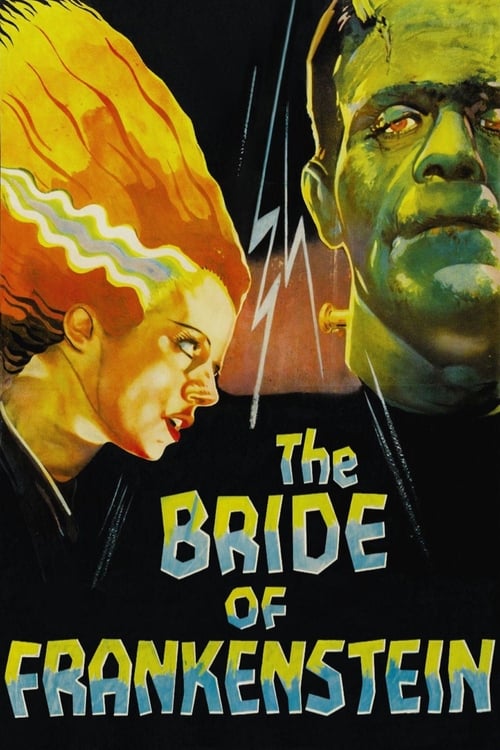
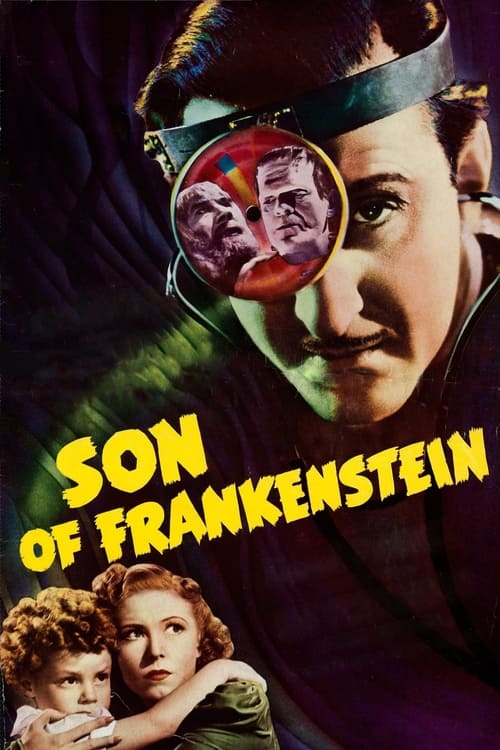
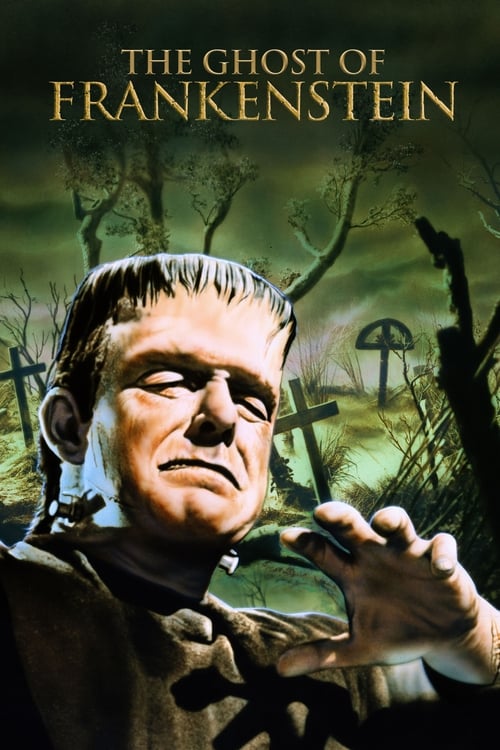
A Universal Production film series beginning with Frankenstein in 1931 and followed by four sequels up to 1944.
Also by
Stills · wallpapers
Full-resolution frames — open one to save it as a wallpaper.
Trailers & featurettes
Community reviews
Frankenstein, a movie primarily about how Doctor Henry Frankenstein deals with the fallout of his monster actually coming to life, holds up very well almost ninety years from its release. Starting with the monster itself, we find a fantastic character. Without any lines of dialogue, the filmmakers and Boris Karloff had to use actions and emotions to display the motivations of the monster, and they did a fantastic job of it. The fear, confusion, and longing that the novel describes are evident in the monster's actions, to the point of pushing the audience to root for him. The rest of the characters are also a bit of fun. Baron Frankenstein, played by Fred Kerr, was also a hoot. He played a no-nonsense character that functioned well in the comic-relief role needed with Edward Van Sloan's Dr. Wladman and Mae Clarke's Elizabeth being quite serious, even dramatic. Colin Clive, the man who played Doctor Henry, did a decent job in his role as well, pulling off the role of being consumed by his work, even when he desired to be free from it. The acting, overall, was a touch more theatrical than I would prefer in a horror movie, but it wasn't so distracting that it pulled me out of the film. The film is a ton of fun to watch, but I do have to say it isn't exactly terrifying. The atmospheric creepiness is somewhat lacking compared to modern-era horror, even going back fifty years. That being said, the movie, if thought about and rewatched, does a good job of displaying how the fear of the unknown, and letting that fear take over, can be the real monster.
Oh, in the name of God! Now I know what it feels like to be God! We will always see debates about which of the original wave of Universal Monster movies is the most important. With Dracula being released just under a year before Frankenstein, that tends to give the vampire crowd a sense of justifiable cause for a trumpet fanfare. Perhaps the more pertinent question is which is the better movie? Surely the most hardened of Dracula fans have to bow their heads in acknowledgement that Frankenstein quite simply is superior on every level - even if it itself is not as good as its sequel... Narrative doesn't quite follow Mary Shelley's original source material (what a brain that lady had!), but the core essence of a tragic tale holds tight. Directing was one James Whale, who here was in his directorial infancy, he himself up for debate about greatest horror genre directors, but his masterful sense of theatrical staging, and that of the terror incarnate for the era, is sublime to the point that come 100 years after its release this will still be held up as a timeless horror classic. The thematics of the story pulse with brilliance, the advent of berserker science, the alienation and confusion flow of the creature grips and stings the heart equally. The later camp of Whale's horror ventures is mostly absent here, instead we have a dark almost miserably bleak tone, which exists right up to the end title card which brings closure after the brilliant and iconic finale has made its mark. Jack Pierce's marvelous make-up and the birth of Karloff as a genre legend seals the deal on what is without doubt one of the genre's most important films. 9/10
Not a totally faithful adaptation of the Mary Shelley book, still extremely important for not just horror movies, but movies as a whole. I thought about coming at this review from the perspective of what 1931's Frankenstein meant for the future of cinema, and how it was still essentially in its infancy and doing anything even close to what Frankenstein did, changing the culture forever and remaining in the zeitgeist even now, almost a hundred years later, is a monumental achievement and should be viewed as such. But that's never really been my jam. Frankenstein might have been great for the time, I don't know, I wasn't there, but I personally only ever found it to be okay. Re-watching it this Halloween was, I think the fourth time I've given it a go, and it's really not as enthralling as people seem to give it credit for. My roommate fell asleep. It's not that it's black and white either, it just doesn't have as clear a philosophical intention as the book, nor as gripping an output as more modern offerings. Final rating:★★½ - Not quite for me, but I definitely get the appeal.
Production companies

Universal Pictures
US
Themes & keywords
Release history · US
Also known as
 Movie
Movie1970
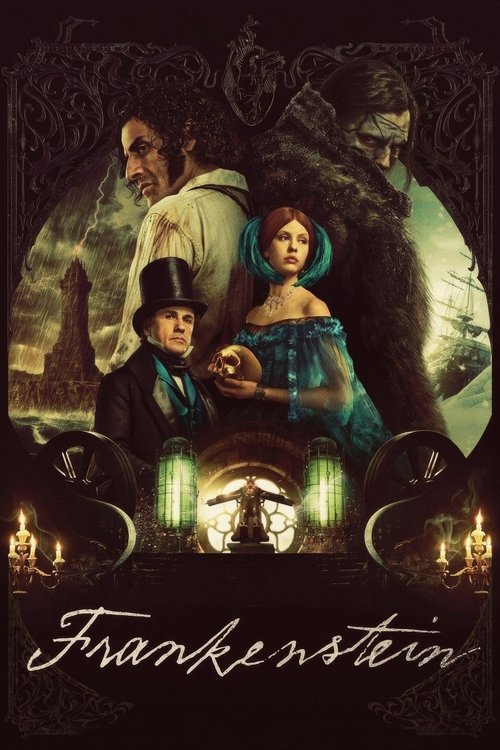 Movie
Movie2025
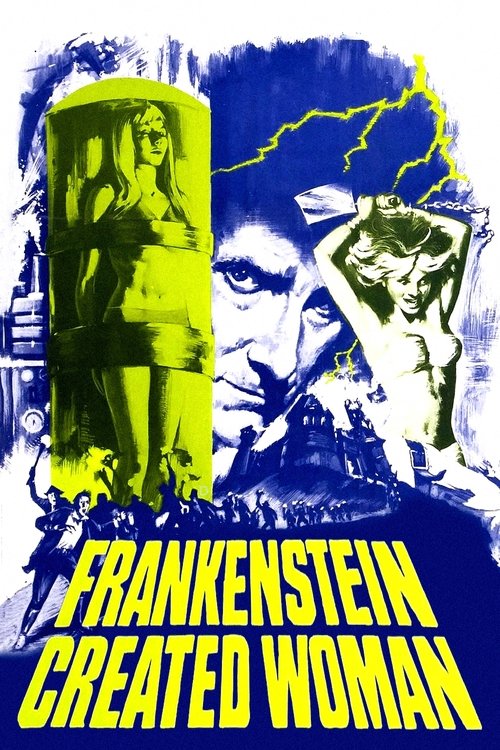 Movie
Movie1967
 Movie
Movie2015
 Movie
Movie1991
 Movie
Movie1958
 Movie
Movie1969
 Movie
Movie2011
 Movie
Movie2026
 Movie
Movie2007