1 / 8
RUNTIME
Did you know
Tight 75-minute runtime — shorter than most television pilots.
MoodPlayr · trivia#01
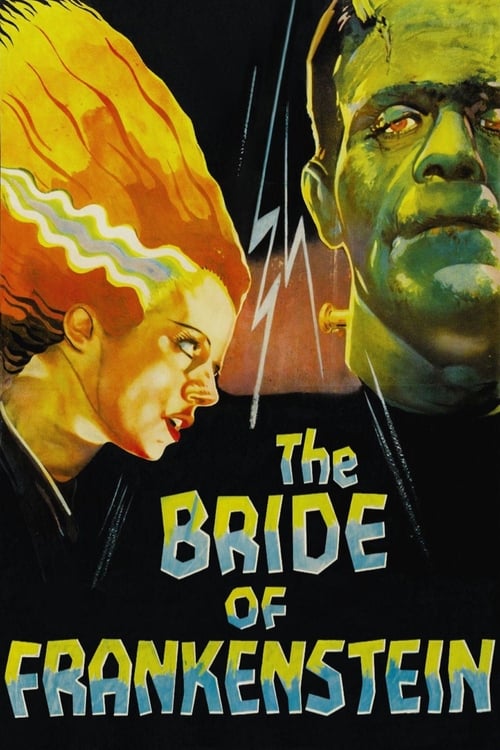
"More fearful than the monster himself!"
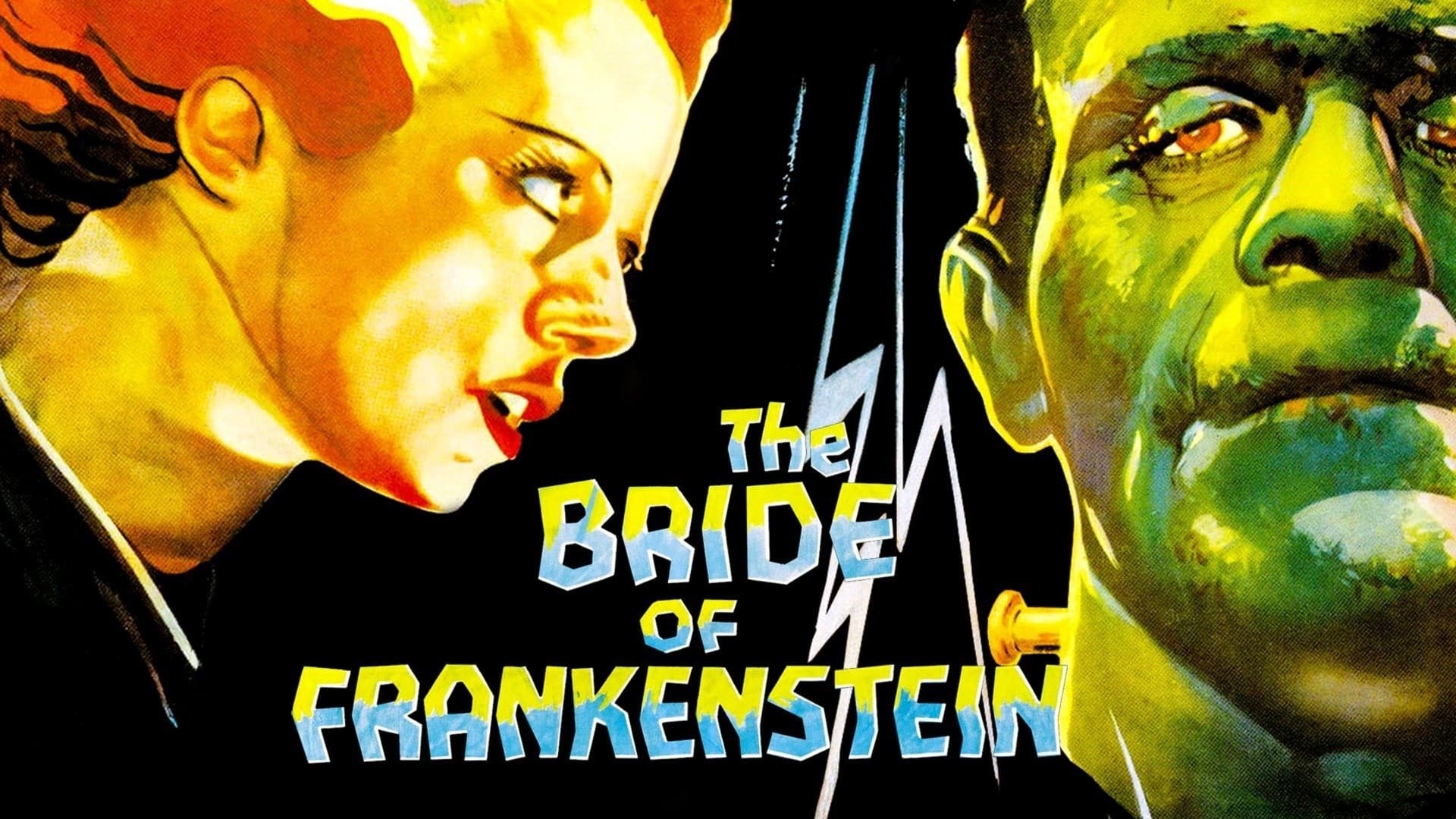
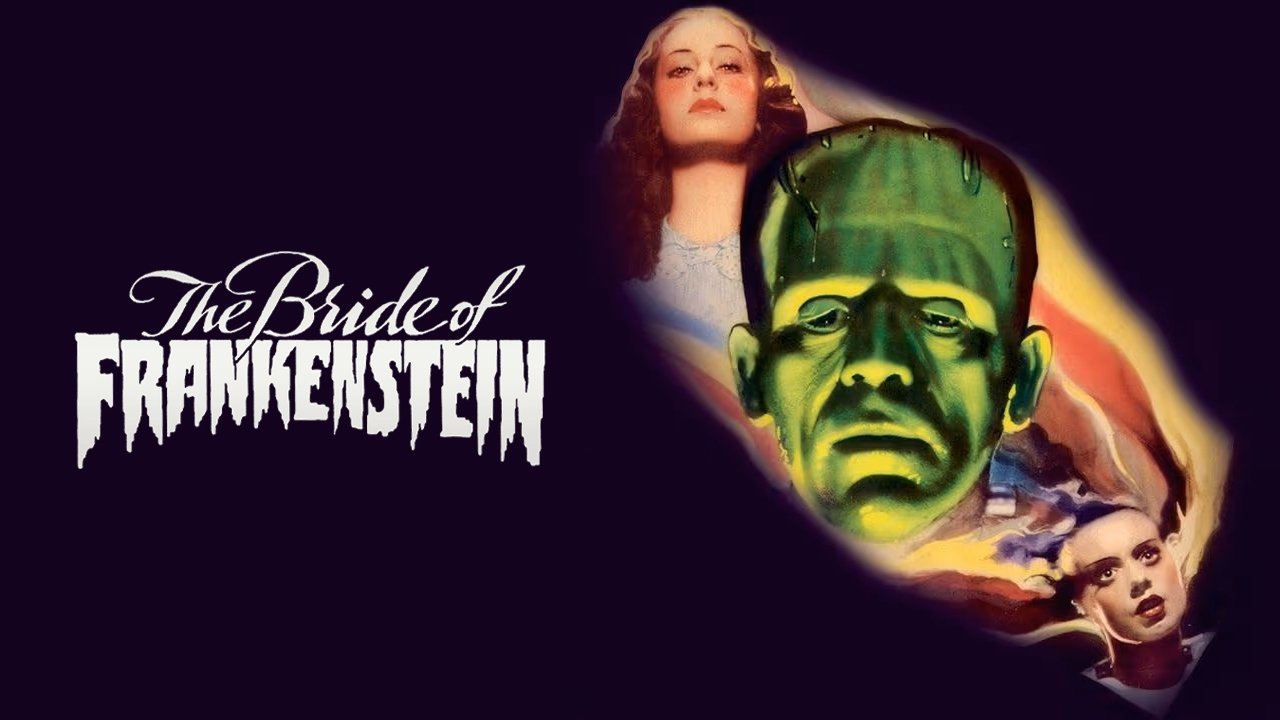
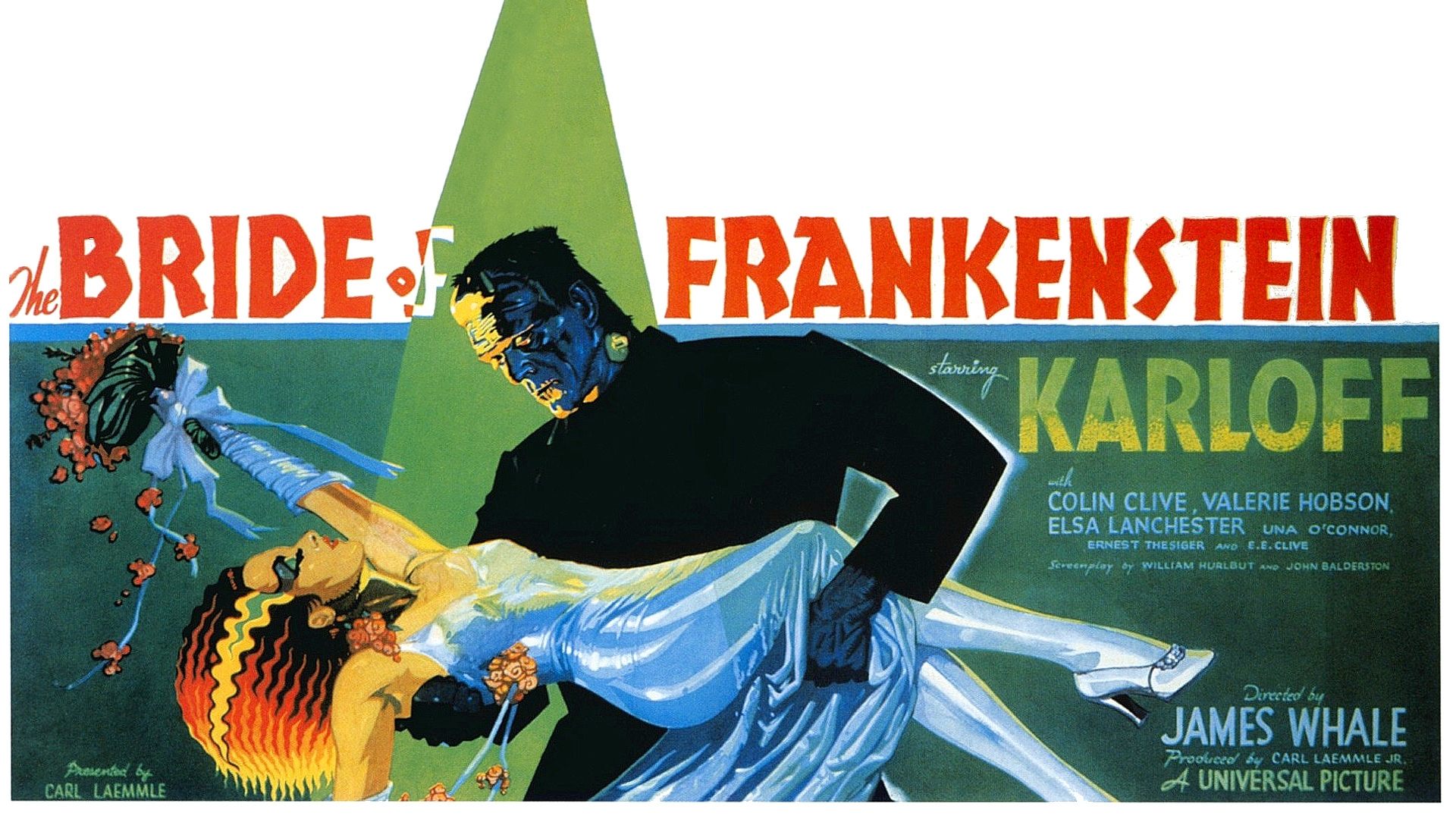
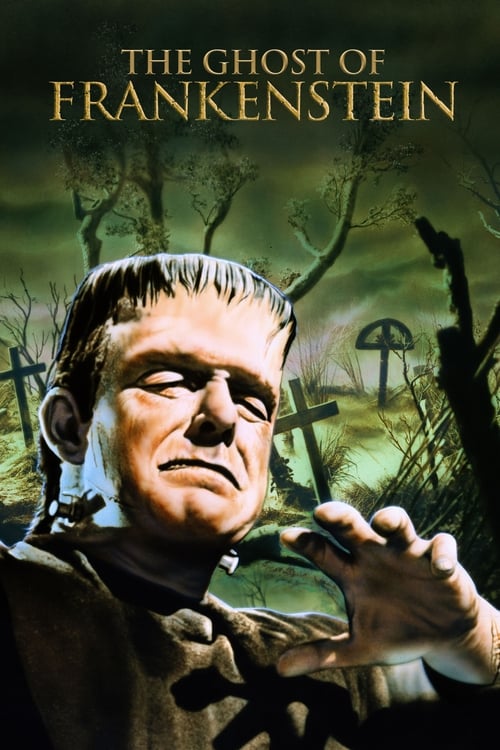
After recovering from injuries sustained in the mob attack upon himself and his creation, Dr. Henry Frankenstein falls under control of his former mentor, Dr. Pretorius, who insists the now-chastened doctor resume his experiments in creating new life. Meanwhile, the Monster remains on the run from those who wish to destroy him.
“More fearful than the monster himself!”
Where to watch · US
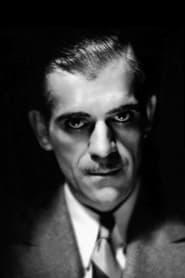
Boris Karloff
The Monster

Colin Clive
Henry Frankenstein
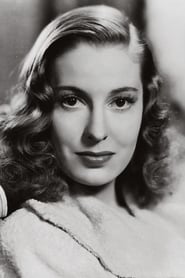
Valerie Hobson
Elizabeth
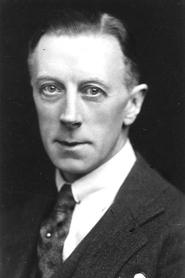
Ernest Thesiger
Doctor Pretorius
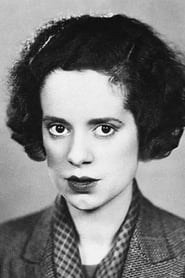
Elsa Lanchester
Mary Wollstonecraft Shelley / The Monster's Mate
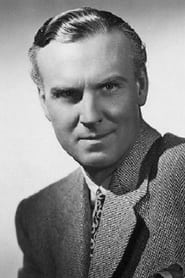
Gavin Gordon
Lord Byron
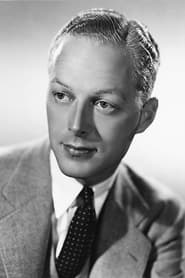
Douglas Walton
Percy Bysshe Shelley
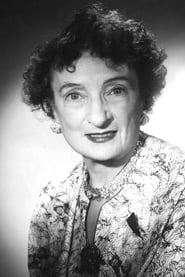
Una O'Connor
Minnie
Credits
Want more? Switch to Cinephile mode in the header for DP, composer, budget, box office, production companies, keywords, and release history.
Did you know?
Did you know
Tight 75-minute runtime — shorter than most television pilots.
Did you know
Shot for just $0.4M — micro-budget by Hollywood standards.
Did you know
Made its money back 5.1× over at the box office.
Did you know
91 years old — a genuine piece of film history.
Did you know
Part of the "Frankenstein (Universal) Collection" — so the characters or world continue elsewhere.
Did you know
Directed by James Whale, shot by John J. Mescall. Note their partnership — DPs and directors often return to each other across a career.
Did you know
Original score by Franz Waxman. Worth a dedicated listen after — most great films lose half their impact without the score.
Did you know
Editor Ted J. Kent shaped the rhythm. On an edit-heavy film, the editor does more to control your pulse than the director.
Cinephile deep dive
James Whale directs. John J. Mescall behind the camera. Franz Waxman scores. Ted J. Kent cuts. Runs lean at under 100 minutes. Made its budget back several times over at the box office. Produced in United States of America. Dialogue in English.
Trivia
Awards
Nominated for 1 Oscar. 6 wins & 4 nominations total
Part of
A Universal Production film series beginning with Frankenstein in 1931 and followed by four sequels up to 1944.
Also by
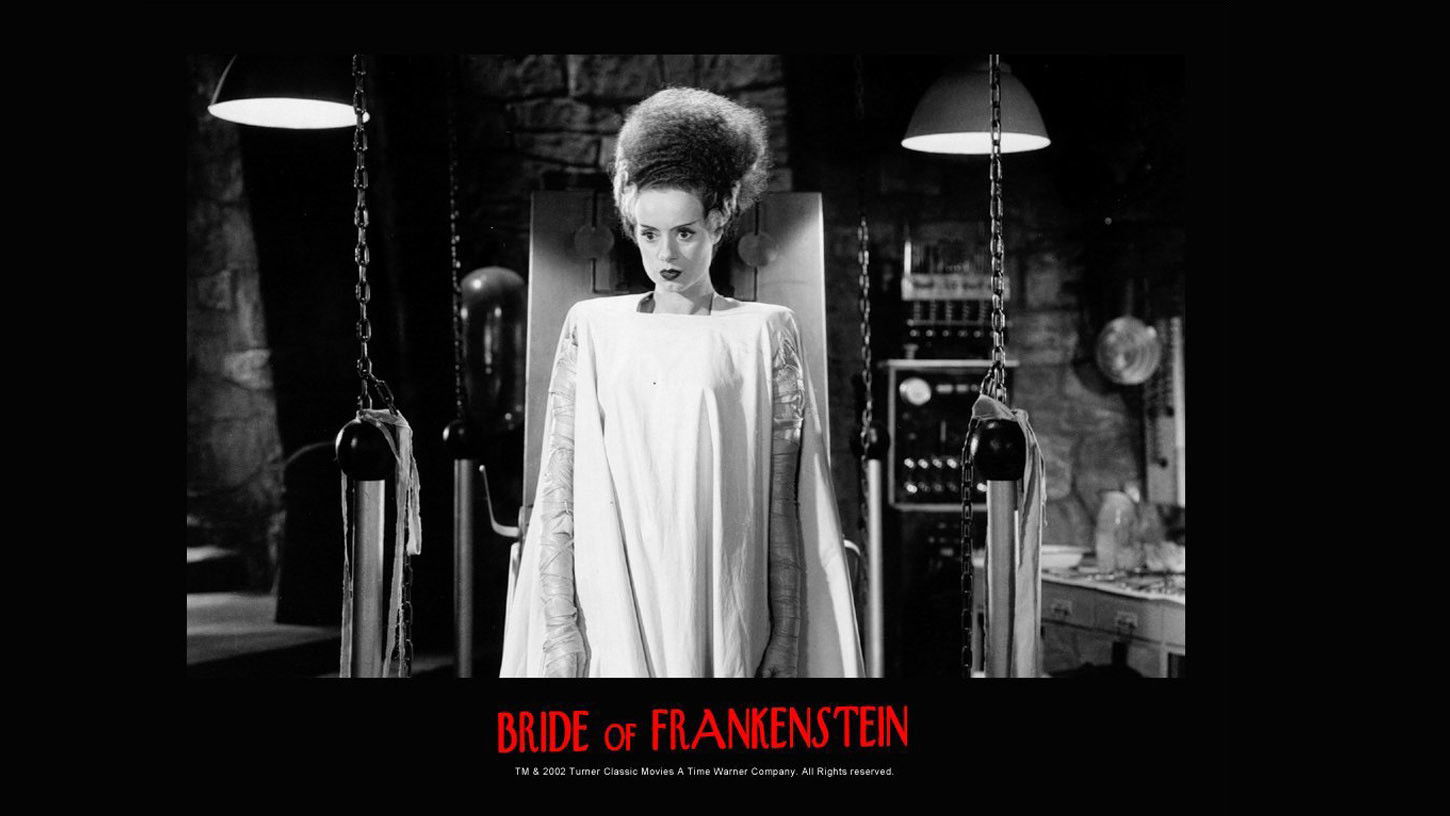
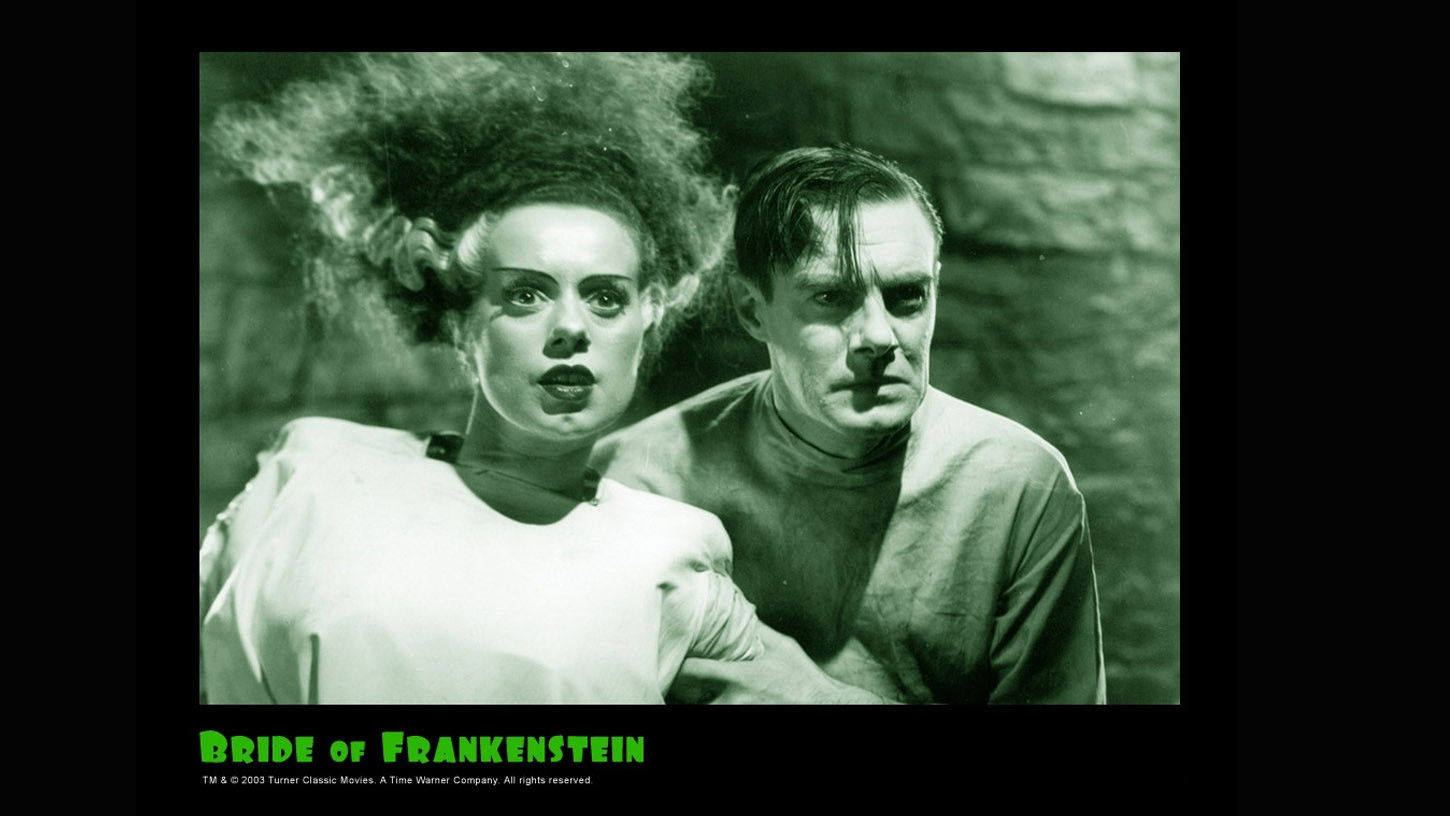
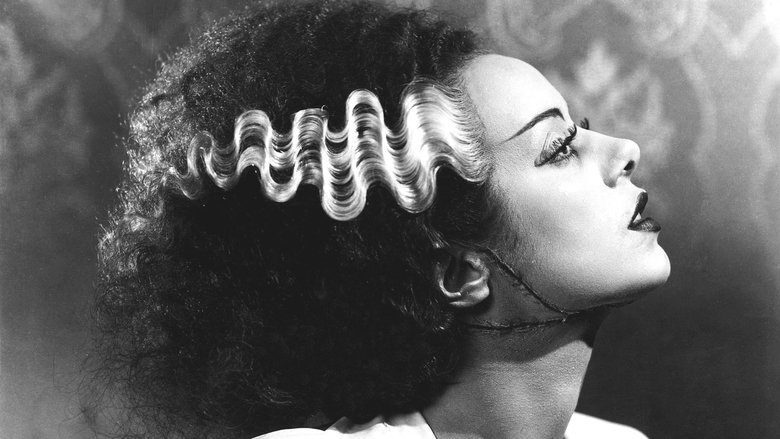
Stills · wallpapers
Full-resolution frames — open one to save it as a wallpaper.
Trailers & featurettes
Community reviews
Ernest Thesiger is superb in James Whale's sequel to "Frankenstein" as the scientist who has perfected the art of growing rather than harvesting tissue. When he meets up with Baron Frankenstein's original monster they set about coercing the reluctant Baron to create a wife for the lonely Boris Karloff. This is a cracking tale of science fiction, horror and even romance as the monster ends up endowed with far more "humanity" than either scientist. Una O'Connor and Elsa Lanchester are both great too, though feature sparingly. The special effects stand better scrutiny than many a sci-film being made twenty years later and the cannibalised classical musical score brings tension, joy, love and despair a-plenty to compensate for, admittedly a rather stilted script. Easily amongst the best "Frankenstein" films ever made in my book.
Dr. Frankenstein and his former mentor try to create a mate for the monster The monster (Karloff) survives the windmill burning of the previous film and wanders the countryside of Bavaria while Doctor Pretorius (Ernest Thesiger) approaches Baron Frankenstein (Colin Clive) with the idea of collaborating to create a mate for the monster, which presumably will domesticate him. This Universal classic from 1935 was one of the first sequels to a mainstream film and arguably started the concept of a movie franchise or, at least, a cinematic trilogy: The 1931 movie, this sequel, and the follow-up “Son of Frankenstein” (1939) all feature Boris Karloff as the monster along with other overlapping actors and characters. It has a story arc and comes to a clear ending in the third flick. Valerie Hobson is a highlight on the female front as Elizabeth Frankenstein (replacing Mae Clarke from the first film). Meanwhile Elsa Lanchester plays the dual role of Mary Shelley and the titular character at the end. The prologue presents a glaring issue since Mary conveys this sequel to Lord Byron and Percy Bysshe Shelley not long after the success of “Frankenstein,” which was published in 1818. Since the film obviously contains fashions & technology of the early 1930s mixed with elements of the 1800s (which the director described as an “alternate universe”), Mary would have to be predicting what it would be like in the distant future, at least 1899 (which is the tomb’s date on a recently deceased woman in the story). This is one of those rare occasions where the sequel is better. It’s marked by increased camp (but not overkill), the monster’s memorable friendship with a blind man in the forest, and the fact that he learns to speak in a monosyllabic fashion (which Karloff objected to). It’s an iconic addition to the Frankenstein story, a Gothic horror tragedy highlighted by unforgettable renditions of the monster and his “bride.” The B&W movie runs 1 hour, 15 minutes, and was shot entirely in the studio at Universal Studios in Greater Los Angeles. GRADE: B+
Production companies

Universal Pictures
US
James Whale Productions
Themes & keywords
Release history · US
Also known as
 Movie
Movie1942
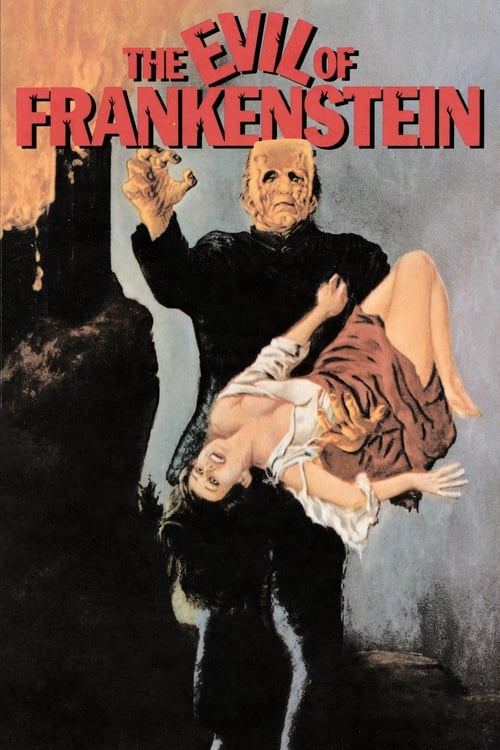 Movie
Movie1964
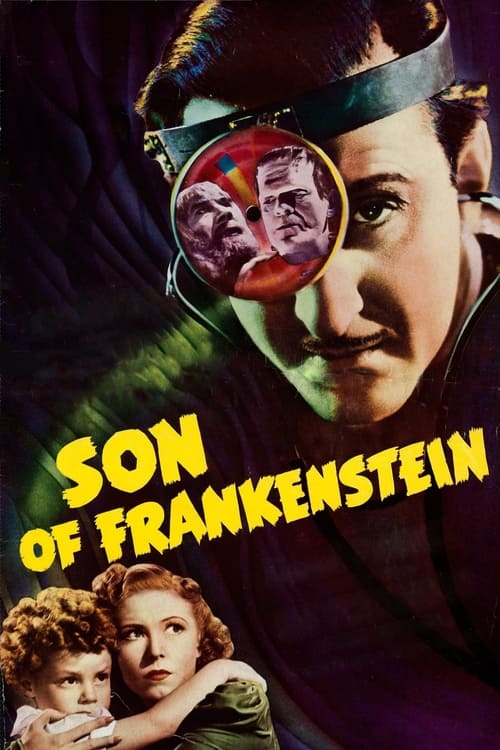 Movie
Movie1939
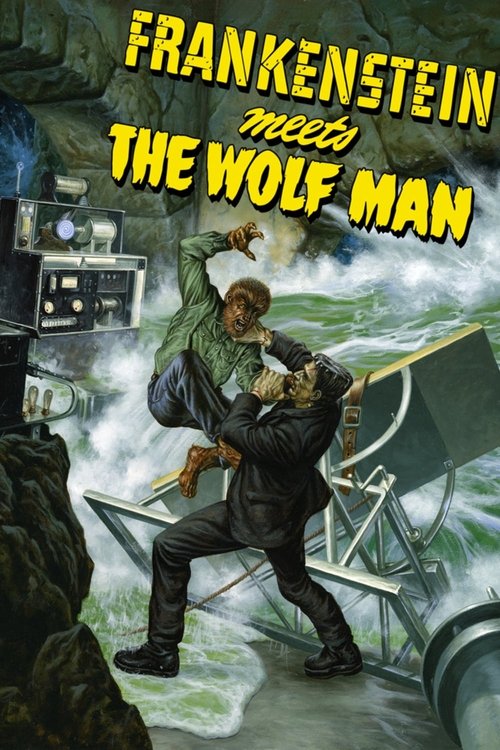 Movie
Movie1943
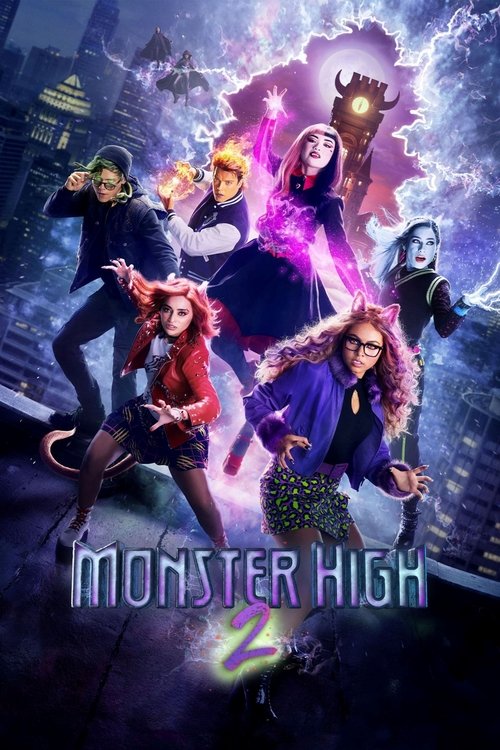 Movie
Movie2023
 Movie
Movie1958
 Movie
Movie1988
 Movie
Movie2007
 Movie
Movie1985
 Movie
Movie1940