

1 / 8
MONEY
Did you know
Shot for just $0.6M — micro-budget by Hollywood standards.
MoodPlayr · trivia#01
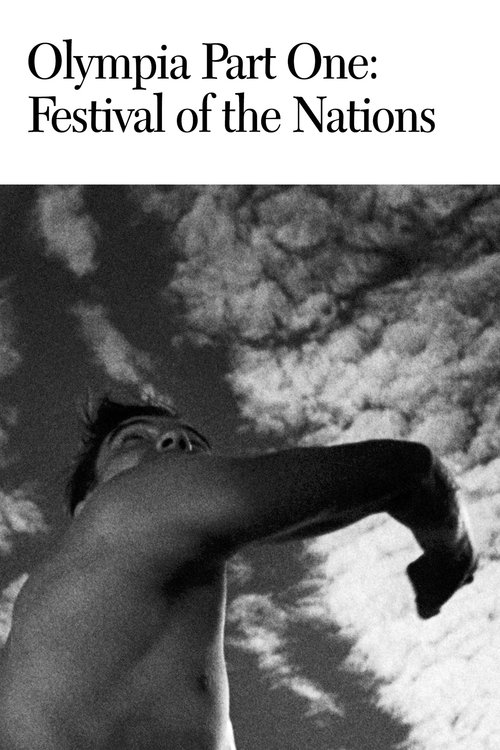
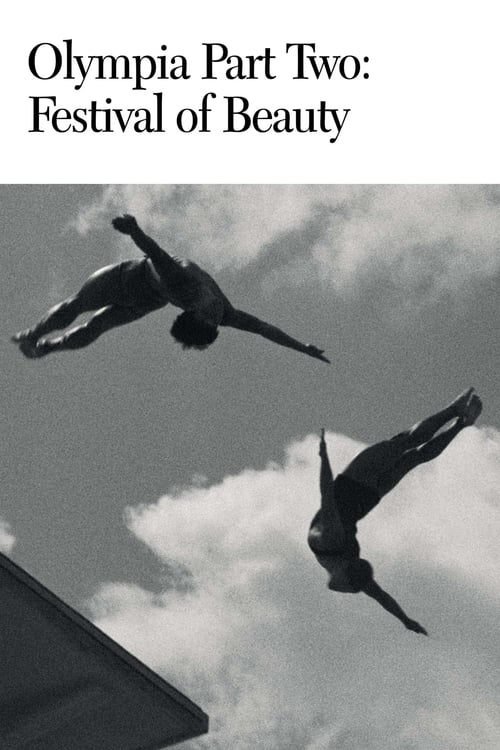
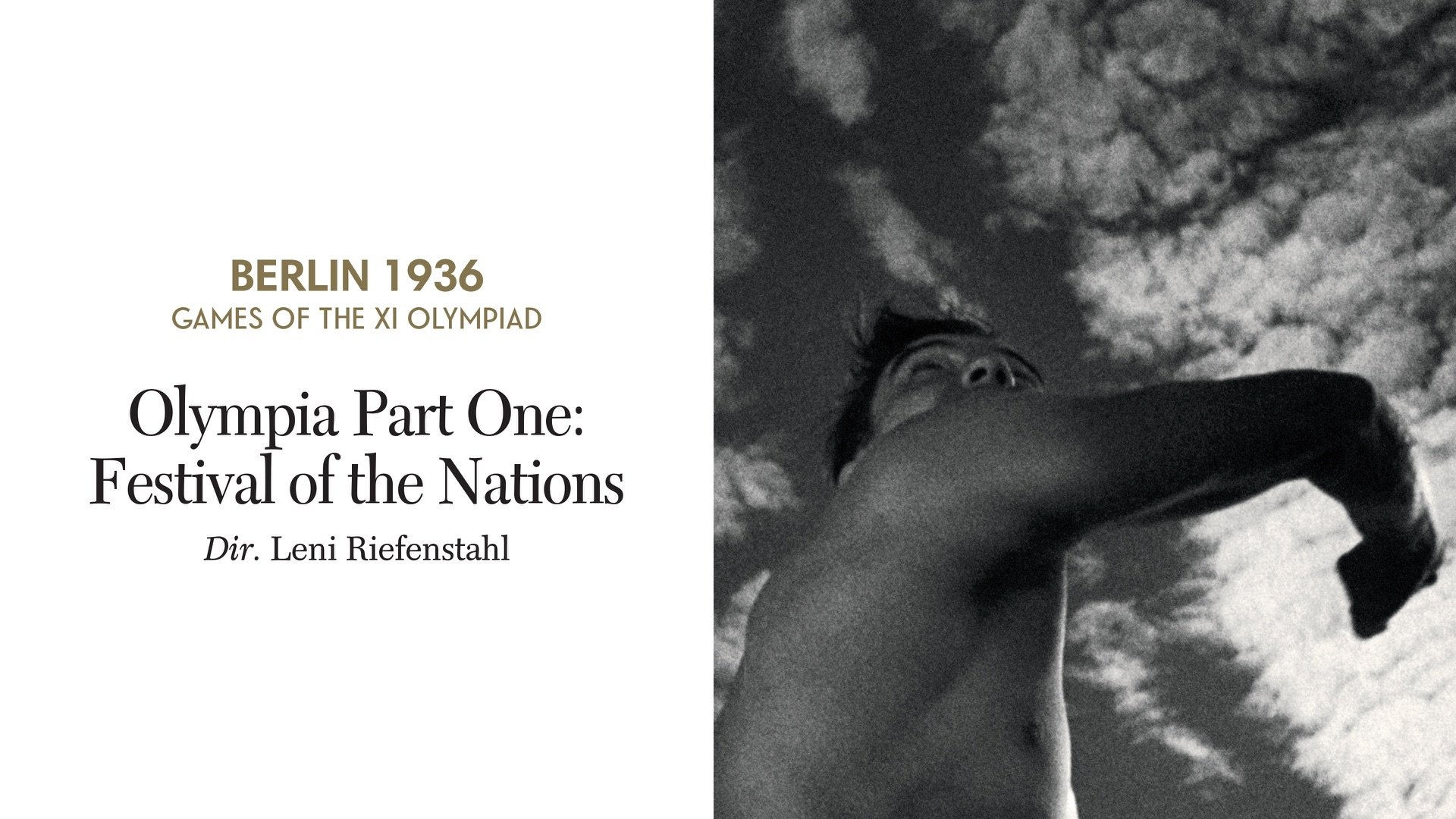
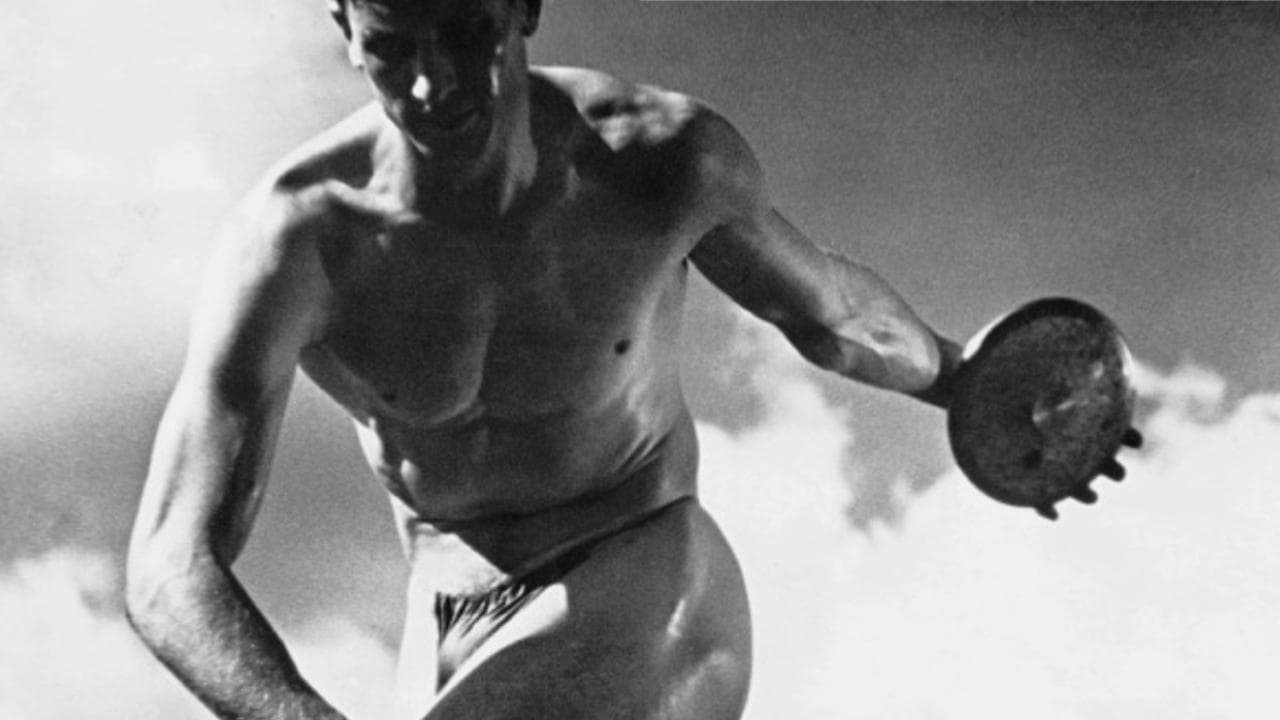
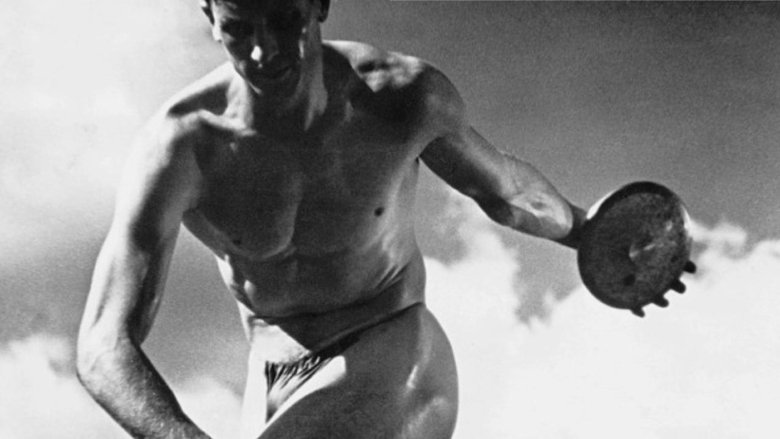
Starting with a long and lyrical overture, evoking the origins of the Olympic Games in ancient Greece, Riefenstahl covers twenty-one athletic events in the first half of this two-part love letter to the human body and spirit, culminating with the marathon, where Jesse Owens became the first track and field athlete to win four gold medals in a single Olympics.
“Some stories are better left unspoiled.”
David Albritton
Self - High Jump, USA (uncredited)
Arvo Askola
Self - 10000 Metres, Finland (uncredited)
Jack Beresford
Self - Carries British Flag (uncredited)
Erwin Blask
Self - Hammer Throw, Germany (uncredited)
Sulo Bärlund
Self - Shot Put, Finland (uncredited)
Ibolya Csák
Self - High Jump, Hungary (uncredited)
Glenn Cunningham
Self (uncredited)
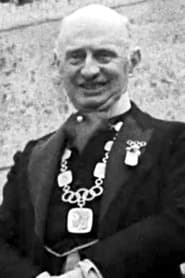
Henri de Baillet-Latour
Self - IOC, Stands with Hitler, with Hurdlers (uncredited)
Credits
Want more? Switch to Cinephile mode in the header for DP, composer, budget, box office, production companies, keywords, and release history.
Did you know?
Did you know
Shot for just $0.6M — micro-budget by Hollywood standards.
Did you know
88 years old — a genuine piece of film history.
Did you know
Dialogue crosses 6 languages: German, Italian, Japanese, French, English, Portuguese.
Did you know
Part of the "Olympia Collection" — so the characters or world continue elsewhere.
Did you know
Directed by Leni Riefenstahl, shot by Hans Ertl. Note their partnership — DPs and directors often return to each other across a career.
Did you know
Original score by Herbert Windt. Worth a dedicated listen after — most great films lose half their impact without the score.
Did you know
Editor Leni Riefenstahl shaped the rhythm. On an edit-heavy film, the editor does more to control your pulse than the director.
Did you know
David Albritton and Arvo Askola and Jack Beresford carry the top of the cast.
Cinephile deep dive
Leni Riefenstahl directs. Hans Ertl behind the camera. Herbert Windt scores. Leni Riefenstahl cuts. Produced in Germany. Dialogue in German, Italian, Japanese, French, English, Portuguese.
Trivia
Awards
2 wins
Individual records documented via Wikidata; the summary above may count more.
Part of
Commissioned to make a propaganda film about the 1936 Olympic Games in Germany, director Leni Riefenstahl created a celebration of the human form. Part one, Festival of the Nations, captures a renowned introduction that compares modern Olympians to classical Greek heroes, and goes on to provide thrilling in-the-moment coverage of some of the games' most celebrated moments, including African-American athlete Jesse Owens winning a then-unprecedented four gold medals. Part two, The Festival of Beauty, concentrates on individual athletes such as equestrians, gymnasts, and swimmers, climaxing with American Glenn Morris' performance in the decathalon and the games' majestic closing ceremonies.
Also by
Stills · wallpapers
Full-resolution frames — open one to save it as a wallpaper.
Production companies
Olympia-Film GmbH
DE
Themes & keywords
Release history · US
Also known as