

1 / 8
MONEY
Did you know
Shot for just $0.4M — micro-budget by Hollywood standards.
MoodPlayr · trivia#01
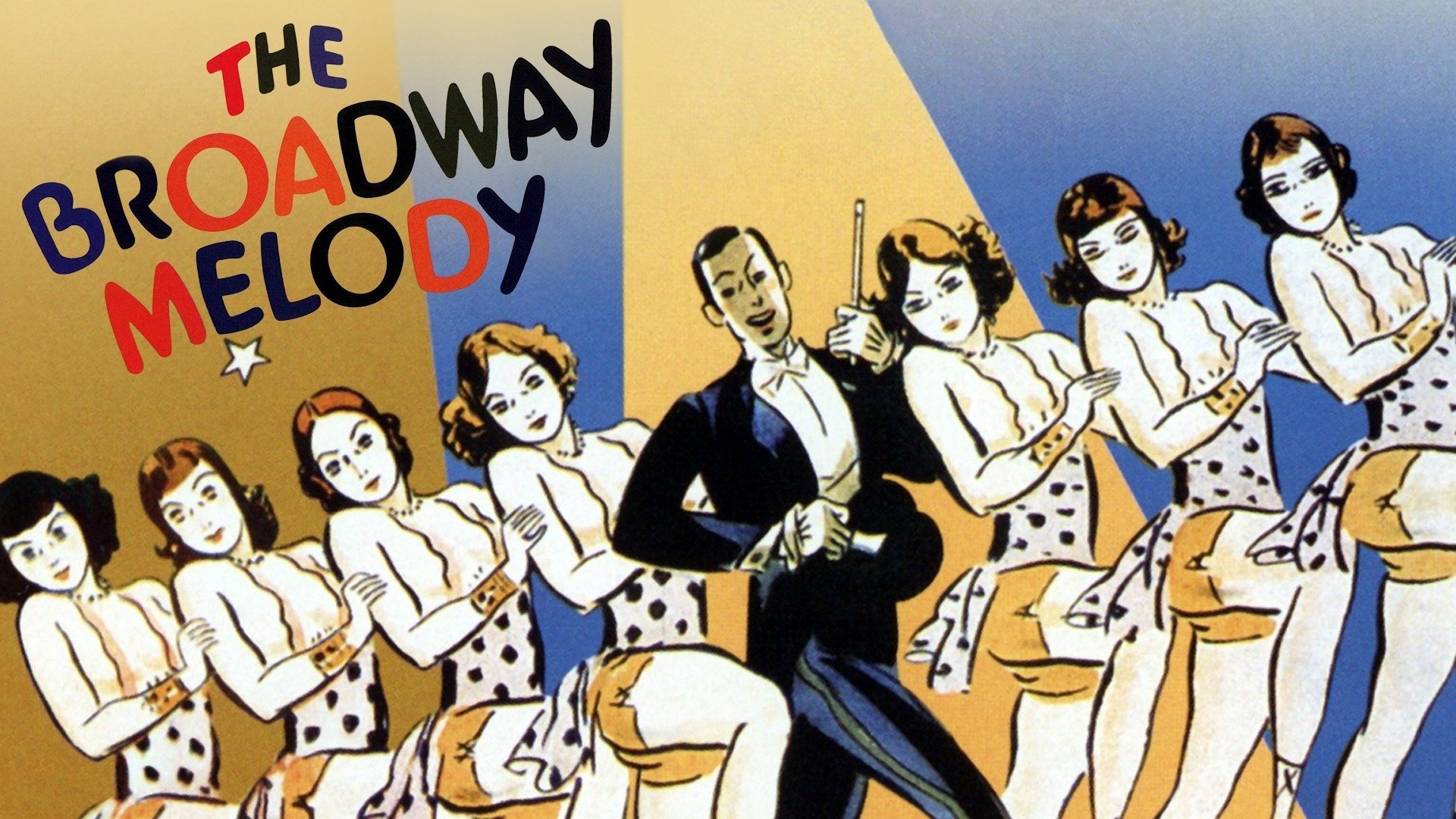
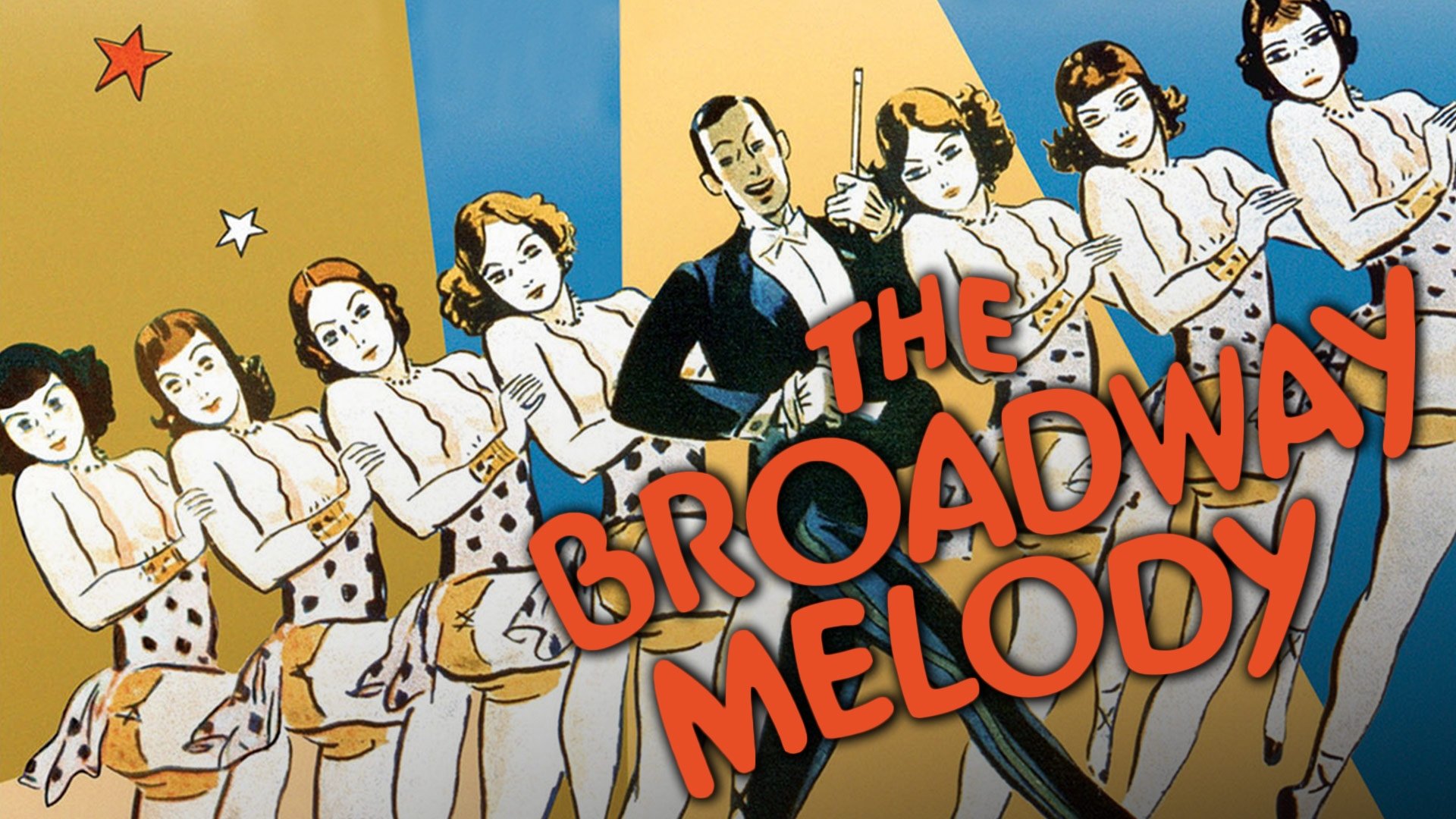
"All talking. All singing. All dancing."
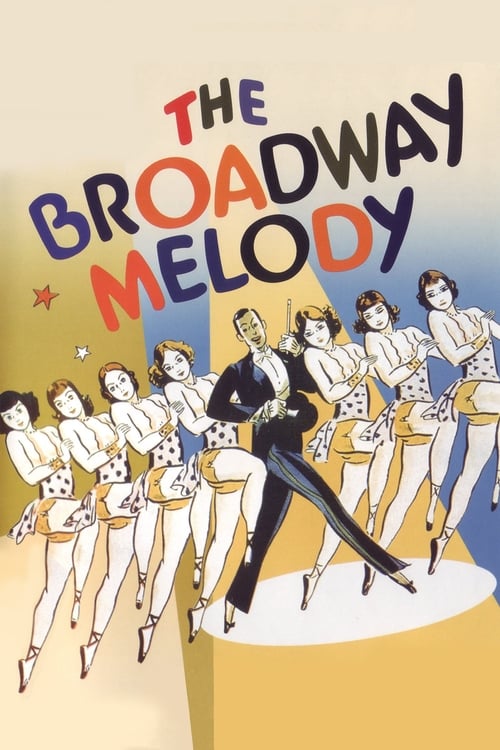
The vaudeville act of Harriet and Queenie Mahoney comes to Broadway, where their friend Eddie Kerns needs them for his number in one of Francis Zanfield's shows. When Eddie meets Queenie, he soon falls in love with her—but she is already being courted by Jock Warriner, a member of New York high society. Queenie eventually recognizes that, to Jock, she is nothing more than a toy, and that Eddie is in love with her.
“All talking. All singing. All dancing.”
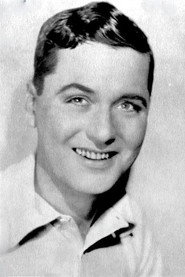
Charles King
Eddie Kearns

Anita Page
Queenie Mahoney

Bessie Love
Harriet 'Hank' Mahoney
Betty Arthur
Chorus Dancer (uncredited)
J. Emmett Beck
Babe Hatrick (uncredited)
Nacio Herb Brown
Pianist (uncredited)
James Burrows
Singer (uncredited)
Eddie Bush
Quartet Guitarist and Singer (uncredited)
Credits
Want more? Switch to Cinephile mode in the header for DP, composer, budget, box office, production companies, keywords, and release history.
Did you know?
Did you know
Shot for just $0.4M — micro-budget by Hollywood standards.
Did you know
Grossed $4M — a 11.5× return. The kind of profit studios chase for a decade.
Did you know
97 years old — a genuine piece of film history.
Did you know
Part of the "The Broadway Melody Collection" — so the characters or world continue elsewhere.
Did you know
Directed by Harry Beaumont, shot by John Arnold. Note their partnership — DPs and directors often return to each other across a career.
Did you know
Editor Sam Zimbalist shaped the rhythm. On an edit-heavy film, the editor does more to control your pulse than the director.
Did you know
Charles King and Anita Page and Bessie Love carry the top of the cast.
Did you know
Marketing tagline: "All talking. All singing. All dancing.".
Cinephile deep dive
Harry Beaumont directs. John Arnold behind the camera. Sam Zimbalist cuts. Made its budget back several times over at the box office. Produced in United States of America. Dialogue in English.
Trivia
Awards
Won 1 Oscar. 5 wins & 2 nominations total
Individual records documented via Wikidata; the summary above may count more.
Part of
The Broadway Melody Collection
Also by
Stills · wallpapers
Full-resolution frames — open one to save it as a wallpaper.
Trailers & featurettes
Community reviews
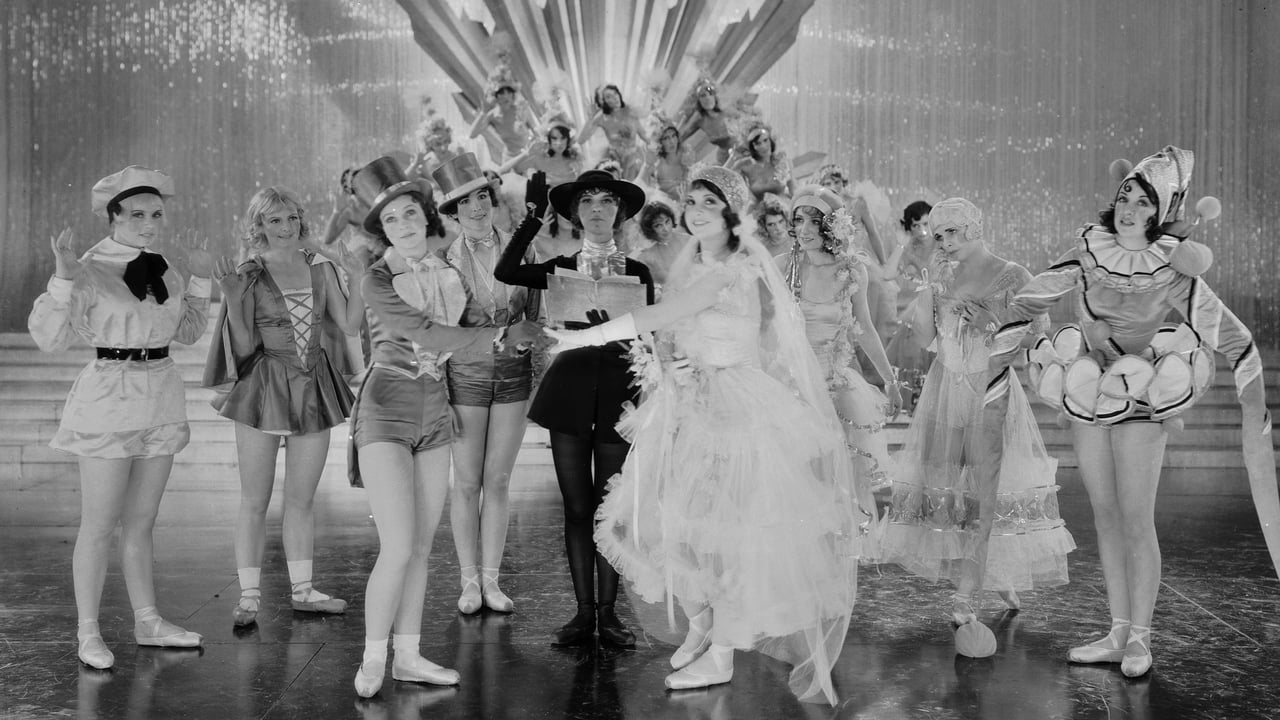
“Eddie” (Charles King) invites his girlfriend “Hank” (Bessie Love) and her sister “Queenie” (Anita Page) to join a show being staged by legendary producer “Zanfeld” (Eddie Kane) on Broadway. That’s about as simple as the plot gets because quite swiftly he switches his allegiance to the other sister but she’s a decent sort of gal and tries to return the attentions of socialite “Jock” (Kenneth Thomson). Those attentions are really only skin deep, though, and as we watch we all too readily realise where the real love story lies. Whilst all of this melodrama is playing out, director Harry Beaumont makes best use of his theatrical setting to intersperse this game of who is dating who with some quite well choreographed and scored song and dance routines in the best traditions of (sometimes quite risqué vaudeville. It’s an early talkie and it looks it. None of the cast look particularly comfortable with their lines, but they do look much more natural when the gals are on the stage or frenetically lurching from heartbreak to lovestruck - usually very loudly, backstage too! Love is a class act and she certainly steals the show here but that’s maybe it’s problem. It is a film about a show, whereas it might have been better had it just been a show, and cut out the romancing elements that do create their own suds just once too often. It is a lively enterprise, though, and looks as if those behind the camera knew just how to show how manic, haphazard and hectic life behind the curtain could be, and that’s without any love triangles! It hasn’t really stood the test of time, but I do wonder how many films made now will still have any entertainment value in a century?
Production companies

Metro-Goldwyn-Mayer
US
Themes & keywords
Release history · US
Also known as