1 / 8
RUNTIME
Did you know
89 minutes exactly — the "classic feature" runtime most directors aim for.
MoodPlayr · trivia#01

"Every woman who has loved will understand"
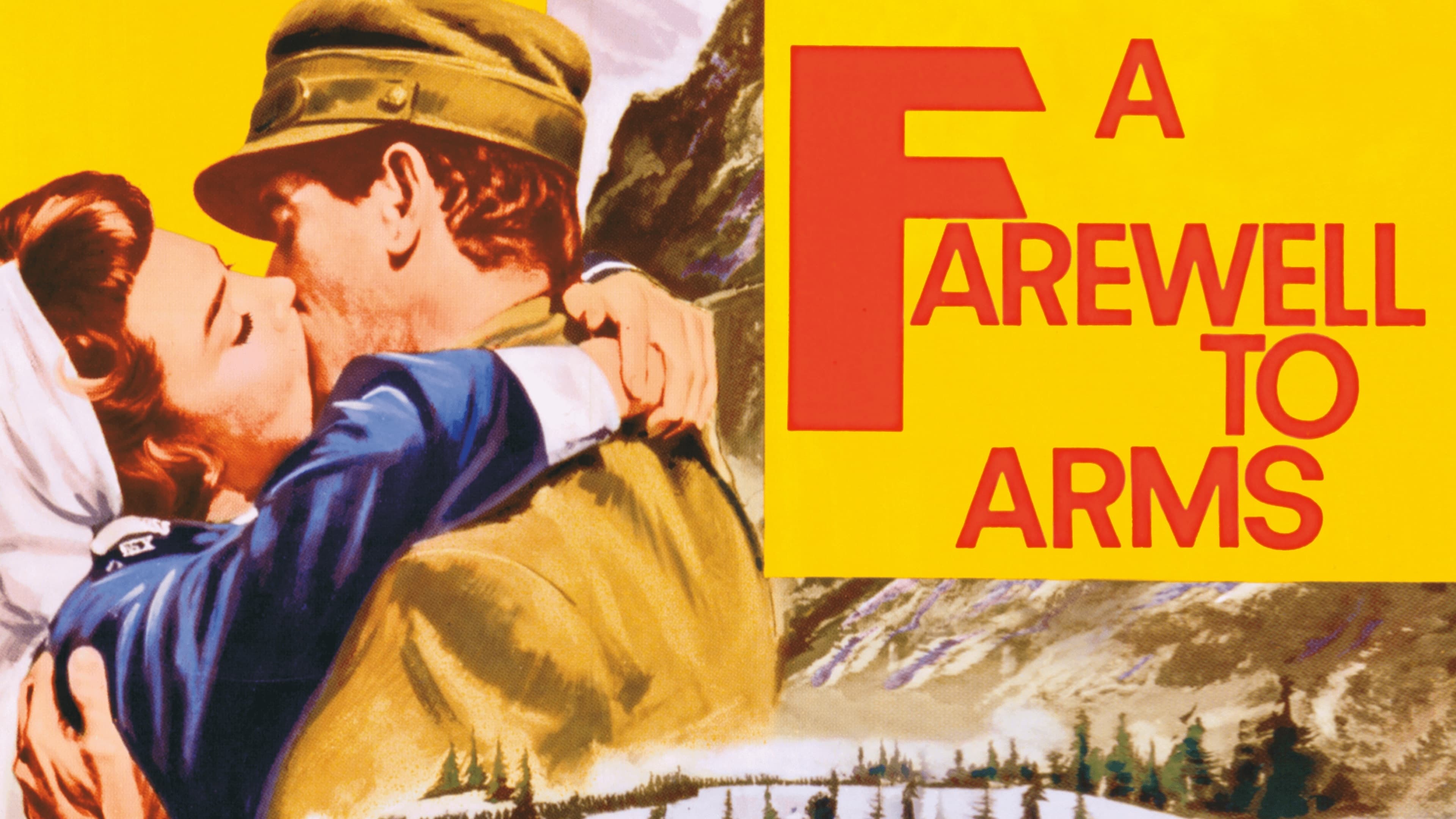
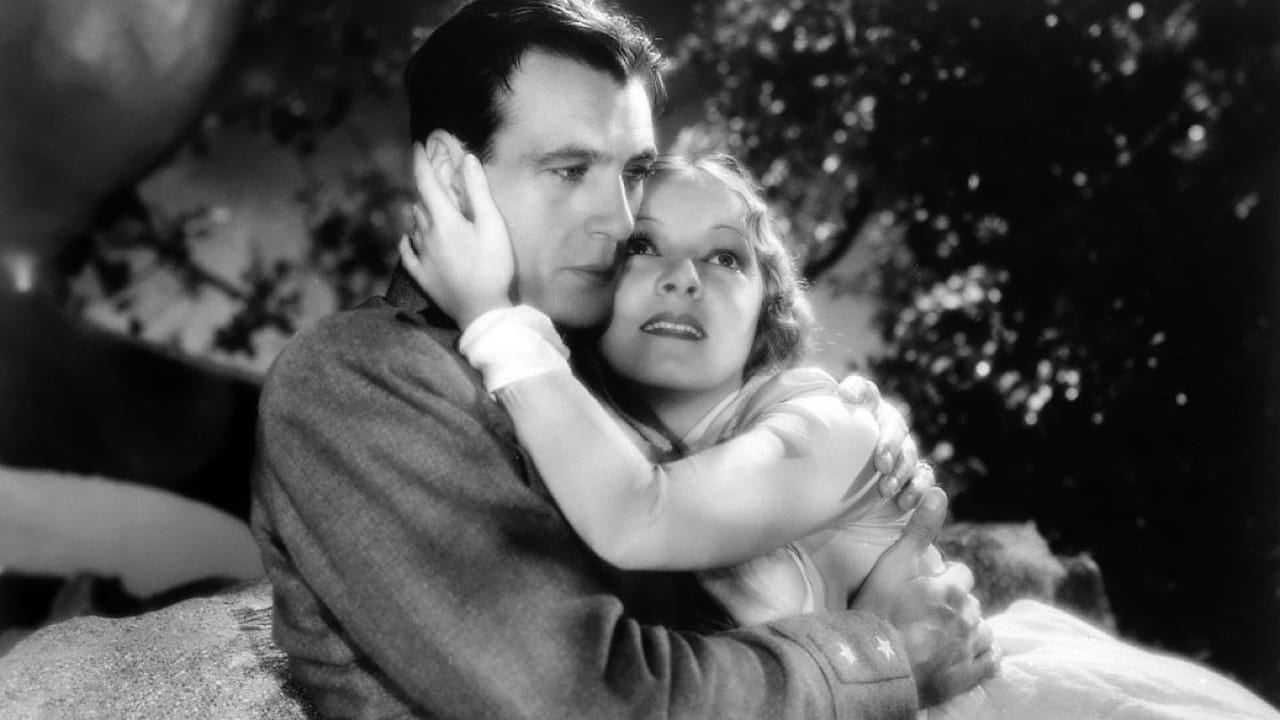
A tale of the World War I love affair, begun in Italy, between American ambulance driver Lt. Frederic Henry and British nurse Catherine Barkley. Eventually separated by Frederic's transfer, tremendous challenges and difficult decisions face each as the war rages on.
“Every woman who has loved will understand”
Where to watch · US
 Amazon Prime VideoSubscription
 fuboTVSubscription
 MGM+ Amazon ChannelSubscription
 PhiloSubscription
 MGM PlusSubscription
 Pure FlixSubscription
 FlixFlingSubscription
 Amazon Prime Video with AdsSubscription
 Great American Pure Flix Amazon ChannelSubscription
 Amazon VideoRentFlixFlingRentAmazon VideoBuyFlixFlingBuy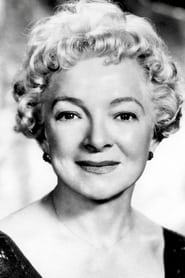
Helen Hayes
Catherine Barkley

Gary Cooper
Lt. Frederic Henry

Adolphe Menjou
Major Rinaldi
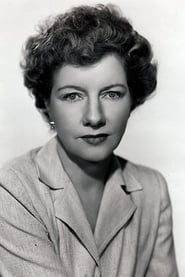
Mary Philips
Helen Ferguson
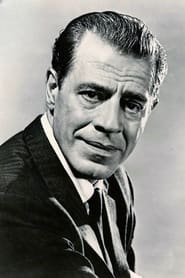
Jack La Rue
Priest

Blanche Friderici
Head Nurse
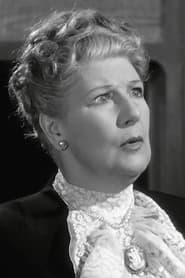
Mary Forbes
Miss Van Campen
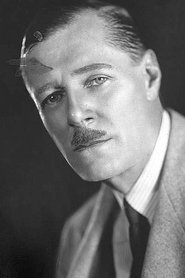
Gilbert Emery
British Major
Credits
Want more? Switch to Cinephile mode in the header for DP, composer, budget, box office, production companies, keywords, and release history.
Did you know?
Did you know
89 minutes exactly — the "classic feature" runtime most directors aim for.
Did you know
94 years old — a genuine piece of film history.
Did you know
Directed by Frank Borzage, shot by Charles Lang. Note their partnership — DPs and directors often return to each other across a career.
Did you know
Original score by Bernhard Kaun. Worth a dedicated listen after — most great films lose half their impact without the score.
Did you know
Editor George Nichols Jr. shaped the rhythm. On an edit-heavy film, the editor does more to control your pulse than the director.
Did you know
Helen Hayes and Gary Cooper and Adolphe Menjou carry the top of the cast.
Did you know
Marketing tagline: "Every woman who has loved will understand".
Did you know
IMDB entry: tt0022879 — still the authoritative cross-reference for credits and trivia.
Cinephile deep dive
Frank Borzage directs. Charles Lang behind the camera. Bernhard Kaun scores. George Nichols Jr. cuts. Runs lean at under 100 minutes. Produced in United States of America. Dialogue in English.
Trivia
Awards
Individual records documented via Wikidata; the summary above may count more.
Also by
Stills · wallpapers
Full-resolution frames — open one to save it as a wallpaper.
Trailers & featurettes
Community reviews
An Academy Awards Best Picture nominee, this is a very good film that, despite its occasional experimentation and evident striving for greatness, doesn't quite reach the mark it hopes to. Nonetheless, it's unmistakably high quality and remains very watchable, enduringly appealing, and, in places, impressive. The big glaring shortcomings are the experimental moments - which don't work and are distracting - and the fact that Miss Hayes is, much of the time, given over-ripe, unnaturally worded and stagy sounding dialogue to speak - and so much of the time, despite that she does give a fine, clearly talented performance, she does so in stage-performer mode and with "impress them with my craft" line delivery, rather than in the much more subtle and truly naturalistic way that's right for movie acting. I'm not faulting Miss Hayes' performance, instead am opining that she gives a stage star's version of subtle movie acting, rather than a movie actor's version thereof. For some reason, all the stagily worded dialogue was given only to Miss Hayes to speak. Other characters are given infinitely more real and believable sounding dialogue. Perhaps Paramount expressly wanted to capitalize on Miss Hayes' stature and deserved reputation as one of the greatest stage stars of her time, therefore ordered script writers to "pour it on thick" when it came to lines for her to speak. An additional shortcoming of this film, for me, has always been that I never have found Cooper and Hayes to seem like a credible couple; his chemistry with and towards her seems 100% natural and believable, though her interactions with him always feel, to me, like she's performing, rather than it being convincingly real life-like. I don't mean to sound like I'm faulting Miss Hayes, as she was, as we know, tremendously gifted. Her performance in this movie feels, to me, like it would have been spot-on on the stage. Another issue is that Miss Hayes has always struck me as miscast in this, as she seems neither remotely British nor the irresistible beauty that characters express to one another that she is. Very strong points of the movie are the cinematography (winner of the Best Cinematography Oscar), which is superb throughout, particularly throughout the impressive and memorable roughly four minutes exodus to Milan montage; it's outstanding. Too, the sets (nominated for the Best Art Direction Oscar) are marvelous. Also the performances by Cooper, Adolphe Menjou (as Cooper's surgeon best friend Rinaldi), Jack La Rue (as the priest), and Mary Philips (as Catherine's nurse best friend Fergie) are each perfect and wonderful. Definitely make sure that it's the beautiful near pristine KINO release of this film that you watch, and not one of the degraded, too often butchered, public domain releases. On the KINO version (which is 89 minutes in length), the picture and sound is near perfect, and you'll readily be able to fully appreciate the visual glory of this film. This is a movie that, despite my having the stated "issues" with it - and heretofore I failed to also mention its at times shameless ultra-melodrama (the letter-writing scene, or the final scene, anyone?) - I nonetheless always very much enjoy watching it, whenever I periodically do, and am always readily able to appreciate the things about it that are terrific. I consider this a very good film, and appreciate and enjoy it as such. I find myself feeling drawn to watch this again a time or two just about every year - and usually do. FYI: This review is also presented as a post on TMDb's AFtA message board, if wishing to comment/discuss.
Frank Borzage presents us here with quite an effectively abridged version of the Hemmingway story of wartime romance. "Frederic" (Gary Cooper) is an American soldier who finds himself in hospital being cared for by nurse "Catherine" (the almost porcelain-like Helen Hayes). Their's is quickly a love story that has to compete with the atrocities of the Great War as he and she are both transferred and it becomes harder for them to communicate and be together. "Frederic" isn't helped by the well meaning interventions of his captain "Rinaldi" (Adolphe Menjou) who ensures that their written correspondence is unanswered - but when "Frederic" learns that a baby is due and that "Catherine" is now in Switzerland, he must rush to her side - even if that means desertion. To be honest the production isn't the best and the lighting could be doing with some extra wattage, but there is a genuine sense of chemistry between the couple and of frustration as their romance blossoms despite the prevailing difficulties. I reckon it's the best cinematic adaptation of this frequently quite torrid story, and well worth a gander,
Production companies

Paramount Pictures
US
Themes & keywords
Release history · US
Also known as