

1 / 8
ERA
Did you know
25 years old — old enough to be someone's favourite childhood film.
MoodPlayr · trivia#01
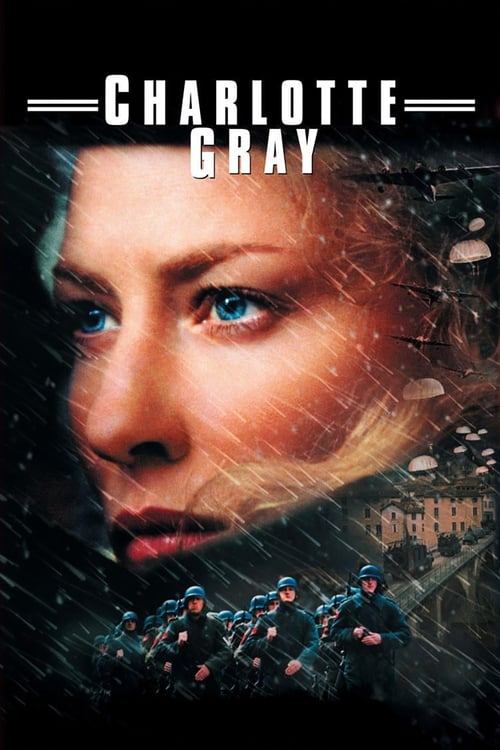
"The story of an ordinary woman in an extraordinary time."
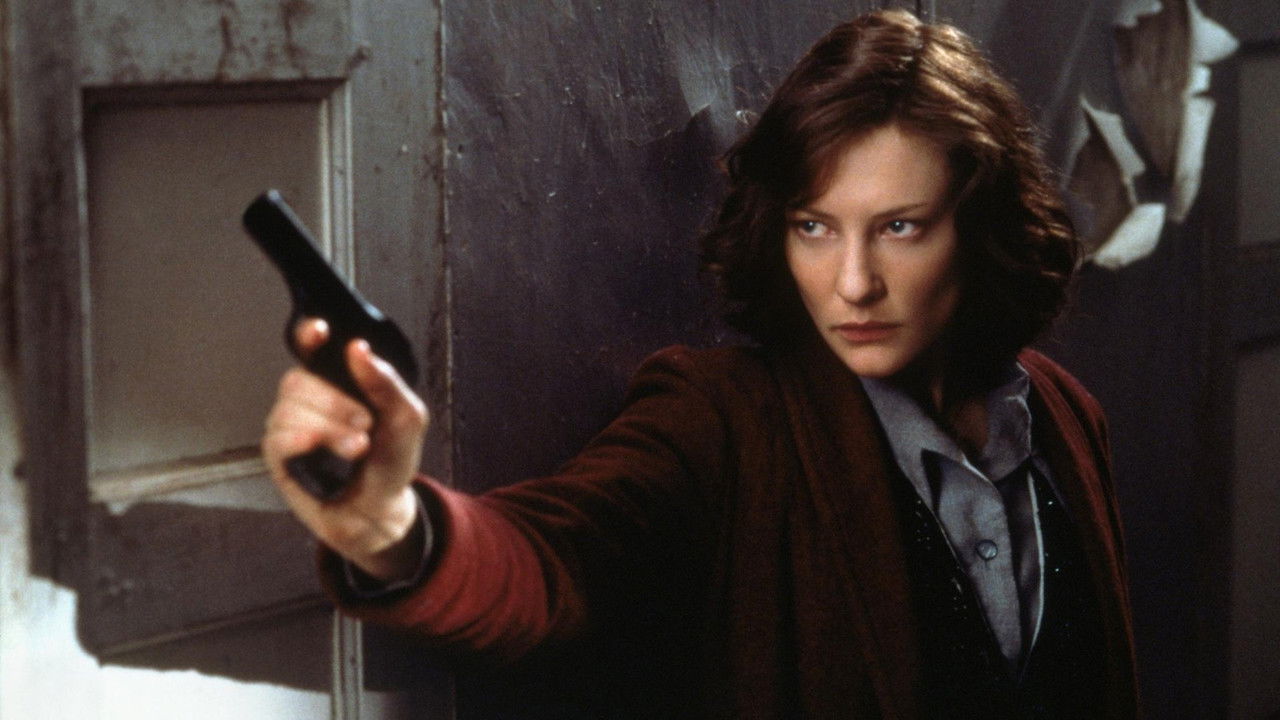
This is a drama set in Nazi-occupied France at the height of World War II. Charlotte Gray tells the compelling story of a young Scottish woman working with the French Resistance in the hope of rescuing her lover, a missing RAF pilot. Based on the best-selling novel by Sebastian Faulks.
“The story of an ordinary woman in an extraordinary time.”
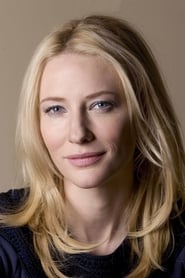
Cate Blanchett
Charlotte Gray
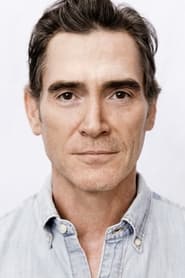
Billy Crudup
Julien Levade
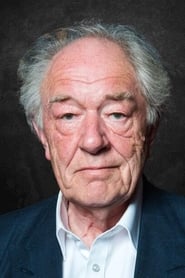
Michael Gambon
Levade
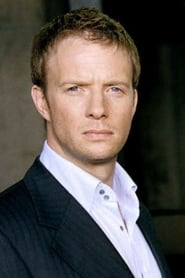
Rupert Penry-Jones
Peter Gregory
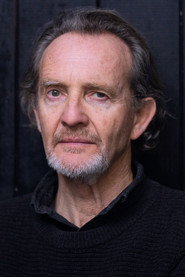
Anton Lesser
Renech

James Fleet
Richard Cannerly
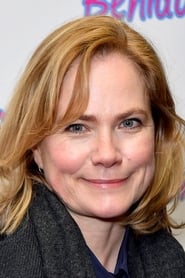
Abigail Cruttenden
Daisy
Charlotte McDougall
Sally
Credits
Want more? Switch to Cinephile mode in the header for DP, composer, budget, box office, production companies, keywords, and release history.
Did you know?
Did you know
25 years old — old enough to be someone's favourite childhood film.
Did you know
International production across 3 countries: Australia, Germany, United Kingdom.
Did you know
Directed by Gillian Armstrong, shot by Dion Beebe. Note their partnership — DPs and directors often return to each other across a career.
Did you know
Original score by Stephen Warbeck. Worth a dedicated listen after — most great films lose half their impact without the score.
Did you know
Editor Nicholas Beauman shaped the rhythm. On an edit-heavy film, the editor does more to control your pulse than the director.
Did you know
Cate Blanchett and Billy Crudup and Michael Gambon carry the top of the cast.
Did you know
Marketing tagline: "The story of an ordinary woman in an extraordinary time.".
Did you know
IMDB entry: tt0245046 — still the authoritative cross-reference for credits and trivia.
Cinephile deep dive
Gillian Armstrong directs. Dion Beebe behind the camera. Stephen Warbeck scores. Nicholas Beauman cuts. Produced in Australia, Germany, United Kingdom. Dialogue in English.
Trivia
Also by
Trailers & featurettes
Community reviews
Cate Blanchett joins the French Resistance during WW2 Shot in 2001, this was based on Sebastian Faulks’ 1998 novel. Contrary to what some say, the titular character was not based on Nancy Wake's real-life exploits. The author has plainly stated this. Perhaps he was inspired a bit by the New Zealander's story to create the one he wanted to tell, but that's about it. As with practically any book-to-film adaptation, there are alterations as the exposition of the novel is jettisoned to fit the story into a 2-hour timeframe. The flick debuted seven months after “Pearl Harbor” and there are slight similarities in regards to the romantic dalliances. “Cold Mountain” came out two years later and, again, there are slight parallels. Bits of “Operation Daybreak” (1975) also come to mind, as well as “The Eagle Has Landed,” not to mention it shares the general milieu of Tarantino’s “Inglorious Basterds.” It's the least of these IMHO, mainly because the dramatics aren’t as compelling as they could be, but nevertheless it delivers the goods if you’re inclined toward a WW2 yarn that focuses on peripheral events rather than conventional battles. The sometimes awe-inspiring locations are authentic and the décor & costumes convincing; plus, there’s an exquisite sense of artistry in the cinematography. Armchair criticisms of the film are easily explained away. For instance, Roger Ebert complained that Charlotte's presence wasn't necessary to take down the train carrying German arms. Answer: The Resistance fighters would constantly need to train new people since so many of them were being betrayed and killed. He also objected to the German soldier not shooting the protesting Julien as they paraded into the city, but he forgot that that sequence occurred in the "free zone" of southern France in 1942, not the military-occupied northern part of the country. Sure, in the north Julien would've been shot on the spot, but in the south the collaborationist Vichy regime was still in control and German soldiers were instructed accordingly. I shouldn’t fail to mention that Michael Gambon has a key role and brings to mind Albert Finney in his old age. It was shot mostly in south-central France (Saint-Antonin-Noble-Val), but also Scotland (Glenfinnan Viaduct, Fort William) and the London area, including Pinewood Studios. GRADE: B/B-
Production companies

Ecosse Films
GB
Pod Films

Senator Film
DE

Film4 Productions
GB
Charlotte Gray Productions
US
Themes & keywords
Release history · US
Also known as