

1 / 8
MONEY
Did you know
Shot for just $0.5M — micro-budget by Hollywood standards.
MoodPlayr · trivia#01

"Which side will you be on?"
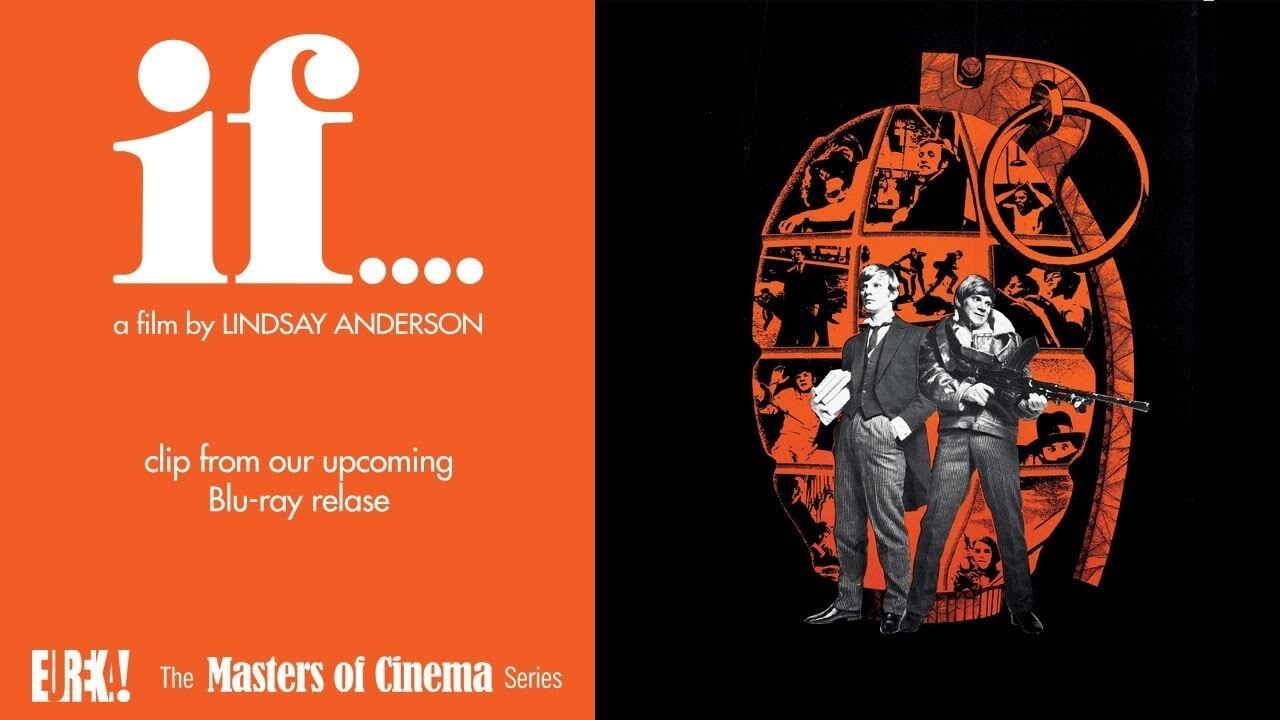
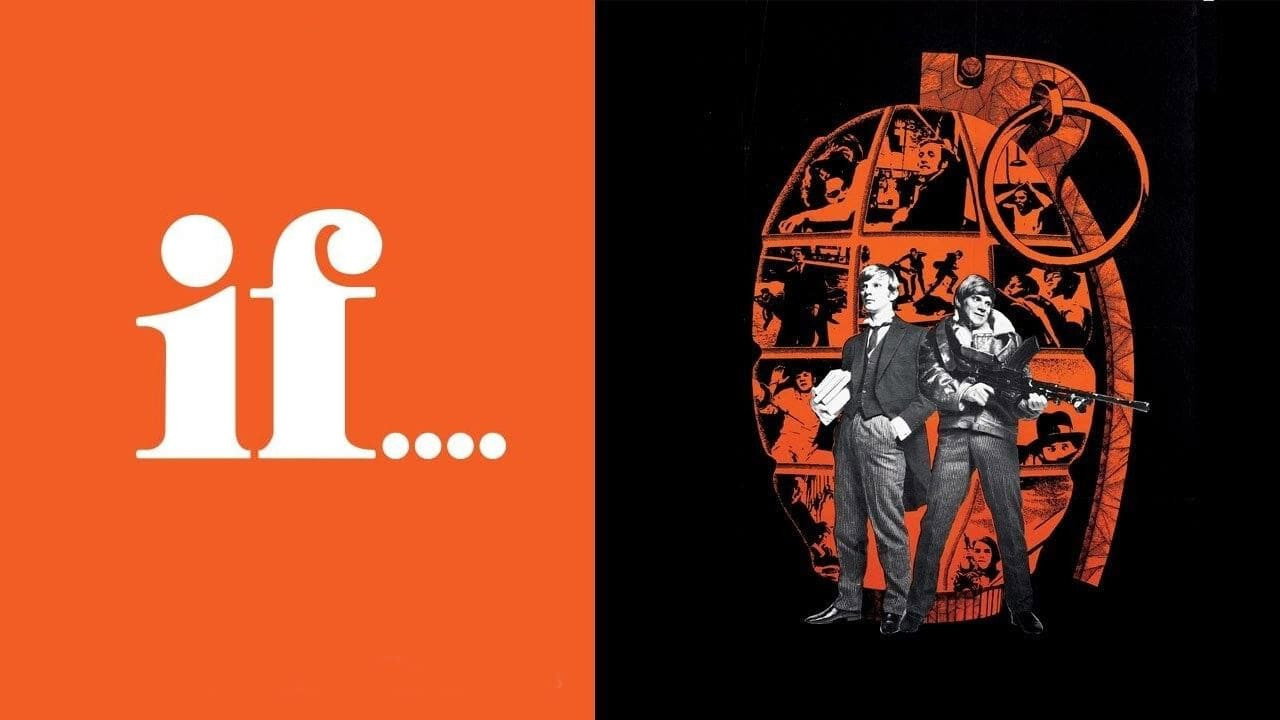
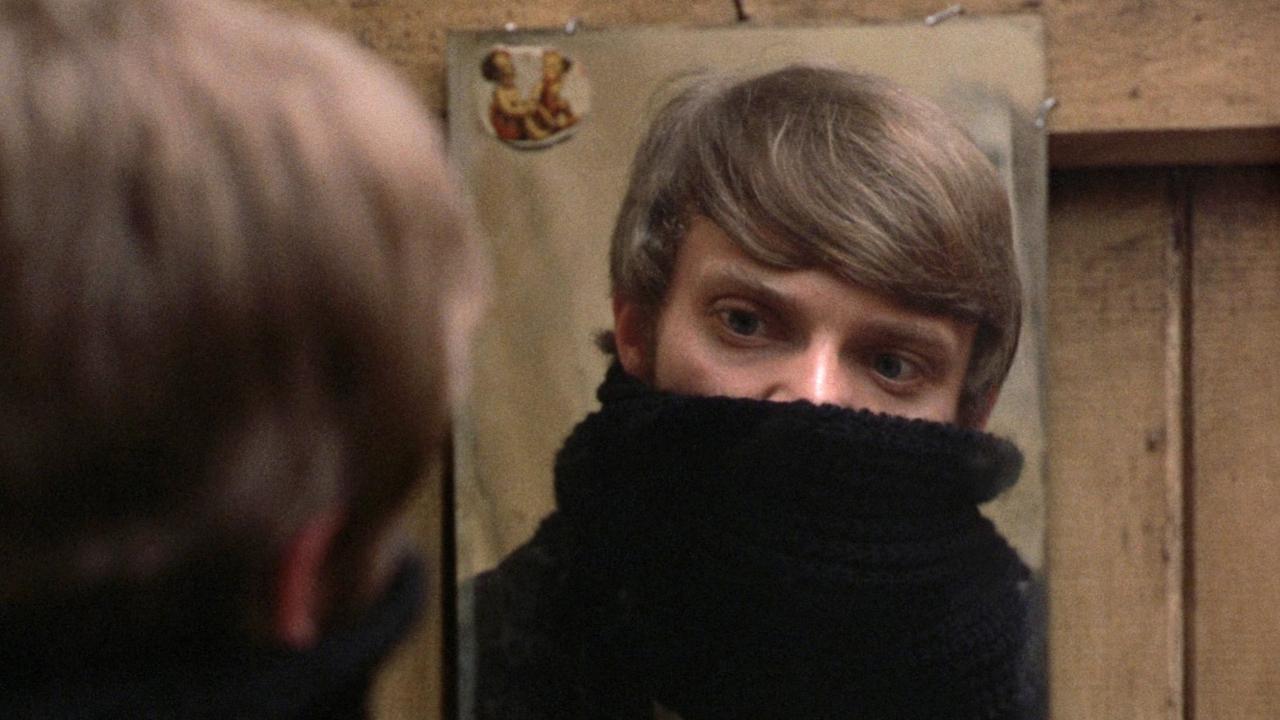
In an English boys' boarding school, social hierarchy reigns supreme and power remains in the hands of distanced and ineffectual teachers and callously vicious prefects in the Upper Sixth. Three Lower Sixth students, Wallace, Johnny and leader Mick Travis decide on a shocking course of action to redress the balance of privilege once and for all.
“Which side will you be on?”
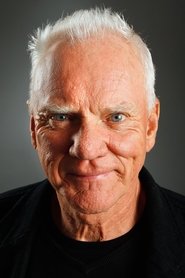
Malcolm McDowell
Mick Travis

David Wood
Johnny Knightly
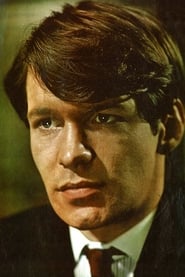
Richard Warwick
Wallace

Christine Noonan
The Girl
Rupert Webster
Bobby Phillips
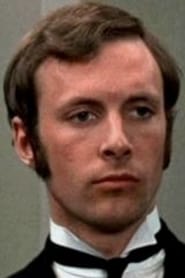
Robert Swann
Rowntree
Hugh Thomas
Denson
Michael Cadman
Fortinbras
Credits
Want more? Switch to Cinephile mode in the header for DP, composer, budget, box office, production companies, keywords, and release history.
Did you know?
Did you know
Shot for just $0.5M — micro-budget by Hollywood standards.
Did you know
Made its money back 9.2× over at the box office.
Did you know
58 years old — a genuine piece of film history.
Did you know
Dialogue crosses 2 languages: English, Latin.
Did you know
Part of the "Mick Travis Collection" — so the characters or world continue elsewhere.
Did you know
Directed by Lindsay Anderson, shot by Miroslav Ondříček. Note their partnership — DPs and directors often return to each other across a career.
Did you know
Original score by Marc Wilkinson. Worth a dedicated listen after — most great films lose half their impact without the score.
Did you know
Editor David Gladwell shaped the rhythm. On an edit-heavy film, the editor does more to control your pulse than the director.
Cinephile deep dive
Lindsay Anderson directs. Miroslav Ondříček behind the camera. Marc Wilkinson scores. David Gladwell cuts. Made its budget back several times over at the box office. Produced in United Kingdom. Dialogue in English, Latin.
Trivia
Awards
Individual records documented via Wikidata; the summary above may count more.
Part of
In the powder-keg political environment of the late sixties, Lindsay Anderson launched a pop-culture Molotov cocktail into British cinemas with his stunningly subversive If…., an anarchic vision of rebellion at a British boarding school starring Malcolm McDowell as the everyman turned guerrilla revolutionary Mick Travis. In two subsequent films—the freewheeling anti-establishment epic O Lucky Man! and the divisive gonzo comedy Britannia Hospital—Anderson and McDowell continued to trace the story of the Travis character and his outlandish adventures in a through-the-looking-glass England.
Also by
Stills · wallpapers
Full-resolution frames — open one to save it as a wallpaper.
Trailers & featurettes
Community reviews
Released in 1968, directed by Lindsay Anderson with a screenplay by David Sherwin, <i>If....</i> is a story of three non-conformist schoolboys played by Malcolm McDowell, Richard Warwick and David Wood, who plot revenge. Organized as a series of tableaux separated by title cards, IF... spends its first half depicting the harsh rules that these boys live under at their elite public school, and the arbitrary punishments given out by senior boys, headed by the sinister Rowntree (Robert Swann) and the distant school officials. This is all in an environment of bizarre old rituals, Latin refrains, and hardly more intelligible English public school slang (and of course, it wouldn't be a classic story of British public school life without some innuendo about buggery.) In the second half of <i>If....</i>, as the storytelling takes on an increasingly surreal tone where we question what is real and what is fantasy, the boys and a girl from town get their hands on weapons and ultimately commit a massacre. The 1960s was a time of war in Vietnam (and other violent conflicts brought to viewers globally by the media) and youth uprisings in the United States and France. Plus, these elite British school also featured compulsory military drill. In <i>If....</i>, the walls of these boys' dormitory is covered with magazine cutouts of war photographs, as if to say that in a violent world, it is no surprise if the young too made recourse to violence. In this respect it feels very much like a precursor to Aki Kaurismäki's <i>The Match Factory Girl</i>. <i>If....</i> also reflects the new sexual freedom of 1960s Britain, and the frustration kindled in these young men who see such open sexual expression in magazines and town streets but cannot have any of it. There are a number of films from this era that document the rise of a counterculture and more open attitudes, but few are as sympathetic to these young people as this film of Anderson and Sherwin. The only serious flaw of <i>If....</i> is that the main actors are too old to convincingly play teenagers, being in their mid 20s at the time of shooting. Imagine how much more shocking the film would be if it were real sixth-formers acting, though I suppose the (few) sex scenes made this impossible. Still, <i>If....</i> is deservedly a classic.
At a posh private school there is an hierarchy that sees the housemaster exercise rather arbitrary authority through his three "whips". It's usually the younger pupils they like to terrorise, but at this school there are three older men who attract their attention. There's "Mick" (Malcolm McDowell), "Johnny" (David Wood) and "Wallace" (Richard Warwick) and led by the former, they have little interest in conforming with the expectations of the establishment. Amidst this culture of bully or be bullied, there is also some military training provided and it's this that sparks an idea of a more direct form of rebellion - and when better to implement their plan than at a high ceremonial with an HRH and an army general in attendance. McDowell is at his malevolently mischievous best here as he exudes a spirit of belligerent bloody-mindedness that shines quite a light on the toxic atmosphere at a place of learning where individuality was distinctly frowned upon. That's not just individuality of thought and mind, but there are also asides made to sexuality as "Wallace" has a lot less interest in their new friend from the tea bar (Christine Noonan) and she has quite a bit more enthusiasm for "Mick". Though the brutality of the daily behaviour isn't explicitly displayed, there's little left to our imagination and by the end it's quite clear that writer David Sherwin is taking a swipe not just at the privilege on display here, but about the broader societal attitudes to class rather than merit. There's a fairly solid array of supporting effort on display here, too, with many characterisations firmly propping up the out-dated notions of perpetuating the status quo and inherited entitlement that help this thought-provoking story stand out.
Production companies
Memorial Enterprises
Themes & keywords
Release history · US
Also known as