

1 / 8
ERA
Did you know
67 years old — a genuine piece of film history.
MoodPlayr · trivia#01
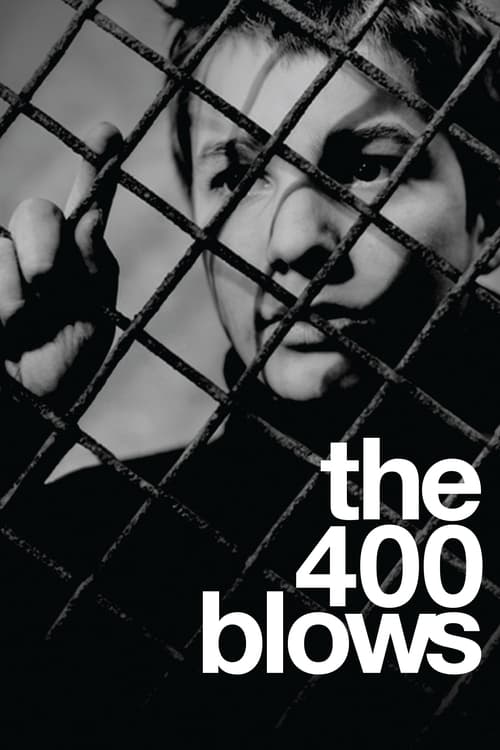
"Angel faces hell-bent for violence."
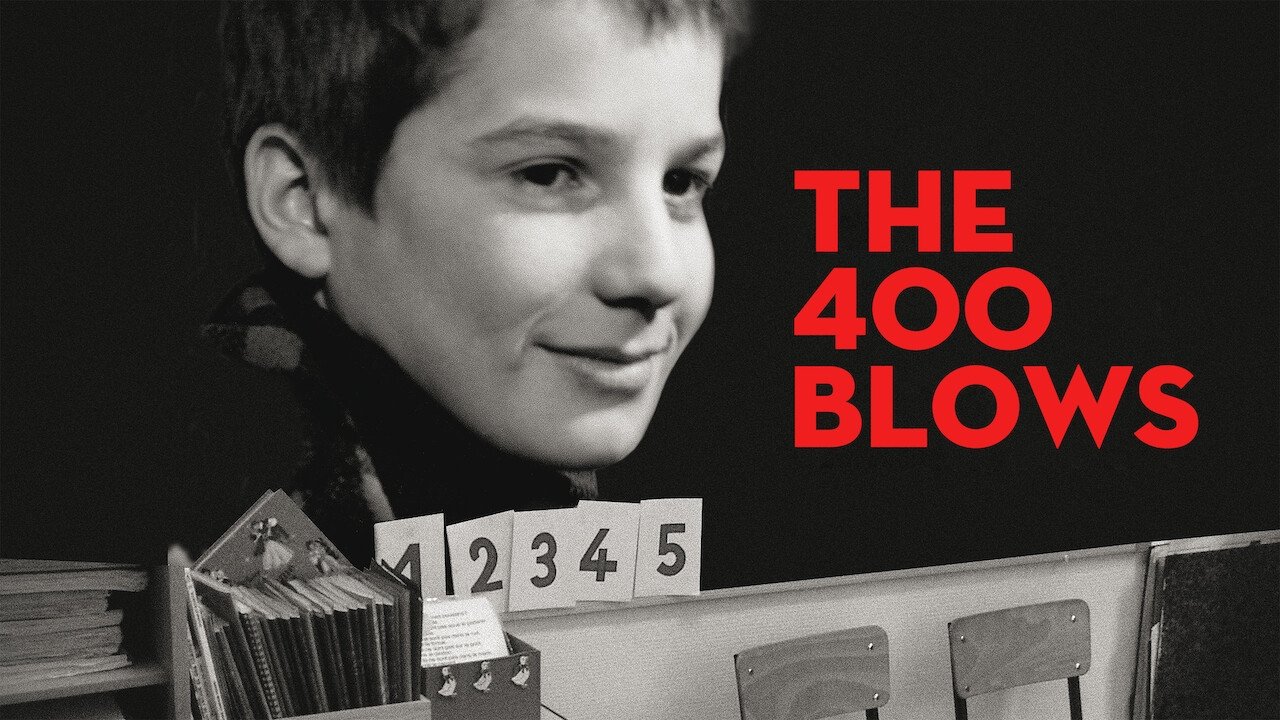
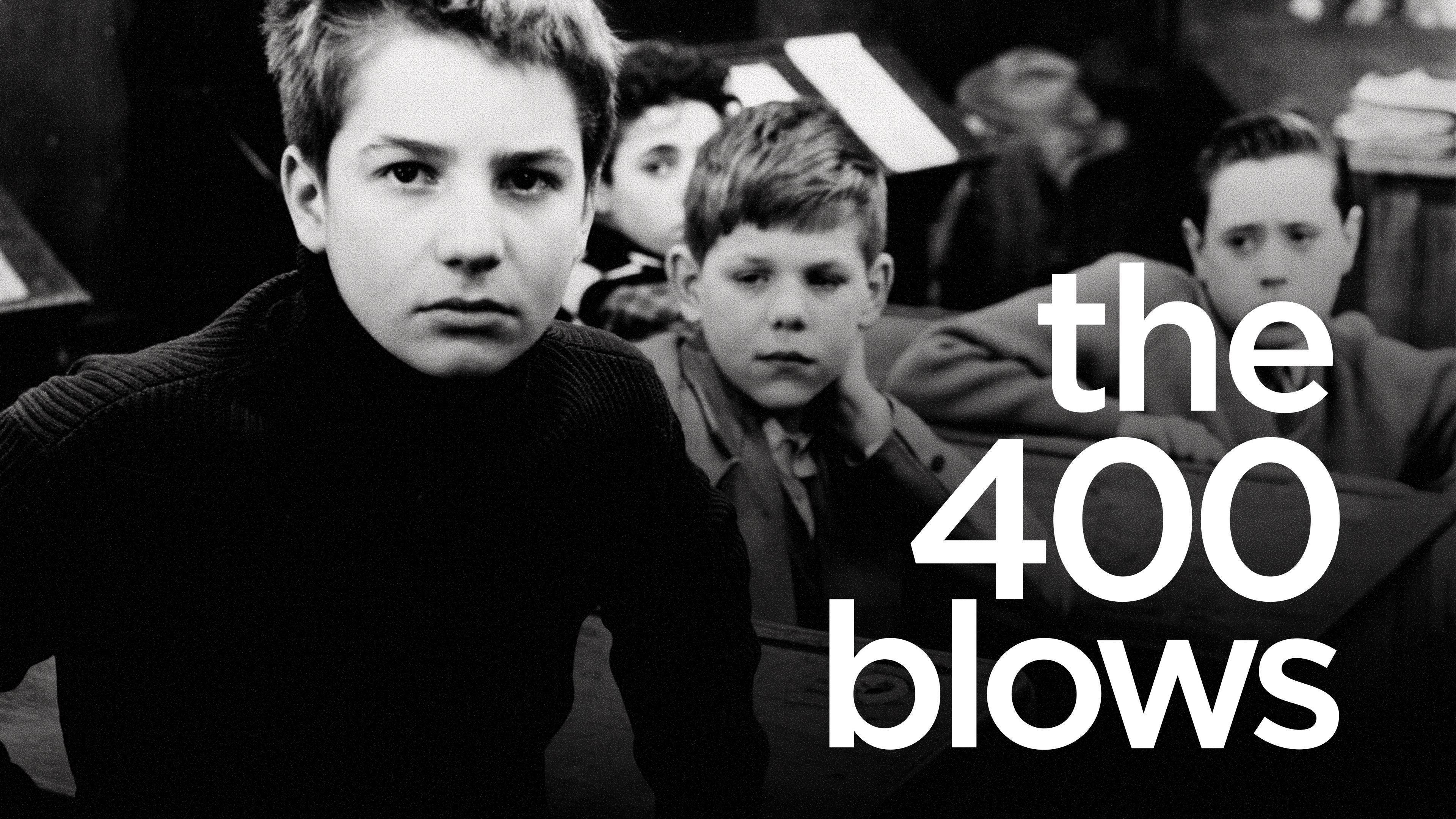
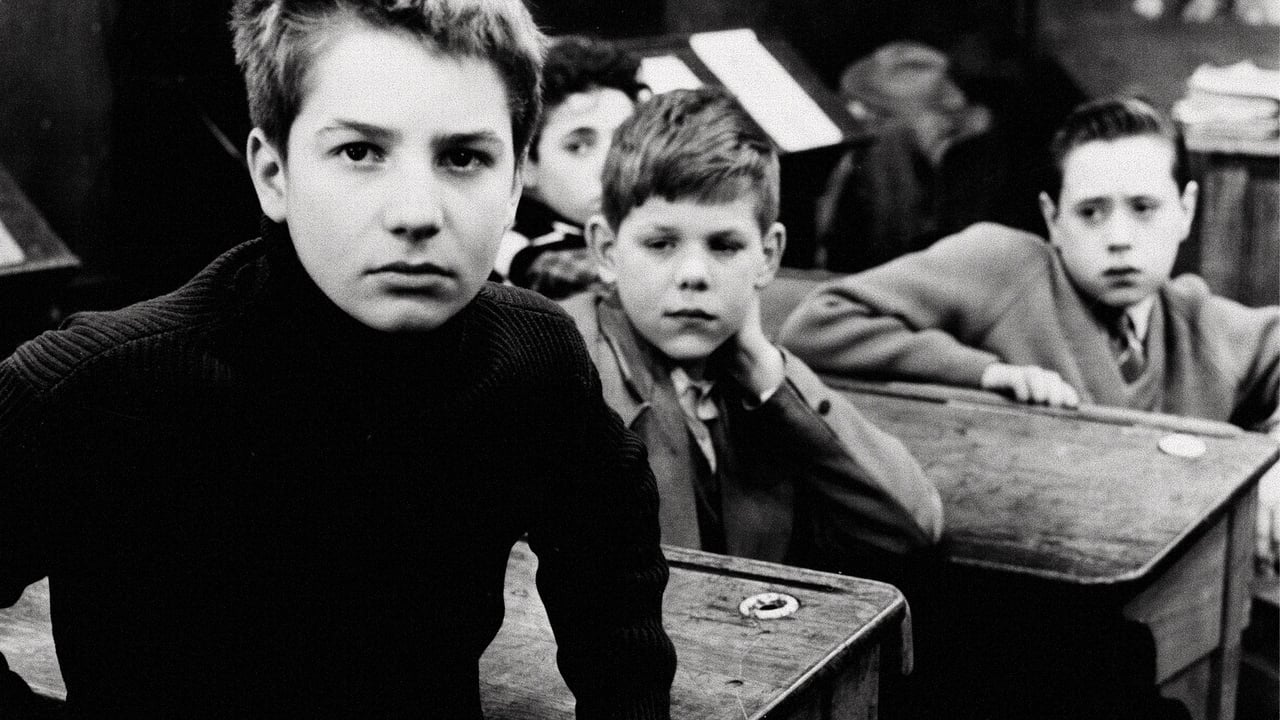
For young Parisian boy Antoine Doinel, life is one difficult situation after another. Surrounded by inconsiderate adults, including his neglectful parents, Antoine spends his days with his best friend, Rene, trying to plan for a better life. When one of their schemes goes awry, Antoine ends up in trouble with the law, leading to even more conflicts with unsympathetic authority figures.
“Angel faces hell-bent for violence.”

Jean-Pierre Léaud
Antoine Doinel
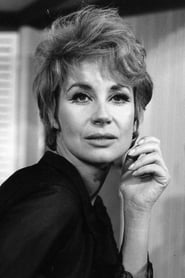
Claire Maurier
Gilberte Doinel
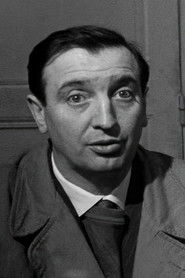
Albert Rémy
Julien Doinel

Georges Flamant
Mr. Bigey
Patrick Auffay
René
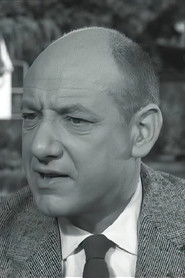
Robert Beauvais
Directeur de l'école
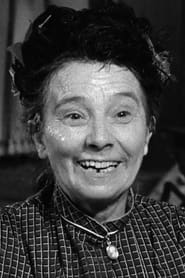
Yvonne Claudie
Mme Bigey
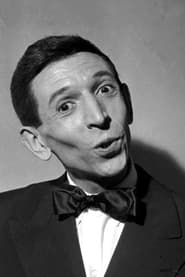
Pierre Repp
Professeur d'anglais
Credits
Want more? Switch to Cinephile mode in the header for DP, composer, budget, box office, production companies, keywords, and release history.
Did you know?
Did you know
67 years old — a genuine piece of film history.
Did you know
Dialogue crosses 2 languages: English, French.
Did you know
Part of the "The Adventures of Antoine Doinel Collection" — so the characters or world continue elsewhere.
Did you know
Directed by François Truffaut, shot by Henri Decaë. Note their partnership — DPs and directors often return to each other across a career.
Did you know
Original score by Jean Constantin. Worth a dedicated listen after — most great films lose half their impact without the score.
Did you know
Editor Marie-Josèphe Yoyotte shaped the rhythm. On an edit-heavy film, the editor does more to control your pulse than the director.
Did you know
Jean-Pierre Léaud and Claire Maurier and Albert Rémy carry the top of the cast.
Did you know
Marketing tagline: "Angel faces hell-bent for violence.".
Cinephile deep dive
François Truffaut directs. Henri Decaë behind the camera. Jean Constantin scores. Marie-Josèphe Yoyotte cuts. Runs lean at under 100 minutes. Produced in France. Dialogue in English, French.
Trivia
Part of
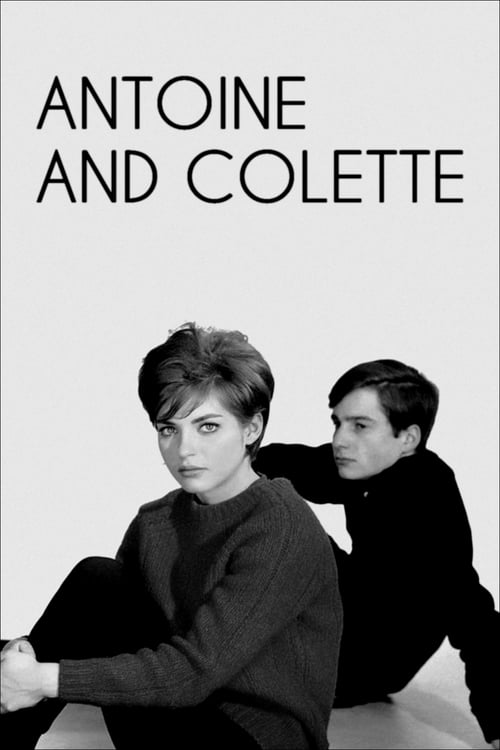
The release of François Truffaut’s The 400 Blows in 1959 shook world cinema to its foundations. The now-classic portrait of troubled adolescence introduced a major new director in the cinematic landscape and was an inaugural gesture of the revolutionary French New Wave. But The 400 Blows did not only introduce the world to its precocious director—it also unveiled his indelible creation: Antoine Doinel. Initially patterned closely after Truffaut himself, the Doinel character (played by the irrepressible and iconic Jean-Pierre Léaud) reappeared in four subsequent films that knowingly portrayed his myriad frustrations and romantic entanglements from his stormy teens through marriage, children, divorce, and adulthood.
Also by
Stills · wallpapers
Full-resolution frames — open one to save it as a wallpaper.
Trailers & featurettes
Community reviews
Jean-Pierre Léaud is super in this story of a troubled young lad who goes from having troubles at school to petty crime, all under the not so very watchful gazes of his adulteress mother (Claire Maurier) and happy-go-lucky father (Albert Rémy) who spend most of their time squabbling with each other. When his antics finally attract the attention of the police, they decide that maybe some time in juvenile detention might not do him any harm so off he goes - but he is not there for long! It's an episodic story that raises laughs and heckles in equal measure. You cannot help but like this tearaway. It's not so much that he wants attention (though he certainly does), it is that he is has initiative. He is bored; bored of his constantly rowing parents, of the teachers who don't really care about him. He is mischievous, he likes having fun - especially with his pal "René" (Patrick Auffay) with whom he has a few escapades and even lives for a short time. Theft is a serious matter but somehow when he pinches a typewriter from his dad's office - one that doesn't work, by the way, it has to make you smile. The ending features one of these scenes from a film that you will never forget. It is simple, and it's that simplicity coupled with this young boy's charming and enthusiastic performance that makes this film memorable, enjoyable and probably my favourite from François Truffaut.
Production companies

Les Films du Carrosse
FR
Sédif Productions
FR
Themes & keywords
Release history · US
Also known as