1 / 8
RUNTIME
Did you know
Tight 78-minute runtime — shorter than most television pilots.
MoodPlayr · trivia#01
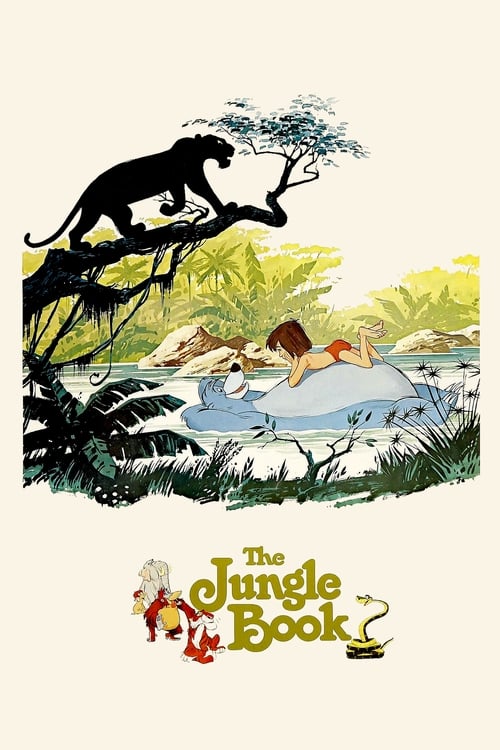
"The Jungle is JUMPIN'!"
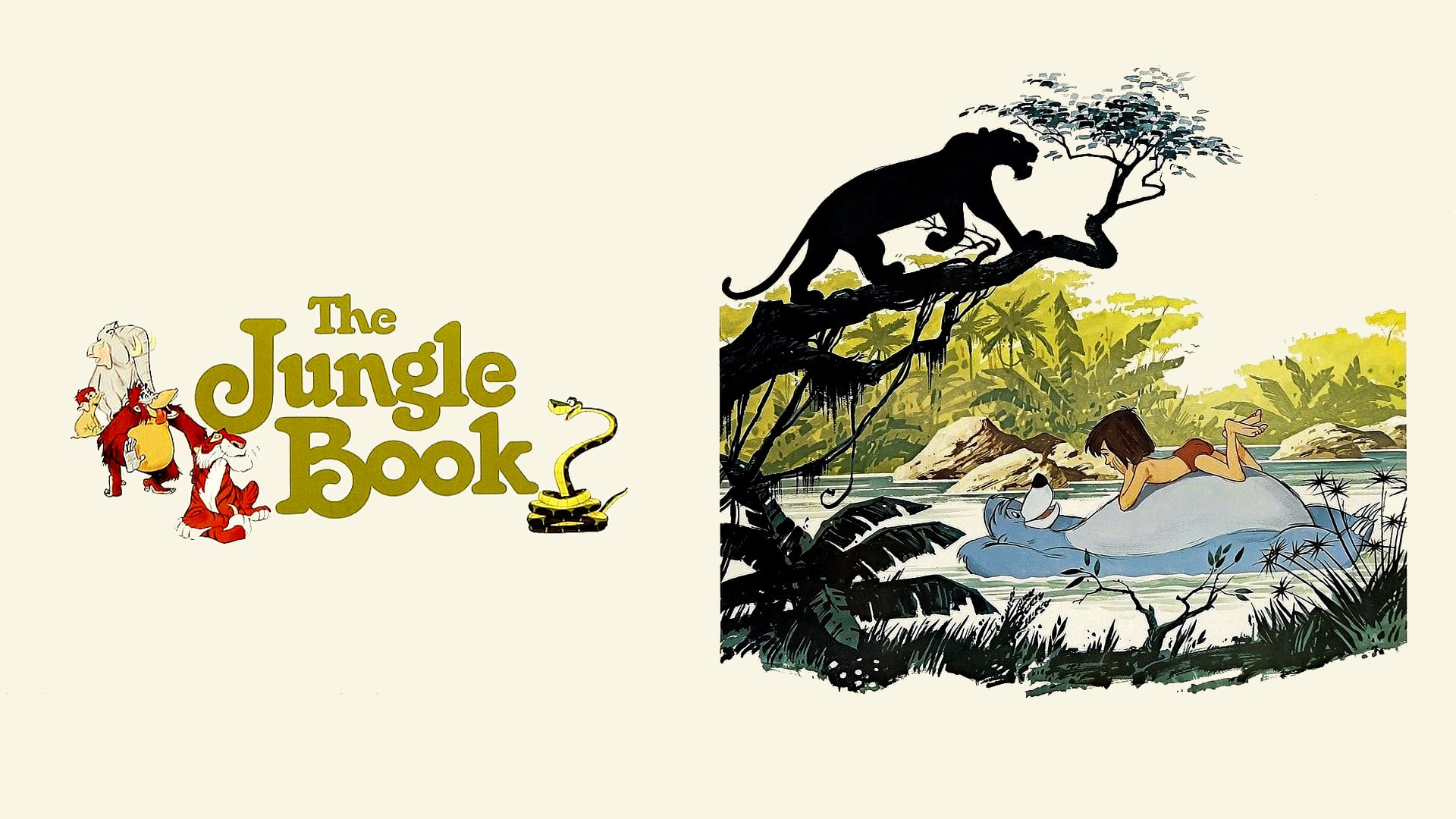
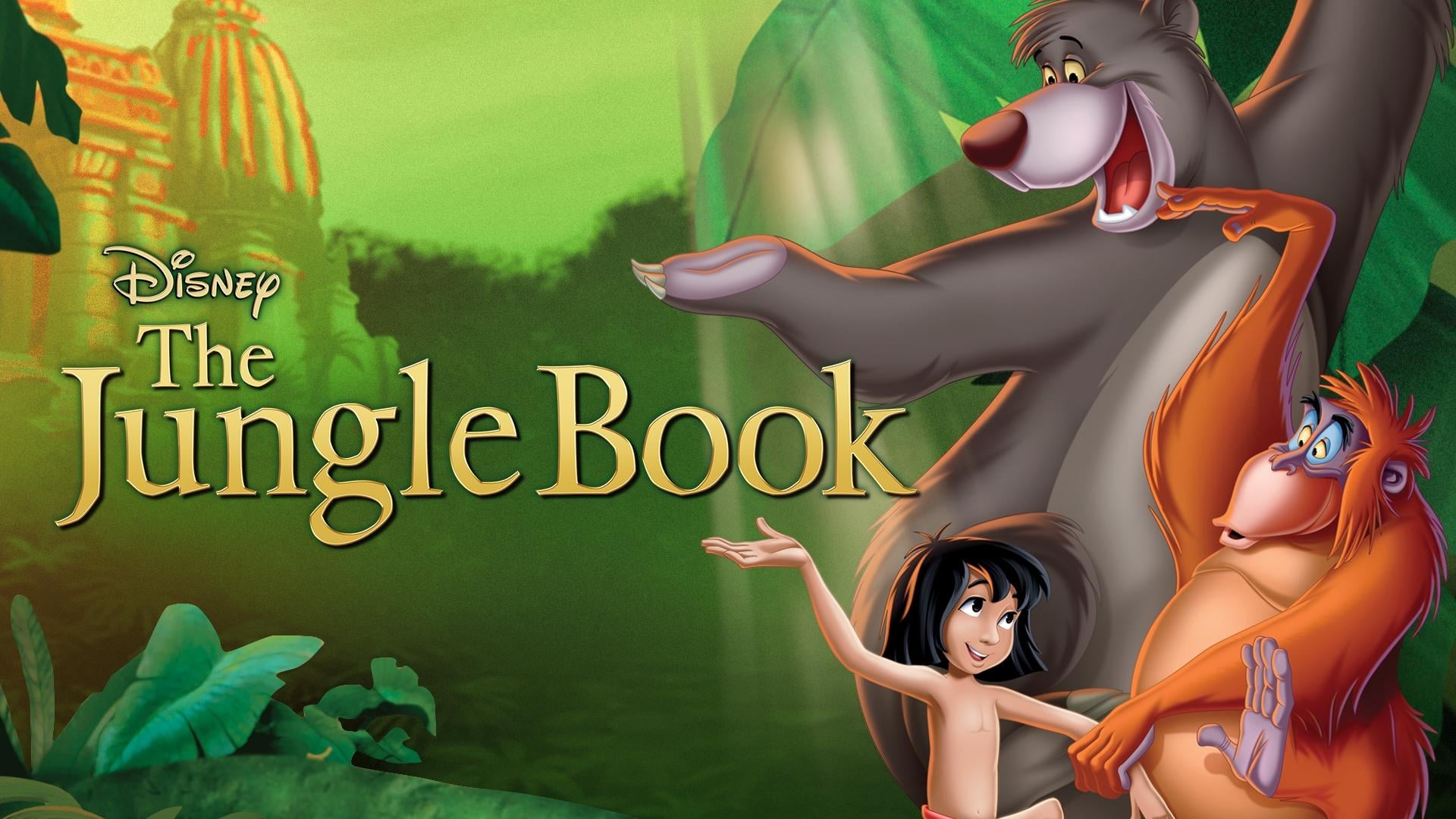
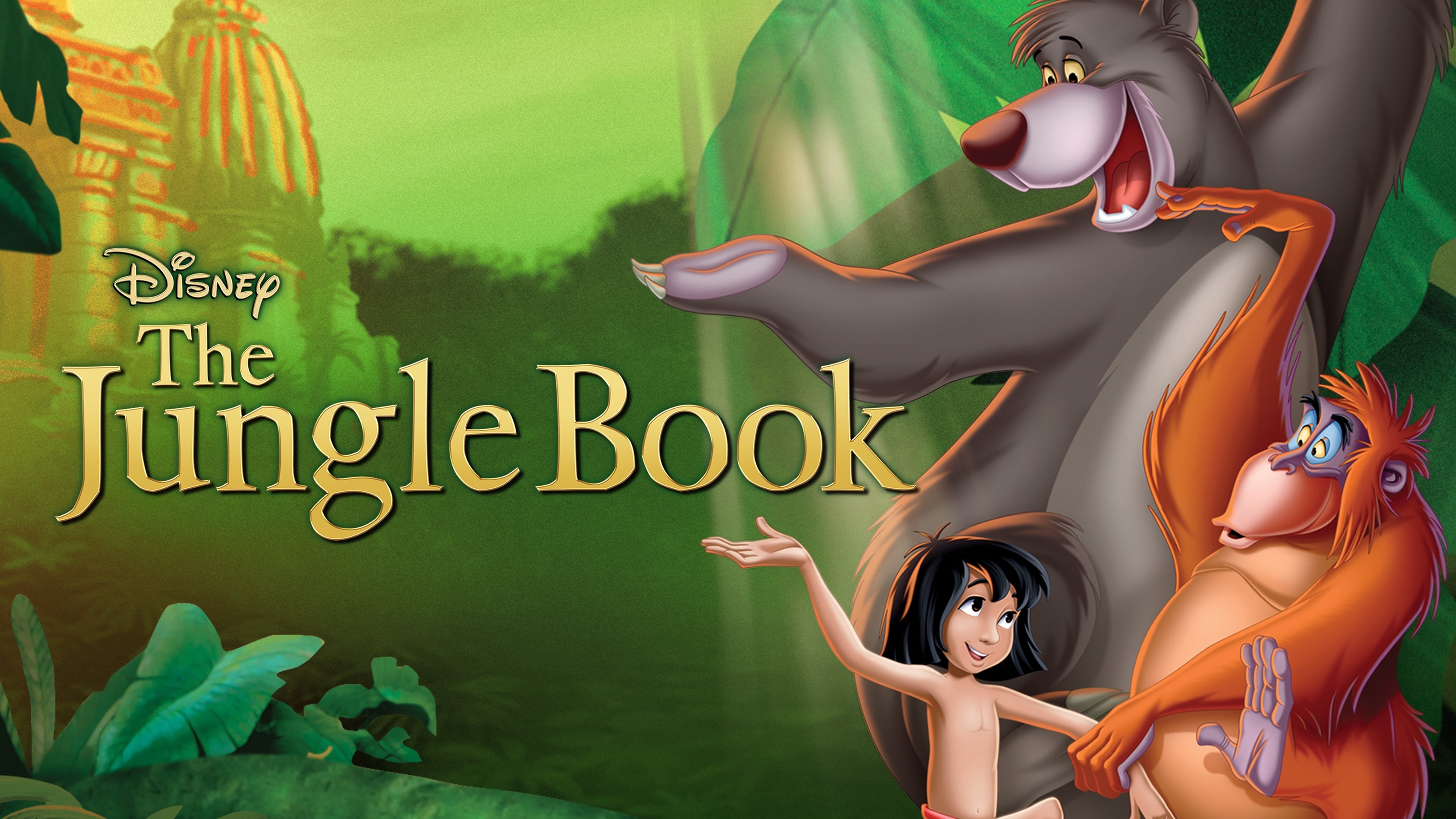
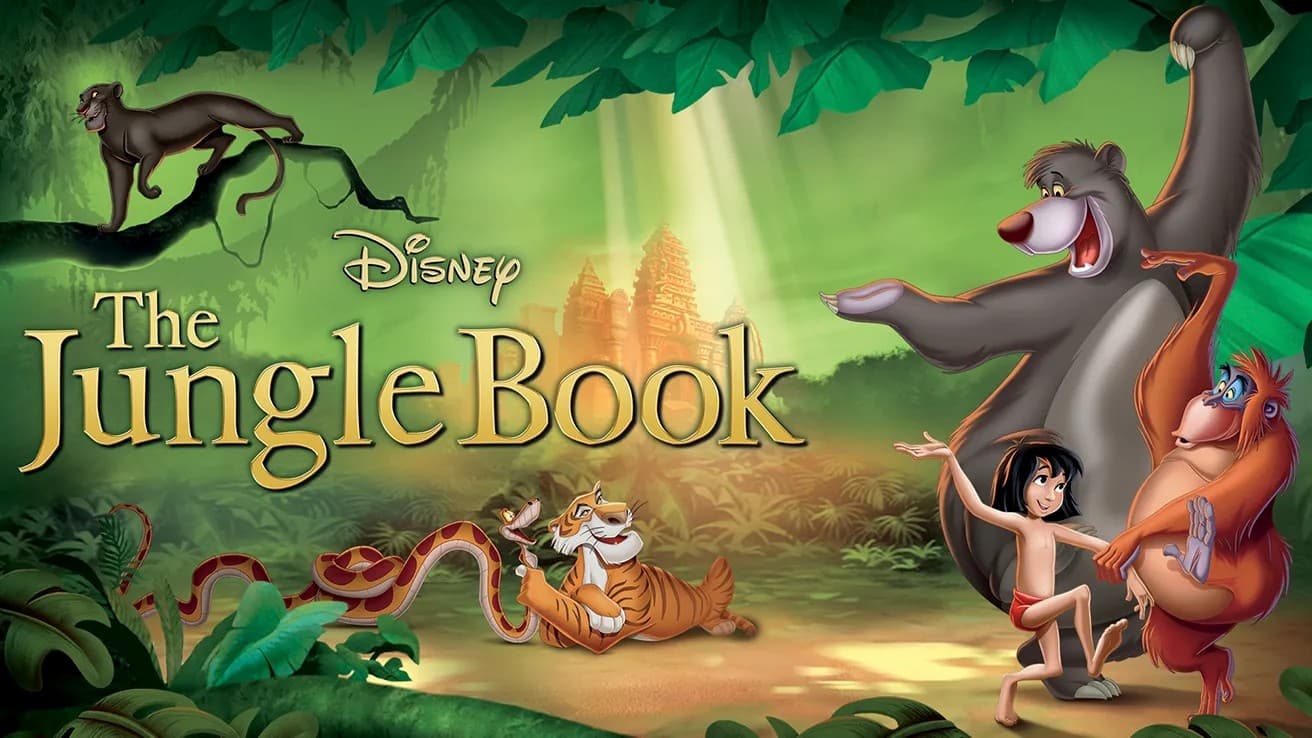
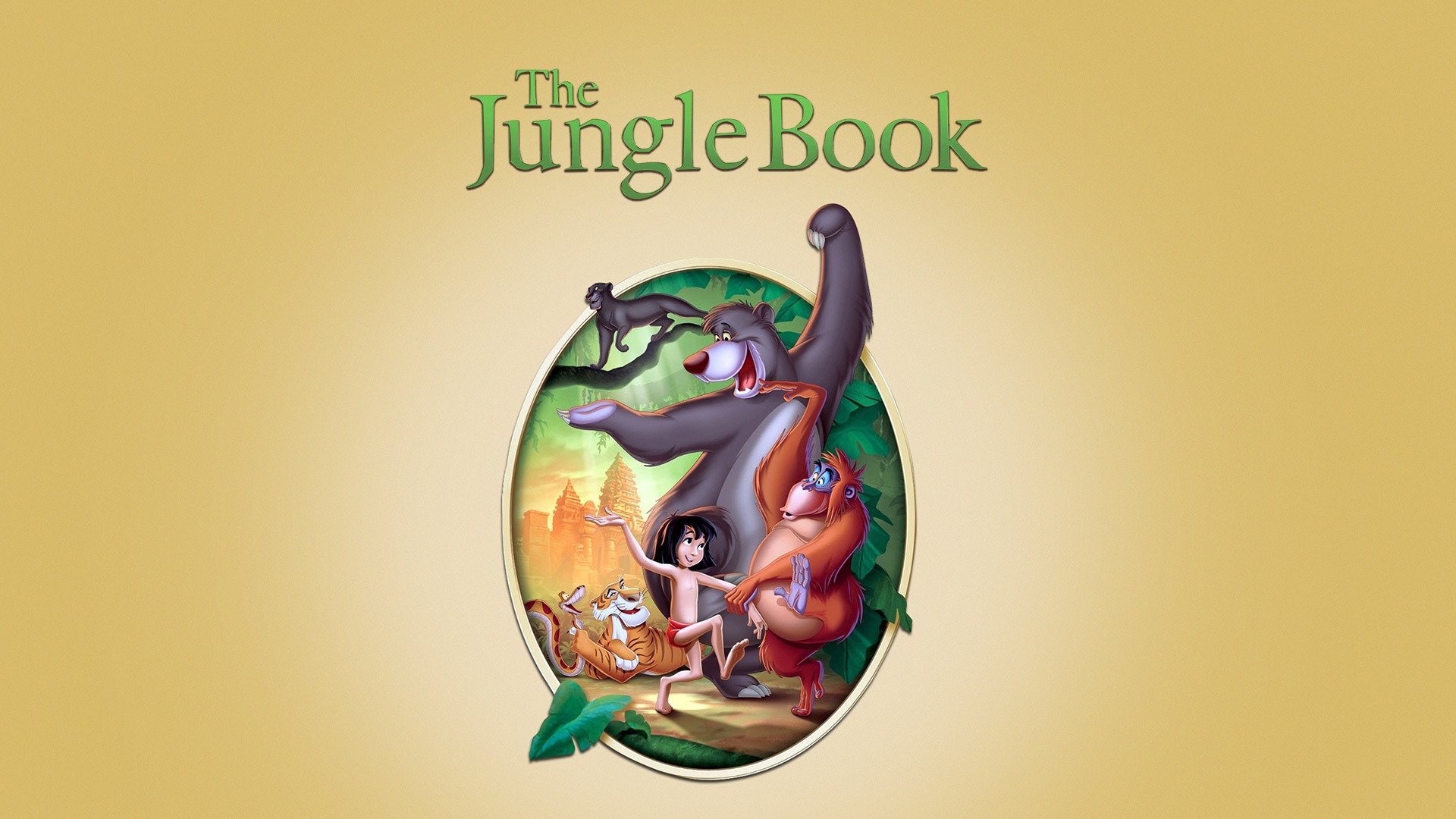
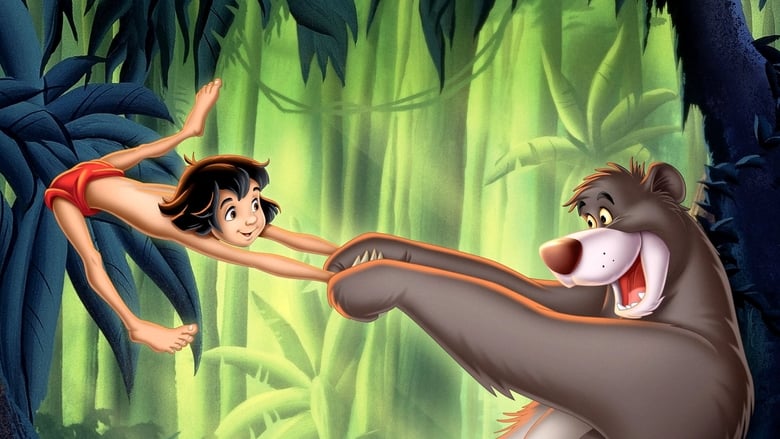
The boy Mowgli makes his way to the man-village with Bagheera, the wise panther. Along the way he meets jazzy King Louie, the hypnotic snake Kaa and the lovable, happy-go-lucky bear Baloo, who teaches Mowgli "The Bare Necessities" of life and the true meaning of friendship.
“The Jungle is JUMPIN'!”

Bruce Reitherman
Mowgli the Man Cub (voice)

Phil Harris
Baloo the Bear (voice)
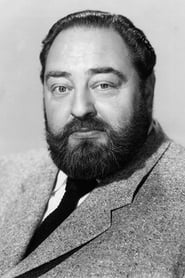
Sebastian Cabot
Bagheera the Panther (voice)
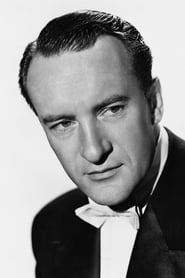
George Sanders
Shere Khan the Tiger (voice)
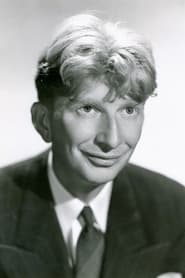
Sterling Holloway
Kaa the Snake (voice)
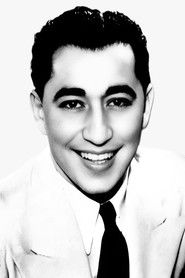
Louis Prima
King Louie of the Apes (voice)
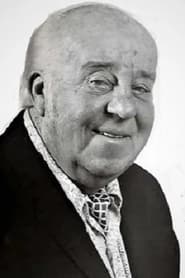
J. Pat O'Malley
Col. Hathi the Elephant / Buzzie (voice)

Clint Howard
Junior (voice)
Credits
Want more? Switch to Cinephile mode in the header for DP, composer, budget, box office, production companies, keywords, and release history.
Did you know?
Did you know
Tight 78-minute runtime — shorter than most television pilots.
Did you know
Shot for just $4.0M — micro-budget by Hollywood standards.
Did you know
Grossed $378M — a 94.5× return. The kind of profit studios chase for a decade.
Did you know
59 years old — a genuine piece of film history.
Did you know
Part of the "The Jungle Book Collection" — so the characters or world continue elsewhere.
Did you know
Original score by George Bruns. Worth a dedicated listen after — most great films lose half their impact without the score.
Did you know
Editor Tom Acosta shaped the rhythm. On an edit-heavy film, the editor does more to control your pulse than the director.
Did you know
Bruce Reitherman and Phil Harris and Sebastian Cabot carry the top of the cast.
Cinephile deep dive
Wolfgang Reitherman directs. George Bruns scores. Tom Acosta cuts. Runs lean at under 100 minutes. Made its budget back several times over at the box office. Produced in United States of America. Dialogue in English.
Trivia
Awards
Nominated for 1 Oscar. 6 wins & 4 nominations total
Part of
Collection of animated The Jungle Book films from Disney.
Also by
Stills · wallpapers
Full-resolution frames — open one to save it as a wallpaper.
Trailers & featurettes
Community reviews
Good watch, might watch again, and can recommend if you've seen any other version or are looking for a writing analysis. During a lot of the movie, I was kind of in nostalgia mode, remember things I saw / felt when I was a kid, just sort of enjoying the way back machine experience. It wasn't until almost the very last scene that it clicked how good the writing is in this. I know this is known for the excellent animation styling, the catchy tunes, and charming coming of age semantics, but this uses several strong formulas that have been used since Aesop's fables. And that's what made me realize the writing quality, I felt as if I was watching an on fable with moral lessons of consequence. Up until that point I was mentally preparing how this 1967 animation is actually a perfect metaphor for 2020 entitled child entering the real world: never being told no, even to the threat of great, potentially lethal, loss because even in the face of danger, they've been taught that they deserve, even in the logic that it can't be true on both sides though both believe that. Hmmm, that sounds a lot like religious war. Digressing back to the writing: Mowgli embodies naivety, narcissism, entitlement, whatever you would like to call as he's a victim / ward of extreme chances of compassion: he just happens to luck into survival wherever he goes. While Tarzan makes more sense, this is character development for the series of situations (each one their own potential fable) with the main character shifting to and fro from Bagera to Mowgli to Balloo, each one being taught lessons as the adventure continues. With the representation of the jungle and the adversities that Mowgli faces, Mowgli slowly learns what Bagera and Baloo both know: most people are only interested in their own interests, but sometimes those that have enough can be in a position to help others. The xenoism (racism) that Sher Khan has for Mowgli as a human is enough for these predators give up his companionship to help him to the man-village. The really odd lesson is that Mowgli embraces the self-interest needed in the jungle, despite dialogue to the contrary.
This has probably the most perfect balance of story and soundtrack of any film I've ever seen - animated or otherwise. Adapting Rudyard Kipling's tale of "Mowgli" the child abandoned in the Indian jungle, but rescued and raised by a family of wolves. "Bagheera", the sagacious panther realises as the boy starts to grow to manhood, that he ought to return to his own kind but "Baloo", the avuncular bear thinks otherwise and so takes our young man-cub on some fun adventures in the jungle - including some near-misses with the wonderfully menacing, sardonic tiger "Shere Khan" and "Kaa" the hypnotic python. The voice cast - especially Phil Harris as the bear and George Sanders as the tiger are great; Louis Prima as "Louie" the King of the Apes provides us with one of the best songs ever to feature in a Disney film - and the Sherman brothers provide a great slew more of them for us to enjoy, too. The detail in the animations and the humour in the script are super - this really is a must watch.
Production companies

Walt Disney Productions
US
Themes & keywords
Release history · US
Also known as
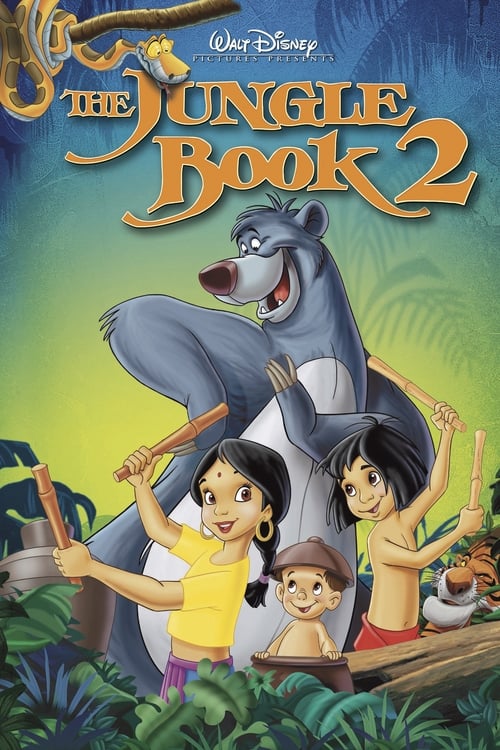 Movie
Movie2003
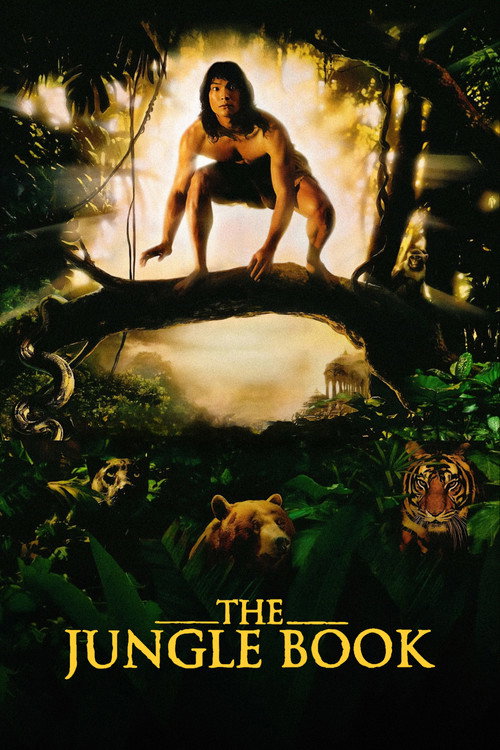 Movie
Movie1994
 Movie
Movie2016
 Movie
Movie2000
 Movie
Movie2009
 Movie
Movie1999
 Movie
Movie2022
 Movie
Movie2013
 Movie
Movie2009
 Movie
Movie2000