

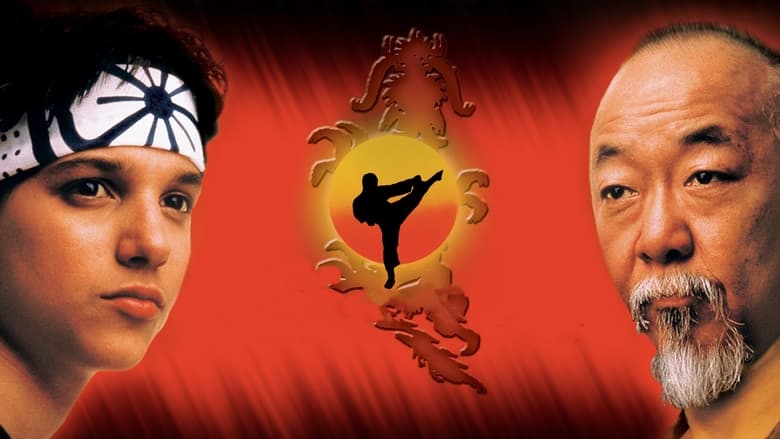
1 / 8
MONEY
Did you know
Made its money back 8.9× over at the box office.
MoodPlayr · trivia#01
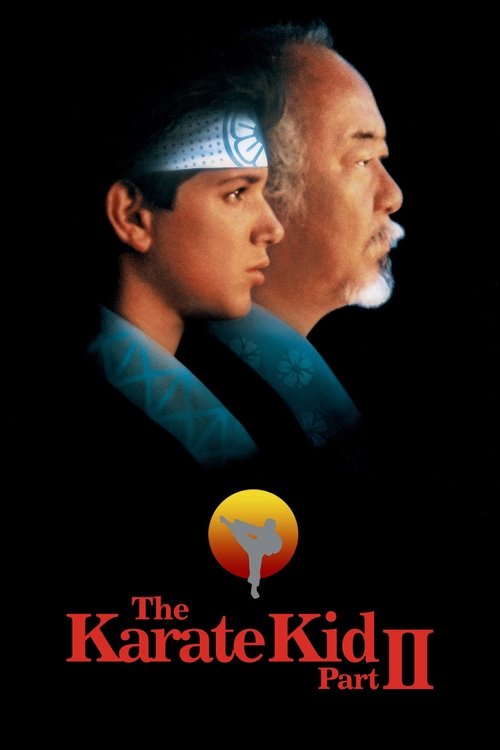
"One more lesson to share. The price of honor. The power of friendship. And the way you must fight when only the winner survives."
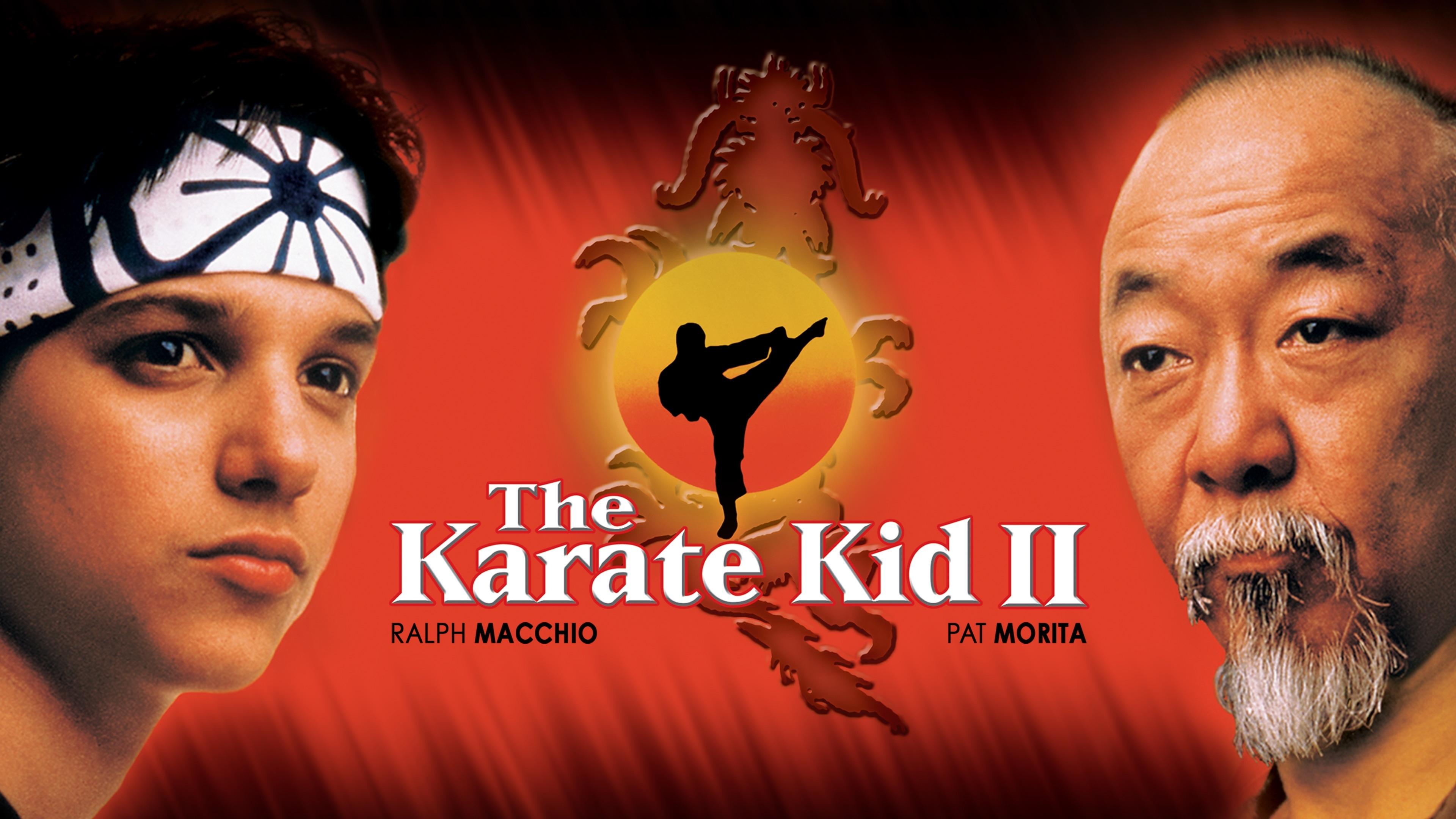
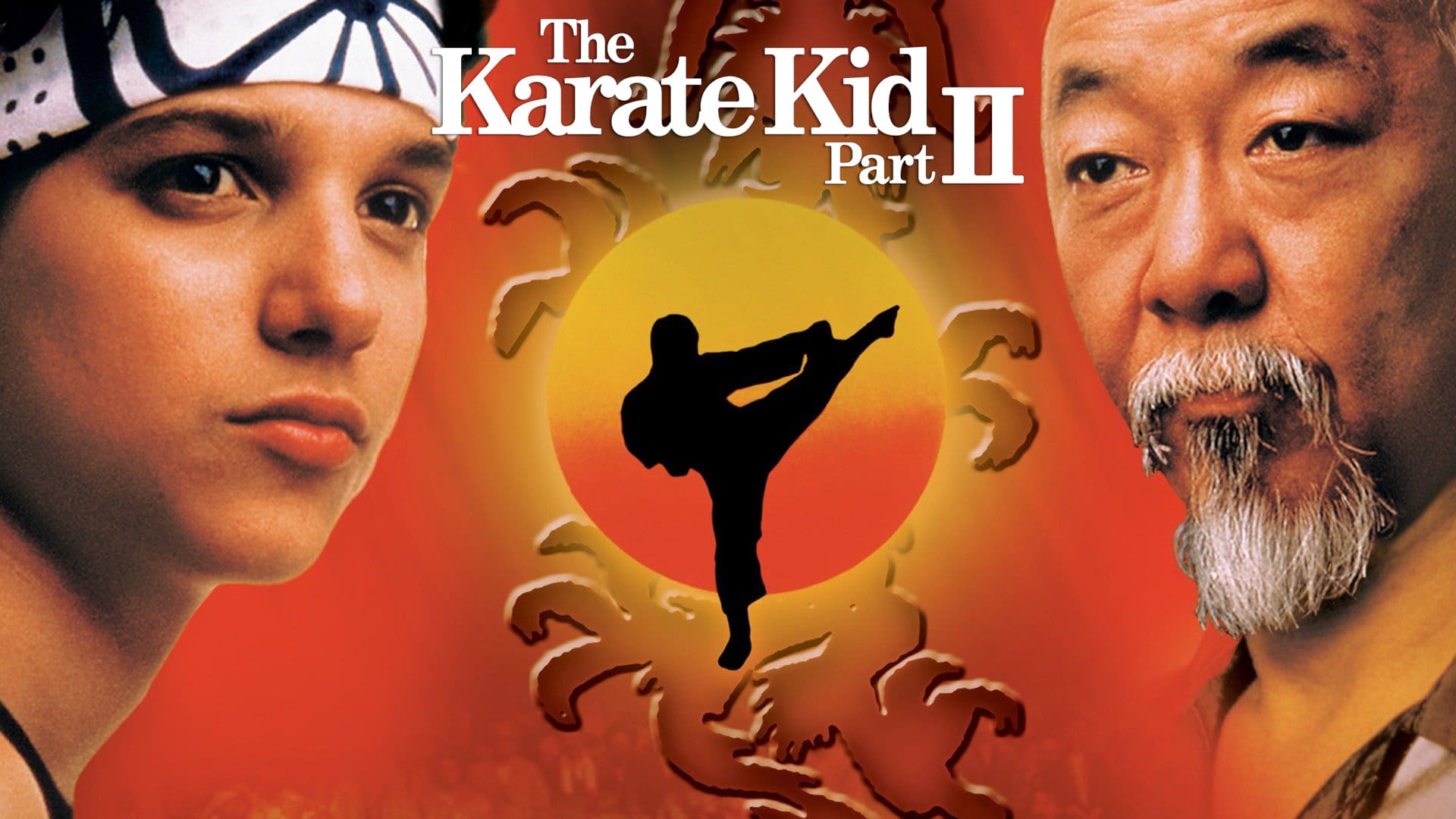
Summoned by his dying father, Miyagi returns to his homeland of Okinawa, with Daniel, after a 40-year exile. There he must confront Yukie, the love of his youth, and Sato, his former best friend turned vengeful rival. Sato is bent on a fight to the death, even if it means the destruction of their village. Daniel finds his own love in Yukia's niece, Kumiko, and his own enemy in Sato's nephew, the vicious Chozen. Now, far away from the tournaments, cheering crowds and safety of home, Daniel will face his greatest challenge ever when the cost of honor is life itself.
“One more lesson to share. The price of honor. The power of friendship. And the way you must fight when only the winner survives.”
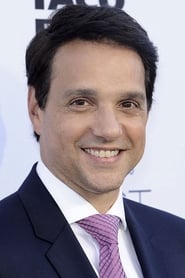
Ralph Macchio
Daniel
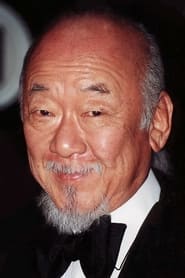
Pat Morita
Miyagi

Danny Kamekona
Sato
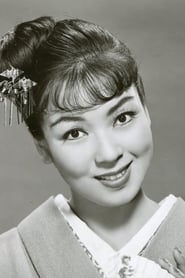
Nobu McCarthy
Yukie
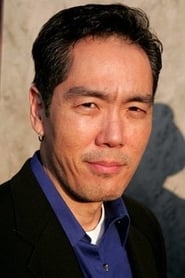
Yuji Okumoto
Chozen

Tamlyn Tomita
Kumiko

Joey Miyashima
Toshio
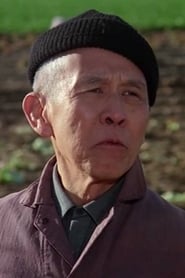
Arsenio Trinidad
Ichiro
Credits
Want more? Switch to Cinephile mode in the header for DP, composer, budget, box office, production companies, keywords, and release history.
Did you know?
Did you know
Made its money back 8.9× over at the box office.
Did you know
40 years old — old enough to be someone's favourite childhood film.
Did you know
Dialogue crosses 2 languages: English, Japanese.
Did you know
Part of the "The Karate Kid Collection" — so the characters or world continue elsewhere.
Did you know
Directed by John G. Avildsen, shot by James Crabe. Note their partnership — DPs and directors often return to each other across a career.
Did you know
Original score by Bill Conti. Worth a dedicated listen after — most great films lose half their impact without the score.
Did you know
Editor John G. Avildsen shaped the rhythm. On an edit-heavy film, the editor does more to control your pulse than the director.
Did you know
Ralph Macchio and Pat Morita and Danny Kamekona carry the top of the cast.
Cinephile deep dive
John G. Avildsen directs. James Crabe behind the camera. Bill Conti scores. John G. Avildsen cuts. Made its budget back several times over at the box office. Produced in United States of America. Dialogue in English, Japanese.
Trivia
Awards
Nominated for 1 Oscar. 4 wins & 3 nominations total
Individual records documented via Wikidata; the summary above may count more.
Part of
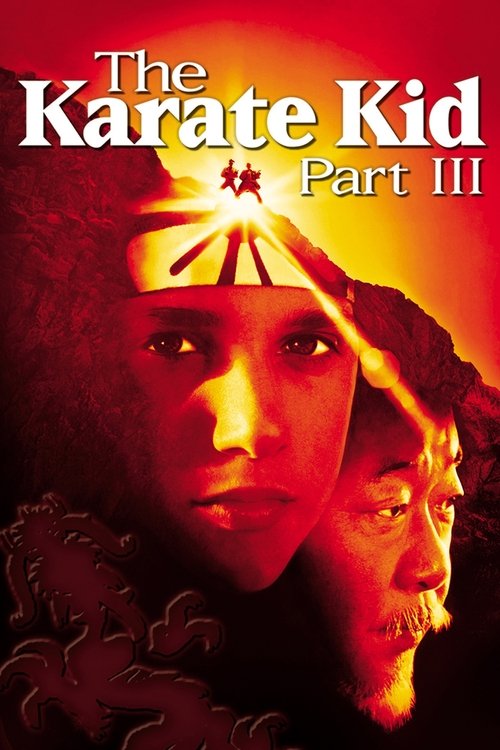
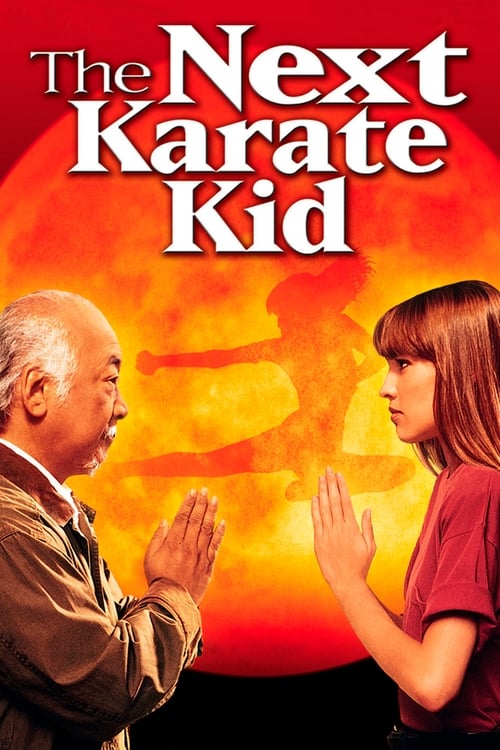
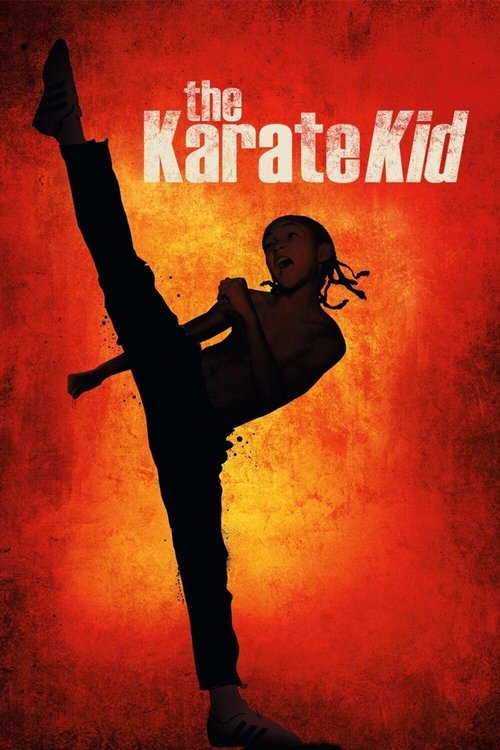
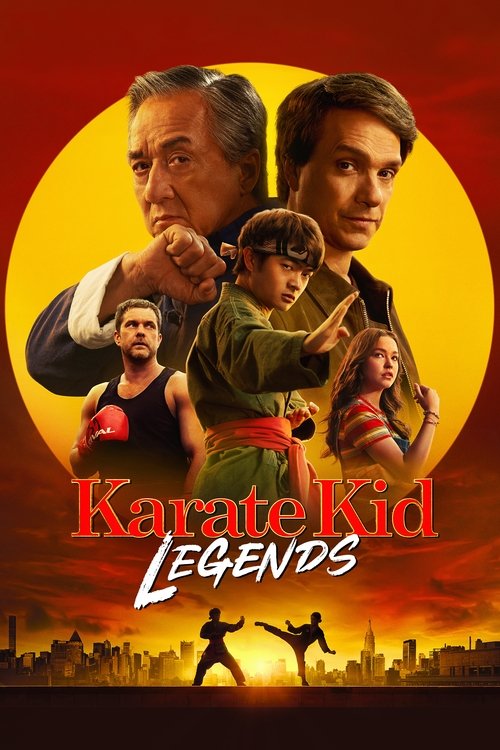
The first three films follow Daniel LaRusso, who learns to use karate for good under the eccentric mentorship of a janitor named Mr. Miyagi. In the fourth and final installment of the original series, Mr. Miyagi becomes the guardian of his late friend's granddaughter in an effort to steer her away from trouble. A new era introduces new rivals and new characters. In the fifth film, Mr. Han, a kung fu master, passes his wisdom to his new student, Dre. In Karate Kid: Legends, the two continuities merge when the main character, Li, is trained by both Mr. Han and the original Karate Kid, Daniel LaRusso.
Also by
Stills · wallpapers
Full-resolution frames — open one to save it as a wallpaper.
Trailers & featurettes
Community reviews
A disappointment. I gained nothing from <em>'The Karate Kid Part II'</em>, it adds very little to the original. Pat Morita (Mr. Miyagi) is the only plus point for me, he especially has one great and emotional scene with his co-star. Otherwise, no-one else stands out - not even (the still solid) Ralph Macchio (Daniel). Up until the ending I was actually nonplussed about it, neither liking or disliking it, but the conclusion is so uninteresting and lame that I just couldn't wait for 'The End' to appear. I will say it isn't an excruciating watch or anything, but I just expected a great deal more from this sequel. It doesn't feel attached to the first film, which is obviously a negative. Other things that didn't help were the shoehorning out of Elisabeth Shue (Ali) & Randee Heller (Lucille) and the repetitive nature of the story; e.g. another love story that features a jock-like character, Daniel still getting battered and bruised for the majority. Hopefully the next two follow-ups are much better.
A worthy continuation. After the great success of the first film, it was quite predictable that another film would be made that would continue the story. This film picks up right where the first left off, and follows in the footsteps of Daniel and his master, Miyagi, on a journey to southern Japan, the latter's homeland, to see his dying father and settle a score with a man he swore to kill. Him if he ever set foot on Japanese soil again. As in the first film, we again have Ralph Macchio in the role of Daniel and Pat Morita as Master Miyagi. Both were very good and they give us again everything that we appreciated in the first film. The main difference in the work of both actors turns out to be the greater formal protagonism of the character of Morita, who is the great protagonist of this film: all the action, and the whole story, is centered on the figure of Miyagi, in the past and in the its peaceful stance in the face of a situation in which it is forced to fight. Of course, the film tries to give Macchio equal relevance by forcing an enmity between his character and another, created to be one of the film's antagonists, but the situation feels far too forced and contrived to really be an advantage to the story. Incidentally, even the romantic sub-plot between Daniel and Kumiko, a young Japanese woman played by Tamlyn Tomita, doesn't seem credible enough, despite the actress' good work. Danny Kamekona doesn't do a bad job, but he seems a little stereotypical, whereas Yuji Okumoto does nothing but be hateful. Technically, the film is quite correct and seeks to create a convincing Japanese environment, in which the houses, gardens, buildings and other elements really look like a rural area of Japan. Filmed in Hawaii for production convenience, the film really managed to recreate that environment well and give us a flavor of Japanese traditions through clothes, houses, sets and other details such as the tea ceremony and dance. The cinematography is quite pleasant and the soundtrack has some very good songs, one of which even deserved an Oscar nomination that year.
At least they had the sense not to let the grass (or Bonsai) grow between the first outing and this sequel for "Danny" (Ralph Macchio) and his Yoda-esque mentor "Miyagi" (Pat Morita). Now, they have to go to Okinawa when the older gent gets a message about his father and his childhood love. Once there, though, they begin to appreciate that local property developer "Sato" (Danny Kamekona) - once the best friend of our elderly ninja, now has an axe to grind. Not only that, but he is using his skillful young nephew "Chozen" (Yuji Okumoto) to pick on the impressionable, butter-wouldn't-melt, young "Danny" too. When he falls for the charming "Kumiko" (Tamlyn Tomita) the baddies find themselves with even more leverage over "Miyagi" and it seems that only a fight between him and "Sato" will settle old scores. Jeopardy? Well no, not really. It all plays out pretty much as we would expect, though perhaps a little more violently towards the end. I think this is a film nowadays that will either twang at your nostalgia strings or not. If you remember Peter Cetera's "Glory of Love" theme then that might help; otherwise it's really just an excuse for Morita to imbue his character with a worthy sense of self-respect/worth/control and for Macchio to breeze through as the honourable and hormonal teenager coming to terms with his first crush. The combat scenes are perfectly choreographed with plenty of opportunity for "Miyagi" to get in on the action and it's all set against the same cerebral, balance of nature, background that we saw in 1984. For me, it has the look of a decently produced television movie to it, and it's harmless sentiment with a message that still has meaning today.
Production companies

Columbia Pictures
US
Delphi II Productions
US
Themes & keywords
Release history · US
Also known as
 Movie
Movie2013
 Movie
Movie2005
 Movie
Movie1984
 Movie
Movie2005
 Movie
Movie2011
 Movie
Movie2024
 Movie
Movie2018
 Movie
Movie2016
 Movie
Movie2022
 Movie
Movie1998