
1 / 8
RUNTIME
Did you know
Clocks in at 155 minutes — on the longer side of feature-length cinema.
MoodPlayr · trivia#01
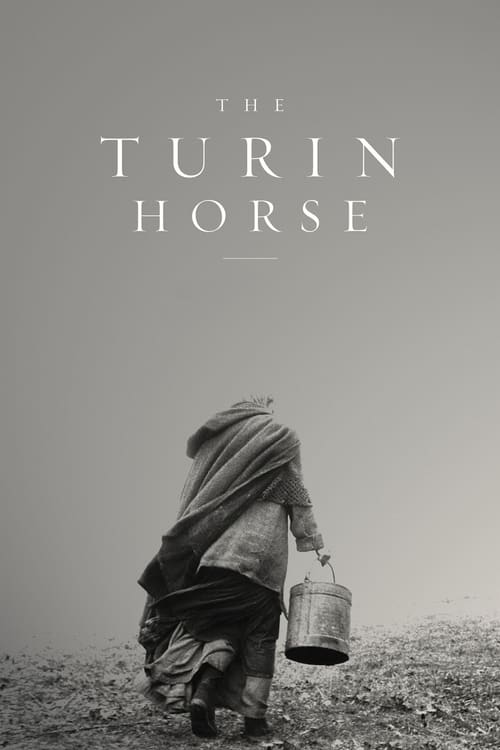
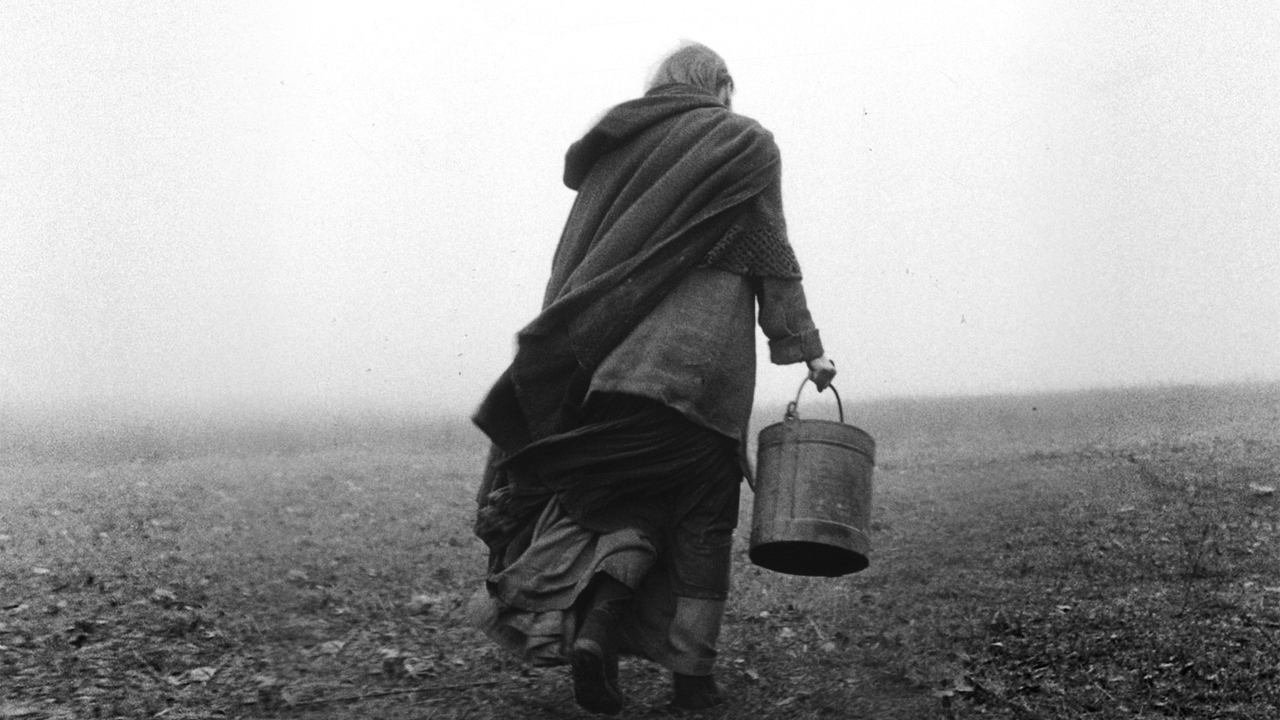
A look at the monotonous daily struggle of a father and daughter in a windswept, desolate landscape. Over six days, their routine of eating boiled potatoes and tending a failing horse crumbles, symbolizing a slow descent into darkness, emptiness, and the end of existence.
“Some stories are better left unspoiled.”
Where to watch · US
János Derzsi
Ohlsdorfer
Erika Bók
Ohlsdorfer's daughter
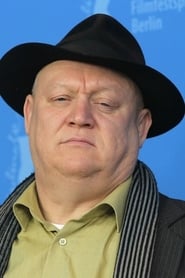
Mihály Kormos
Bernhard
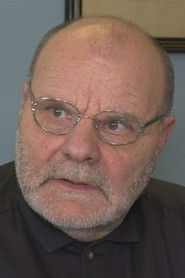
Lajos Kovács
Bernhard (voice)
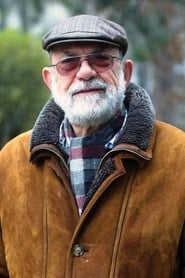
Mihály Ráday
Narrator (voice)
Credits
Want more? Switch to Cinephile mode in the header for DP, composer, budget, box office, production companies, keywords, and release history.
Did you know?
Did you know
Clocks in at 155 minutes — on the longer side of feature-length cinema.
Did you know
Shot for just $1.0M — micro-budget by Hollywood standards.
Did you know
Earned back only 16% of its budget on initial theatrical — a commercial disappointment on release.
Did you know
Released 15 years ago.
Did you know
Dialogue crosses 2 languages: German, Hungarian.
Did you know
International production across 5 countries: Hungary, Switzerland, France, Germany, United States of America.
Did you know
Lean credit list — fewer than 30 people officially credited.
Did you know
Directed by Béla Tarr, shot by Fred Kelemen. Note their partnership — DPs and directors often return to each other across a career.
Cinephile deep dive
Béla Tarr directs. Fred Kelemen behind the camera. Mihály Víg scores. Ágnes Hranitzky cuts. A commercial under-performer on release. Produced in Hungary, Switzerland, France, Germany, United States of America. Dialogue in German, Hungarian.
Trivia
Awards
Individual records documented via Wikidata; the summary above may count more.
Also by
Trailers & featurettes
Community reviews
In 2011 Béla Tarr, a Hungarian director who had drawn acclaim for his distinctive style of long takes à la Andrei Tarkovsky and a bleak and sardonic view of human existence, released what he stated would be his last film: THE TURIN HORSE. The film's genesis is rooted in a conversation between Tarr and the Hungarian novelist Laszlo Krasznahorkai some years before: Krasznahorkai recounted the story Friedrich Nietzsche's famous breakdown in the streets of Turin after watching a cabman cruelly beat his horse. We know, Krasznahorkai noted, that Nietzsche lived on for another decade, mute and demented, in the care of his family, but what happened to the horse? Thus the two decided to make a film, but it would not be a historical film about late 19th-century Turin. Rather, the Nietzsche story only served as an initial inspiration for a more universal drama. After an introduction spoken by a narrator that briefly tells the Nietzsche story, we are introduced to a horse and his cabman, Ohlsdorfer (János Derzsi). With much effort -- the opening take of the horse pulling the cart on the road is several minutes long -- Ohlsdorfer reaches a house and a barn in the minute of a nondescript wilderness, where a savage wind blows nonstop. His daughter (Erika Bók) appears, and the two struggle to unharness the horse and lead it into the barn as the wind howls. Immediately we see that they lived alone and in poverty. The film is divided into a series of episodes, "The First Day", "The Second Day" etc. where Ohlsdorfer and his daughter repeat the same routine: she helps Ohlsdorfer dress or undress (he is partly lame), she boils potatoes that she and Ohlsdorfer eat, piping hot, with their fingers. Yet in spite of this grinding routine, each day shows the action from a slightly different angle, and we become aware that the world in which they live is breaking down. Everything happens with a minimum of dialogue, except for two appearances by visitors to their homestead that are grim portents. The horse itself gets comparatively little screen time, but is such a potent symbol that it does feel like, as Tarr calls it in the film's credits, the "main role". THE TURIN HORSE is shot in only 30 takes by cinematographer Fred Kelemen; considering the film is 2 hours 35 minutes long, that means an average shot length of 5 minutes. Tarr's visual aesthetic of very long takes is not for everyone, but if you surrender to its hypnotic effect, it can be very powerful. The slow pace puts the viewer into a hyper-aware state where you are familiarized with the most minute details of the set, some of which will later prove important in the action, while others are simply distinct and memorable quirks. It is this elevating of the stage set to nearly a character in itself that is one of Tarr's major innovations. The bleakness of Tarr and Krasznahorkai's vision is not completely oppressive. You might find some humour here, even if it is the blackest humour imaginable. THE TURIN HORSE can be readily compared to the more austere plays of Samuel Beckett which reveal human existence to be absurd, but lampoon attempts at philosophy or personal foibles in ways that can make one grimly chuckle. This sort of film isn't for everyone. Needless to say, if you like movies as simple entertainment and don't go for "arthouse" efforts, then you should steer clear of this. For more open-minded cinephiles, I'd recommend seeing the work of Andrei Tarkovsky first before you decide to go on to the even more extreme aesthetic of Tarr. But I personally found this (like a few of Tarr's prior efforts) to be a very moving experience, one that I am sure I will repeat from time to time over the years. The visual poetry of THE TURIN HORSE is incredible.
Production companies
Motion Picture Public Foundation of Hungary
HU

Vega Film
CH
Zero Fiction Film
DE
Fonds Eurimages du Conseil de l'Europe
FR
Werc Werk Works
US
Movie Partners In Motion Film
FR
TT Filmmûhely
HU
Themes & keywords
Release history · US
Also known as