

1 / 7
ERA
Did you know
25 years old — old enough to be someone's favourite childhood film.
MoodPlayr · trivia#01

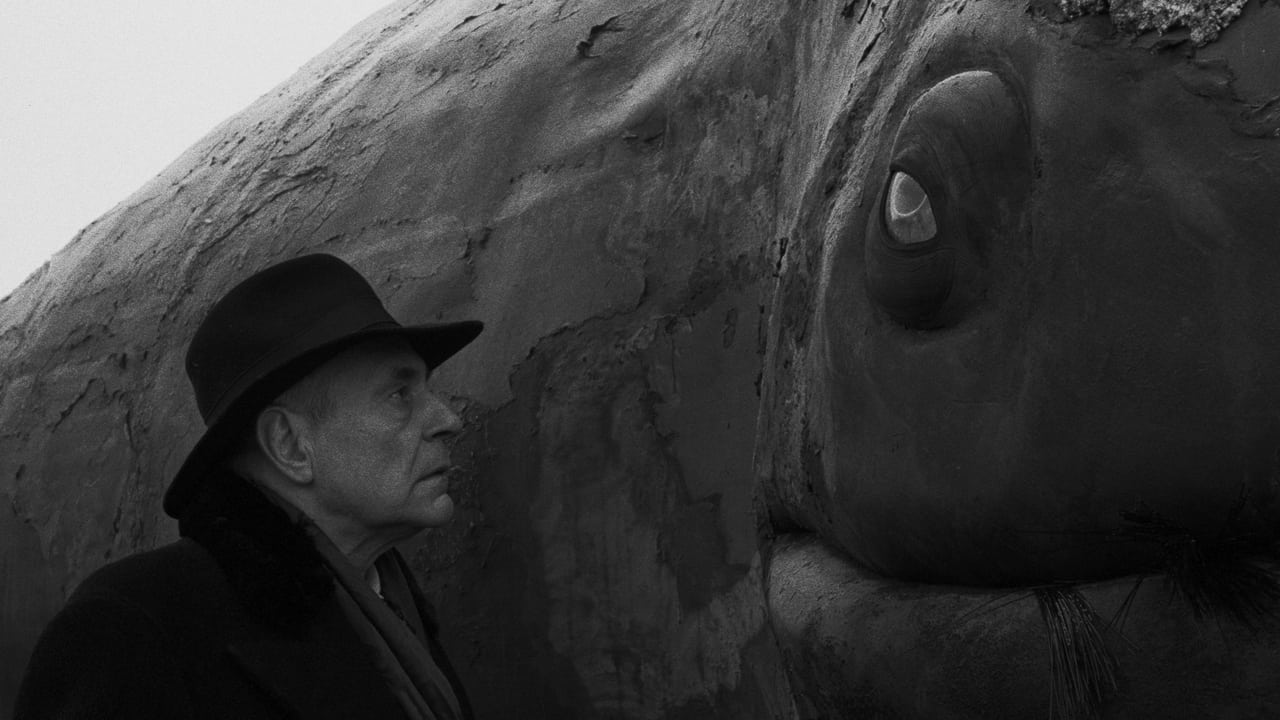
A naive young man witnesses an escalation of violence in his small hometown following the arrival of a mysterious circus attraction.
“Some stories are better left unspoiled.”
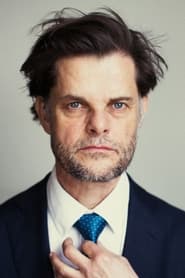
Lars Rudolph
János Valuska

Peter Fitz
György Eszter

Hanna Schygulla
Tünde Eszter
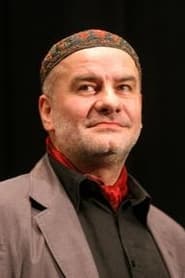
Alfréd Járai
Lajos Harrer

Gyula Pauer
Mr. Hagelmayer
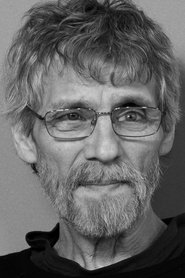
János Derzsi
Man In The Broad-Cloth Coat
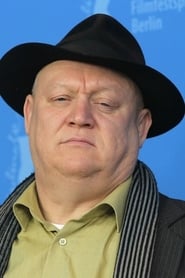
Mihály Kormos
Factotum
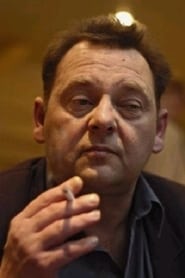
Putyi Horváth
Porter
Credits
Want more? Switch to Cinephile mode in the header for DP, composer, budget, box office, production companies, keywords, and release history.
Did you know?
Did you know
25 years old — old enough to be someone's favourite childhood film.
Did you know
Dialogue crosses 2 languages: Hungarian, Slovak.
Did you know
International production across 4 countries: France, Germany, Hungary, Italy.
Did you know
Directed by Béla Tarr, shot by Miklós Gurbán. Note their partnership — DPs and directors often return to each other across a career.
Did you know
Editor Ágnes Hranitzky shaped the rhythm. On an edit-heavy film, the editor does more to control your pulse than the director.
Did you know
Lars Rudolph and Peter Fitz and Hanna Schygulla carry the top of the cast.
Did you know
IMDB entry: tt0249241 — still the authoritative cross-reference for credits and trivia.
Cinephile deep dive
Béla Tarr directs. Miklós Gurbán behind the camera. Ágnes Hranitzky cuts. Produced in France, Germany, Hungary, Italy. Dialogue in Hungarian, Slovak.
Trivia
Awards
5 wins & 2 nominations total
Also by
Stills · wallpapers
Full-resolution frames — open one to save it as a wallpaper.
Trailers & featurettes
Community reviews
Béla Tarr's 2000 film <i>The Werckmeister Harmonies</i> deals with troubling events in a small town in Hungarian's eastern plains. After an opening scene showing simpleton postman János demonstrating to a bar full of drunks how the Earth and moon rotate around the sun with the help of three of the old geezers, he does his rounds in the early morning. Posters put up advertise the arrival of a giant whale with special guest, the Prince. This traveling circus, however, fills the townspeople not with eager anticipation but with dread. Indeed, when the Prince does appear, all hell breaks loose. Based on the novel The Melancholy of Resistance by László Krasznahorkai, the plot of this film is a transparent allegory for Hungary in the 1930s and 1940s: unable to keep its house in order, and falling for the demagoguery of fascism, Hungary brought on itself its long nightmare of Soviet domination. Tarr has curiously stated, however, that he is not offering us a historical allegory. By that I can only imagine that he is turning the allegory into a parable, using a reference to mid 20th-century Hungary as way of exploring more universal themes. Perhaps the central tension in the film is between a natural order, the ecstatic cooperation of free human beings, and an order dictated by a manipulative leader. I don't want to spoil anything that happens here, but Tarr's depiction of a mob let loose is harrowing. I was very moved by this film the first time I saw it, and on repeat viewings there has been much to appreciate. I feel, however, that the film is greatly weakened by Tarr's decision to use German actors for two main roles. Lars Rudolph, who plays János, and Fassbinder mainstay Hanna Schygulla as the sinister "auntie Tünde" give physically commanding performances, but they were presumably speaking in German while acting, and Tarr has had them clumsily dubbed into Hungarian, no synchronization between their mouths and the voices.
With the temperature well below zero, it's odd to see the rural population of the Hungarian plain standing around awaiting the ultimate in circus attractions (if not the ultimate nightmare for the taxidermist). A giant whale is revealed and, well, many of them have no idea what to make of it. As it remains, it attracts visitors from all around and their arrival starts to cause friction amidst this small community. That's especially problematic for the gentle young "János" (Lars Rudolph) who is used to being the sole source of local entertainment with his performances in the local boozer. What's not really clear to anyone, though, is just why this long deceased leviathan is causing so much trouble. His aunt "Tünde" (Hanna Schygulla) tries to recruit his sceptical uncle "György" (Peter Fitz) to chair a committee to try to restore some sort of equilibrium, but even that doesn't seem destined to calm things down as a mob descend on an hospital where only the epitome of pathetic imagery might just bring them to their senses? Perhaps not for long? It's cleary rich in allegory, this, and I'm guessing the principal point is to suggest that by sewing the seeds of discontent, the Soviets created the perfect scenario for them to ride to the rescue after the war. Maybe a little unfair on the whale, but it seems destined to carry the can for this provocative drama that sees rational behaviour disappear and traditional and family loyalties heavily, and sometimes violently, compromised. The monochrome photography and the penetratingly haunting score add a great deal of richness to this story, and with a really quite emotionally charged, but understated, effort from Rudolph underpinning the complex plot, this makes for an intriguing drama that won't make you feel good, but might make you think a little.
Production companies
Goëss Film
HU
Von Vietinghoff Filmproduktion
DE

13 Prods
FR

RAI
IT
ARTE
Fondazione Monte Cinema Verità
CH
Magyar Mozgókép Alapítvány
Magyar Televízió Müvelödési Föszerkesztöség (MTV) (I)
Nemzeti Kultúrális Alapprogram
Országos Rádió és Televízió Testület (ORTT)

ZDF
DE
Themes & keywords
Release history · US
Also known as
 Movie
Movie2006
 Movie
Movie2025
 Movie
Movie2003
 Movie
Movie2008
 Movie
Movie1947
 Movie
Movie2022
 Movie
Movie1986
 Movie
Movie1972
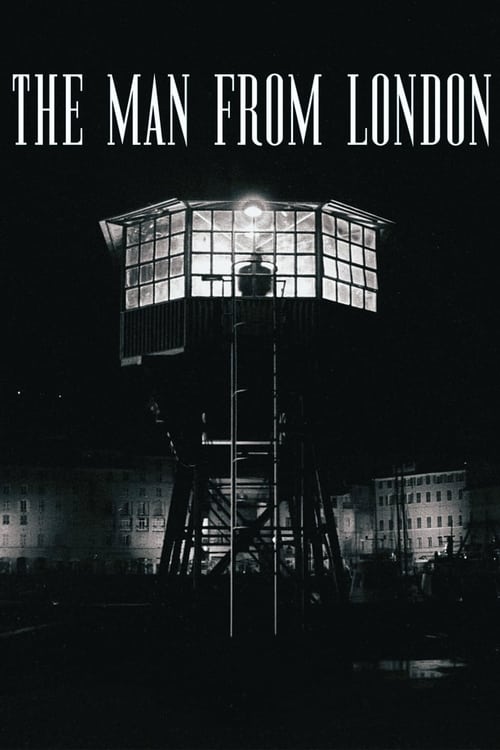 Movie
Movie2008
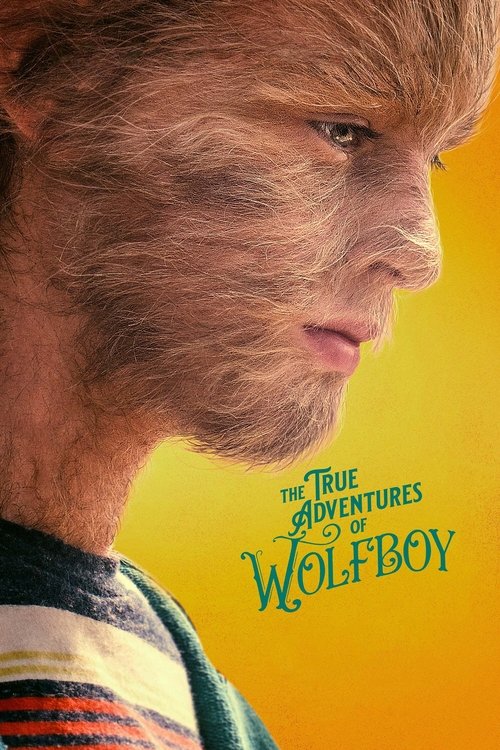 Movie
Movie2019