
1 / 8
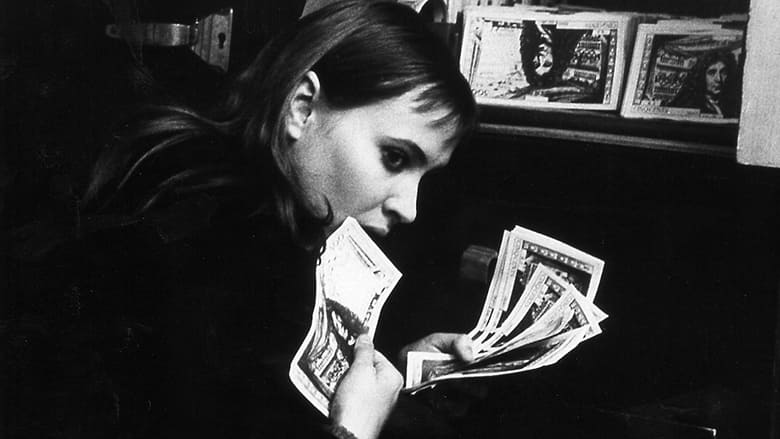
MONEY
Did you know
Shot for just $0.1M — micro-budget by Hollywood standards.
MoodPlayr · trivia#01
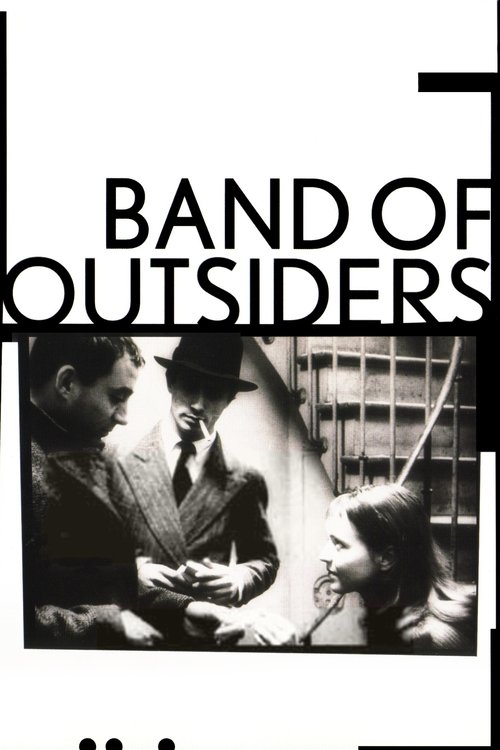
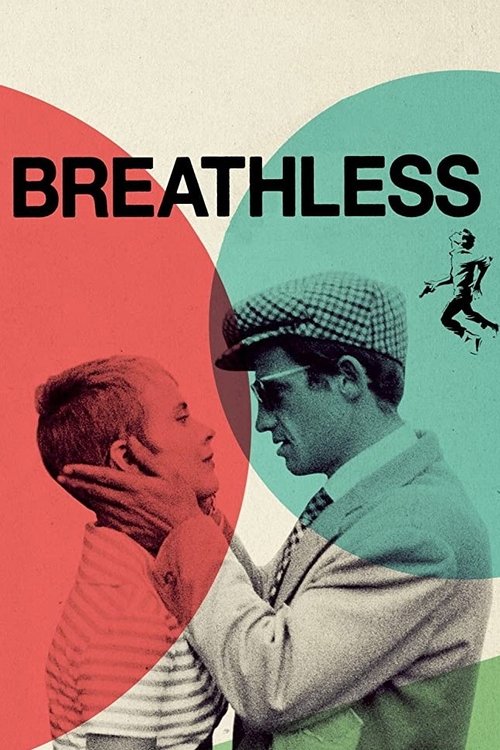
"A Who-Dunit, Who's Got-It, Where-Is-It-Now Wild One From That "Breathless" director Jean-Luc Godard!"
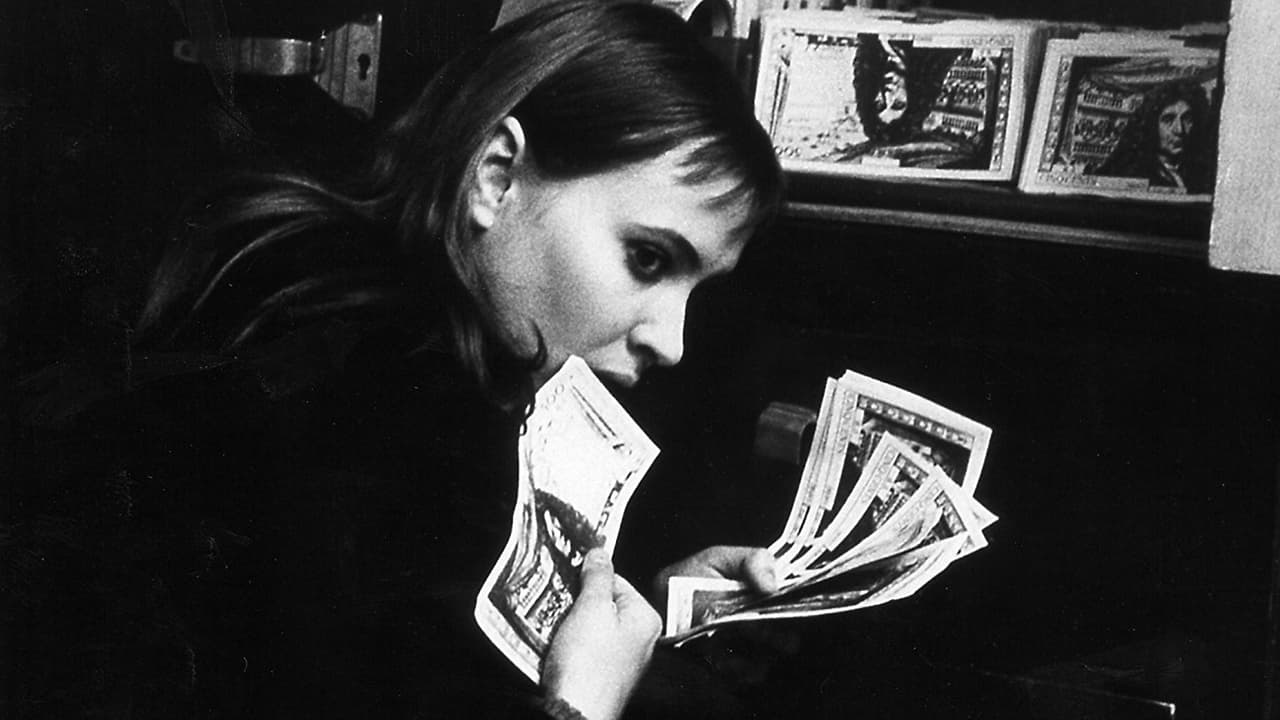
Cinephile slackers Franz and Arthur spend their days mimicking the antiheroes of Hollywood noirs and Westerns while pursuing the lovely Odile. The misfit trio upends convention at every turn, be it through choreographed dances in cafés or frolicsome romps through the Louvre. Eventually, their romantic view of outlaws pushes them to plan their own heist, but their inexperience may send them out in a blaze of glory -- which could be just what they want.
“A Who-Dunit, Who's Got-It, Where-Is-It-Now Wild One From That "Breathless" director Jean-Luc Godard!”
Where to watch · US
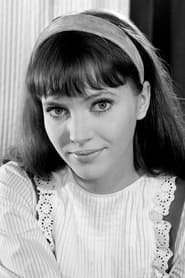
Anna Karina
Odile
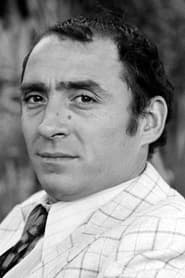
Claude Brasseur
Arthur
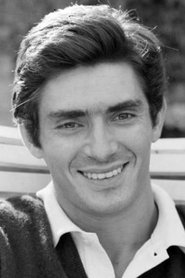
Sami Frey
Franz
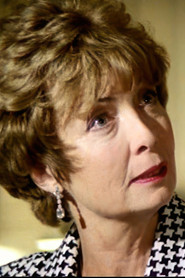
Danièle Girard
English Teacher
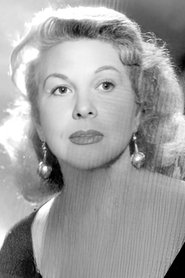
Louisa Colpeyn
Madame Victoria
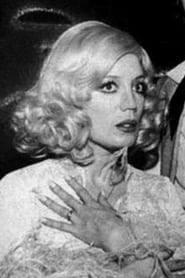
Chantal Darget
Arthur's Aunt

Georges Staquet
Legionary
Ernest Menzer
Arthur's Uncle
Credits
Want more? Switch to Cinephile mode in the header for DP, composer, budget, box office, production companies, keywords, and release history.
Did you know?
Did you know
Shot for just $0.1M — micro-budget by Hollywood standards.
Did you know
62 years old — a genuine piece of film history.
Did you know
Dialogue crosses 2 languages: English, French.
Did you know
Directed by Jean-Luc Godard, shot by Raoul Coutard. Note their partnership — DPs and directors often return to each other across a career.
Did you know
Original score by Michel Legrand. Worth a dedicated listen after — most great films lose half their impact without the score.
Did you know
Editor Agnès Guillemot shaped the rhythm. On an edit-heavy film, the editor does more to control your pulse than the director.
Did you know
Anna Karina and Claude Brasseur and Sami Frey carry the top of the cast.
Did you know
Marketing tagline: "A Who-Dunit, Who's Got-It, Where-Is-It-Now Wild One From That "Breathless" director Jean-Luc Godard!".
Cinephile deep dive
Jean-Luc Godard directs. Raoul Coutard behind the camera. Michel Legrand scores. Agnès Guillemot cuts. Runs lean at under 100 minutes. Profitable at the box office. Produced in France. Dialogue in English, French.
Trivia
Also by
Trailers & featurettes
Community reviews
Jean-Luc Godard's 1964 film <i>Bandè a part</i> (sometimes titled "Band of Outsiders") is an adaptation of a American crime novel that transcends its pulp origins through Godard's cinematic invention. The young lady Odile (Anna Karina), who isn't very bright, meets lowlife Franz (Sami Frey) in an English course and makes the mistake of telling him that the home in which she lives with her aunt holds a large amount of cash. Franz and fellow criminal Arthur (Claude Brasseur) plan a heist while at the same time vying for Odile's love, or at least her body. As is common in the French New Wave, the auteur only uses a crime caper as a skeleton for his own storytelling. A narrator (Godard himself) occasionally reads descriptive passages from the original novel, which are horribly purple prose, as if Godard is poking fun at his own source of inspiration. <i>Bandè a part</i> has occasionally been treated as a departure from this director's work, as "Godard for people who don't like Godard". However, anyone who has seen Godard's films to date will immediately recognize elements typical of his work at the time. For example, someone reads aloud a classic work of literature, this time an English teacher in a parody of modern language-learning methods. There is leftist social commentary, as the two criminals kill time by reading aloud tragic passages from Parisian newspapers. There is also dancing, as in the film's most famous scene Odile, Franz and Arthur interrupt their plotting for an amusing line dance in a café, over which the narrator tells us their unspoken thoughts. And then there is Godard's many references to the film canon. <i>Bandè a part</i> is deeply imbued with the spirit of American noir films, which fits with the crime caper plot, but it also nods to classic slapstick and romance, which gives it a levity and charm I wouldn't have expected from a film with these particular characters. <i>Bandè a part</i> may not be among the most awesome masterpieces of cinema, but it is memorable and funny, and very much worth seeing for fans of mid-century French films.
Production companies
Orsay Films
FR
Anouchka Films
FR
Themes & keywords
Release history · US
Also known as