1 / 8
RUNTIME
Did you know
90 minutes exactly — the "classic feature" runtime most directors aim for.
MoodPlayr · trivia#01
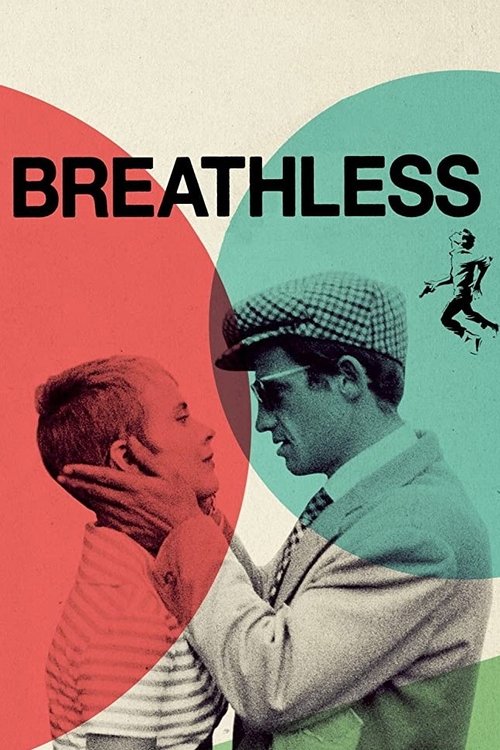
"Wild! Violent! Outspoken and Honest!"
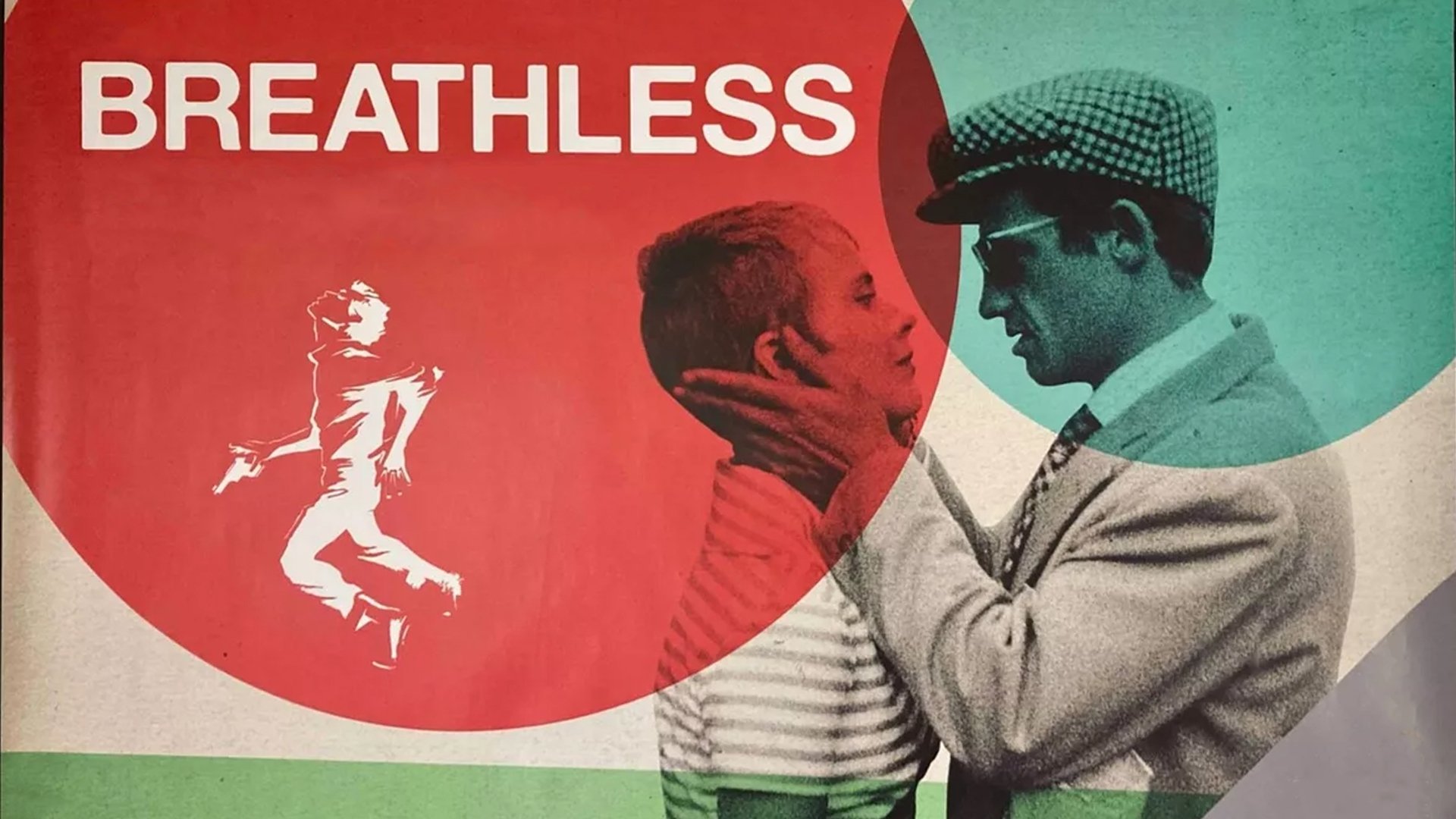
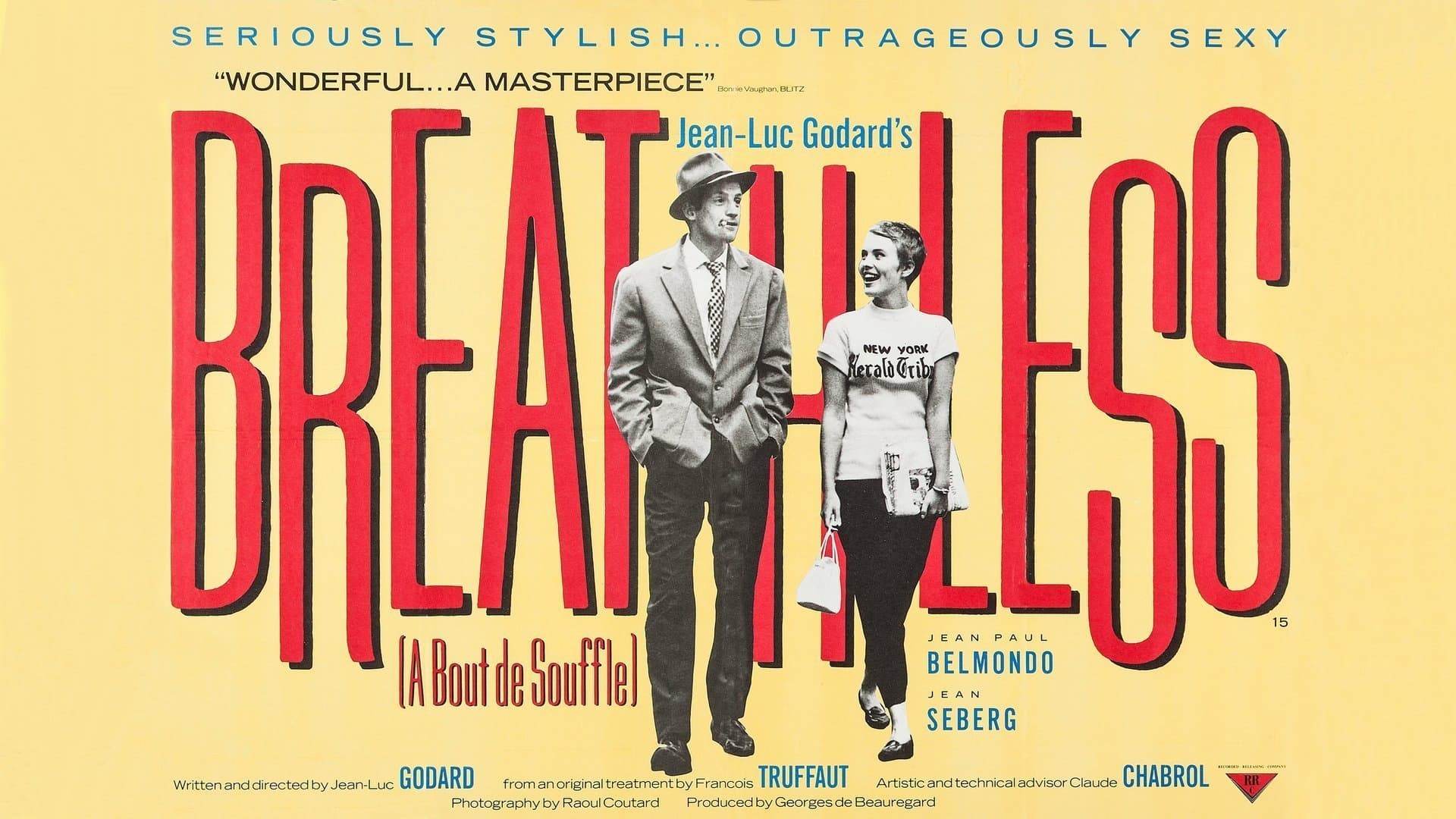
A small-time thief steals a car and impulsively murders a motorcycle policeman. Wanted by the authorities, he attempts to persuade a girl to run away to Italy with him.
“Wild! Violent! Outspoken and Honest!”
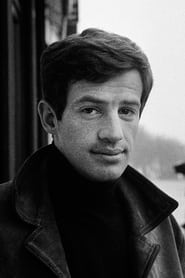
Jean-Paul Belmondo
Michel Poiccard / László Kovács
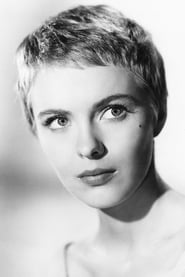
Jean Seberg
Patricia Franchini
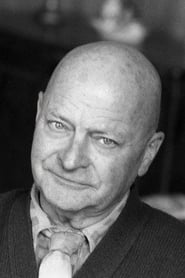
Daniel Boulanger
Police Inspector Vital
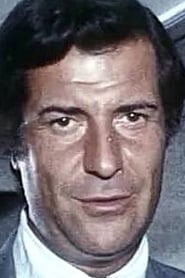
Henri-Jacques Huet
Antonio Berrutti

Roger Hanin
Carl Zubart
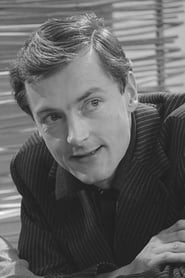
Van Doude
American Journalist, Patricia's Friend
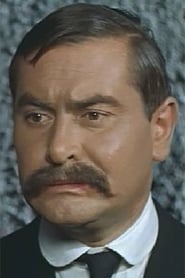
Claude Mansard
Claudius Mansard
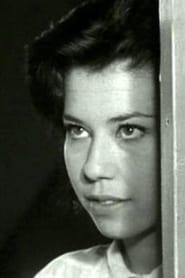
Liliane Dreyfus
Liliane / Minouche
Credits
Want more? Switch to Cinephile mode in the header for DP, composer, budget, box office, production companies, keywords, and release history.
Did you know?
Did you know
90 minutes exactly — the "classic feature" runtime most directors aim for.
Did you know
Shot for just $0.1M — micro-budget by Hollywood standards.
Did you know
66 years old — a genuine piece of film history.
Did you know
Dialogue crosses 2 languages: French, English.
Did you know
Directed by Jean-Luc Godard, shot by Raoul Coutard. Note their partnership — DPs and directors often return to each other across a career.
Did you know
Original score by Martial Solal. Worth a dedicated listen after — most great films lose half their impact without the score.
Did you know
Editor Cécile Decugis shaped the rhythm. On an edit-heavy film, the editor does more to control your pulse than the director.
Did you know
Jean-Paul Belmondo and Jean Seberg and Daniel Boulanger carry the top of the cast.
Cinephile deep dive
Jean-Luc Godard directs. Raoul Coutard behind the camera. Martial Solal scores. Cécile Decugis cuts. Runs lean at under 100 minutes. Produced in France. Dialogue in French, English.
Trivia
Awards
Individual records documented via Wikidata; the summary above may count more.
Also by
Stills · wallpapers
Full-resolution frames — open one to save it as a wallpaper.
Trailers & featurettes
Community reviews
A key film of the late Fifties/early Sixties French New Wave, <i>À bout de souffle</i> (Breathless) opens with suave lowlife Michel Poiccard (Jean-Paul Belmondo) stealing a car. When he's caught speeding on the way to Paris and pursued by the police, Michel kills the officer. Desperate to collect some money owed and make his escape to Italy, he hides out with Patricia (Jean Seberg), an American girl he had slept with once and who is oblivious to the danger he's in. This is one of the most influential films of all time in its liberal use of jump cuts, in idolizing American noir films and transferring that aesthetic to a foreign country, and its allusions to other films and even self-referentially to itself. Goddard left plenty of signs that he was seeking to overturn the staid French mainstream tradition, such as when Michel rebuffs a hawker selling <i>Cahiers du cinema</i> (the French film magazine), or when Patricia interviews a film director named Parvulesco, who is none other than Godard's New Wave comrade-in-arms Jean-Pierre Melville. <i>À bout de souffle</i> is undeniably dated. Even knowing all that context around its creation and reception, I found it hard to be really bowled over and cannot award the film a full five stars – and I am a great fan of Godard’s subsequent work. Still, there's a lot to like. I'm particularly fond of the film's dialogue, which revels in French slang that hitherto had not been consider "proper" for art, most of which goes over Patricia's head and some of which Michel explains. In that sense one might compare the film to Raymond Queneau's novel <i>Zazie dans le métro</i> from the same time. The sexual frankness of its young characters might surprise younger viewers who would place this social upheaval to later in the 1960s.
Jean-Paul Belmondo spends much of this film in just his boxers after his "Poiccard/Kovacs" character pinches a car, kills the pursuing police officer and the ends up taking refuge with his new journalism student friend "Patricia" (Jean Seberg). She's not quite aware of the extent of the trouble her new beau is in when he sets about trying to convince her that he has some cash coming and that they should go and live in Italy. His identity isn't exactly unknown to the cops either, and with his face plastered over the front page of every newspaper in Paris, his chances of attaining his idyll are beginning to look remote - especially as he has precisely no self-awareness as he travels the city for all to see. Of course, it has to be only a matter of time before "Patricia" finds out the truth about him - but what will she decide to do? It's essentially a two-hander between the pair and they gel well as the story gathers pace. Seberg's character is engaging and it's easy to see why she falls for the enigmatic and charming criminal who exudes about as much menace as a wet cabbage. There's a fun interview scene when she is charged with quizzing the writer "Parvulesco" (Jean-Pierre mMlville) - a rather pompous individual who announces his life's ambition is to become immortal and die. I guess that might have been how "Poiccard" might have looked at things too - though maybe not the second element too soon. Now the editing. Hmmm. It's messy. Might that be deliberate or just an intern with some sellotape and a blunt razor blade? It's another talking point for this quirky and entertaining crime drama - with a difference.
Summary: 10/10: a landmark film that invented the grammar contemporary cinema still speaks, and a sharper cultural critique than it's often given credit for. Taken out of its historical moment, Jean-Luc Godard's first feature isn't necessarily thrilling. But for 1960, it was groundbreaking, a film that shattered conventions so thoroughly that its innovations are now invisible, absorbed completely into the language of contemporary cinema. The technical aspects of Breathless remain totally relevant today: the revolutionary jump cuts, the handheld camera, the natural lighting, the guerrilla-style shooting without permits on Paris streets. Godard, working with cinematographer Raoul Coutard on a budget under $50,000 and a crew of just two people, invented techniques that would define independent filmmaking for generations. The docudrama aesthetic, the deliberately jagged rhythm, the refusal to respect continuity editing rules - all of this feels commonplace now precisely because Breathless made it possible. The narrative itself is decent, based on a story treatment by François Truffaut and Claude Chabrol that they handed to Godard when they decided not to make it themselves. Some read it as a love letter to Hollywood, an homage to American gangster films. But in the context of today, I interpret this film as a sarcastic comment on the bad boy films of the 1950s. Jean-Paul Belmondo really nailed the Bogart style, but crucially, without the underlying sensitivity of Bogart. Michel Poiccard performs masculinity, models himself consciously after movie stars, but there's nothing beneath the performance except emptiness and casual cruelty. And I have a different interpretation of the apparent misogyny that most reviewers misread. Given the stereotypical male and female performances, Michel's narcissistic posturing, Patricia's inscrutability, it seems like Godard is holding up a mirror to that culture, exposing rather than celebrating it. Roland Barthes would write that "the birth of the reader must be ransomed by the death of the Author," and perhaps this film proves his point; whether or not Godard consciously intended feminist critique, the narrative itself reveals the hollowness of performed masculinity and the toll it takes on women forced to navigate it. This reading makes the film prescient of the feminist awakening just beginning to stir: Betty Friedan's The Feminine Mystique would be published just three years later in 1963, giving voice to the discontent Breathless captures visually. Godard shows us toxic masculinity before we had the language for it, shows us a man performing cool while being fundamentally empty, shows us a woman who ultimately refuses to be complicit in his self-destruction. Breathless remains essential viewing not because it still shocks (it doesn't), but because understanding film history requires understanding the moment when everything changed, when a young director with a handheld camera proved that you could make cinema outside the studio system, that formal experimentation and narrative could coexist, that revolution was possible with $50,000 and audacity.
Production companies
Les Films Impéria
FR
Les Productions Georges de Beauregard
FR
SNC
FR
Themes & keywords
Release history · US
Also known as