

1 / 6
ERA
Did you know
Released 6 years ago.
MoodPlayr · trivia#01
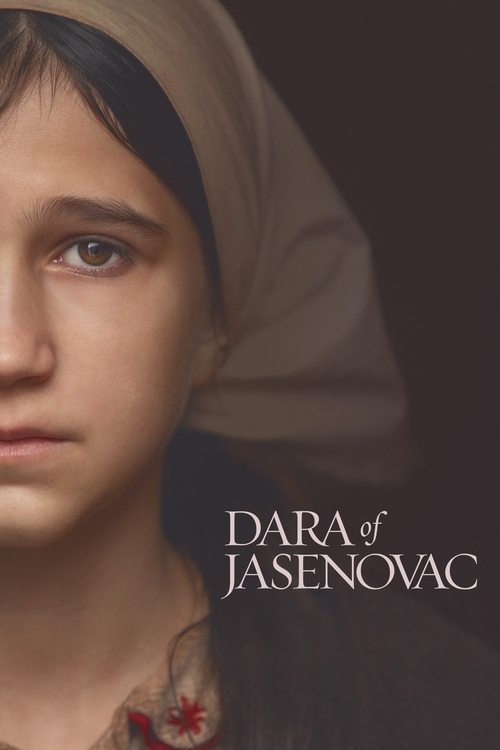
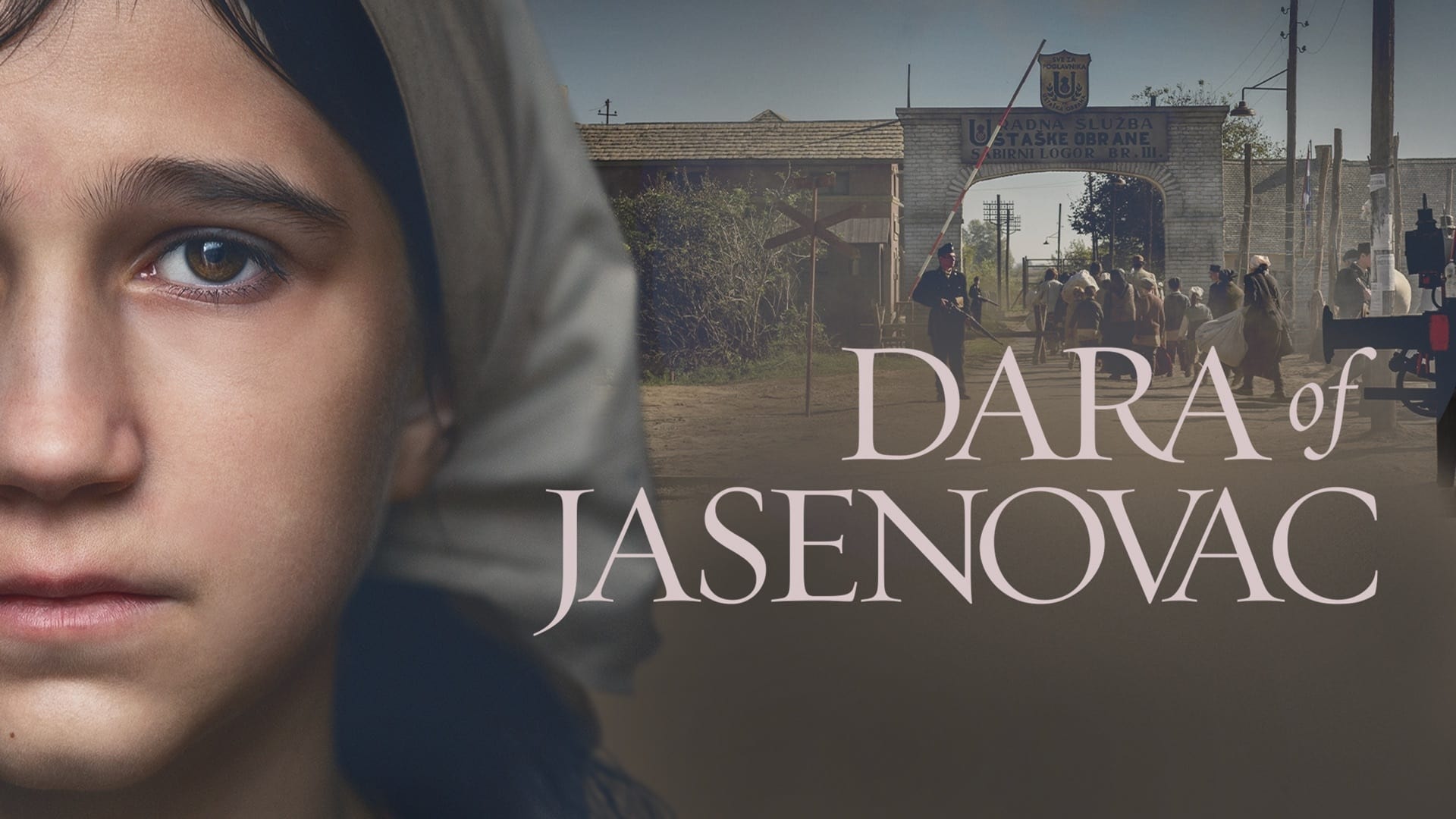
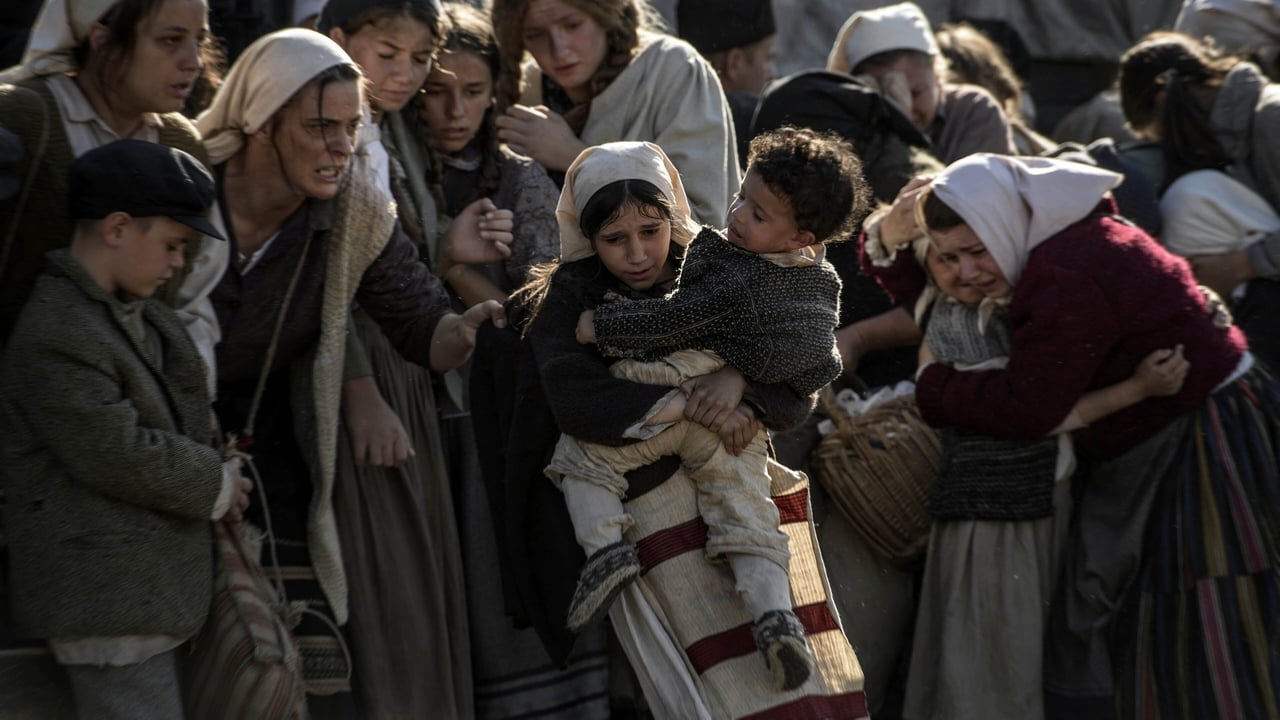
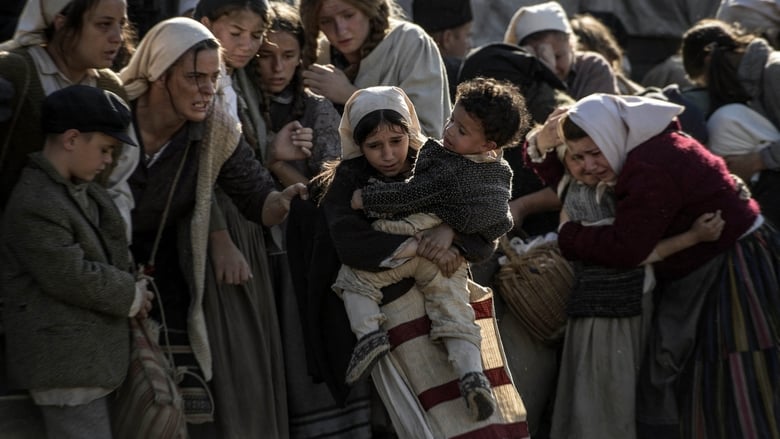
During the Nazi-occupied Ustasha regime "NDH" in former Yugoslavia during WWII, little girl Dara is sent to the concentration camp complex Jasenovac in Croatia also known as "Balkan's Auschwitz".
“Some stories are better left unspoiled.”

Biljana Čekić
Dara

Marko Janketić
Vjekoslav 'Maks' Luburić

Vuk Kostić
Fra Majstorović

Igor Đorđević
Ante Vrban

Nataša Ninković
Radojka

Radoslav 'Rale' Milenković
Čovek koji je odbijen da uđe u voz
Anja Stanić
Nada Ilić

Nikolina Friganović
Mileva
Credits
Want more? Switch to Cinephile mode in the header for DP, composer, budget, box office, production companies, keywords, and release history.
Did you know?
Did you know
Released 6 years ago.
Did you know
Dialogue crosses 2 languages: Croatian, Serbian.
Did you know
Editor Filip Dedić shaped the rhythm. On an edit-heavy film, the editor does more to control your pulse than the director.
Did you know
Biljana Čekić and Marko Janketić and Vuk Kostić carry the top of the cast.
Did you know
IMDB entry: tt10554232 — still the authoritative cross-reference for credits and trivia.
Did you know
Only 96 TMDB ratings — you're getting ahead of the curve on this one.
Cinephile deep dive
Predrag Antonijević directs. Filip Dedić cuts. Produced in Serbia. Dialogue in Croatian, Serbian.
Trivia
Awards
1 win
Also by
Stills · wallpapers
Full-resolution frames — open one to save it as a wallpaper.
Trailers & featurettes
Community reviews
There's a particular discomfort in discovering, after decades of historical education and over a hundred Holocaust-related films, that significant chapters of atrocity have remained invisible to me. "Dara of Jasenovac" delivers precisely this uncomfortable revelation, chronicling horrors at Croatia's Jasenovac concentration camp - a genocide I had never encountered in history books or cinema. Predrag Antonijevic's unflinching film follows ten-year-old Dara through what was sometimes called "the Auschwitz of the Balkans", where the fascist Ustase regime murdered primarily Serbs, but also Jews, Roma, and political dissidents. That such a significant murder camp could remain relatively unknown in the Western conscious speaks to the politics of historical memory. What distinguishes this story is not just its focus on a lesser-known atrocity, but its disturbing examination of Croatia's independent enthusiasm for mass murder, without direct Nazi management. "Dara of Jasenovac" functions as both historical correction and cold mirror. The film's most devastating insight is not historical but philosophical. Through Dara's eyes, we witness the seamless transformation of ordinary people into monsters. Unlike the bureaucratic, industrialized killing of Nazi death camps, Jasenovac reveals something more primal - the apparent eagerness with which humans will torture and murder their neighbors when given permission by authority. The film's power comes largely from its uncompromising realism. Antonijevic's direction, the haunting cinematography, meticulously detailed sets, and the extraordinarily naturalistic performances - especially from Biljana Cekic as Dara - create an immersive historical world that feels horrifyingly authentic. Cekic's performance is remarkable for its restraint; her watchful eyes become our lens into this nightmare. This movie raises the questions "How could this specific atrocity be forgotten?", and the more significant "What within human nature makes such cruelty possible?" Both these questions are terribly uncomfortable. The latter even more terrifying in the light of the rise of fascist power in the United States. That humans so readily inflict suffering on one another when ideologically sanctioned, casts the lens on the darkest side of our human nature. "Dara of Jasenovac" is difficult, necessary cinema that reminds us that the phrase "never again" remains hollow so long as significant chapters of atrocity remain unacknowledged and the human capacity for cruelty remains unexamined.
Production companies
Dandelion Production
RS
Film Danas
RS
Komuna
RS
Themes & keywords
Release history · US
Also known as
 Movie
Movie2014
 Movie
Movie2023
 Movie
Movie1996
 Movie
Movie2014
 Movie
Movie1967
 Movie
Movie2020
 Movie
Movie2015
 Movie
Movie2004
 Movie
Movie2021
 Movie
Movie1983