

1 / 8
MONEY
Did you know
Earned back only 16% of its budget on initial theatrical — a commercial disappointment on release.
MoodPlayr · trivia#01
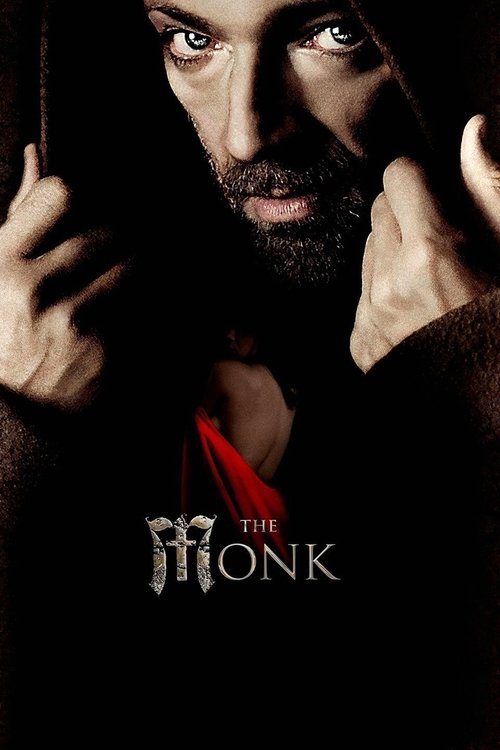
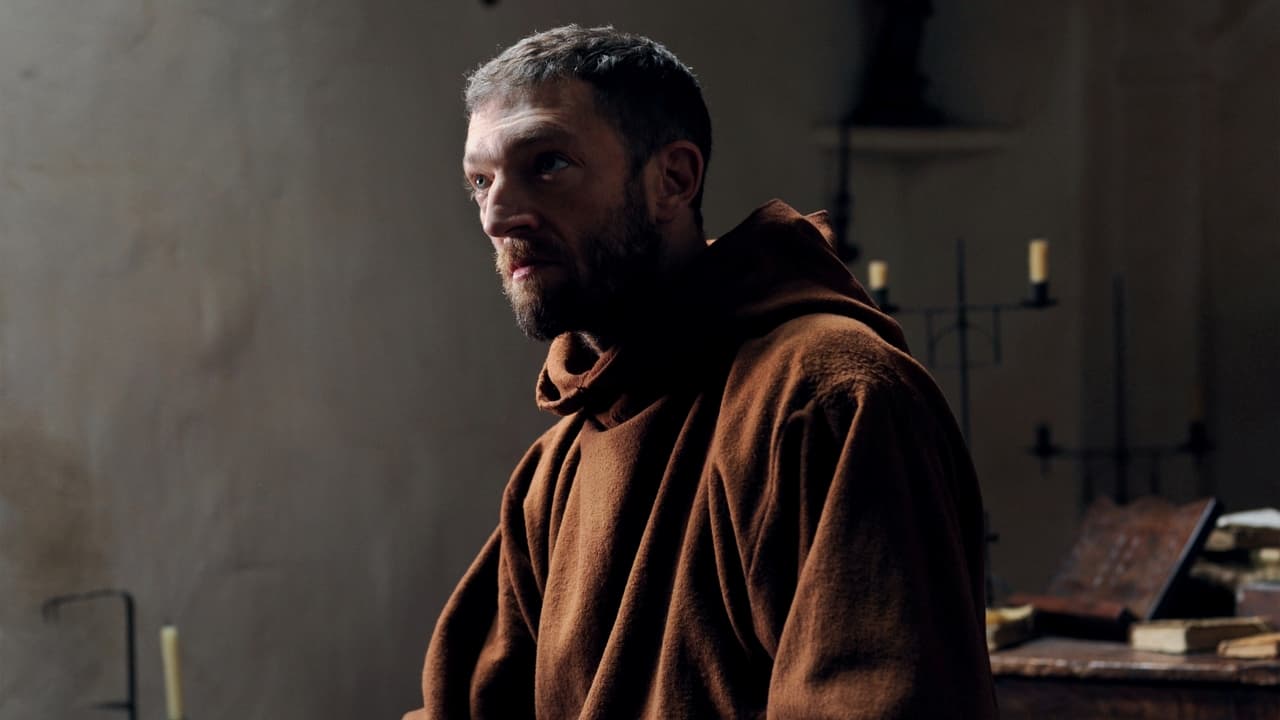
A virtuous monk descends to the depths of sin and depravity after Satan sends an unholy temptress to lead him astray.
“Some stories are better left unspoiled.”

Vincent Cassel
Frère Ambrosio
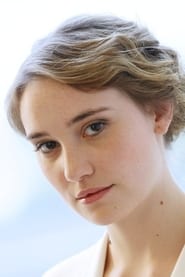
Déborah François
Valerio
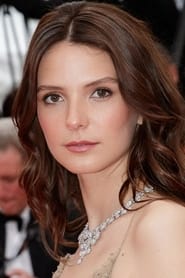
Joséphine Japy
Antonia

Sergi López
Le débauché
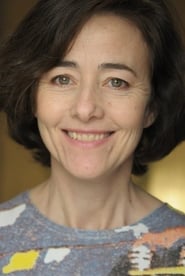
Catherine Mouchet
Elvire

Roxane Duran
Agnès
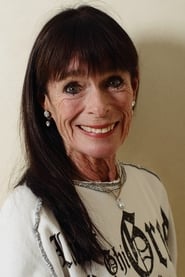
Geraldine Chaplin
L’abbesse

Jordi Dauder
Père Miguel
Credits
Want more? Switch to Cinephile mode in the header for DP, composer, budget, box office, production companies, keywords, and release history.
Did you know?
Did you know
Earned back only 16% of its budget on initial theatrical — a commercial disappointment on release.
Did you know
Released 15 years ago.
Did you know
International production across 2 countries: Spain, France.
Did you know
Directed by Dominik Moll, shot by Patrick Blossier. Note their partnership — DPs and directors often return to each other across a career.
Did you know
Original score by Alberto Iglesias. Worth a dedicated listen after — most great films lose half their impact without the score.
Did you know
Editor Sylvie Lager shaped the rhythm. On an edit-heavy film, the editor does more to control your pulse than the director.
Did you know
Vincent Cassel and Déborah François and Joséphine Japy carry the top of the cast.
Did you know
IMDB entry: tt1605769 — still the authoritative cross-reference for credits and trivia.
Cinephile deep dive
Dominik Moll directs. Patrick Blossier behind the camera. Alberto Iglesias scores. Sylvie Lager cuts. A commercial under-performer on release. Produced in Spain, France. Dialogue in French.
Trivia
Also by
Trailers & featurettes
Community reviews
A good movie, with nice gothic touches, despite being tiring, slow, excessively dark and not very faithful to the original book. I saw this movie very recently and was pleased. The film is a remake of an older work, from 1972, both of which are inspired by an older historical novel of the same name, published in 1796 by Matthew Gregory Lewis, an English playwright, perhaps still inspired by the vapors of republicanism and fanatical anticlericalism coming from neighboring Revolutionary France. This film takes place in the early years of the 17th century, in the Spain of the ultra-Catholic Habsburg Kings. A baby, abandoned at the door of a Capuchin convent, becomes the prestigious preacher Friar Ambrósio, who draws crowds with his sermons. However, things change after the arrival of Valério, a new monk, whose burns force him to always keep his face covered. As time passes, we will discover that this new monk is not what he seems. The plot is pleasant and has a Gothic touch, although it does not take place in the medieval period, but in the times of the Counter-Reformation. For me, as a historian, the film has too much imagination and there are very fanciful details, like the story of the pregnant nun left for dead. The original book is not so macabre, and it gives this character a better, more interesting and appealing plot, making the nun Agnes one of the heroines of the original story. And if it's true that I really enjoyed the dense environment and the pleasantly dark atmosphere, it's also true that the film is very still. Being a French production, the cast is overwhelmingly French-speaking and delivers a restrained, elegant performance, more profound than truly dramatic. I liked the work done by the actresses Joséphine Japy and Déborah François, the latter being seductive without really having to show much of her body. Geraldine Chaplin also seemed to me to be fine in her short role. Roxane Duran and Frédéric Noaille both had very little time to show their worth. Ultimately, the film ends up being, almost, a one-actor film: the prestigious and competent Vincent Cassel sustains the film and gives us a mature, well-achieved and consistently intense work. Making the gloomy environment even denser, the cinematography doesn't give us much space to see beyond the few points of light that exist in the scene. I understand that the director, Dominik Moll, wanted it, and saw in this cinematography, signed by Patrick Blossier, a mark of style, but for me, it was problematic and tiring. Without any exaggeration, there are scenes immersed in full darkness, with only the face of the actor or actress, partially visible in a very dim light. Along with this excessive darkness, the film's pace is exasperatingly slow: a 90-year-old woman in a walker walks faster. The music, signed by Alberto Iglesias, is good and does her job very well.
Production companies

Diaphana Films
FR
Themes & keywords
Release history · US
Also known as