

1 / 8
MONEY
Did you know
Made its money back 8.8× over at the box office.
MoodPlayr · trivia#01

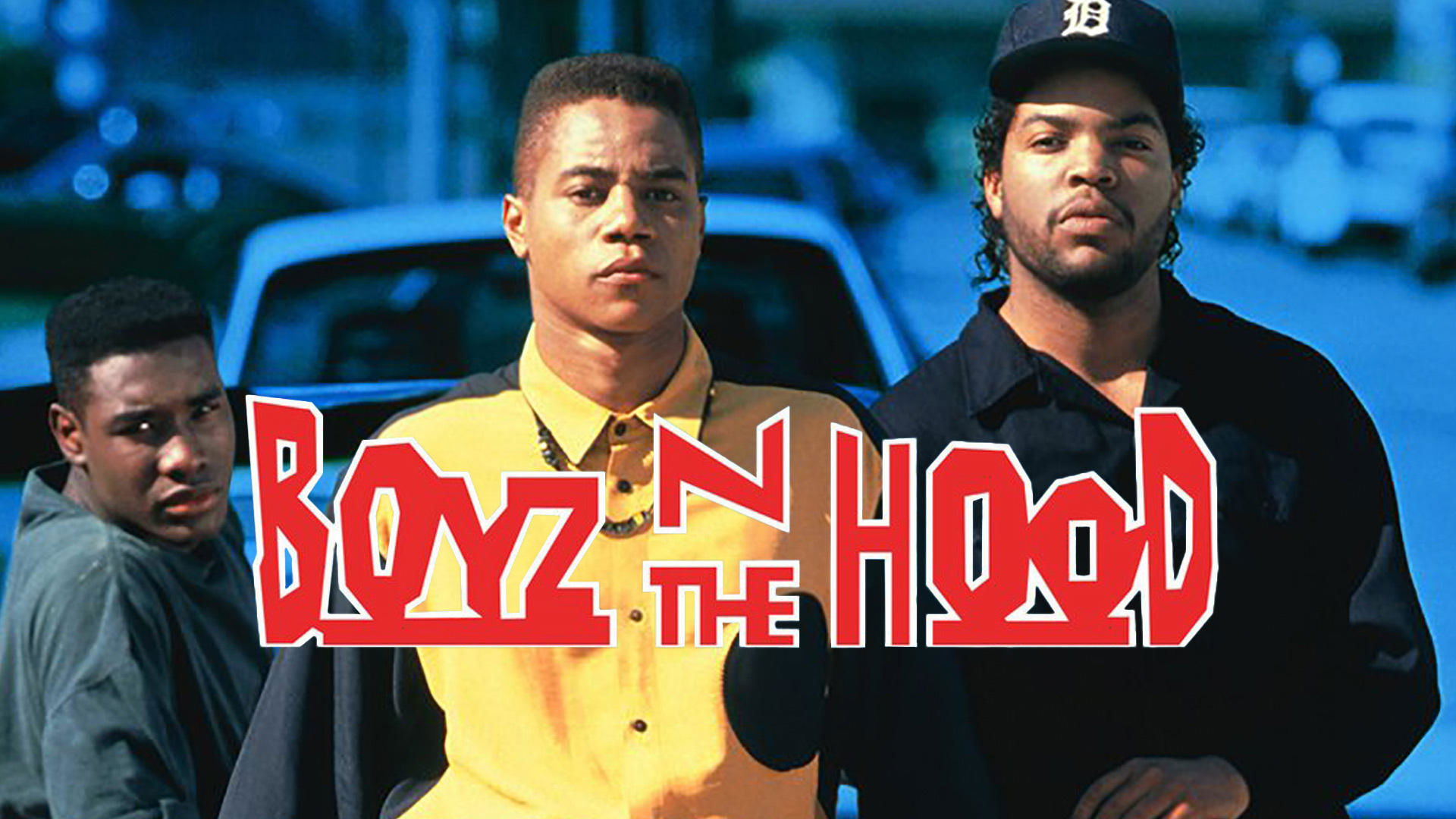
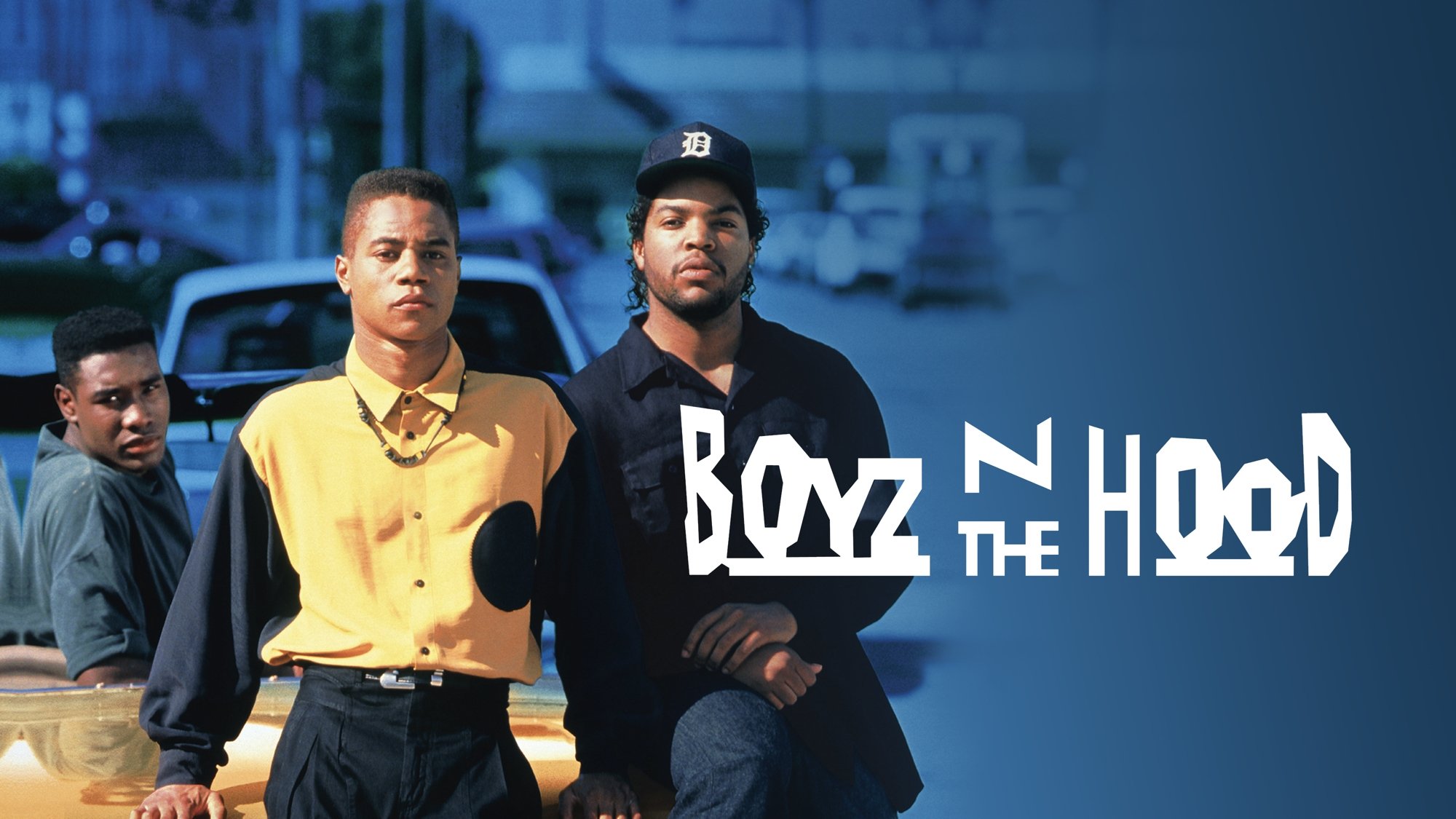
"Once upon a time in South Central L.A. ... It ain't no fairy tale."
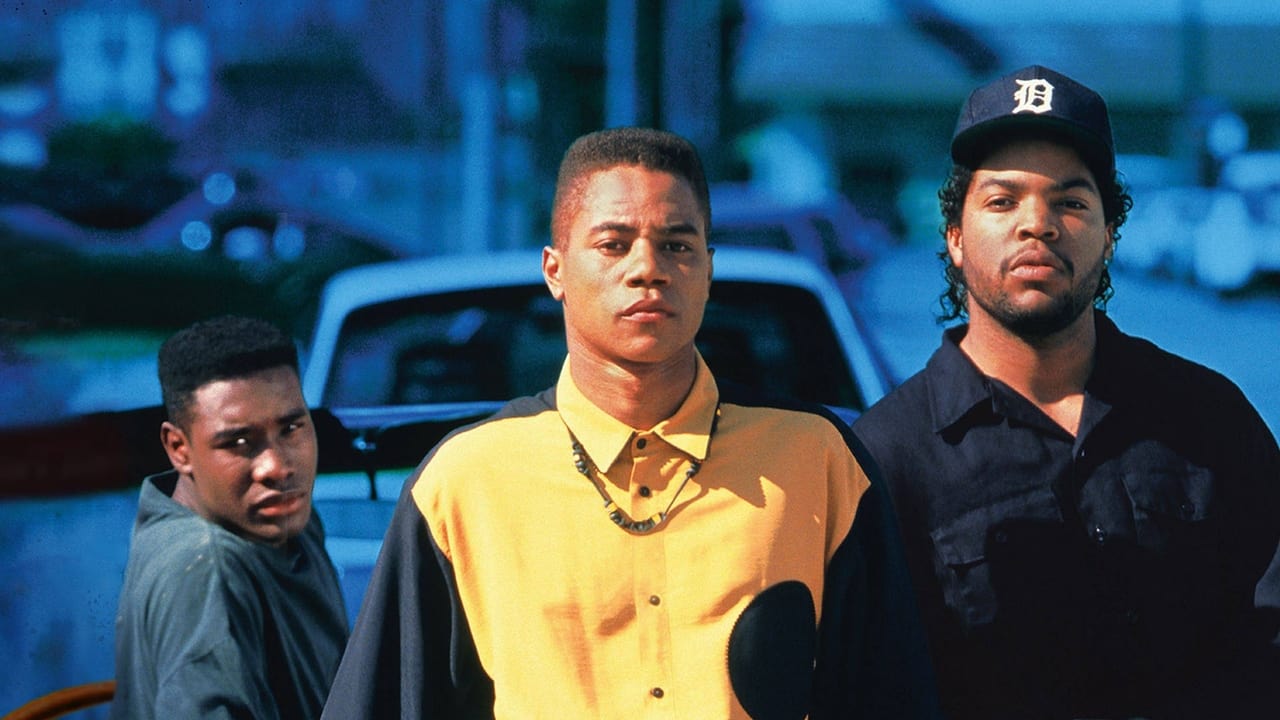
Three friends growing up in South Central Los Angeles navigate a neighborhood plagued by violence, unemployment, and crime, each responding differently to the harsh realities of street life. As tragedy strikes close to home, their friendship, choices, and hopes for a better future are put to the ultimate test.
“Once upon a time in South Central L.A. ... It ain't no fairy tale.”
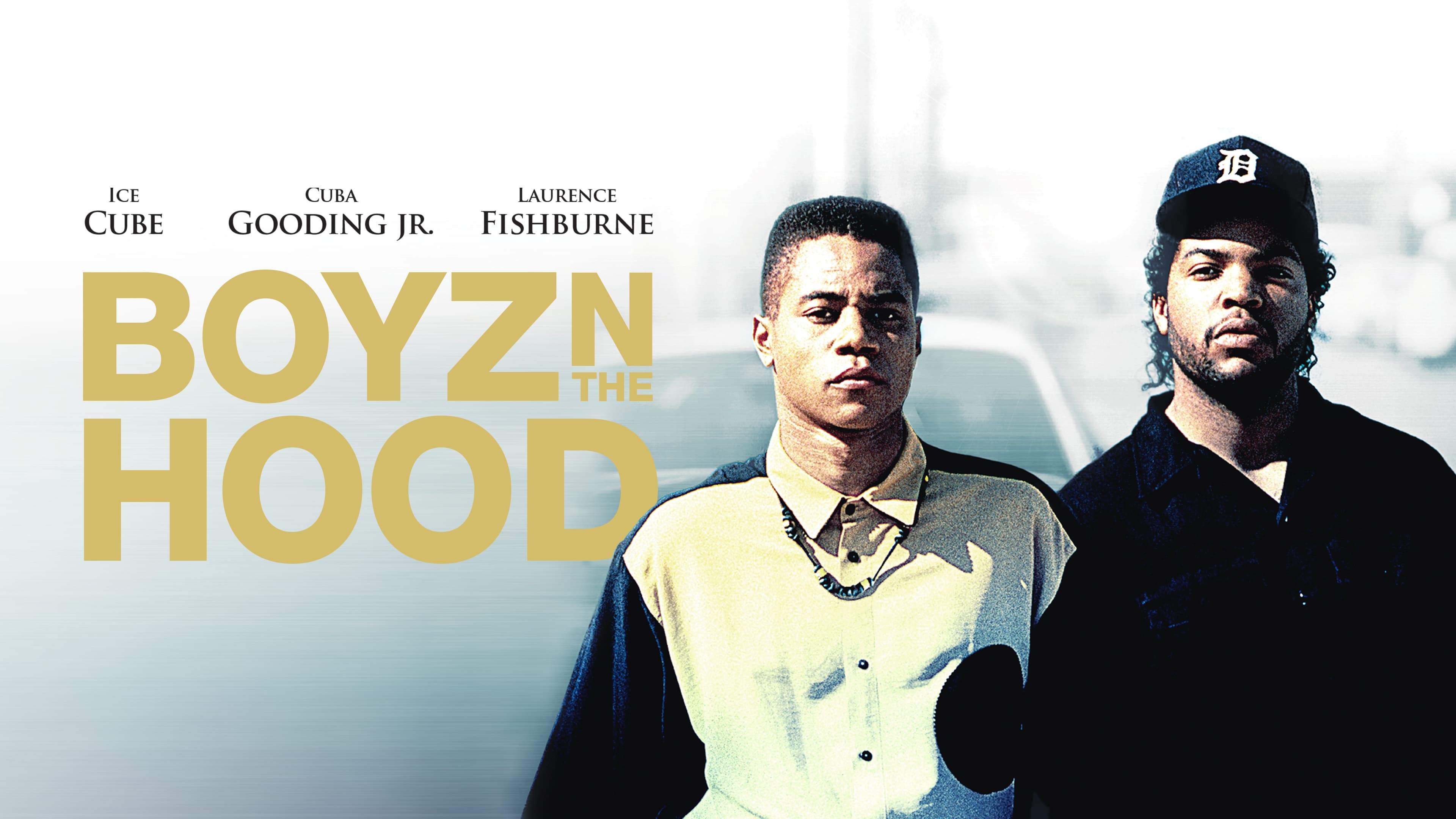
Cuba Gooding Jr.
Tré Styles
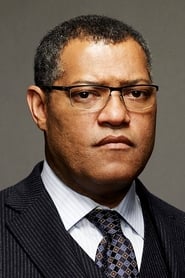
Laurence Fishburne
Furious Styles
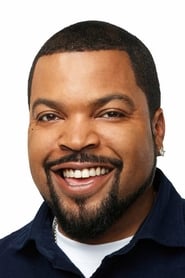
Ice Cube
Doughboy
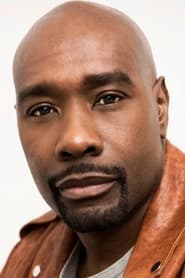
Morris Chestnut
Ricky Baker

Angela Bassett
Reva Styles

Nia Long
Brandi
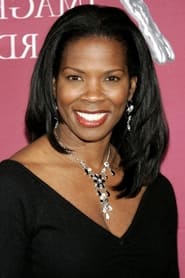
Tyra Ferrell
Mrs. Baker

Regina King
Shalika
Credits
Want more? Switch to Cinephile mode in the header for DP, composer, budget, box office, production companies, keywords, and release history.
Did you know?
Did you know
Made its money back 8.8× over at the box office.
Did you know
35 years old — old enough to be someone's favourite childhood film.
Did you know
Part of the "John Singleton's Hood Trilogy" — so the characters or world continue elsewhere.
Did you know
Directed by John Singleton, shot by Charles Mills. Note their partnership — DPs and directors often return to each other across a career.
Did you know
Original score by Stanley Clarke. Worth a dedicated listen after — most great films lose half their impact without the score.
Did you know
Editor Bruce Cannon shaped the rhythm. On an edit-heavy film, the editor does more to control your pulse than the director.
Did you know
Cuba Gooding Jr. and Laurence Fishburne and Ice Cube carry the top of the cast.
Did you know
Marketing tagline: "Once upon a time in South Central L.A. ... It ain't no fairy tale.".
Cinephile deep dive
John Singleton directs. Charles Mills behind the camera. Stanley Clarke scores. Bruce Cannon cuts. Made its budget back several times over at the box office. Produced in United States of America. Dialogue in English.
Trivia
Awards
Nominated for 2 Oscars. 12 wins & 28 nominations total
Individual records documented via Wikidata; the summary above may count more.
Part of
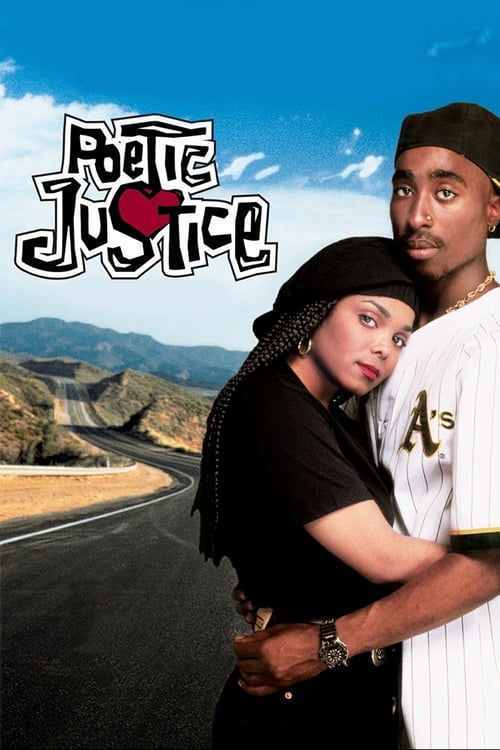
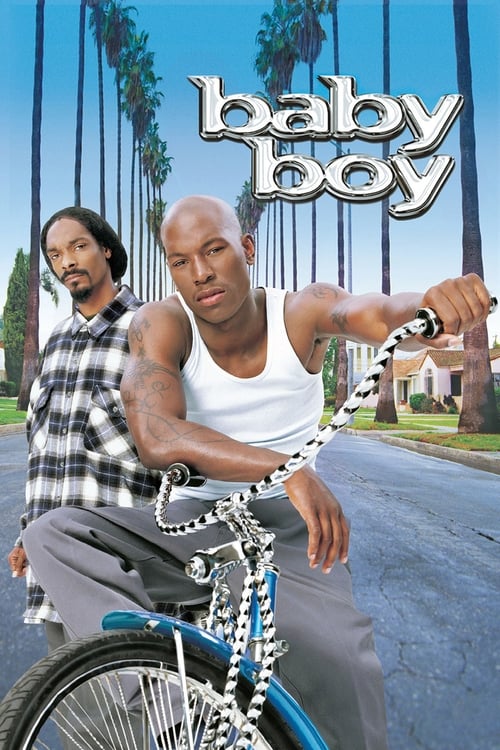
With his electrifying debut feature, Boyz n the Hood, John Singleton brought his South Central Los Angeles community to the screen with a bracing immediacy that rocked 1990s American cinema and popular culture. Poetic Justice and Baby Boy completed what the director considered his Hood Trilogy, a series of richly nuanced films that constitute a dramatic universe all their own. Featuring remarkable performances from supernova talents like Cuba Gooding Jr., Angela Bassett, Regina King, Janet Jackson, Tupac Shakur, and Taraji P. Henson, these indelible tales of urban life explore the experience of growing up Black and searching for one’s place in the world.
Also by
Stills · wallpapers
Full-resolution frames — open one to save it as a wallpaper.
Trailers & featurettes
Community reviews
Rick, it's the Nineties. Can't afford to be afraid of our own people anymore, man. 1991 "One out of every twenty-one Black American males will be murdered in their lifetime" "Most will die at the hands of another Black male" "Increase The Peace" is the closing message of John Singleton's powerful, intelligent and affecting call for calm in South Central Los Angeles. Often mistakenly presumed by those who haven't seen it to be a film that glamorises violence, Singleton's debut film takes us into South Central and holds us there by just shooting the story. No trickery or overtly moralistic posturing from the director (and writer), just an unpretentious look at life in a modern ghetto. The story follows three black teenagers as they ponder on what life holds for them as adulthood lurches from around the corner. Brothers Doughboy (Ice Cube) and Ricky Baker (Morris Chestnut) and best friend Tre Styles (Cuba Gooding Jr), each have the usual worries that come with leaving the teenage years behind. Parents, girls, careers, not returning to the pen! But this is no ordinary coming of age drama, we have been party to this neighbourhood that these boys live in. This is a place where a trip to the store can get you killed in a drive by shooting. A place where those keen to learn and do their homework have their muse shattered by the frequent sound of gunshots and sirens filling the South Central night. Though Singleton can be accused of painting some of his characters as too saintly, he should be forgiven since this is after all, a message movie. Besides which his portrait of this particular neighbourhood is done from honest memory since he himself be a former youth of South Central LA. There in lies one of Boyz's trump cards, Singleton, through his own observations, asks of those in "The Hood" to take responsibility for what they do. Something that is potently given narrative credence courtesy of Tre's father's (a fabulous understated Laurence Fishburne) deep musings. Once the built up tension explodes with the inevitable tragedy that all should be ready for, the impact is like a sledgehammer hitting bone. Not in a blood letting for impact sake, but with the aftermath as a family soaks up the situation. It gives 90s cinema one of its most affecting and damning scenes, one that once viewed is hard to fully shake out of the memory bank. Here Singleton could possibly have bowed out of the story, but he goes further, expanding the aftermath and taking us, along with the characters, to the final "Increase The Peace" dénouement. It's been called everything from an After School Special to the most important Black American movie made thus far. I agree with the last assessment. 9/10
John Singleton really isn't my thing. I mean, the movie came out in '91 but didn't get much exposure out in the country where I grew up until it was on HBO. However "Poetic Justice" DID and when I finally came around to watching "Boyz n the Hood" I had extremely low expectations. I honestly thought it was going to be as absolutely pointless as "Poetic Justice" was. And, yeah, I did kind of like "Higher Learning," which I also saw before this, but I still kind of feel that he was pointing the finger at white people and telling the viewers that we are all evil and the cause of all the problems in the world. So I went in here thinking it was going to be a talented racist mess. However, it wasn't. The fact is the film was absolutely amazing. And, honestly, it was the first film I saw about gangs, from a non-police POV, that didn't glorify them. And it remains one of the few gangland movies I've seen that doesn't glorify the lifestyle. And I understand that they are two completely different beasts, but the film felt like it was taking the issue of gangs and giving it a "The Godfather" treatment...and it worked. It worked brilliantly. You can both relate to the characters--although I'm probably not supposed to say that--and see that the gang culture is a horrible thing. Unlike "Poetic Justice" it has a point. And unlike "Higher Learning," it doesn't cast as racist of a finger. It actually deals with issues and tells a story and, honestly, to watch it is to love it.
instant Classic . . . One of the Most Convincing Roles EVER Played, it was 100% Authentic about South Central Los Angeles California in The 1990's
Production companies

Columbia Pictures
US
Themes & keywords
Release history · US
Also known as