

1 / 8
RUNTIME
Did you know
88 minutes exactly — the "classic feature" runtime most directors aim for.
MoodPlayr · trivia#01

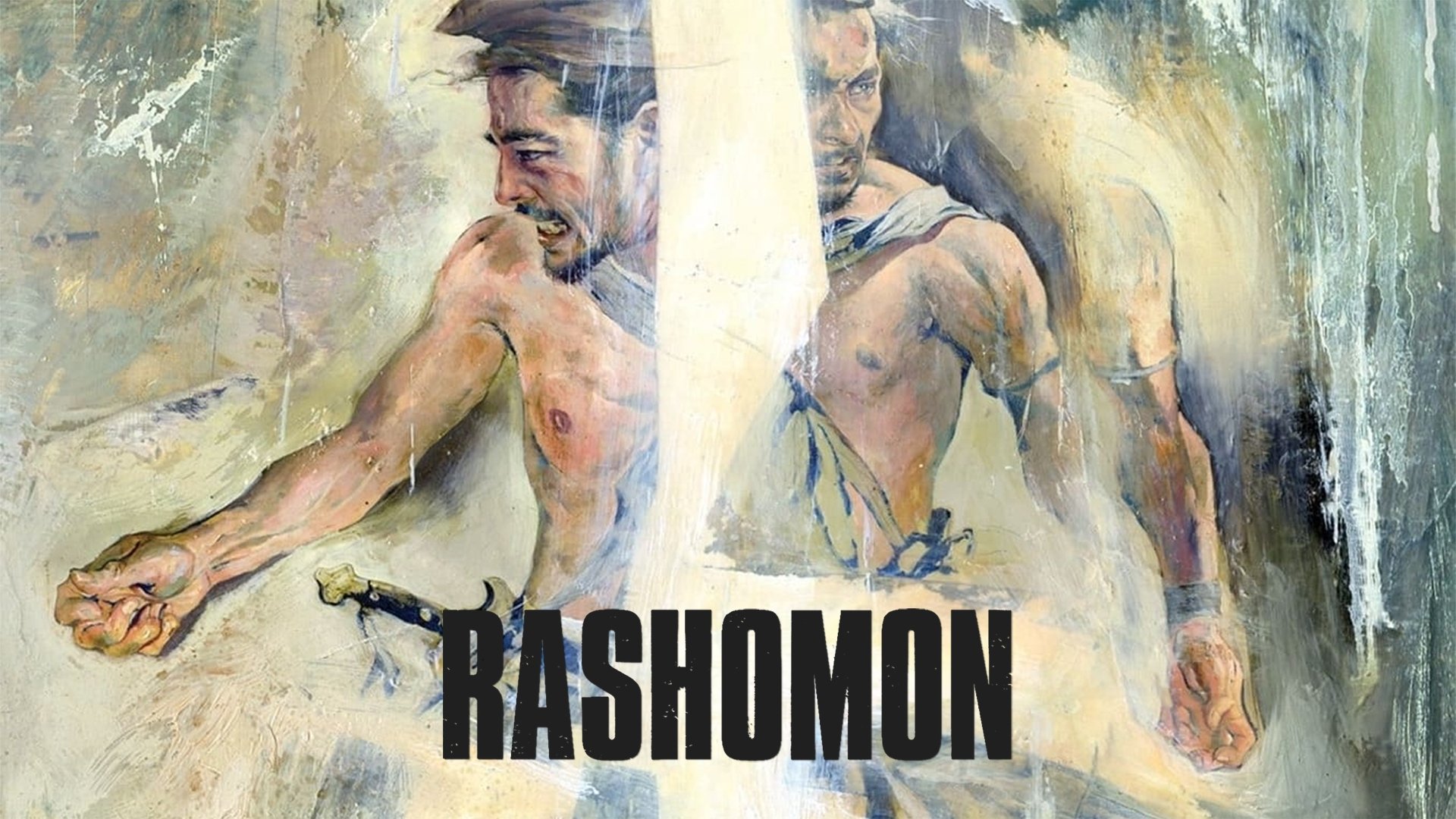
"The husband, the wife… or the bandit?"
Four people recount different versions of the story of a man's murder and the rape of his wife.
“The husband, the wife… or the bandit?”
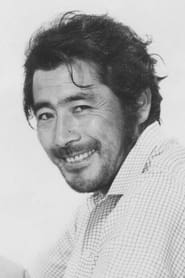
Toshirō Mifune
Tajômaru

Machiko Kyō
Masako
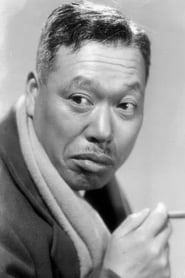
Takashi Shimura
Woodcutter

Masayuki Mori
Takehiro
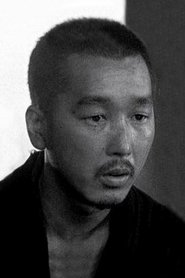
Minoru Chiaki
Priest
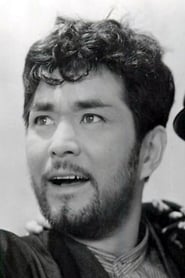
Kichijirō Ueda
Commoner
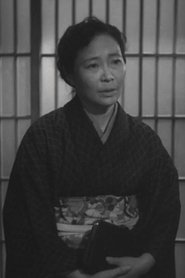
Noriko Honma
Medium

Daisuke Katō
Policeman
Credits
Want more? Switch to Cinephile mode in the header for DP, composer, budget, box office, production companies, keywords, and release history.
Did you know?
Did you know
88 minutes exactly — the "classic feature" runtime most directors aim for.
Did you know
Shot for just $0.3M — micro-budget by Hollywood standards.
Did you know
Earned back only 47% of its budget on initial theatrical — a commercial disappointment on release.
Did you know
76 years old — a genuine piece of film history.
Did you know
Lean credit list — fewer than 30 people officially credited.
Did you know
Directed by Akira Kurosawa, shot by Kazuo Miyagawa. Note their partnership — DPs and directors often return to each other across a career.
Did you know
Original score by Fumio Hayasaka. Worth a dedicated listen after — most great films lose half their impact without the score.
Did you know
Editor Akira Kurosawa shaped the rhythm. On an edit-heavy film, the editor does more to control your pulse than the director.
Cinephile deep dive
Akira Kurosawa directs. Kazuo Miyagawa behind the camera. Fumio Hayasaka scores. Akira Kurosawa cuts. Runs lean at under 100 minutes. A commercial under-performer on release. Produced in Japan. Dialogue in Japanese.
Trivia
Awards
Nominated for 1 Oscar. 9 wins & 5 nominations total
Individual records documented via Wikidata; the summary above may count more.
Also by
Stills · wallpapers
Full-resolution frames — open one to save it as a wallpaper.
Trailers & featurettes
Community reviews
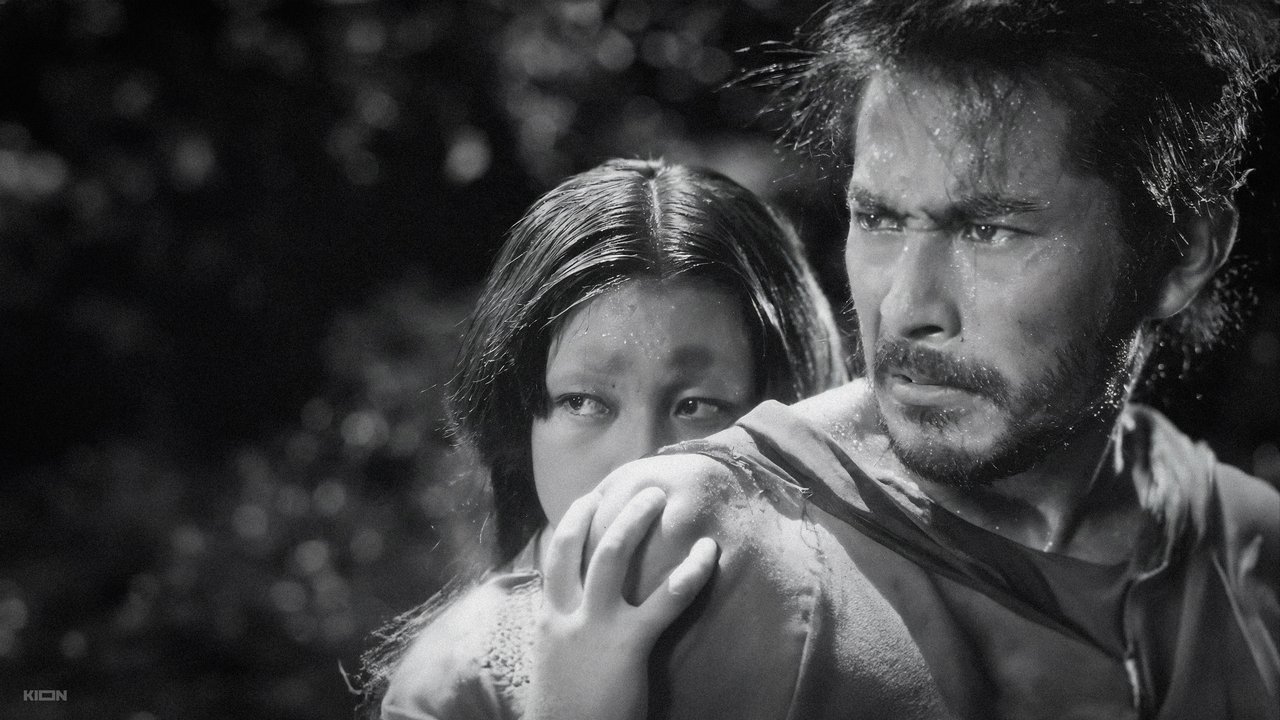
Rashomon beguiles through the torrential downpour of fabrication. “It’s human to lie. Most of the time we can’t even be honest with ourselves”. Honesty. Deceit. Contradiction. A crucial part of human preservation is the requirement to lie. Intentional or accidental, it’s within our ancestral blood. The unprejudiced can succumb to the immoral values of deceit, either through meticulous storytelling or scattershot deception. Even the truth can be distorted by one’s self-absorbed ego. The mutually contradictory stories of a bandit, Samurai and his wife, during a police questioning of an ambush, rape and murder, provides Kurosawa with the leverage to thematically explore the depths of human duplicity. A narrative conveyed through the perspective of four individuals, each telling a variation of the same event and asserting it as the truth. Yet who is moral? Who is verifiable? The answer lies within the embellishments of mankind. The egotistical residue enveloping the desires for personal gain. The bandit, openly admitting to the events in question, proud of his barbaric conquest. The wife, subjecting herself to sorrow and helplessness, innocently scarred from the visceral crime. The Samurai, communicating through a spiritual medium, self-gratifying his noble demise. And the distant woodcutter, examining the various preceding stories, acting as the fragile bystander solidifying his story as the whole truth. But when characters reside in a downbeat world where “you just can’t live unless you’re what you call selfish”, is anyone’s depiction correct? Is lying for personal gain and visibly stealing an abandoned baby’s clothing the same selfish endeavour? Variational stories so similar yet so different in tone. It all comes down to the genius that is Kurosawa. Depicting egoism through embellishment, not just through the verbal tales of the living, but also beyond the grave. Signifying the requirement for flattering falsehood, even when life has been fully exerted. It is the impossibility of human nature that provokes us into fabricating the most obvious details. Never has such an influential film, shrouded in its own classicism, infiltrated my soul through its thematic examination of human psychology as much as this did. Every word. Every detail. Every deadpan look into the camera. Every tracking shot that showcases the glistening sun of truth through the obscurities of darkened natural foliage. It’s perfect. The imperfect gender politics of feudal Japan (“women are naturally weak”) delicately inverted to portray the weakness of humanity, regardless of gender. Utilising the subjectivity of the woodcutter’s perspective, and regarding it as the most truthful conclusive narrative, mankind is objectively weak. And it’s only through our own digressions that we manufacture the strength of the soul. Kurosawa’s symbolic attentiveness never deviated from this examination. His rampart artistry poetically manifesting the beauty of mystery. Invoking the investigative mind of human psychology. And once that overcast storm dissipates, revealing the warm beating rays of honesty, the overwhelming sensation of enlightenment will seep through. A synergistic vitality equalling that of Mifune’s energetic quadruple performance. Each tale altering the personality of his bandit blood. Hysterically laughing at the face of adversity, to unbearably breathing from profuse fear and sin. The nuances are not exhumed just from the enigmatic cast. Kurosawa himself orchestrated a tantalising, influential and innovative mystery that combats the perception of regressive culture. It’s never retrograde nor unprogressive. It is however, and I can utter this with adorned confidence, perfect. Short, sharp and sensational. Relatable on a thematic and personal level that transcends the discourse of time. Apt now as it was back then, only proving that humanity is cemented in deceit and acts of selfishness. As with any Kurosawa feature, the mind must be prepared for allegorical beauty. Rashomon is no different. Rashomon is painted with silky smooth brushes, illustrating an unconventional technique of storytelling through visceral imagery. Rashomon quite simply acquires the perfect rating. An undisputed classic that justifiably conceived, what is now commonly known as, “The Rashomon Effect”.
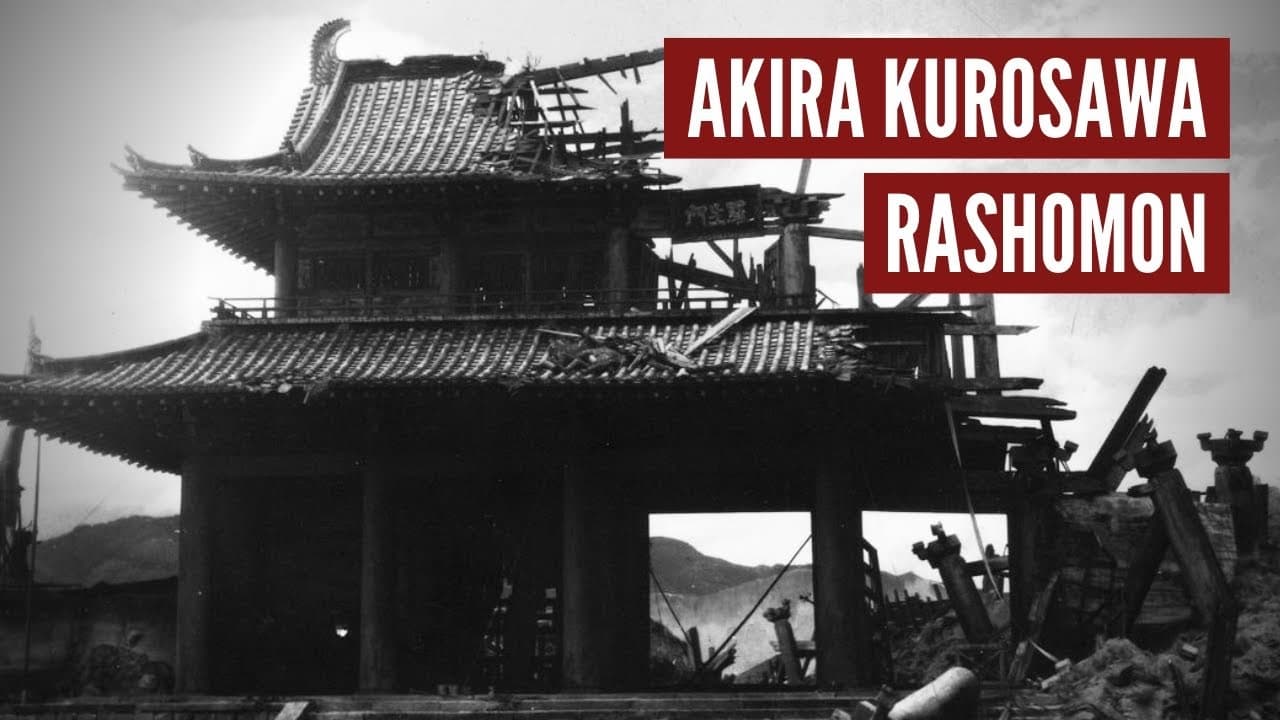
In what seems like an endless, almost biblical, rainstorm we meet three people sheltering in the ruins of an old gatehouse. Each has their own story to tell of the rape of a woman and of the murder of her husband. It was the woodcutter (Takashi Shimura) who discovered the body and who alerted the authorities. It was those authorities that conducted a trial at which a priest (Minoru Chiaki), the woodcutter, the widow/victim (Machiko Kyô); the ghost of her deceased Samurai husband and, finally, the renowned bandit "Tajômaru" (Toshirô Mifune) are required to testify. We are shown manifestations of each testimony: all smilier but different. Who were the two victims? Was he honourable and decent? Was she demure or a temptress? Are those testifying embellishing what they saw, what they did? What makes this film great is that there doesn't appear to be a right answer. Each version is plausible, nobody is entirely trustworthy and at the end of each story, you could easily agree that was an accurate report on the turn of events. Accompanied by the relentless sound of the rain and by a soundtrack that reminded me very much of Ravel's "Bolero" we explore each permutation with some super performances from all concerned, but especially from the almost maniacal Mifune and from Miss Kyô. Kurosawa packs loads into less than ninety minutes in a salutary lesson in classy and enthralling film making that is quickly paced, characterfully delivered and suitably exasperating at the end! This is a good film.
A good movie. Despite acknowledging the quality and attention to detail, I can't really enjoy Japanese cinema. Maybe because it's so different from what we have around here. But even being so different, we have to recognize the talent of those who have it. Akira Kurosawa is a director with a sharp eye and detail, who knows how to direct the people under his command and extract from each one what he needs for the film he has in hand. This film seemed to me to be a lot more complicated than it would have been presumed, and I must say that I decided to watch it without knowing very well what I was going to find. Sometimes it feels good to discover something and let yourself be surprised, doesn't it? The story revolves around a crime committed in the middle of the forest, in which a very rich nobleman dies, and the film explores very well the nuances between the versions of the facts, told by various actors. However, the relativity of truth, which Kurosawa ends up defending in his film, I cannot help opposing the precision and absolute reality of the facts. If Kurosawa thinks that there can be several truths around a fact, I personally prefer to defend that there can be several perspectives, several faces of a single truth, factually verifiable. On that point, I disagree with the director. Regardless of my personal disagreements with Kurosawa, we have to recognize the beauty of the script, in its simple writing, but not simplistic, crystalline and clear, but always done in a challenging, philosophical tone. The actors help the director a lot in his eagerness, with great commitment to the ongoing project and high doses of professionalism. Personally, I think I can only highlight Toshiru Mifune, an excellent actor in yet another superb job. The others are just as good, but I don't know them. Technically, the film is worth it for all the details. The cinematography, in black and white, stands out with an excellent use of light and shadow, and great sharpness. The film takes place in the middle of the forest and knows how to make it mysterious, yet fascinating, and the settings are magnificent in their detail. The soundtrack is also good, but I confess that it didn't always captivate me.
Production companies

Daiei Film
JP
Themes & keywords
Release history · US
Also known as
 Movie
Movie2018
 Movie
Movie2000
 Movie
Movie1974
 Movie
Movie1993
 Movie
Movie2001
 Movie
Movie1986
 Movie
Movie1966
 Movie
Movie2001
 Movie
Movie2015
 Movie
Movie2002