

1 / 8
RUNTIME
Did you know
Clocks in at 169 minutes — on the longer side of feature-length cinema.
MoodPlayr · trivia#01
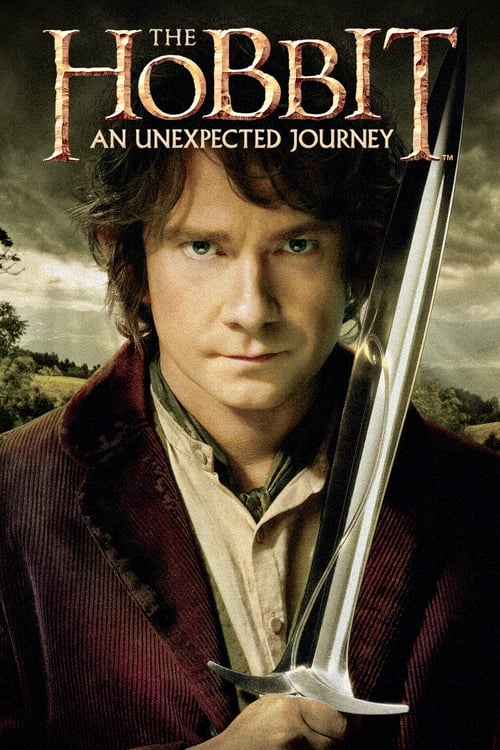
"From the smallest beginnings come the greatest legends."
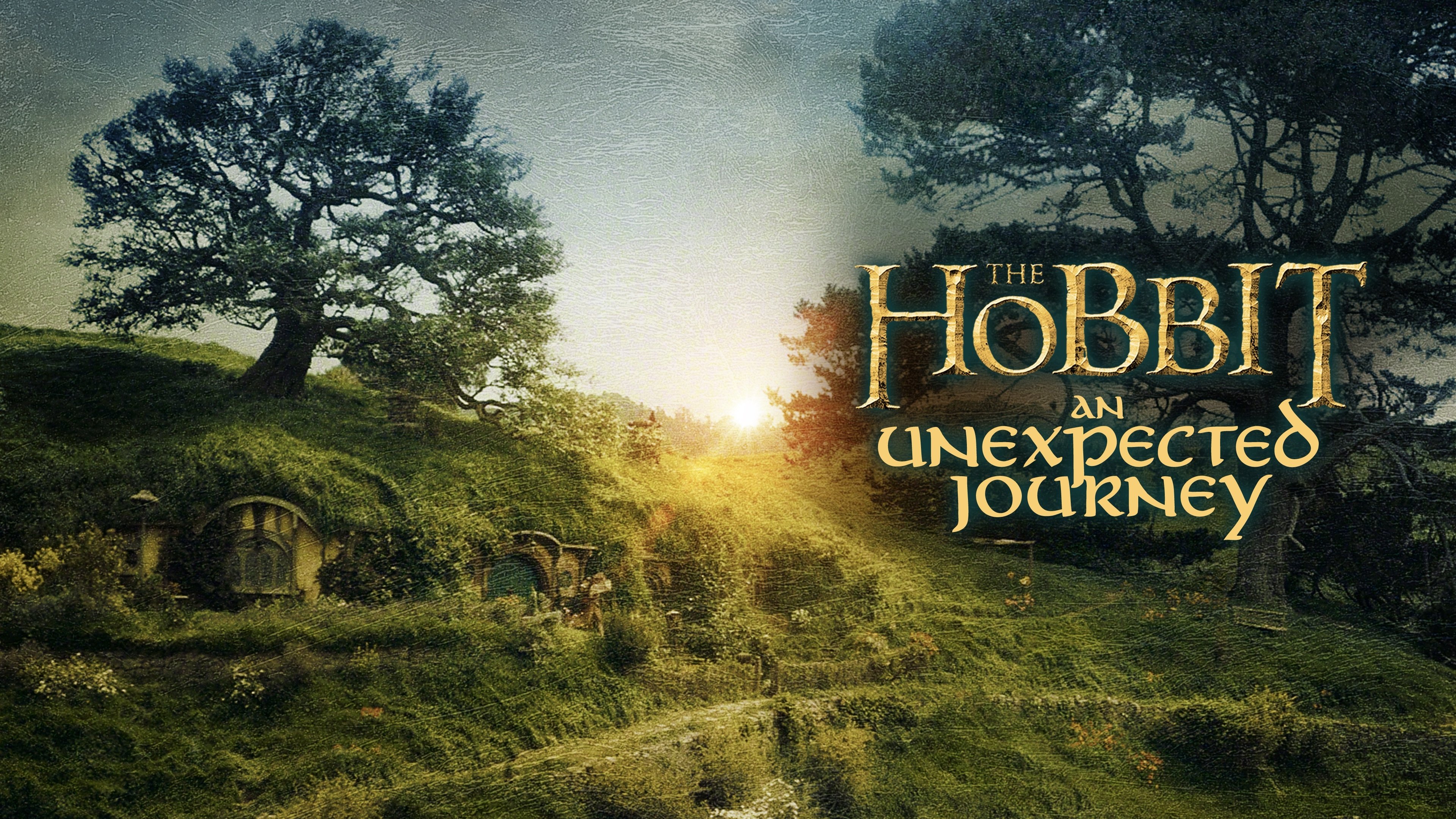
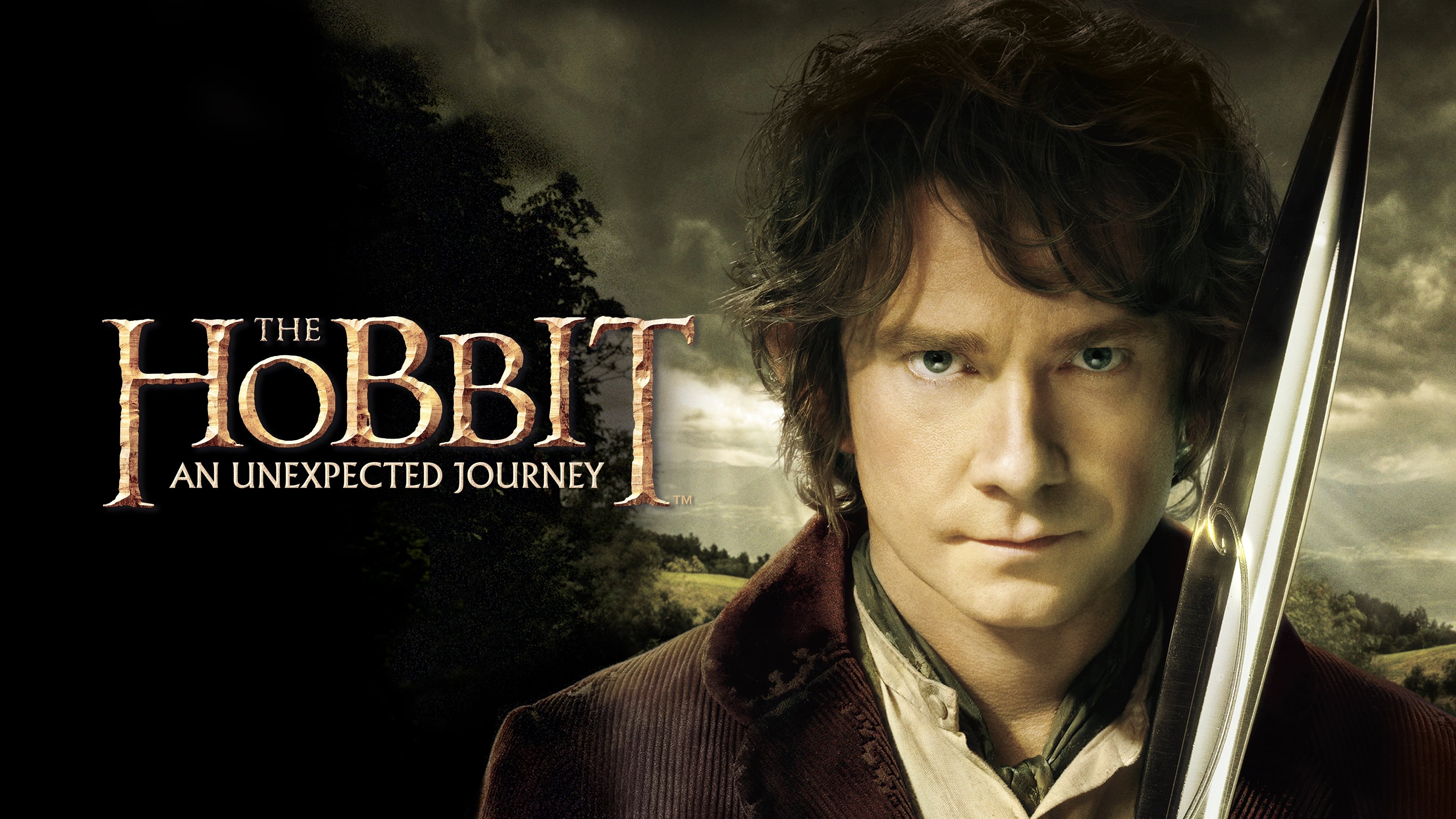
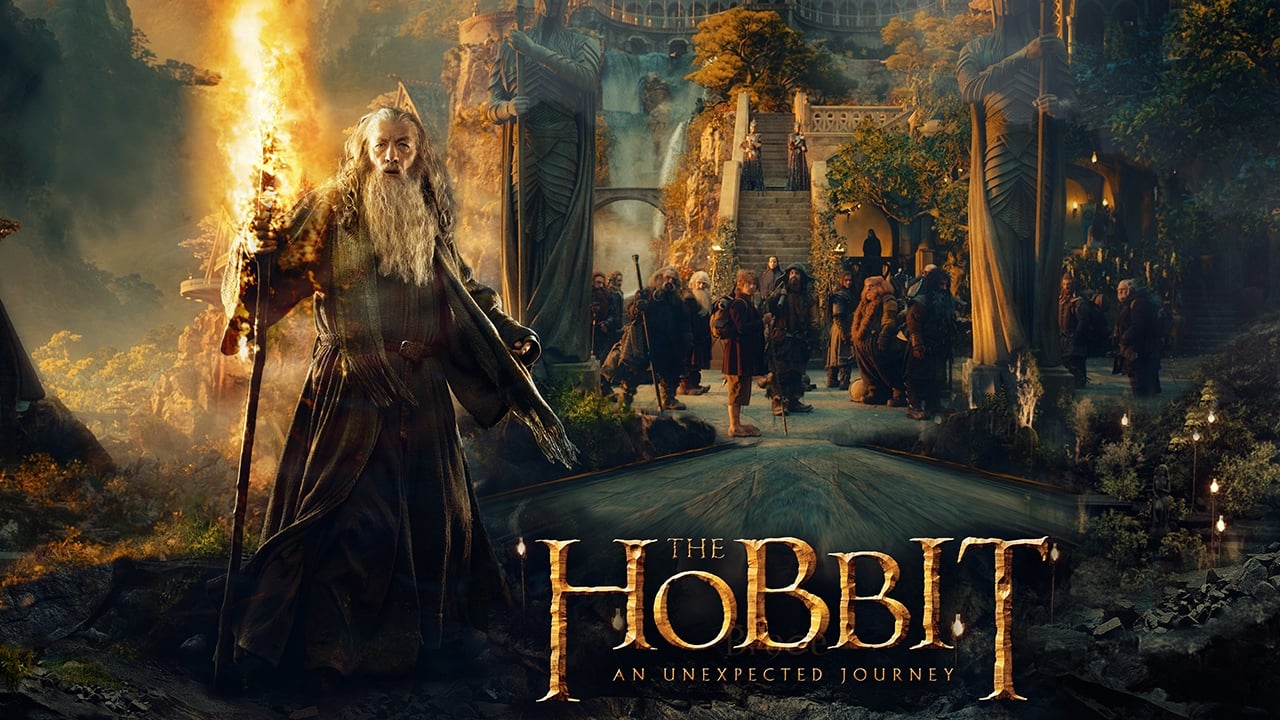
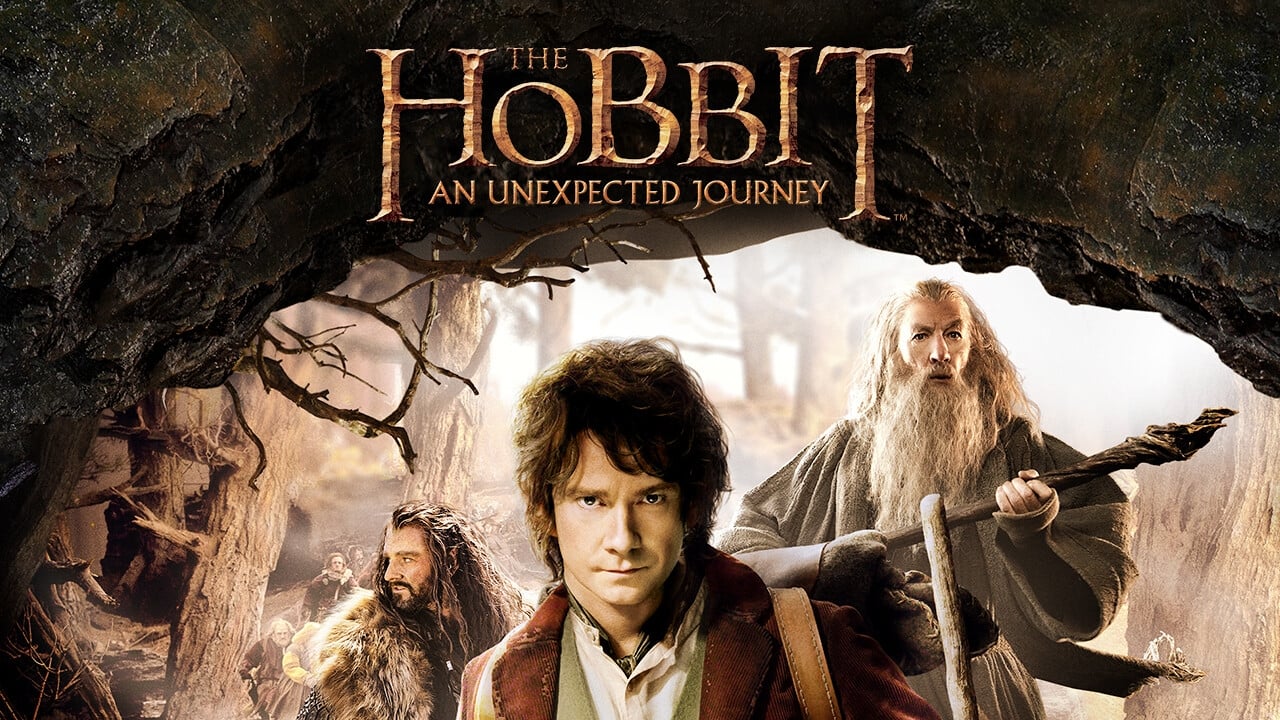
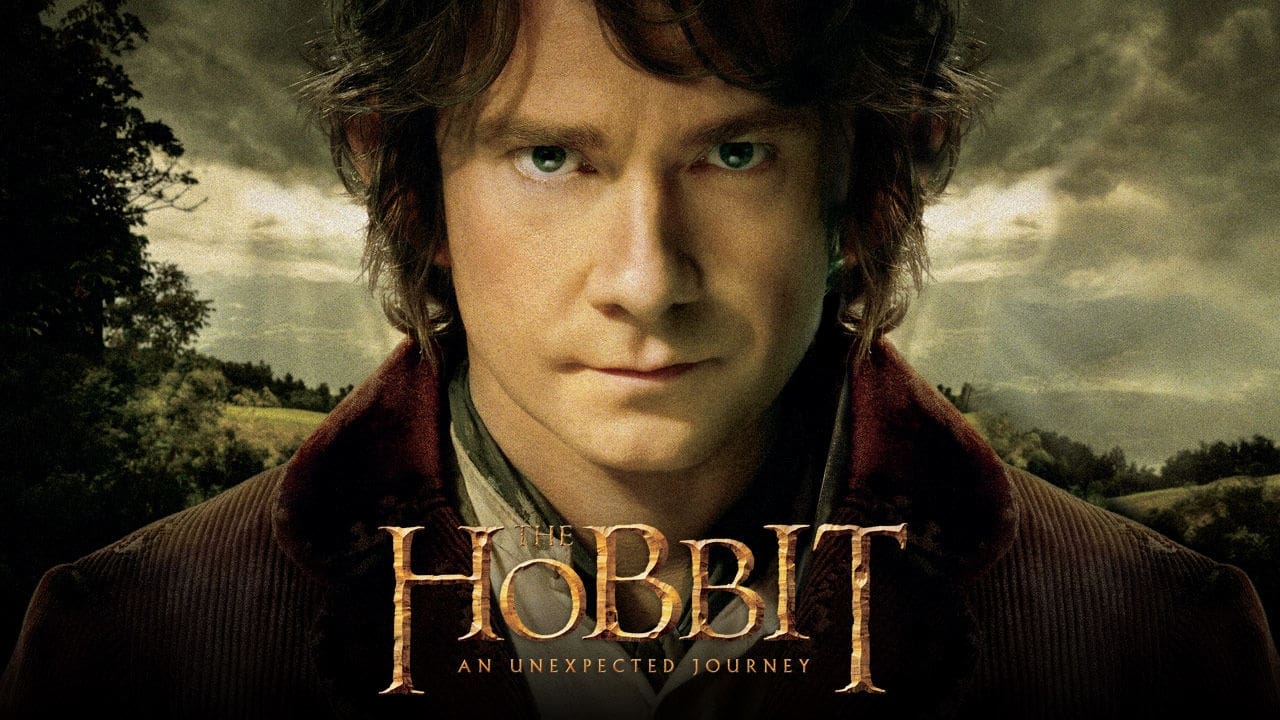
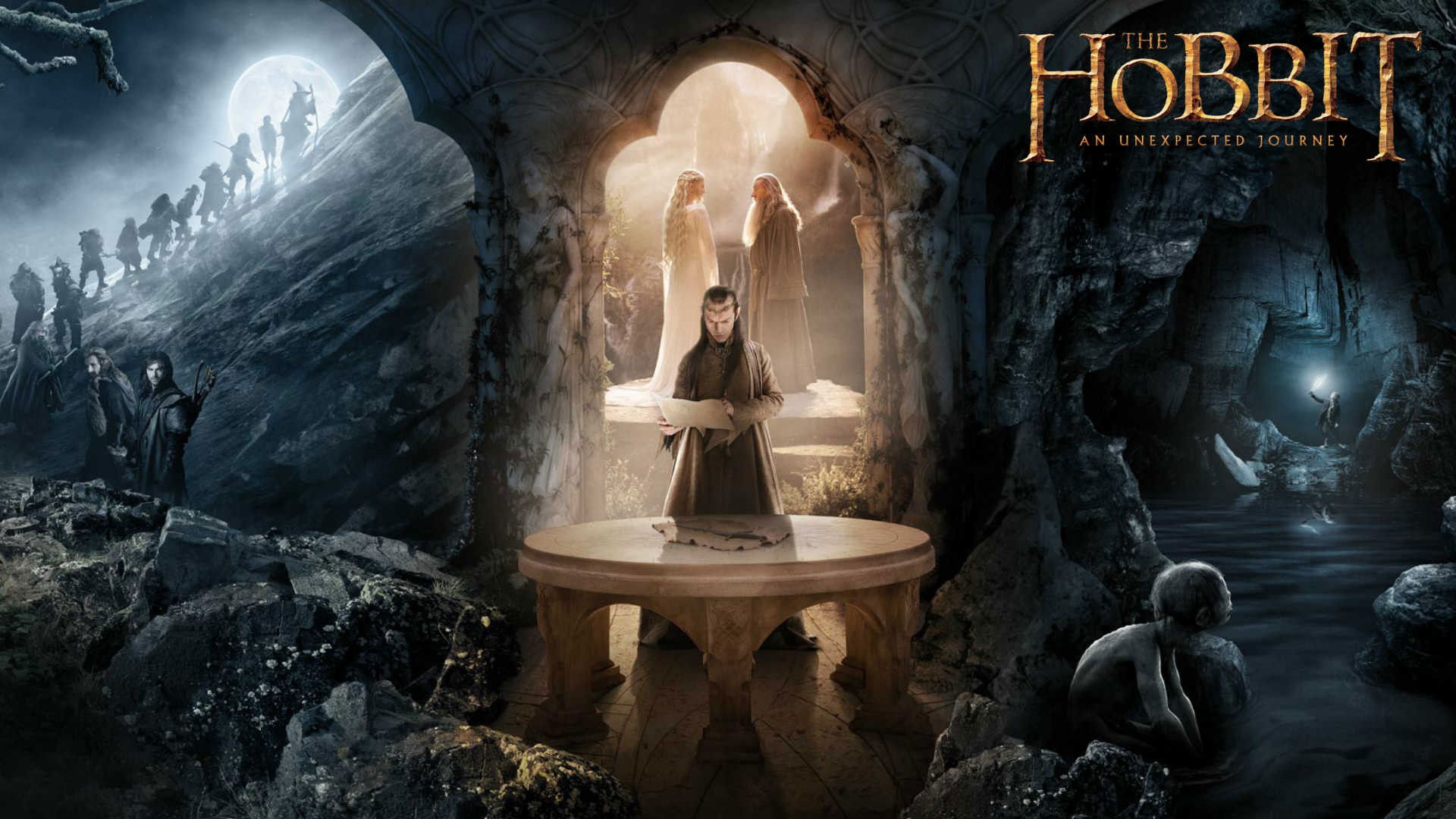
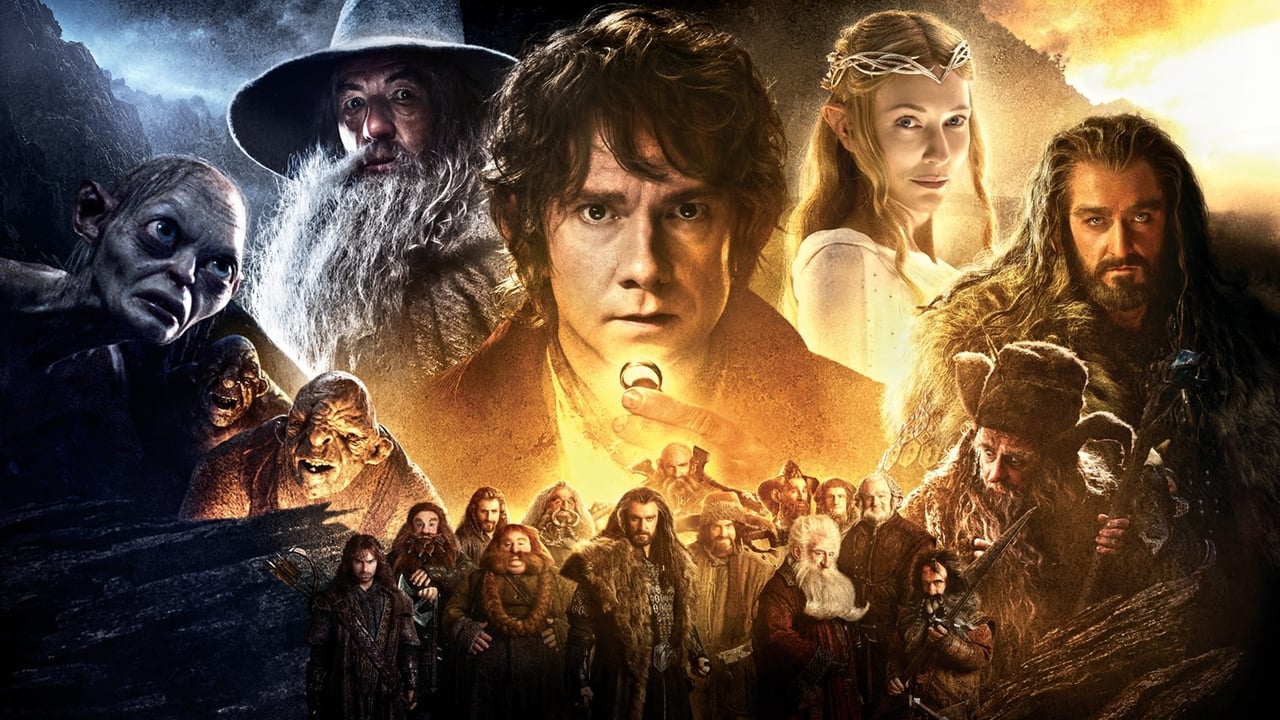
Bilbo Baggins, a hobbit enjoying his quiet life, is swept into an epic quest by Gandalf the Grey and thirteen dwarves who seek to reclaim their mountain home from Smaug, the dragon.
“From the smallest beginnings come the greatest legends.”

Martin Freeman
Bilbo Baggins

Ian McKellen
Gandalf the Grey

Richard Armitage
Thorin Oakenshield

James Nesbitt
Bofur

Ken Stott
Balin
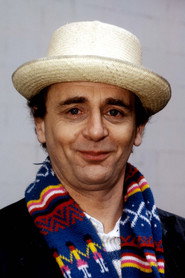
Sylvester McCoy
Radagast the Brown
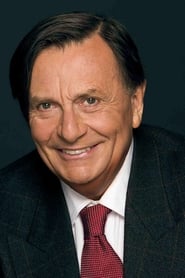
Barry Humphries
The Great Goblin
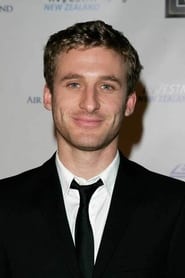
Dean O'Gorman
Fili
Credits
Want more? Switch to Cinephile mode in the header for DP, composer, budget, box office, production companies, keywords, and release history.
Did you know?
Did you know
Clocks in at 169 minutes — on the longer side of feature-length cinema.
Did you know
Budget of $250M — blockbuster tier. Only ~1% of films ever made reach this.
Did you know
Made its money back 4.1× over at the box office.
Did you know
Released 14 years ago.
Did you know
International production across 2 countries: New Zealand, United States of America.
Did you know
Part of the "The Hobbit Collection" — so the characters or world continue elsewhere.
Did you know
599+ people credited in cast and crew — a small city's worth of labour.
Did you know
Directed by Peter Jackson, shot by Andrew Lesnie. Note their partnership — DPs and directors often return to each other across a career.
Cinephile deep dive
Peter Jackson directs. Andrew Lesnie behind the camera. Howard Shore scores. Jabez Olssen cuts. A long sit — settle in. Made its budget back several times over at the box office. Produced in New Zealand, United States of America. Dialogue in English.
Trivia
Awards
Nominated for 3 Oscars. 11 wins & 76 nominations total
Individual records documented via Wikidata; the summary above may count more.
Part of
The Hobbit collection is a three-part epic fantasy-adventure film directed and produced by Peter Jackson and based on J. R. R. Tolkien's fantasy novel of the same name. The trilogy of films are set in Middle-earth 60 years before "The Lord of the Rings", and will act as a prequel to Jackson's The Lord of the Rings trilogy.
Also by
Stills · wallpapers
Full-resolution frames — open one to save it as a wallpaper.
Trailers & featurettes
Community reviews
Peter Jackson creates the same world that he already shown us in the LOTR, but that's not the only thing he repeats. He also repeats ripping Tolkiens book into a sucession of endless races and actions scenes with orcs falling everywhere and several "inventions" that mess the beautiful story created by the English author. He also repeats those several minutes of platform game inside caves that we saw in Moria and in his version of King Kong. If you loved the previous movies from Jackson, you will love this too. If you are looking for some quality, you will only finding in the re-creation of the Middle Earth and the peformances of Ian McKellen, Martin Freeman and Cate Blanchett.
An other great master peace has been added the the Lord of The Rings collection. This movie was an excellent example of how great actors, an amazing story and a beautiful world can be produced in such an excellent way. Peter Jackson has out done his self by creating this great film. There are differences from the book but I can't complain about any of them, yes I love the original story but this one is still one of the best. All in all a amazing movie.
Over a decade after a little-known director from New Zealand managed to con New Line Cinema into giving him $300 million to make a trilogy based on JRR Tolkien's seminal fantasy (and long considered unfilmable) work The Lord of the Rings, the cinematic landscape for fantasy has changed drastically. Much like Tolkien's tome, the Lord of the Rings films came to utterly define high fantasy in film, with even competing fantasy adaptations like The Chronicles of Narnia and Alice in Wonderland cribbing from Peter Jackon's critically-acclaimed, audience-adored multipart epic. Now Jackson has returned to the land that made him famous for a go-round with Tolkien's earlier work, The Hobbit. Tolkien's The Hobbit is far more modest in scope than its enormous sequel, and geared for a younger audience. It introduced the world to Bilbo Baggins, a typically quiet hobbit who is coaxed into adventure by the grey wizard Gandalf, enlisted to aid thirteen dwarves in reclaiming their long-lost homeland. Jackson had the unenviable task of following up on his blockbuster Academy Award-winning masterpiece, and initially passed off the directing responsibilities to fantasy master Guillermo del Toro. Difficulties securing the film rights led to delay after delay, and del Toro finally departed, leaving the original creative team the ability to step back into place and create a follow-up/lead-in with the same creative staff in front of and behind the camera. Jackson returned as director, co-writing with Fran Walsh and Phillipa Boyens (though del Toro retains a screenwriting credit), Andrew Lesnie as cinematographer, and Howard Shore as composer, along with all of the other stalwarts of the original trilogy. The lone exception to that is the recasting of Martin Freeman as the titular hobbit, taking over for the aging Ian Holm. Holm appears in the film's framing sequence (a scene that takes place immediately prior to the beginning of The Fellowship of the Ring), along with that trilogy's star, Elijah Wood. But this time out, it's Freeman's show, and he's as charming, witty, and engaging as you could imagine. He also makes a perfect Young Ian Holm. The casting is truly inspired. Sir Ian McKellen returns as Gandalf (here playing his more impish grey incarnation, rather than the frankly humorless white version) and the heralded thespian manages to imbue his character with both immense power and gravitas, while still throwing in little flourishes that sell Gandalf as an imperfect man, rather than just an all-knowing power. Rounding out the third of this film's main characters, and an addition to this world, is Richard Armitage as Thorin Oakenshield, the leader of the motley crew of dwarves. Armitage likewise manages to imbue Thorin with both rage and honor, and is easily believable as someone who could lead these dwarves into life-threatening battle. The other twelve dwarves are something of a blur, but a few of them manage to make an impression, even with limited screen time. I imagine the two future installments of the series will afford them each the chance to shine. Which brings up the most contentious point of this whole Hobbit affair: the fact that it's a three-part epic. The Hobbit, as written, is a comparatively slim tome of around 300 pages (compare that to The Lord of the Rings' combined 1,600). This installment alone is ten minutes shy of a whopping three hours. And as anyone who's seen The Return of the King can attest, Jackson can get rather indulgent at times (the end[s] of that film). Initially the film was going to be split in twain, then later divvied up into three parts. Tolkien, ever the completist, wrote volumes of backstories for this world, and Jackson decided to pull from them to bulk out these films. I've seen a lot of hay being made about the film being bloated and, yes, indulgent. I'm an editor at heart, and am generally hyper-sensitive about cutting down to the bone. But the strangest thing happened on the way to the Lonely Mountain: I found myself simply rolling along with the shaggy-dog pace of the film. It's astonishing in hindsight. The film virtually redefines "taking the scenic route," but the crazy thing is I didn't mind it in the least. I believe it's because of the lowered stakes of The Hobbit. Every single frame of The Lord of the Rings was suffused with overbearing doom; that trilogy's "save the world" plot became as heavy a burden to bear as the ring hung around Frodo's neck. But The Hobbit is lighter, freer, funnier, and doesn't have the weight of the world on its shoulders. It's rather the difference between having an appointment you need to get to in heavy traffic and taking a weekend to just drive around, stopping when and where you like. This pace will likely have a dire impact on the film's rewatchability, but sitting in the theater for a midnight showing? Magic. The structure of the film itself seems to have ADD. Its innumerable diversions began to remind me of a live-action Family Guy episode, with character or event mentions that suddenly cause the film to cut away to a dramatization of said. But again, and I can't stress enough how unexpected this was for me, I didn't mind in the least (with one exception: it appears to be an inviolable rule that any scene in Rivendell will stop a film dead in its tracks). The craft of the film manages to best that of its predecessor trilogy: Howard Shore turns in one of his most stirring scores, the production design and art direction are again immersive and beautiful, and Andrew Lesnie continues his unique style of cinematography combining gorgeous shots (wonderful) with frequently blowing out highlights (distracting and ugly). One complaint I do have is Jackon's newfound over-reliance on CGI. Azog the Defiler (a chief antagonist of the film) and the Goblin King (a bit of a lark) are the sorts of character that would have (and should have) been practical effects in the original trilogy. Here they're fully CGI, and their menace is undermined by it. Gollum returns for his most famous scene, and looks wonderful; Andy Serkis' performance and the CGI truly sell this pitiful creature. CGI can be pitiful but not threatening, it appears. I don't know what the other two installments of The Hobbit have in store. What I do know is that this return to Middle-earth is off to a great start, and if this is any indication of things to come, I'll most assuredly enjoy the ride.
Production companies

New Line Cinema
US

Metro-Goldwyn-Mayer
US

WingNut Films
NZ
Themes & keywords
Release history · US
Also known as
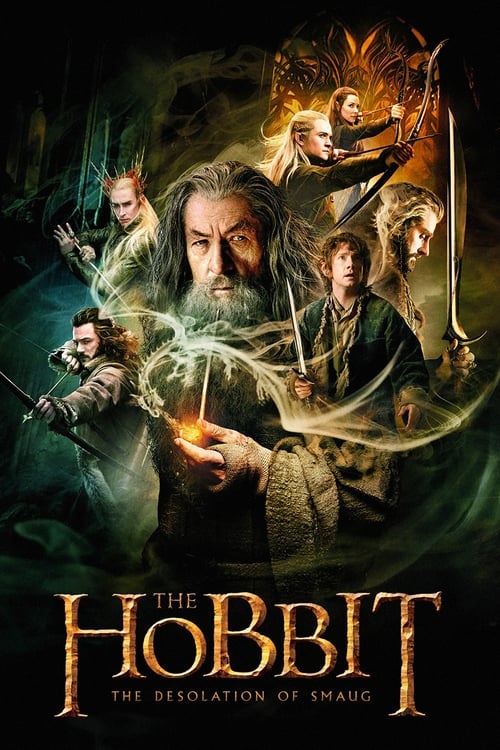 Movie
Movie2013
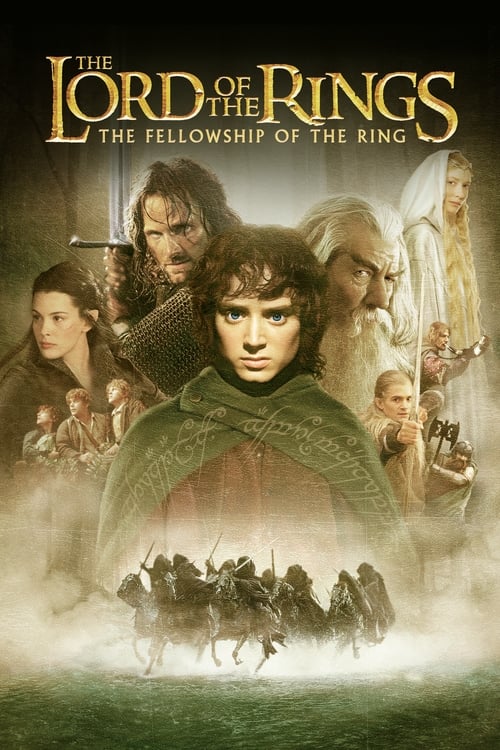 Movie
Movie2001
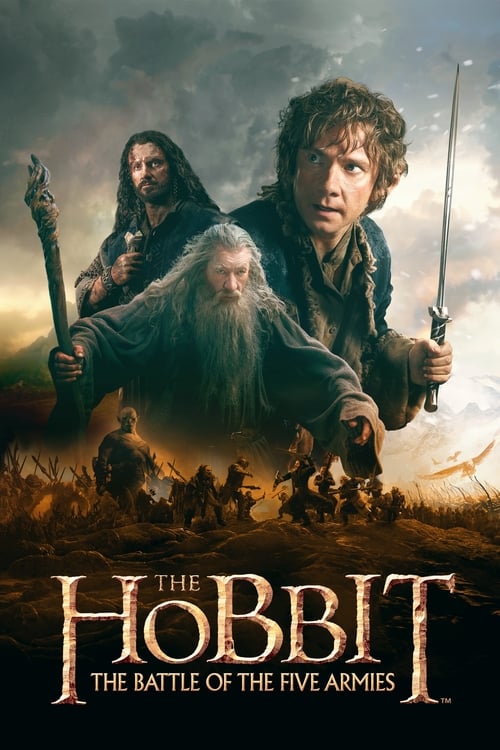 Movie
Movie2014
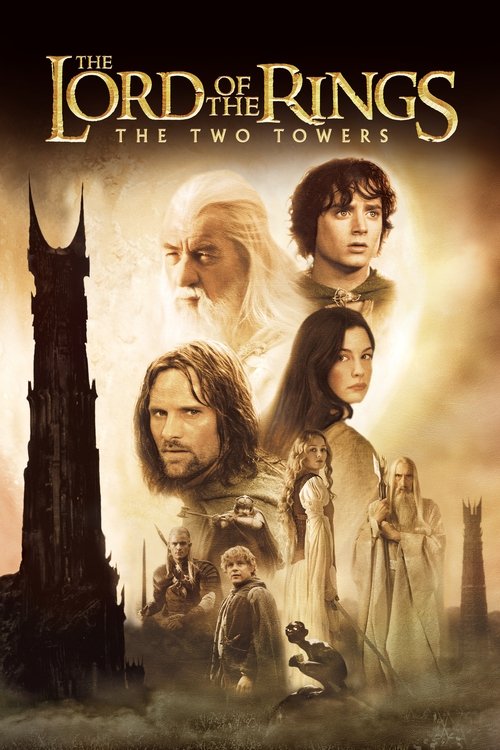 Movie
Movie2002
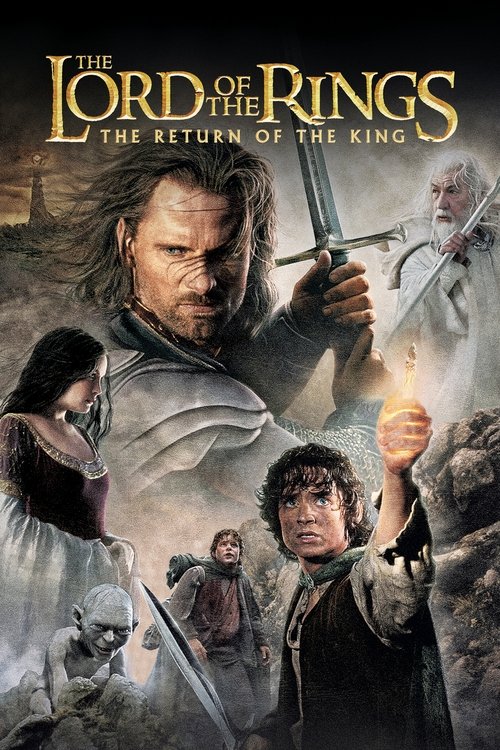 Movie
Movie2003
 Movie
Movie1978
 Movie
Movie2024
 Movie
Movie2023
 Movie
Movie2005
 Movie
Movie1985