

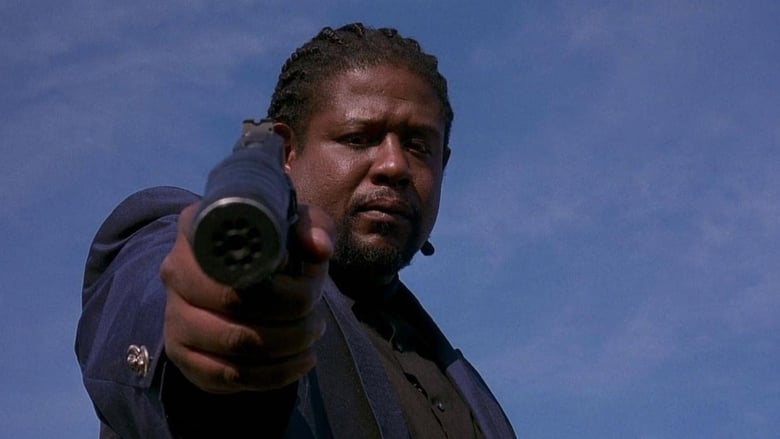
1 / 8
MONEY
Did you know
Shot for just $2.0M — micro-budget by Hollywood standards.
MoodPlayr · trivia#01
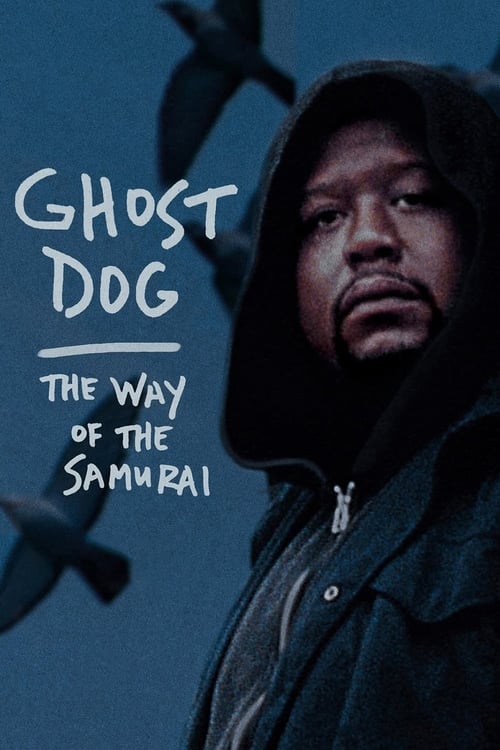
"Live by the code. Die by the code."
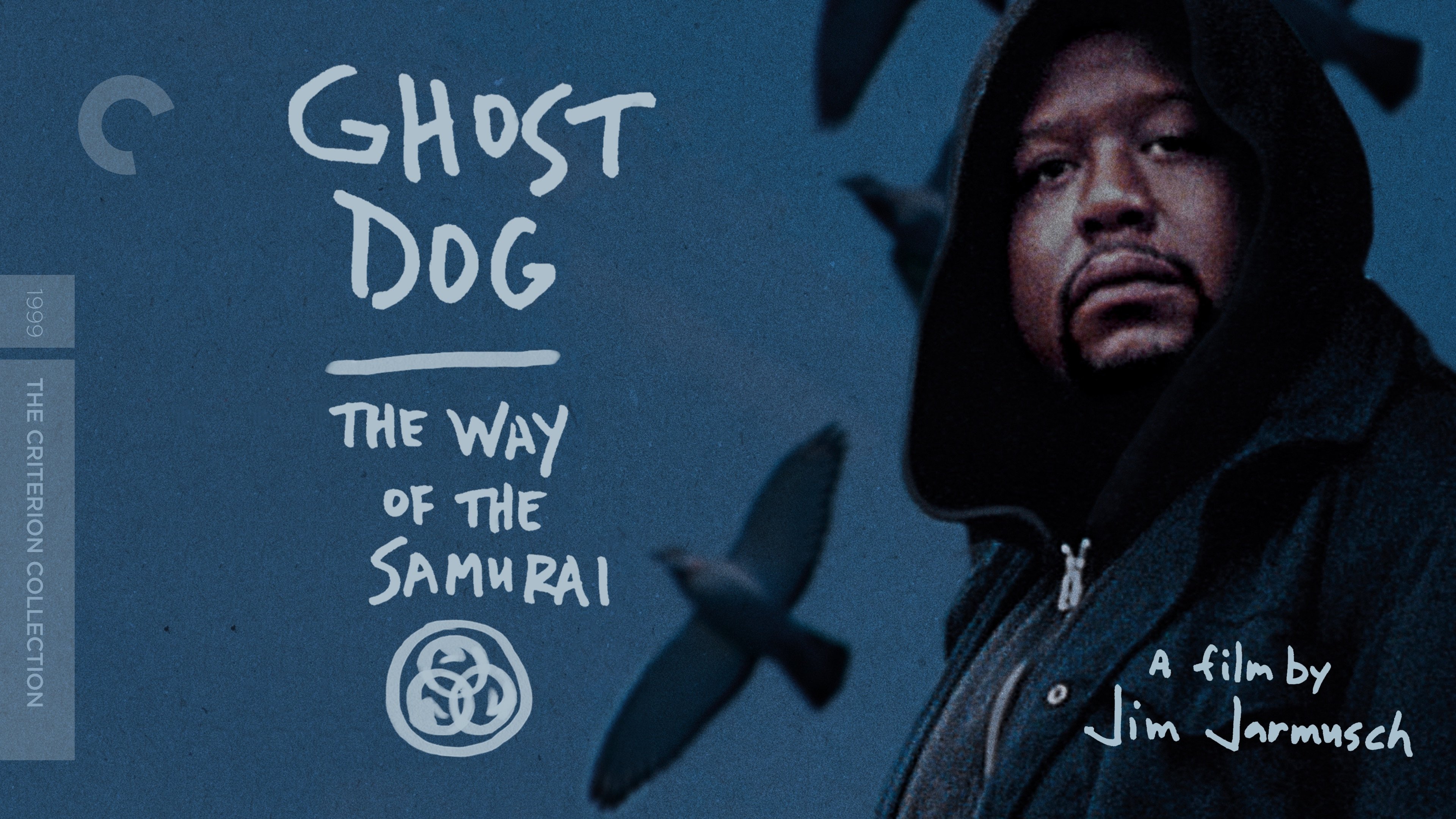
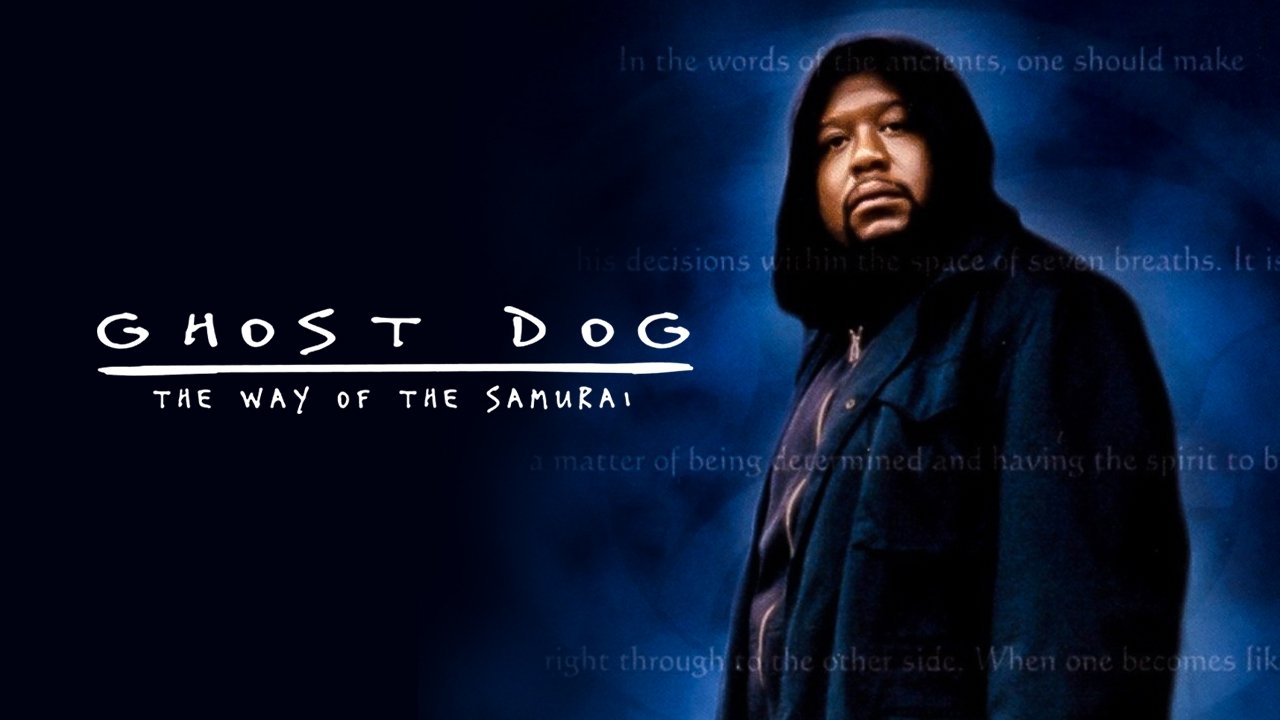
A Black hitman who models after the samurai of old finds himself targeted for death by the mob.
“Live by the code. Die by the code.”
Where to watch · US
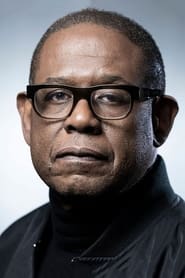
Forest Whitaker
Ghost Dog
John Tormey
Louie

Cliff Gorman
Sonny Valerio
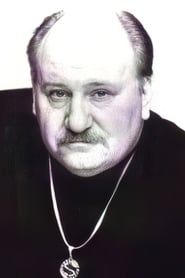
Frank Minucci
Big Angie
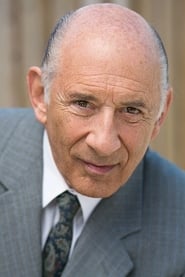
Richard Portnow
Handsome Frank
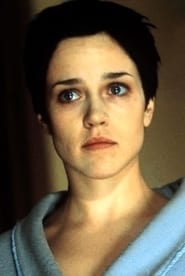
Tricia Vessey
Louise Vargo
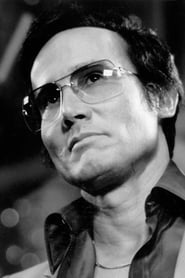
Henry Silva
Ray Vargo
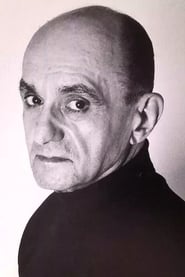
Gene Ruffini
Old Consigliere
Credits
Want more? Switch to Cinephile mode in the header for DP, composer, budget, box office, production companies, keywords, and release history.
Did you know?
Did you know
Shot for just $2.0M — micro-budget by Hollywood standards.
Did you know
Made its money back 4.7× over at the box office.
Did you know
27 years old — old enough to be someone's favourite childhood film.
Did you know
International production across 4 countries: France, Germany, Japan, United States of America.
Did you know
233+ people credited in cast and crew — a small city's worth of labour.
Did you know
Directed by Jim Jarmusch, shot by Robby Müller. Note their partnership — DPs and directors often return to each other across a career.
Did you know
Original score by RZA. Worth a dedicated listen after — most great films lose half their impact without the score.
Did you know
Editor Jay Rabinowitz shaped the rhythm. On an edit-heavy film, the editor does more to control your pulse than the director.
Cinephile deep dive
Jim Jarmusch directs. Robby Müller behind the camera. RZA scores. Jay Rabinowitz cuts. Made its budget back several times over at the box office. Produced in France, Germany, Japan, United States of America. Dialogue in English.
Trivia
Awards
1 win & 8 nominations total
Also by
Stills · wallpapers
Full-resolution frames — open one to save it as a wallpaper.
Trailers & featurettes
Community reviews
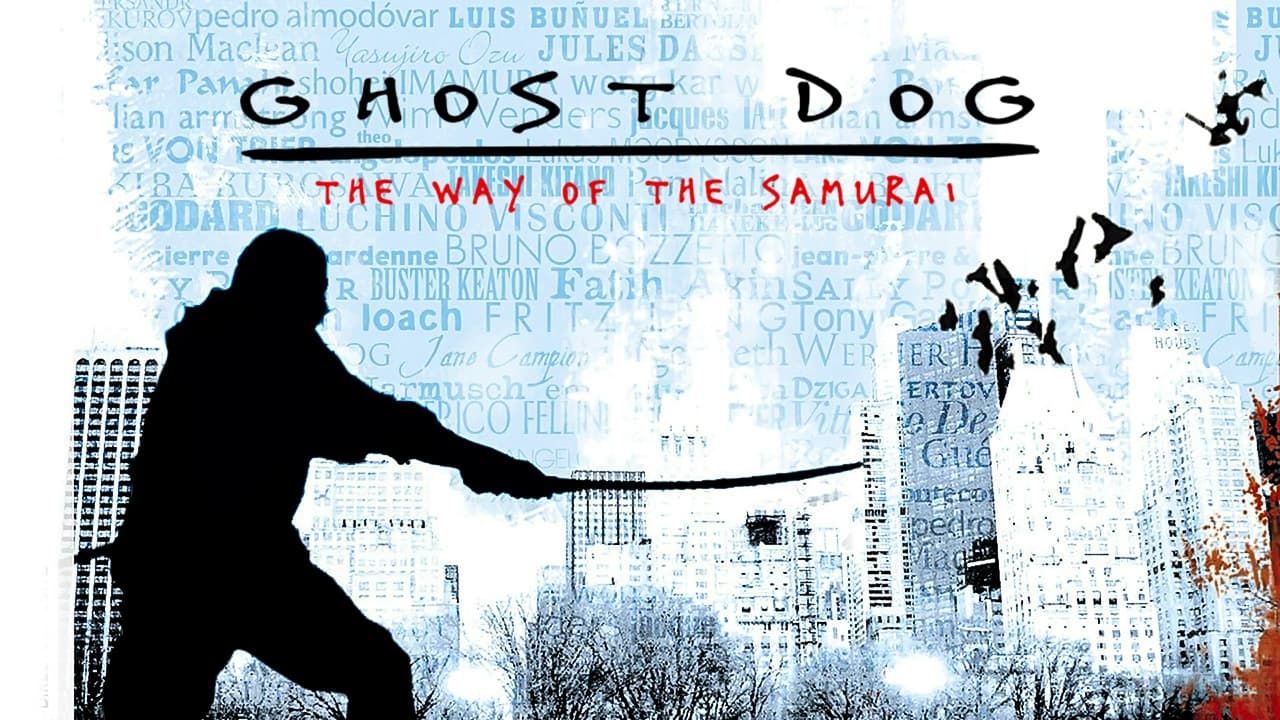
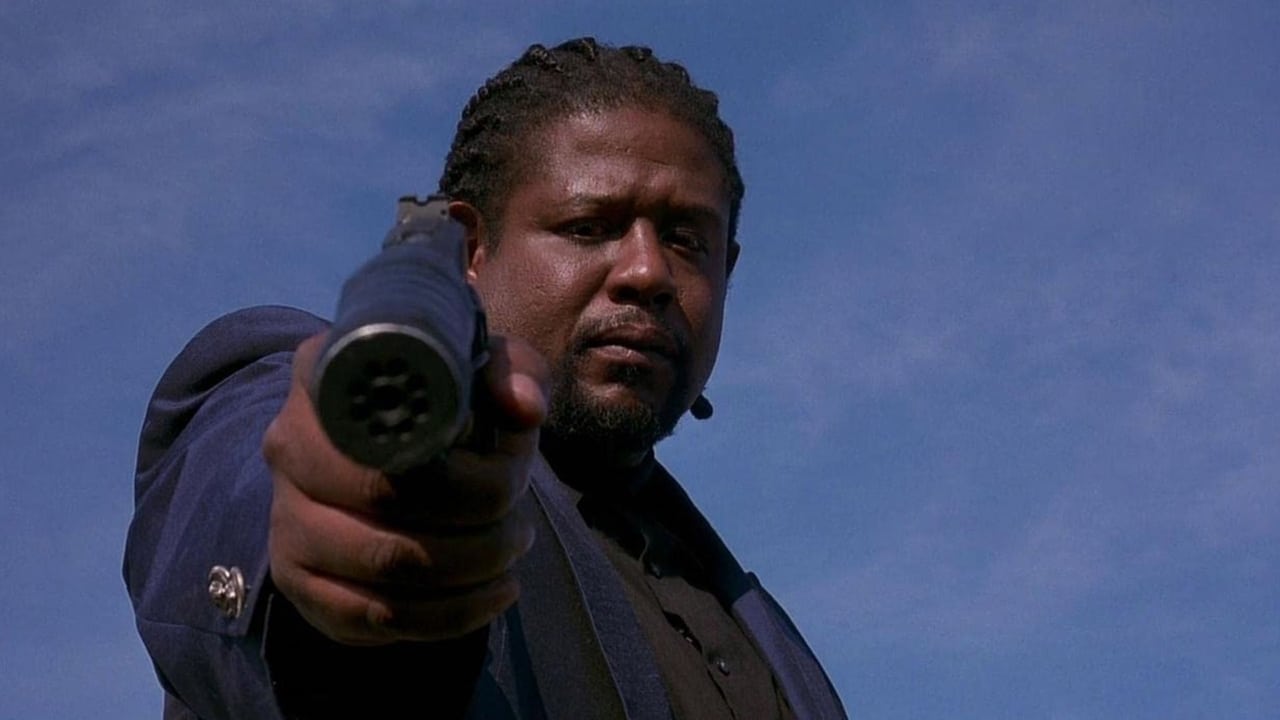
The eponymous protagonist of Jim Jarmusch's 1999 film GHOST DOG is an African-American hitman (Forest Whitaker) working for an Italian mafia in New Jersey and living according to the Hagakure, Japan's samurai code. After a hit goes wrong through no fault of the assassin's own, his mafia liaison Louie (John Tormey) is sympathetic, but explains that his superiors now want Ghost Dog dead. The film follows Ghost Dog's revenge and depicts a clash between two ancient tribes that both seem out of date in this modern world: Ghost Dog's samurai code and Italian mafia ideas of loyalty. Jarmusch has always been open about the fact that he soaks up a huge number of inspirations from earlier films, books, and music and then lets them reflect in his own work. Any cinephile will instantly recognize Jean-Pierre Melville's 1967 film Le Samouraï as the point of departure for GHOST DOG. In Meville's classic, a Parisian hired assassin lives according to a strict code. But Melville didn't really know much about Japan, and even the quotation from a samurai text at the beginning of his film was just made up by Meville himself. Jarmusch seems to have decided, "OK, I'll show you a hired-assassin film that's really rooted in the code of the Samurai". Forest Whitaker quotes from Hagakure throughout the film, and there are also references to the work of Akira Kurosawa. But GHOST DOG is not a remake, and Jarmusch takes the basic premise in a very individual direction. There's a lot of humour here, something missing from the serious Melville inspiration. In casting for the mafia dons, Jarmusch chose faces as brutal and distinctive as Dick Tracy's rogues gallery: Henry Silva as the don, and Cliff Gorman and Gene Ruffini as his righthand men. But Jarmusch then gives them the occasional zany line that cracks that chilling façade. Isaach de Bankole plays a supporting role as a French-speaking Haitian immigrant and Ghost Dog's best friend, a role that is pure comic relief because the man doesn't speak English and Ghost Dog doesn't understand French, but they always manage to understand each other. Until the late 1990s, Jarmusch had mainly been known as a fairly low-budget independent filmmaker writing cute little stories about personal relationships in low-key American life. Jarmusch's America was consistently depicted as run-down neighbourhoods and overgrown vacant lots. With its generous budget, large cast and special effects, GHOST DOG marked a huge leap forward in Jarmusch's work. Still, it maintains Jarmusch's interest in America as a land of urban blight and seedy underbellies: most of the film takes place in an ugly New Jersey urban setting. Furthermore, instead of being glamorized, the Italian mafia is depicted as a spent force, mainly elderly men who can't rake in the cash and influence they used to, and even forced to pay protection money to Chinese newcomers. As the film reaches its shocking ending, the glamour is drained from Ghost Dog's warrior code, as well. The music for GHOST DOG was provided by RZA, at the time still best known as part of the Wu-Tang Clan. The music mainly consists of wordless beats, though, with actual rapping only at a few points. Personally, I find the use of hip-hop a weak point of the film (Jarmusch looks like an outsider looking in to this scene, unable to organically make it part of his own work), and RZA's insistence on appearing in the film itself disrupts the rhythm of the film's climax.
Ghost Dog: The Way of the Samurai (1999) Directed by Jim Jarmusch Honestly, I've never been a huge fan of Jim Jarmusch; he never fully captured my attention. But Ghost Dog I enjoyed immensely, primarily because Forest Whitaker did an amazing job of encapsulating the feeling of a zen martial artist. My own Buddhist training began in a Karate class with a teacher who was himself brought up in Japanese monastery training, authentic in other words. So I know what that discipline looks like, what that stillness costs, and Whitaker gets it right. He moves through the world with the economy and precision of someone who has internalized the code completely. The samurai angle, with passages from the Hagakure woven throughout, was deeply attractive to me. The film takes bushido seriously, not as exotic decoration but as a lived philosophy of service, loyalty, and acceptance of death. And the fact that Ghost Dog is invisible at night, moving like a ninja through the urban landscape, was a level up: The film understands that a warrior can move through the world without disturbing it. Outside that, the RZA soundtrack was fantastic, appropriate and completely enjoyable. The score never overwhelms; it supports the meditative quality of Ghost Dog's existence while giving the film a contemporary edge. I loved the bit with Whitaker and the Haitian ice cream man being good friends when neither understood the other's language. That was a beautiful touch, a quiet argument that connection transcends words, that friendship can exist in gestures and presence alone. As usual with Jarmusch, there's something that pulls me from suspension of disbelief. In this case, the "mafia" was too much like caricature. I have been close to some old mafia. They have great senses of humor, are intelligent, and real; not caricatures. Jarmusch's mobsters feel like they wandered in from a parody, bumbling and cartoonish in a way that undermines the gravity of Ghost Dog's world. It's a shame, because the film works best when it's taking itself seriously. In spite of that, I'll give the film an 8/10. Whitaker's performance alone is worth the watch, and for anyone interested in how ancient warrior codes translate into modern contexts, Ghost Dog offers something rare: a meditation on honor in a dishonorable world, executed with sincerity and style.
Production companies

JVC
JP

Bac Films
FR

Pandora Film
DE
Plywood Productions
US

ARD Degeto
DE

Le Studio Canal+
FR
Themes & keywords
Release history · US
Also known as