1 / 8
MONEY
Did you know
Shot for just $0.1M — micro-budget by Hollywood standards.
MoodPlayr · trivia#01

"Sometimes there’s nothing left to do but laugh!"
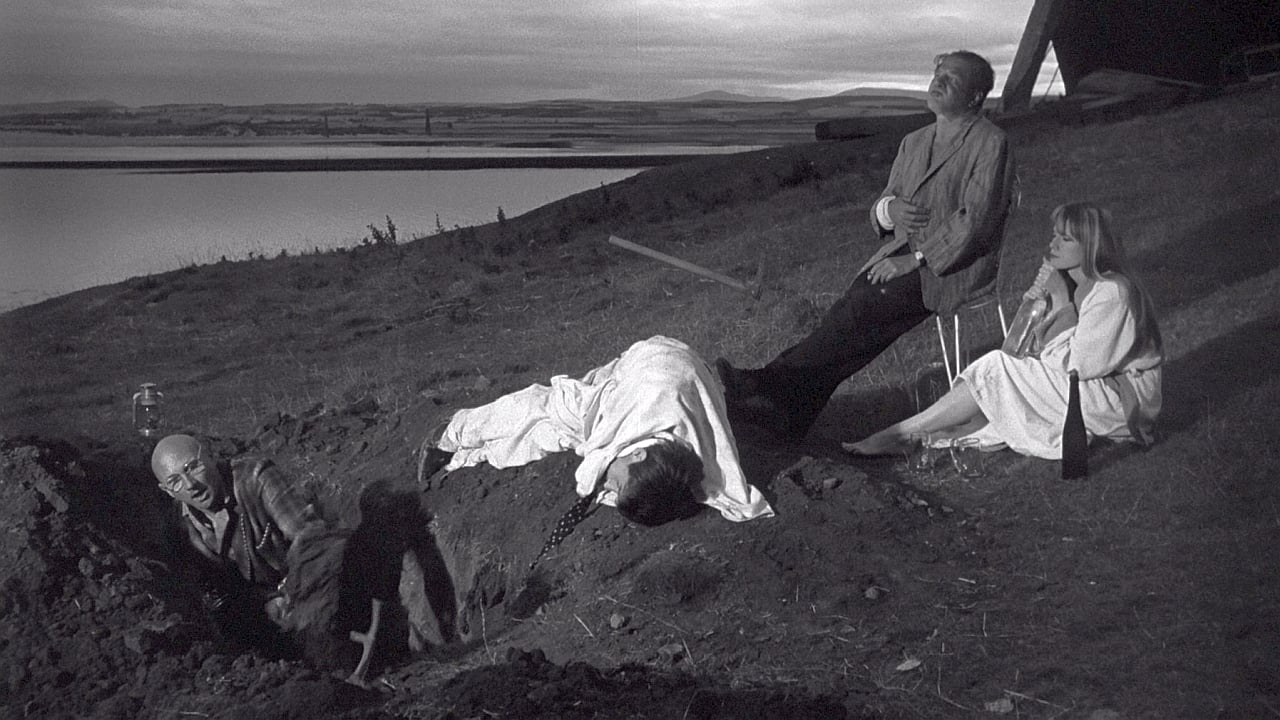
On the run and in search of help, two wounded gangsters find refuge in the secluded castle of a feeble man and his wife; however, under the point of a gun, nothing is what it seems.
“Sometimes there’s nothing left to do but laugh!”
Where to watch · US
 Amazon Prime VideoSubscription
 fuboTVSubscription
 MGM+ Amazon ChannelSubscription
 PhiloSubscription
 MGM Plus Roku Premium ChannelSubscription
 MGM PlusSubscription
 FlixFlingSubscription
 ScreenPix Apple TV channelSubscription
 Amazon Prime Video with AdsSubscription
 IndieFlix Shorts Amazon ChannelSubscription
 ScreenPix Amazon Channel SubscriptionFlixFlingRentFlixFlingBuy
Lionel Stander
Richard
Donald Pleasence
George

Françoise Dorléac
Teresa
Jack MacGowran
Albie
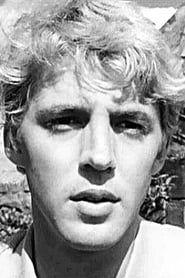
Iain Quarrier
Christopher

Jacqueline Bisset
Jacqueline
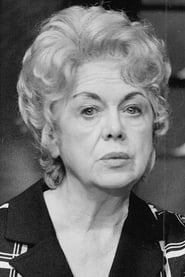
Renée Houston
Christopher's Mother
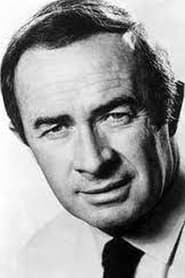
William Franklyn
Cecil
Credits
Want more? Switch to Cinephile mode in the header for DP, composer, budget, box office, production companies, keywords, and release history.
Did you know?
Did you know
Shot for just $0.1M — micro-budget by Hollywood standards.
Did you know
60 years old — a genuine piece of film history.
Did you know
Lean credit list — fewer than 30 people officially credited.
Did you know
Directed by Roman Polanski, shot by Gilbert Taylor. Note their partnership — DPs and directors often return to each other across a career.
Did you know
Original score by Krzysztof Komeda. Worth a dedicated listen after — most great films lose half their impact without the score.
Did you know
Editor Alastair McIntyre shaped the rhythm. On an edit-heavy film, the editor does more to control your pulse than the director.
Did you know
Lionel Stander and Donald Pleasence and Françoise Dorléac carry the top of the cast.
Did you know
Marketing tagline: "Sometimes there’s nothing left to do but laugh!".
Cinephile deep dive
Roman Polanski directs. Gilbert Taylor behind the camera. Krzysztof Komeda scores. Alastair McIntyre cuts. Produced in United Kingdom. Dialogue in English.
Trivia
Awards
Individual records documented via Wikidata; the summary above may count more.
Also by
Stills · wallpapers
Full-resolution frames — open one to save it as a wallpaper.
Trailers & featurettes
Community reviews
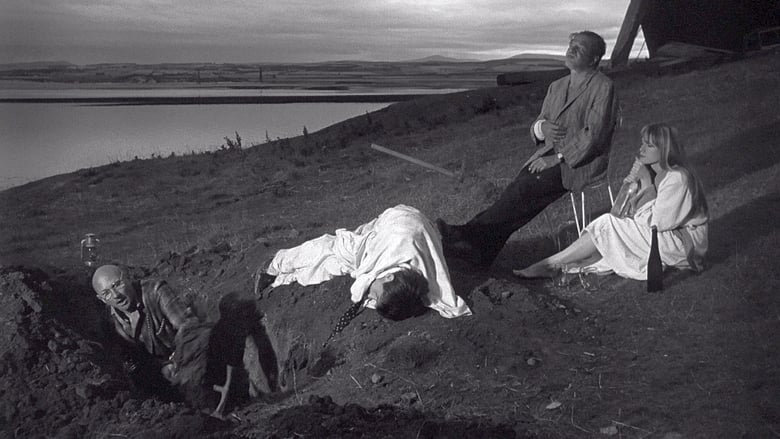
Mid-60’s art house flick is dramatically tedious, but has interesting themes A diminutive artist (Donald Pleasence) lives with his much-younger French wife (Françoise Dorléac) in a castle on a tidal island in northern England. When a gruff gangster (Lionel Stander) shows up on their doorstep havoc ensues. Iain Quarrier, William Franklyn and a young Jacqueline Bisset show up for peripheral parts. "Cul-de-Sac" (1966) is one of Roman Polanski's early experiments, a freestyle B&W psychological crime dramedy that takes elements of “The Damned” (1963), “Touch of Evil” (1958) and “A Streetcar Named Desire” (1951) and mixes them with black humor and the theme of the later “Straw Dogs” (1971). Jack Nicholson cited it as his favorite film, which makes sense when you consider Nicholson’s “The Shooting” (1966). In tone, it’s the precursor to Altman flicks like “The Long Goodbye” (1973). There’s such an improvisational feel that one wonders what the point is? French girls are neurotic and promiscuous: British artists are wussies? Those who live by the gun will die by the gun? No matter how much a person tries to escape the world to focus on fulfilling his/her art (whatever that might be), the corruption of the world will come knocking on your door and might even share your bed? That even a finely cultured man will resort to his primordial nature if backed into a corner? The film obviously has its partisans, who deem it a masterpiece. There are some interesting technical things going on, like the 7.5 minute scene on the beach, which was one of the longest continuous sequences in cinema up to that point. But the characters are oddball and unlikable while the story is meandering and dramatically dull. Yet the locations, the cast and the themes are to die for, not to mention the eccentricities. The film runs 1 hour, 52 minutes, and was shot at Holy Island of Lindisfarne, off the coast of northeastern England. GRADE B-/C+
Production companies
Tekli British Productions
GB
Compton Films
GB
Themes & keywords
Release history · US
Also known as