

1 / 8
RUNTIME
Did you know
Clocks in at 170 minutes — on the longer side of feature-length cinema.
MoodPlayr · trivia#01
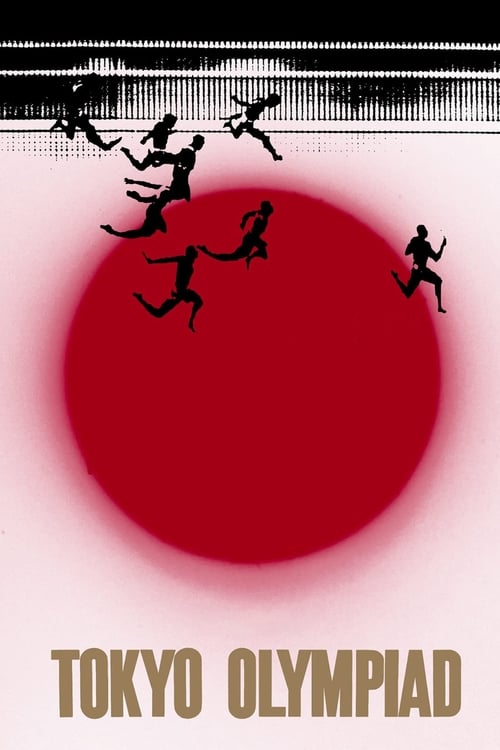
"The Man’s Picture… Every Woman Will Love!"
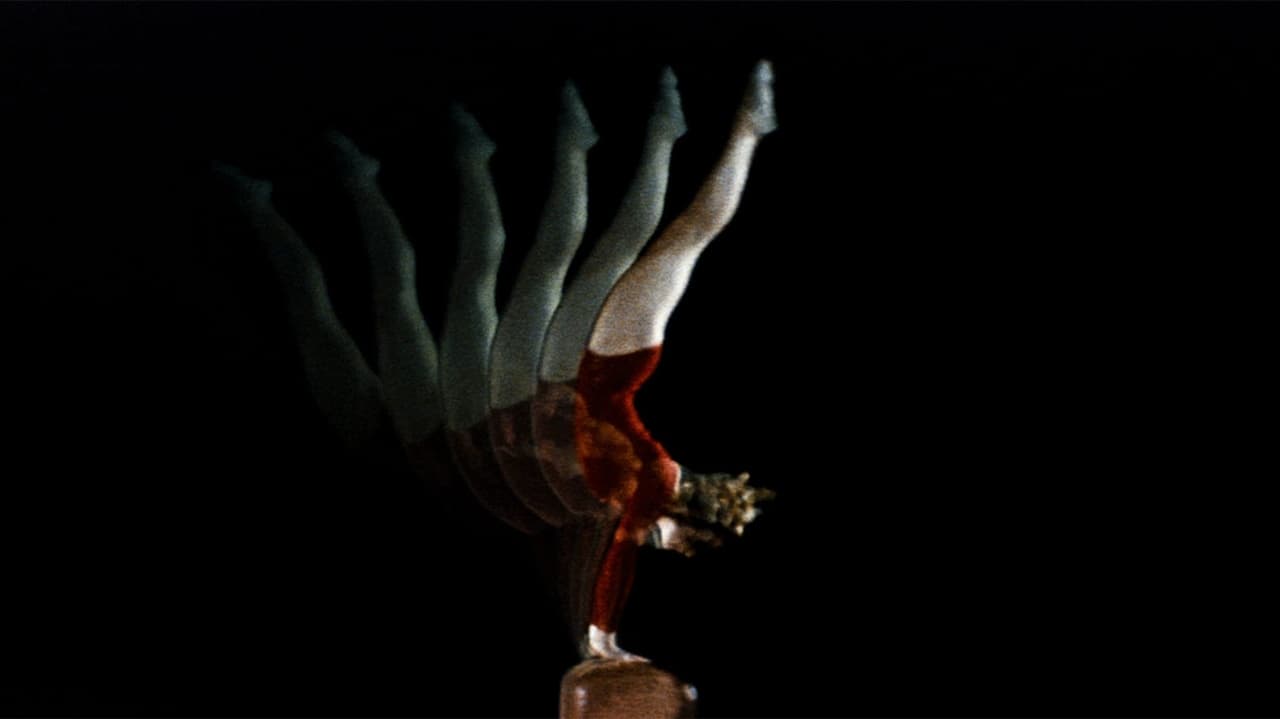
This impressionistic portrait of the 1964 Tokyo Summer Olympics pays as much attention to the crowds and workers as it does to the actual competitive events. Highlights include an epic pole-vaulting match between West Germany and America, and the final marathon race through Tokyo's streets. Two athletes are highlighted: Ethiopian marathon runner Abebe Bikila, who receives his second gold medal, and runner Ahamed Isa from Chad, representing a country younger than he is.
“The Man’s Picture… Every Woman Will Love!”
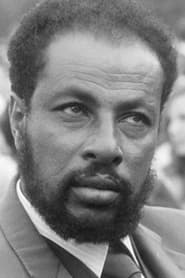
Abebe Bikila
Self
Ahmed Issa
Self
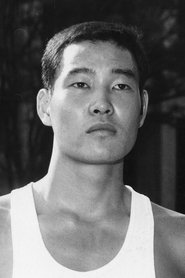
Yoshinori Sakai
Self
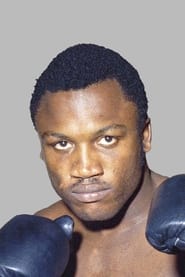
Joe Frazier
Self
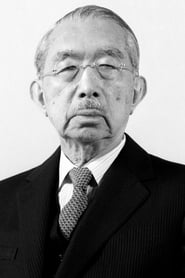
Emperor Hirohito of Japan
Self
Credits
Want more? Switch to Cinephile mode in the header for DP, composer, budget, box office, production companies, keywords, and release history.
Did you know?
Did you know
Clocks in at 170 minutes — on the longer side of feature-length cinema.
Did you know
61 years old — a genuine piece of film history.
Did you know
Part of the "100 Years of Olympic Films: 1912–2012" — so the characters or world continue elsewhere.
Did you know
Directed by Kon Ichikawa, shot by Shigeo Murata. Note their partnership — DPs and directors often return to each other across a career.
Did you know
Original score by Toshirō Mayuzumi. Worth a dedicated listen after — most great films lose half their impact without the score.
Did you know
Editor Tatsuji Nakashizu shaped the rhythm. On an edit-heavy film, the editor does more to control your pulse than the director.
Did you know
Abebe Bikila and Ahmed Issa and Yoshinori Sakai carry the top of the cast.
Did you know
Marketing tagline: "The Man’s Picture… Every Woman Will Love!".
Cinephile deep dive
Kon Ichikawa directs. Shigeo Murata behind the camera. Toshirō Mayuzumi scores. Tatsuji Nakashizu cuts. A long sit — settle in. Produced in Japan. Dialogue in Japanese.
Trivia
Part of
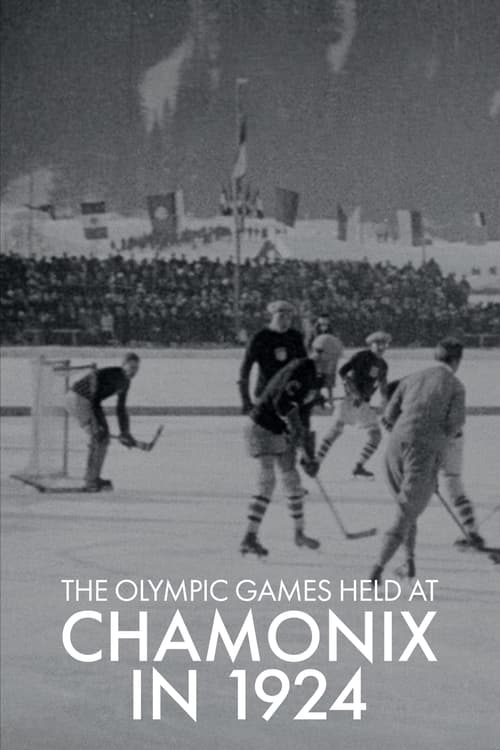
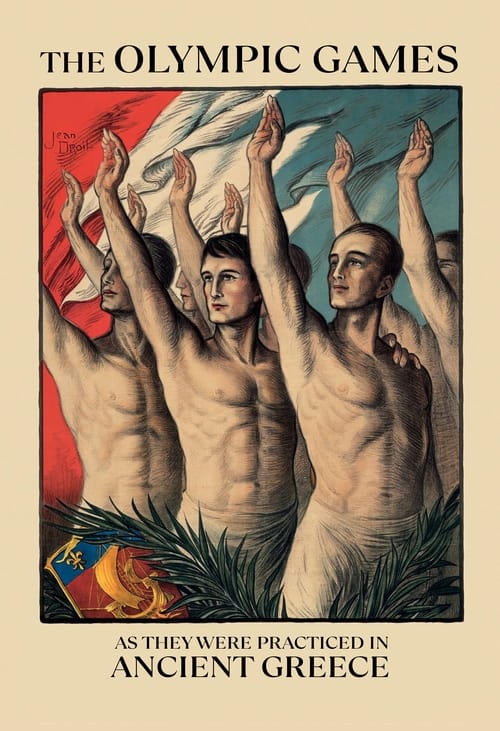
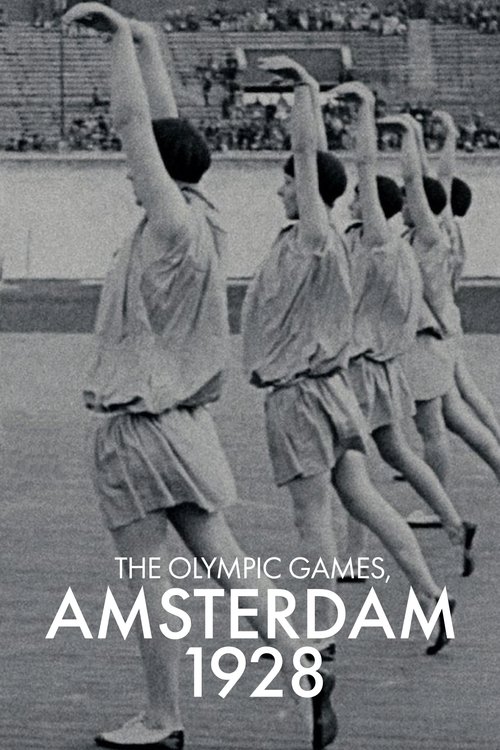
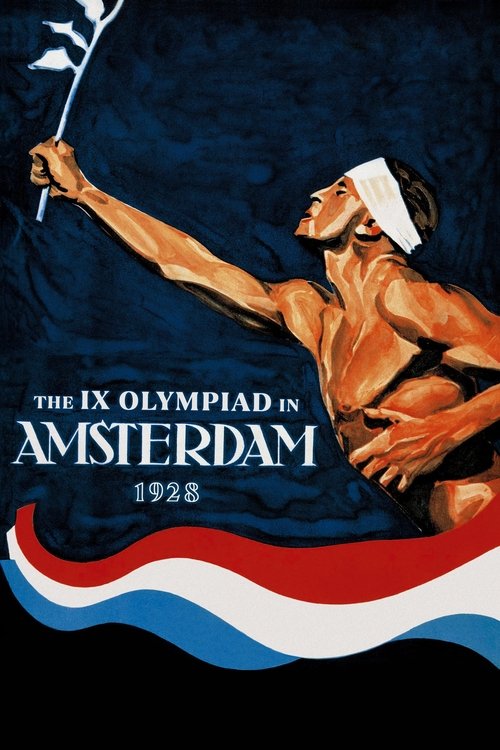
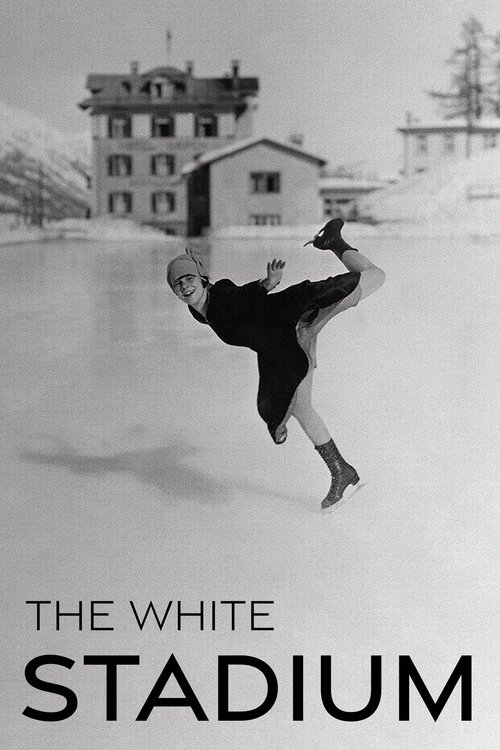
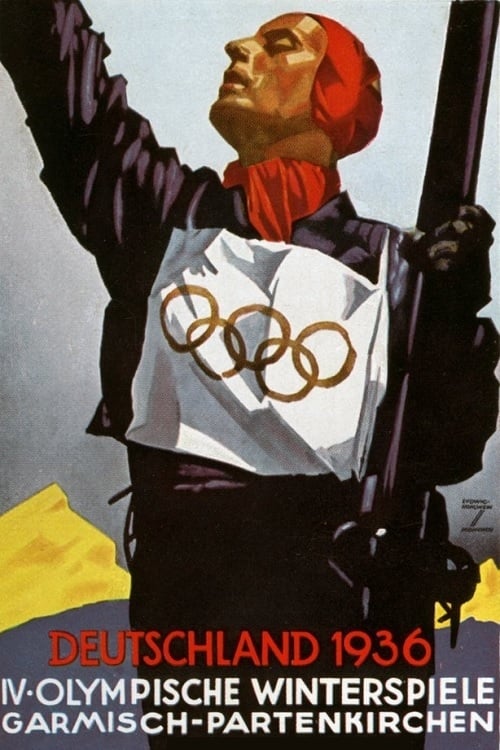
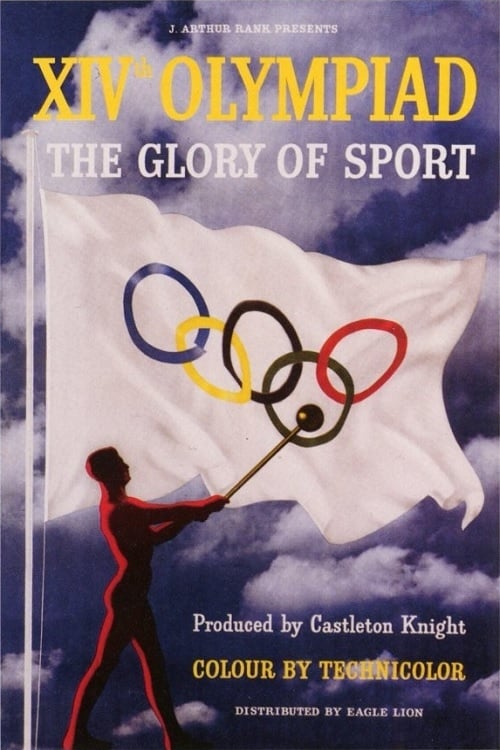
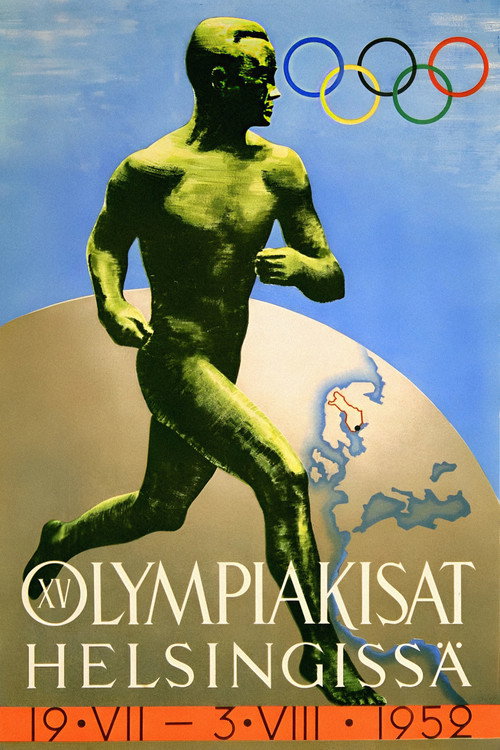
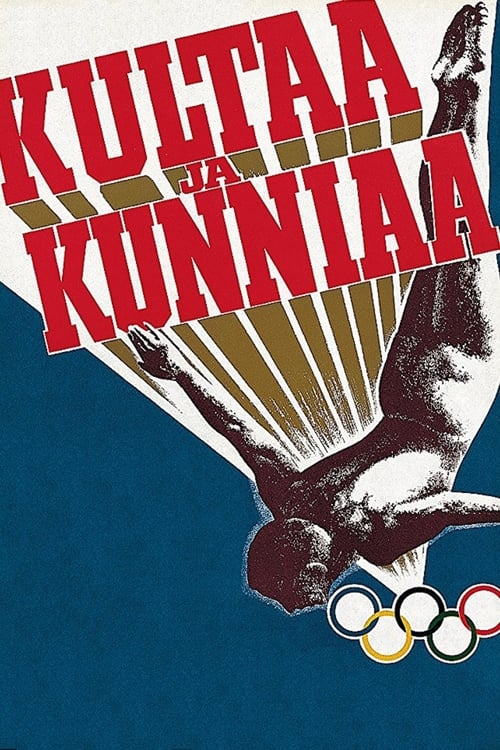
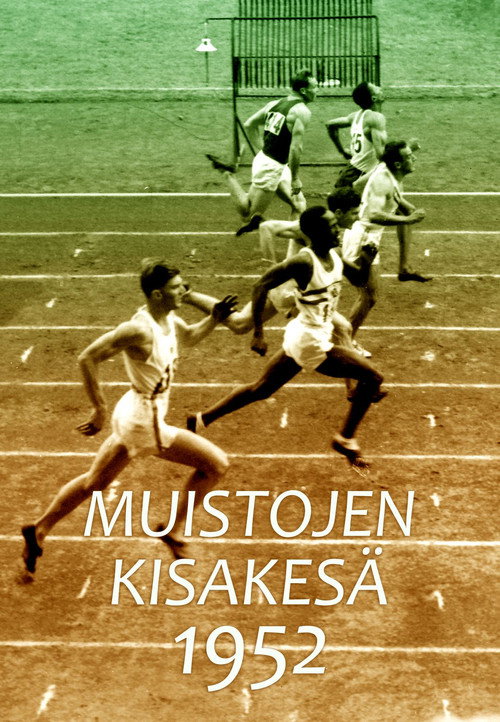
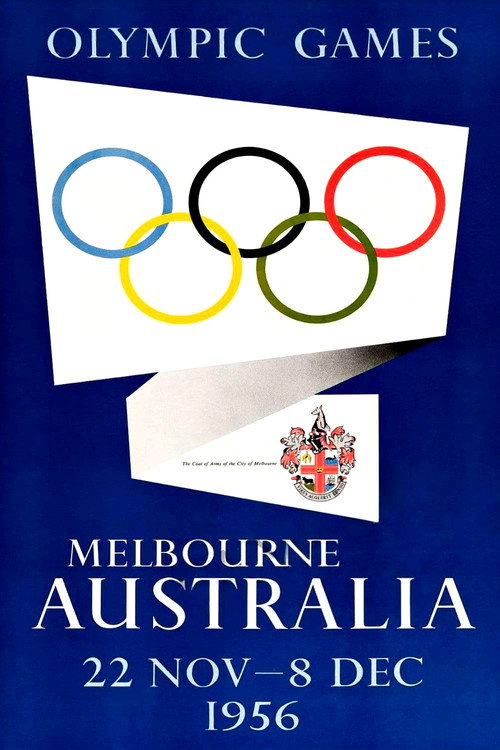
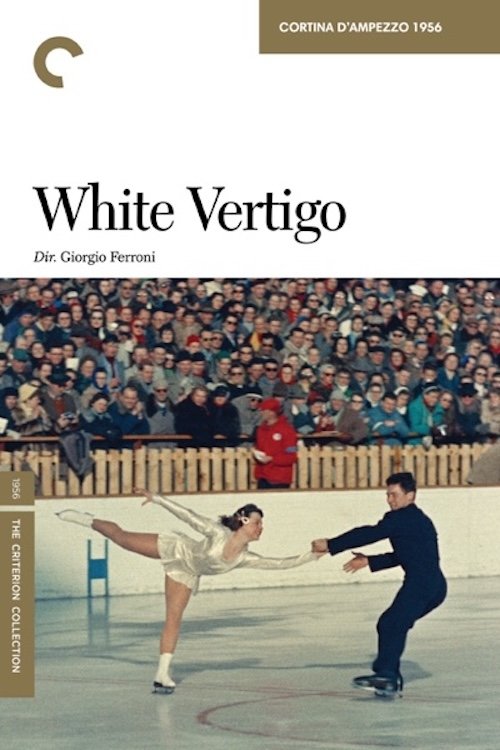
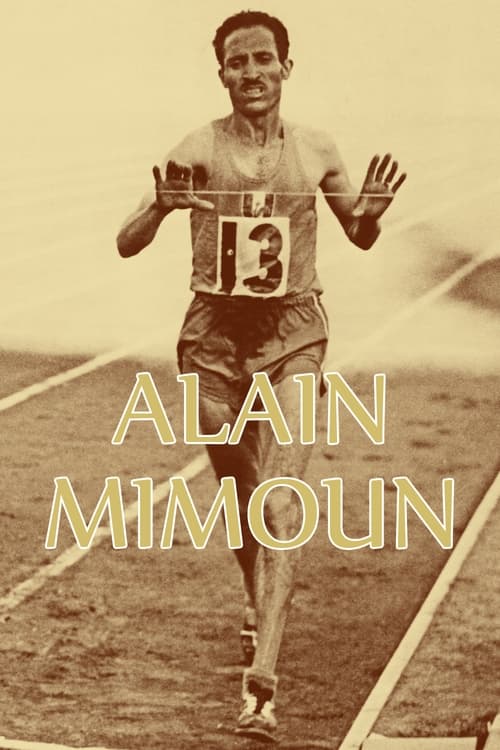
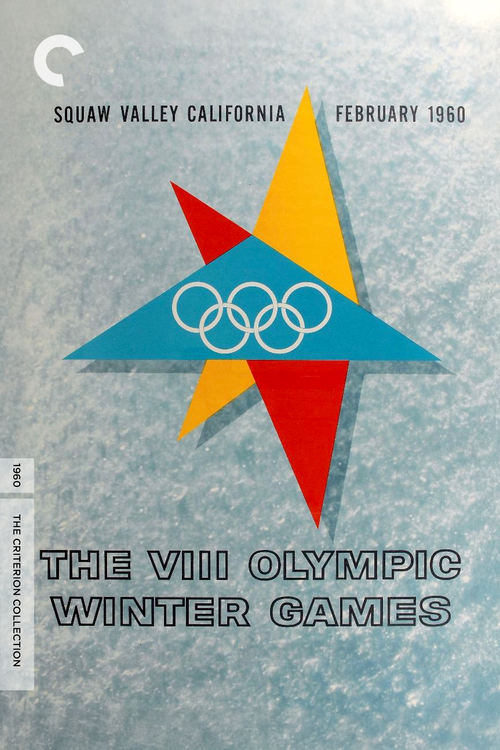
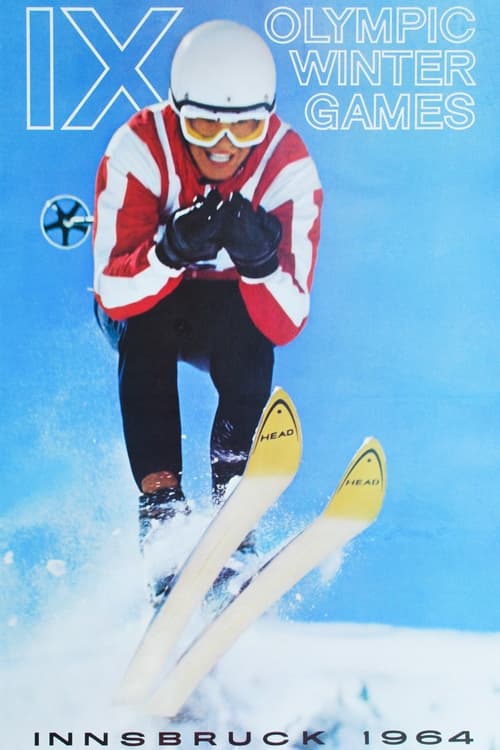
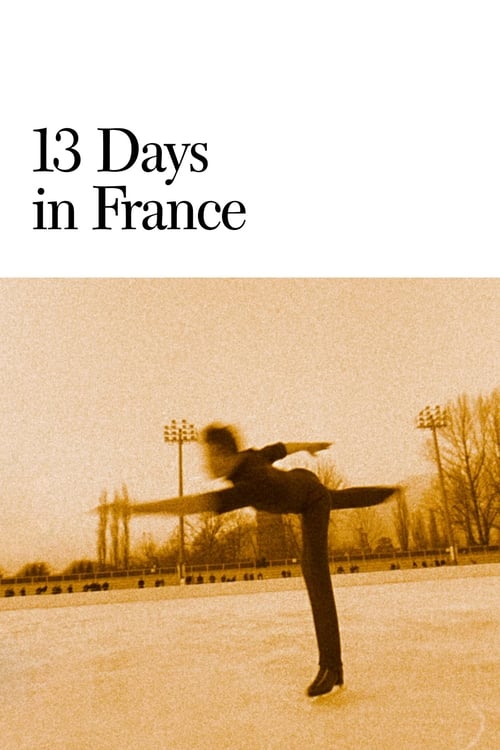
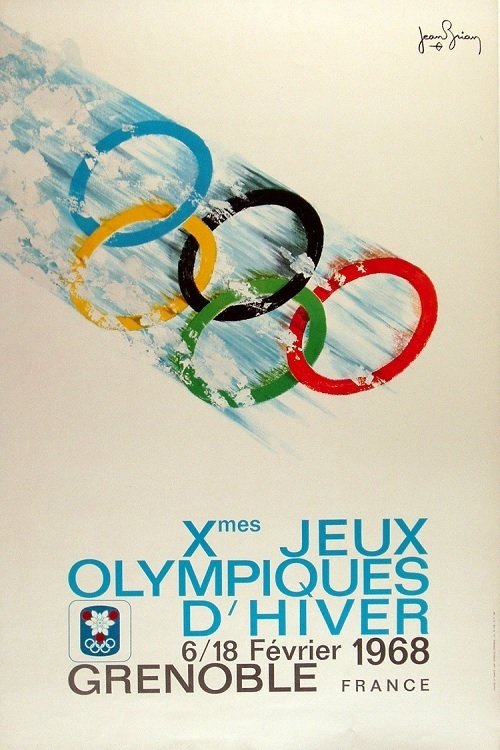
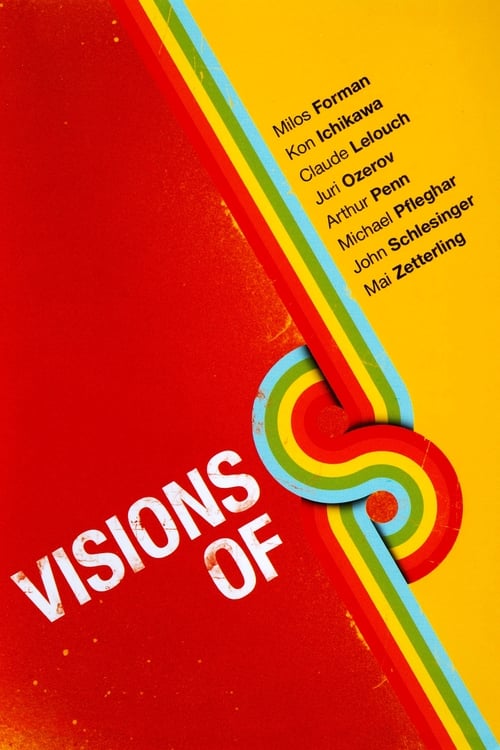
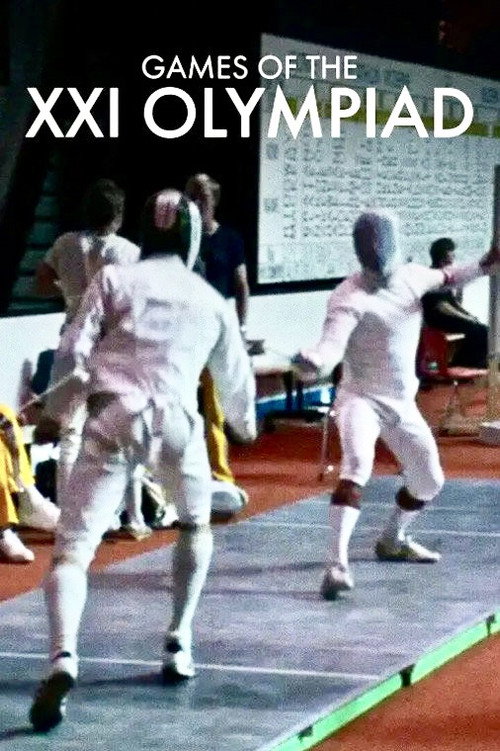
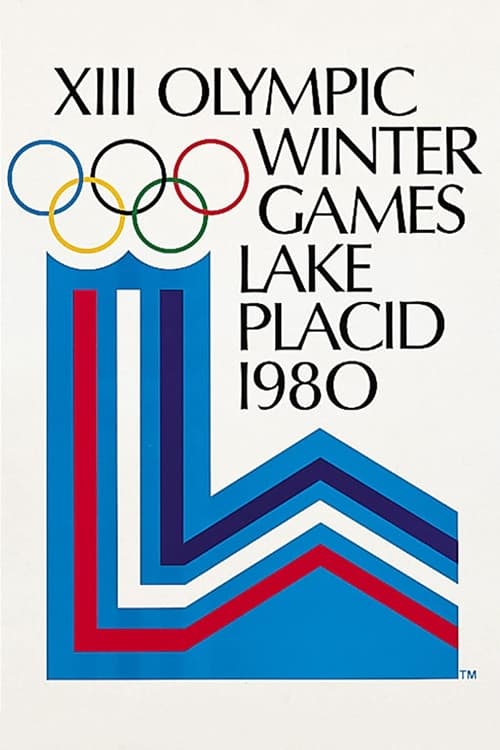
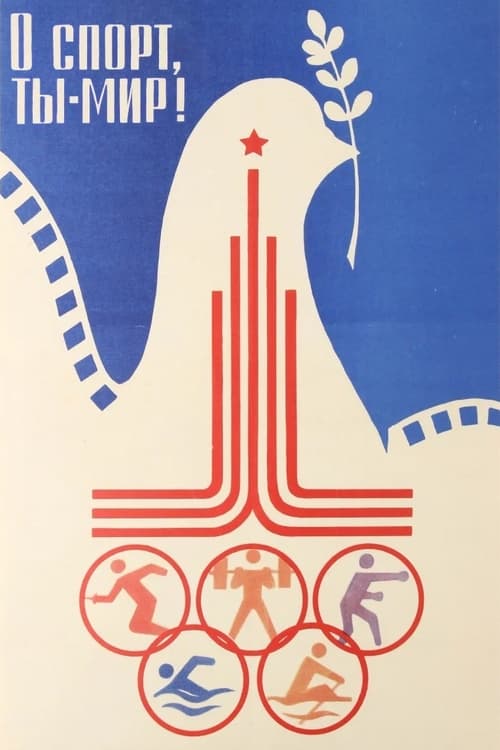
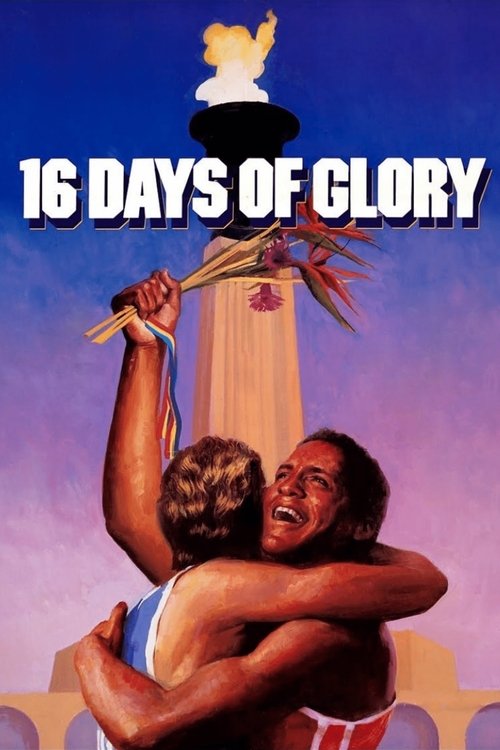
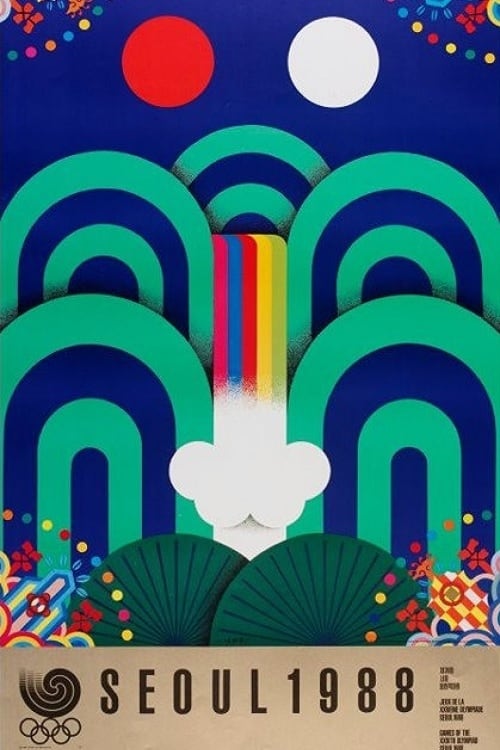
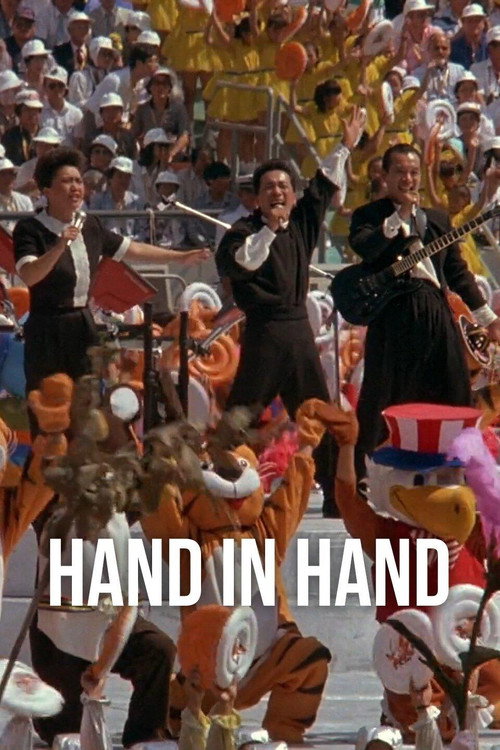
Spanning fifty-three movies and forty-one editions of the Olympic Games, 100 Years of Olympic Films: 1912–2012 is the culmination of a monumental, award-winning archival project encompassing dozens of new restorations by the International Olympic Committee. The documentaries collected here cast a cinematic eye on some of the most iconic moments in the history of modern sports, spotlighting athletes who embody the Olympic motto of “Faster, Higher, Stronger”: Jesse Owens shattering world records on the track in 1936 Berlin, Jean-Claude Killy dominating the Grenoble slopes in 1968, Joan Benoit breaking away to win the Games’ first women’s marathon in Los Angeles in 1984.


















Also by
Trailers & featurettes
Community reviews
Television sport coverage was so often a fertile source of innovation and this couple of hours of highlights from the 1964 Tokyo Olympics showcases that really well. Initially, though, we focus a little on the rejuvenating effects of getting the games in your city. Demolition of derelict areas and the construction of new facilities designed to last well beyond the fortnight of the Games. Thence to an opening ceremony that sees the USA and the USSR walking just feet apart (with no obvious defections) before the Emperor opens the world’s only truly global exercise in competitive excellence. Now the editorial does rather follow the requirements of the paymasters at bit, so some nations feature far more than others but in the main this showcases well the strenuous and impassioned performances of runners, jumpers, throwers, gymnast and shooters as the diverse nature of some nineteen sports feature. With the television production garnering expertise from nations around the world, we see more creative use of not just camera and microphone positions but also of filming techniques like slow-motion and head-on photography that enables the efforts of these characters to be writ large across their faces and bodies as we watch from the comfort of an armchair. It was the first Olympics to be filmed largely in colour, to be fed live to many countries and it was significant for it’s ban on any form of racial segregation amongst the teams. The commentaries are maybe not the most informative, especially as the teams parade for the flag parades, and some of the references: 17 decimal 45 rather than 17.45 sound a bit quaint now, but that all adds to the richness of an event that illustrated signs of a post WWII worldly reconciliation. The editing doesn’t always look the most natural - watch the women’s shot put coverage, for example, but even there we get a sense of just how tough it can be lugging a 4lb cannon ball fifty foot into the air. There are no talking heads nor interviews, just a fairly comprehensive compendium of sporting activity peppered with a little social commentary and if it inspires anyone to look at an whole range of what they call “Official Films” from the Olympics, then it could serve to explore not just the evolution of sport but also of television coverage thereof.
Production companies
Tokyo Olympic Film Association

TOHO
JP
Themes & keywords
Release history · US
Also known as
 Movie
Movie2025
 Movie
Movie1999
 Movie
Movie2013
 Movie
Movie1998
 Movie
Movie1996
 Movie
Movie2003
 Movie
Movie2016
 Movie
Movie2004
 Movie
Movie2013
 Movie
Movie2013