
1 / 7
ERA
Did you know
38 years old — old enough to be someone's favourite childhood film.
MoodPlayr · trivia#01
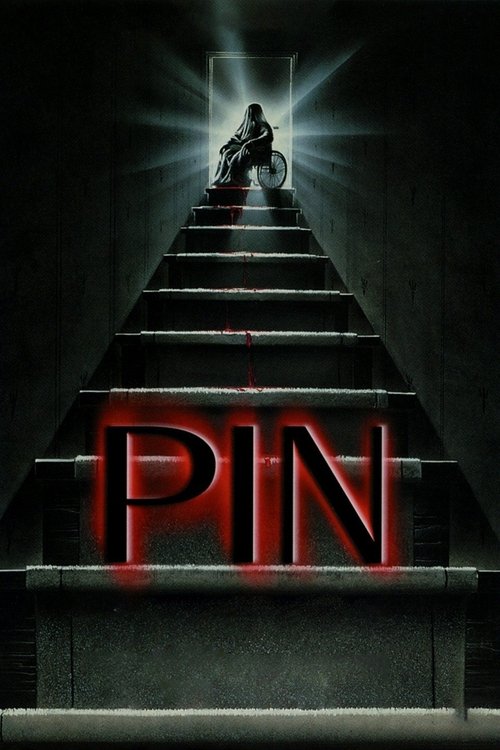
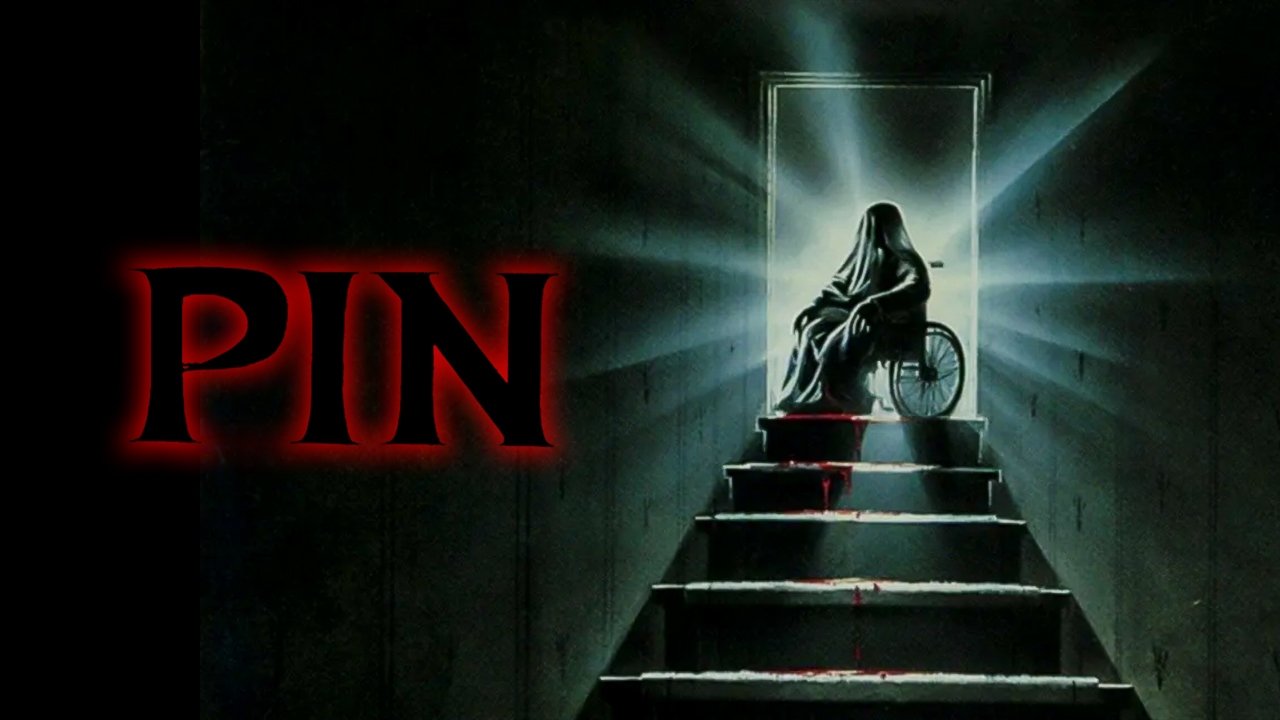
"A Plastic Nightmare"
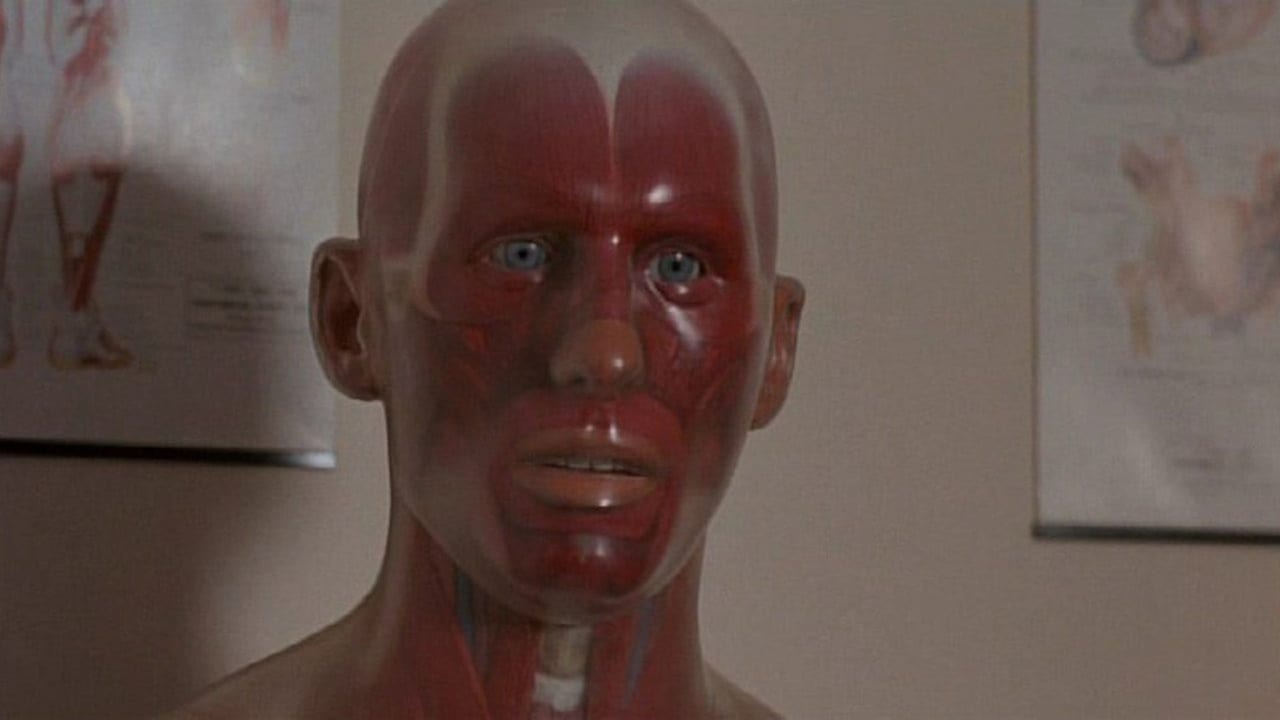
Pin, a plastic medical dummy, has been the fixation of Leon since youth. Now grown up and orphaned in an accident, Leon brings Pin home to live with him and his sister Ursula, much to her reluctance. Soon, however, Leon's fixation on Pin spirals out of control, and Ursula must face the devastating consequences.
“A Plastic Nightmare”
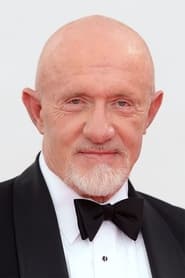
Jonathan Banks
PIN (voice)
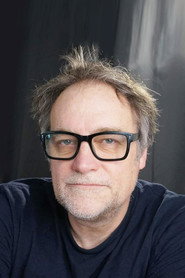
David Hewlett
Leon
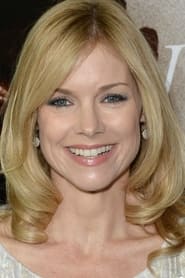
Cynthia Preston
Ursula
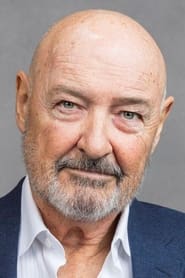
Terry O'Quinn
Dr. Frank Linden
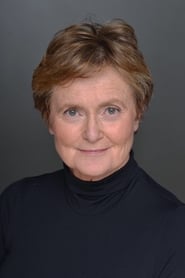
Bronwen Mantel
Mrs. Linden
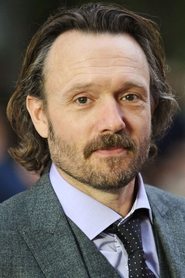
John Pyper-Ferguson
Stan Fraker

Helene Udy
Marcia Bateman

Patricia Collins
Aunt Dorothy
Credits
Want more? Switch to Cinephile mode in the header for DP, composer, budget, box office, production companies, keywords, and release history.
Did you know?
Did you know
38 years old — old enough to be someone's favourite childhood film.
Did you know
Directed by Sandor Stern, shot by Guy Dufaux. Note their partnership — DPs and directors often return to each other across a career.
Did you know
Original score by Peter Manning Robinson. Worth a dedicated listen after — most great films lose half their impact without the score.
Did you know
Editor Patrick Dodd shaped the rhythm. On an edit-heavy film, the editor does more to control your pulse than the director.
Did you know
Jonathan Banks and David Hewlett and Cynthia Preston carry the top of the cast.
Did you know
Marketing tagline: "A Plastic Nightmare".
Did you know
IMDB entry: tt0095871 — still the authoritative cross-reference for credits and trivia.
Cinephile deep dive
Sandor Stern directs. Guy Dufaux behind the camera. Peter Manning Robinson scores. Patrick Dodd cuts. Produced in Canada. Dialogue in English.
Trivia
Also by
Stills · wallpapers
Full-resolution frames — open one to save it as a wallpaper.
Trailers & featurettes
Community reviews
Interesting and creepy psychodrama/horror involving a mannequin In the Northeast, a doctor uses an anatomically correct medical dummy named Pin (short for Pinocchio) to teach his son & daughter about how the body works. Years later, when they’re adults, they maintain an attachment to the mannequin as the sister (Cynthia Preston) starts dating a guy (John Pyper-Ferguson), which interrupts her uneasy brother (David Hewlett) "Pin" (1988) is a slow burn Hitchcock-ian psychological drama/horror that mixes “Psycho” (1960), “Flowers in the Attic” (1987) and a little “Paper Man” (1971) with the creepy mannequins of several 70's movies/shows, like Kolchak: The Night Stalker’s "The Trevi Collection.” The low-key commentary on the negative effects of legalism is interesting, augmented by the fact that it’s nonreligious legalism relating to a well-to-do, educated family, which is the opposite of the situation in “Carrie” (1976). Yet legalism is only one of the mental conditions explored. The flick is smart to not spell everything out, making the viewer seek for answers. For instance, is ventriloquism being used or not? Meanwhile the ending ties everything up with a nigh ‘wow’ factor. I shouldn’t fail to mention that redhead Helene Udy is on hand for an effective sequence. The movie runs 1 hour, 43 minutes, and was shot in Iberville, Québec, which is about 15 miles southeast of Montreal and 20 miles north of Lake Champlain & the US border, as well as Saint-Lambert, which is just across the river from Montreal. GRADE: B+
Production companies
Malofilm Communications Inc.
Image Organization
US
Lance Entertainment
Themes & keywords
Release history · US
Also known as