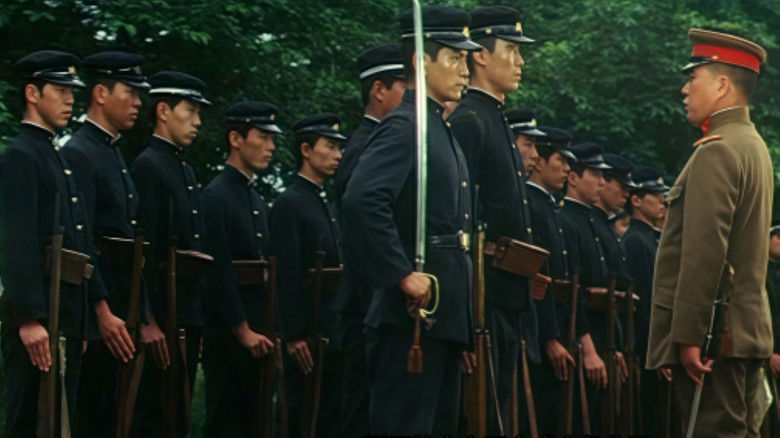
1 / 8
ERA
Did you know
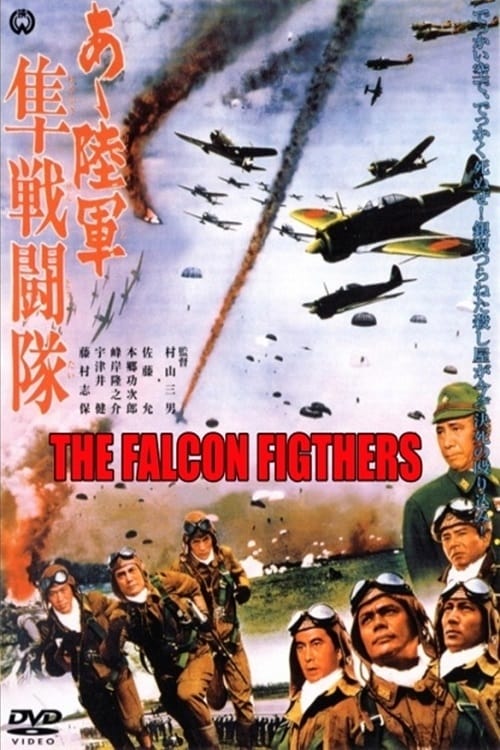
57 years old — a genuine piece of film history.
MoodPlayr · trivia#01
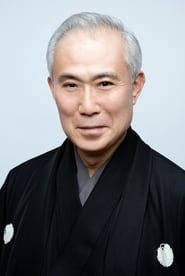
Kichiemon Nakamura II
平田一郎
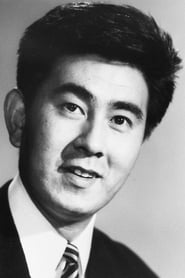
Ken Utsui
冈野大尉

Kōjirō Hongō
荒木中尉
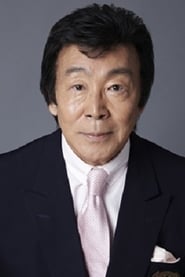
Jun Fujimaki
前川大尉
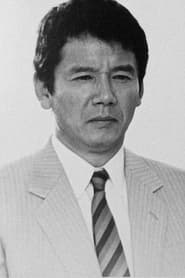
Shigeru Tsuyuguchi
山下六助
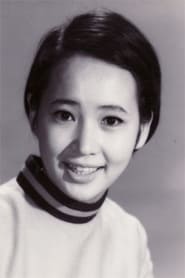
Eiko Azusa
地主家小姐明子

Sei Hiraizumi
森下下士

Sachiko Murase
平田房代
Credits
Want more? Switch to Cinephile mode in the header for DP, composer, budget, box office, production companies, keywords, and release history.
Did you know?
Did you know
57 years old — a genuine piece of film history.
Did you know
Lean credit list — fewer than 30 people officially credited.
Did you know
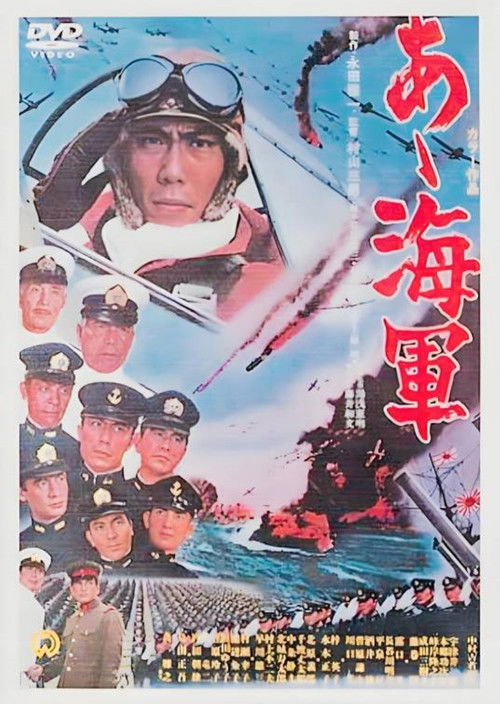
Directed by Mitsuo Murayama, shot by Akira Uehara. Note their partnership — DPs and directors often return to each other across a career.
Did you know
Original score by Seitaro Omori. Worth a dedicated listen after — most great films lose half their impact without the score.
Did you know
Editor Toyo Suzuki shaped the rhythm. On an edit-heavy film, the editor does more to control your pulse than the director.
Did you know
Kichiemon Nakamura II and Ken Utsui and Kōjirō Hongō carry the top of the cast.
Did you know
IMDB entry: tt0202777 — still the authoritative cross-reference for credits and trivia.
Did you know
Only 3 TMDB ratings — you're getting ahead of the curve on this one.
Cinephile deep dive
Mitsuo Murayama directs. Akira Uehara behind the camera. Seitaro Omori scores. Toyo Suzuki cuts. Produced in Japan. Dialogue in Japanese.
Trivia
Also by
Production companies

Daiei Film
JP
Themes & keywords
Release history · US
Also known as
 Movie
Movie1945
 Movie
Movie2020
 Movie
Movie1970
 Movie
Movie1958
 Movie
Movie1955
 Movie
Movie1959
 Movie
Movie2022
 Movie
Movie2002
 Movie
Movie2020
 Movie
Movie1988