1 / 8
MONEY
Did you know
Shot for just $4.2M — micro-budget by Hollywood standards.
MoodPlayr · trivia#01
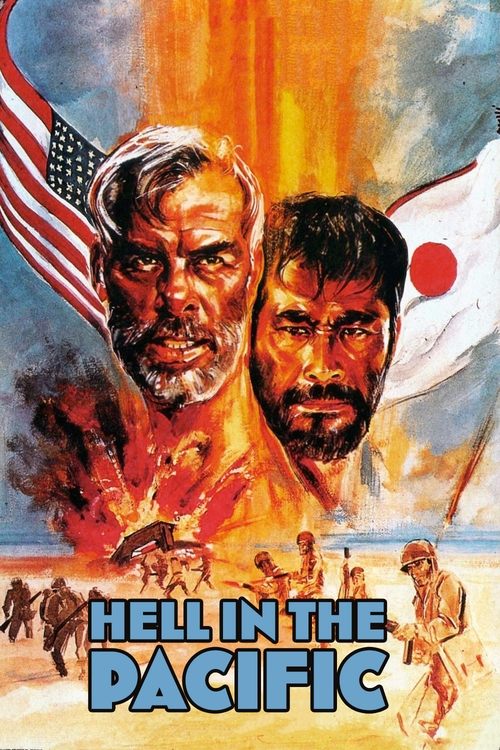
"Out of violence, compassion. Out of suspicion, trust. Out of hell, hope."
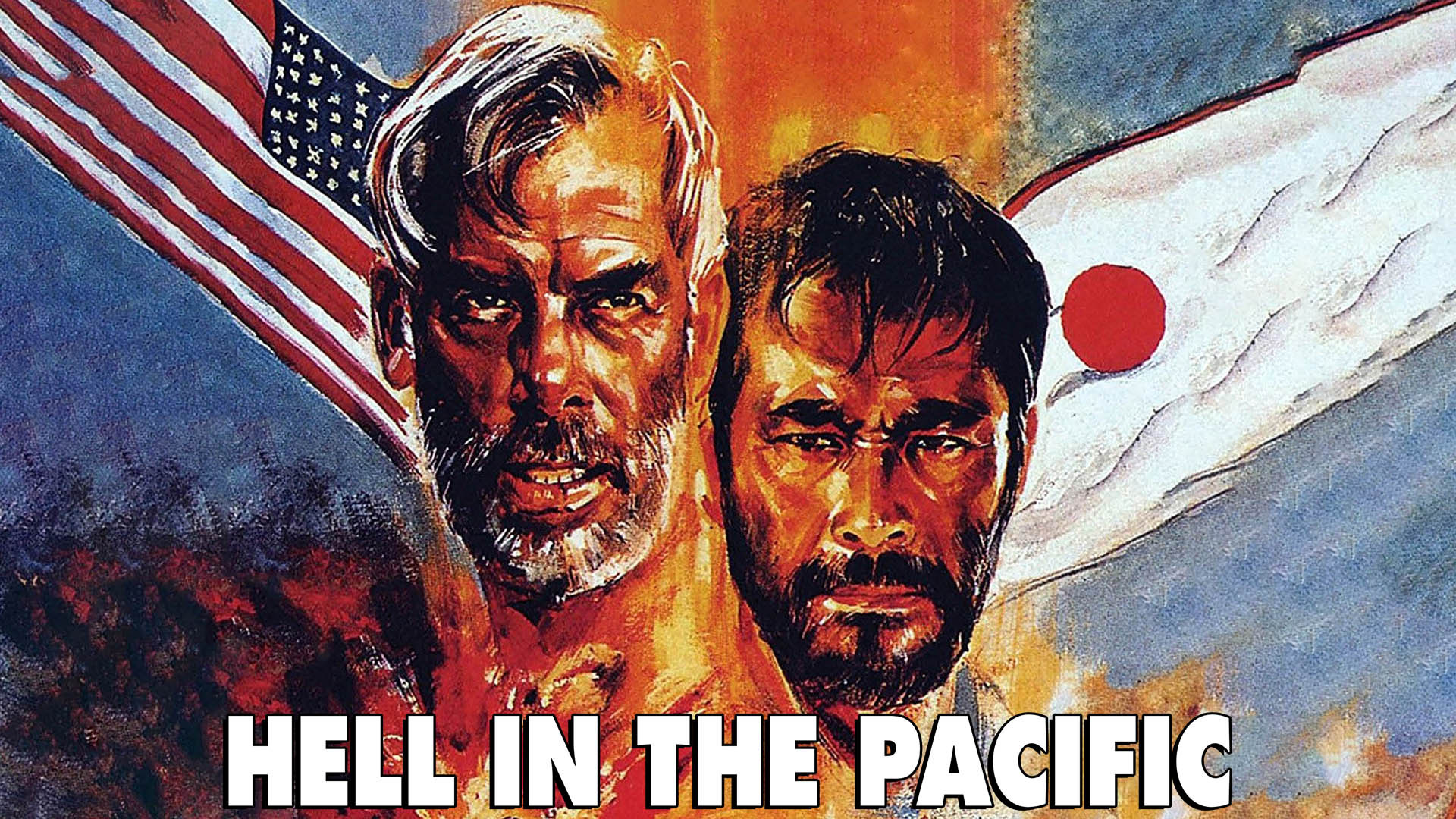
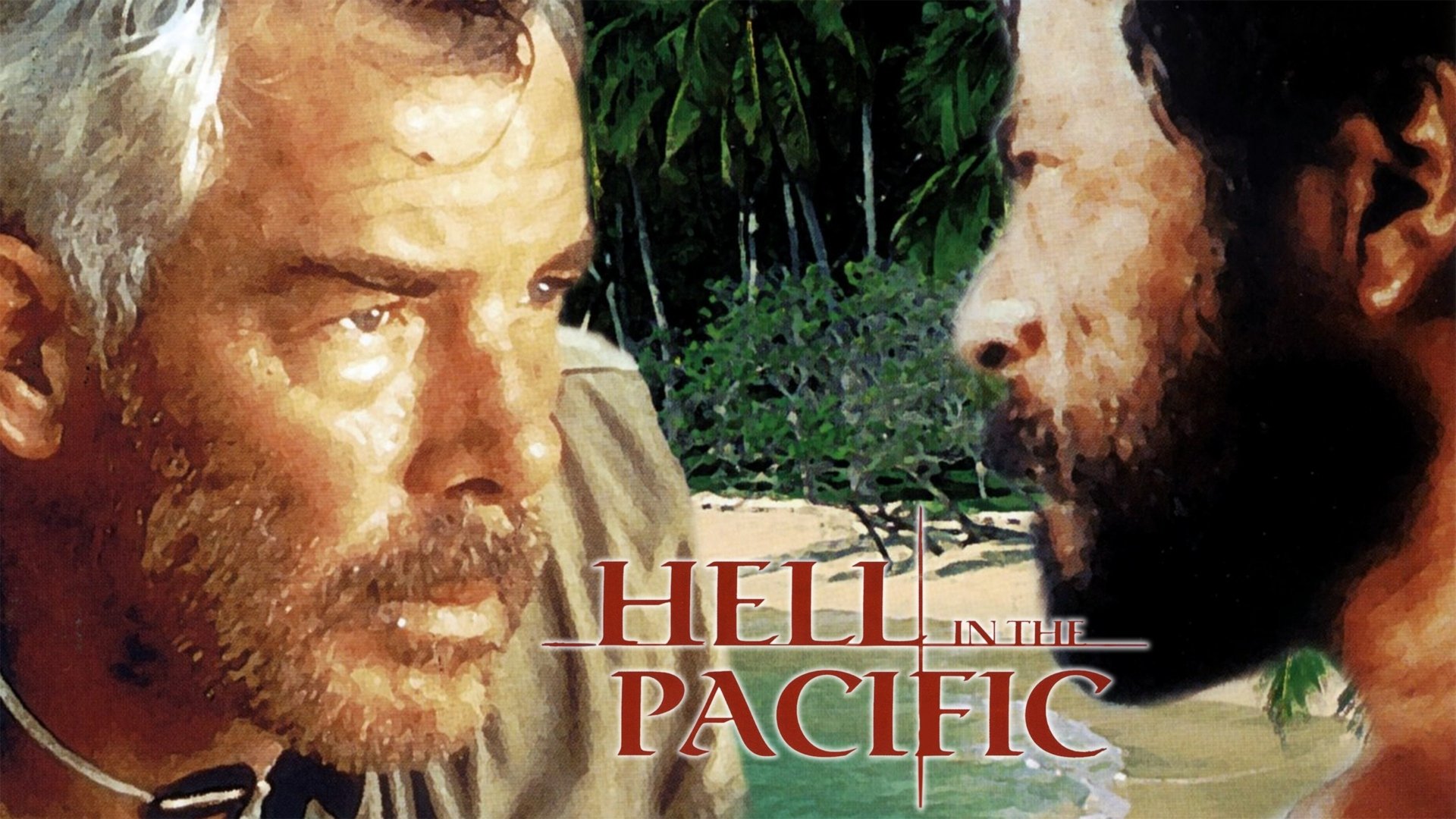
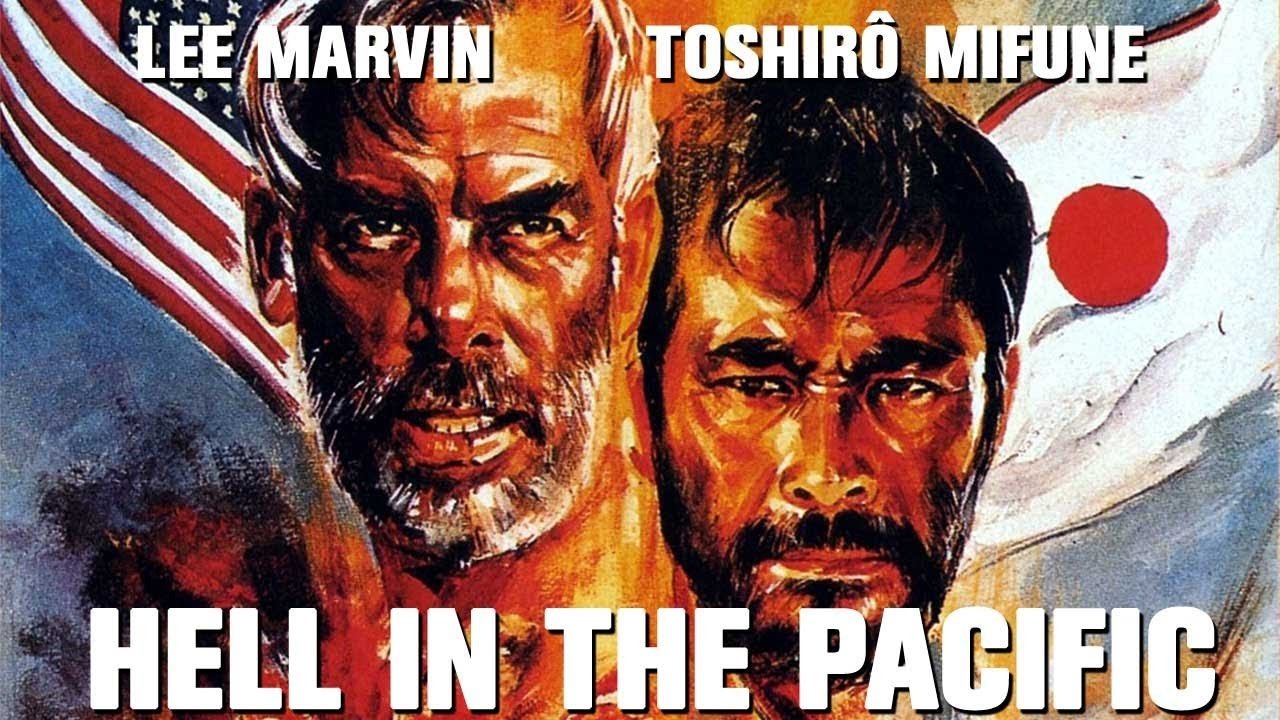
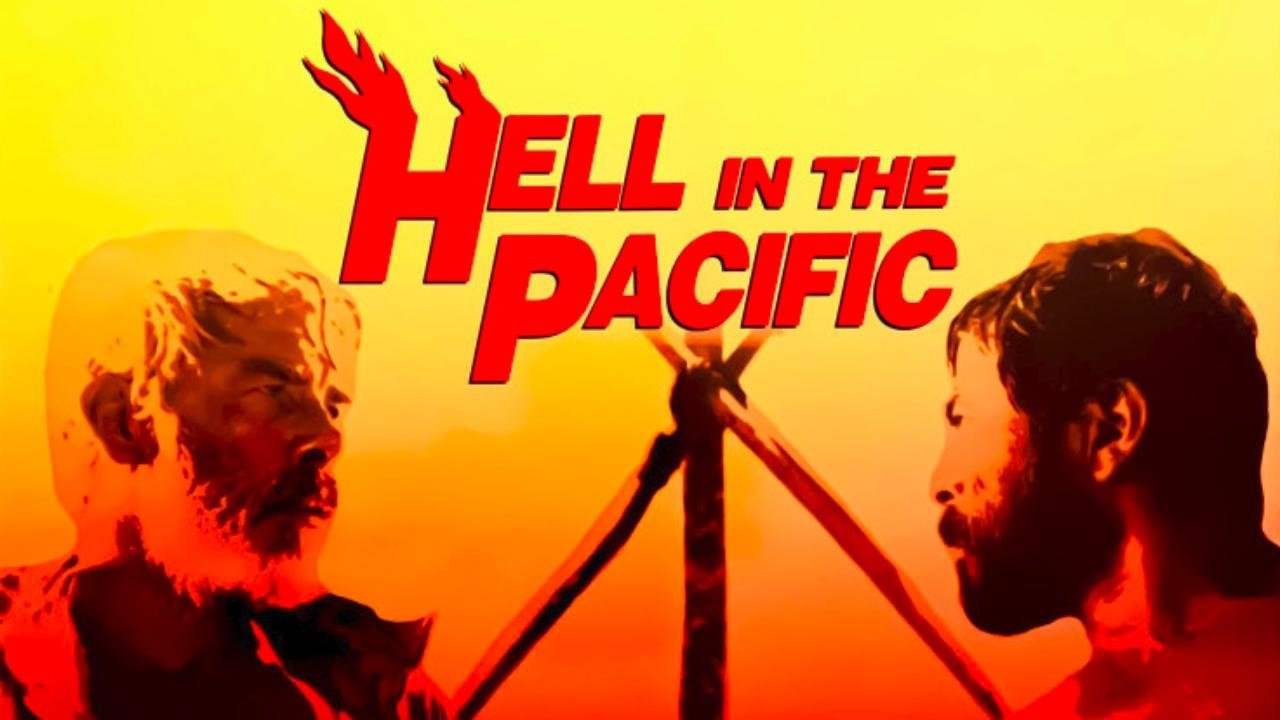
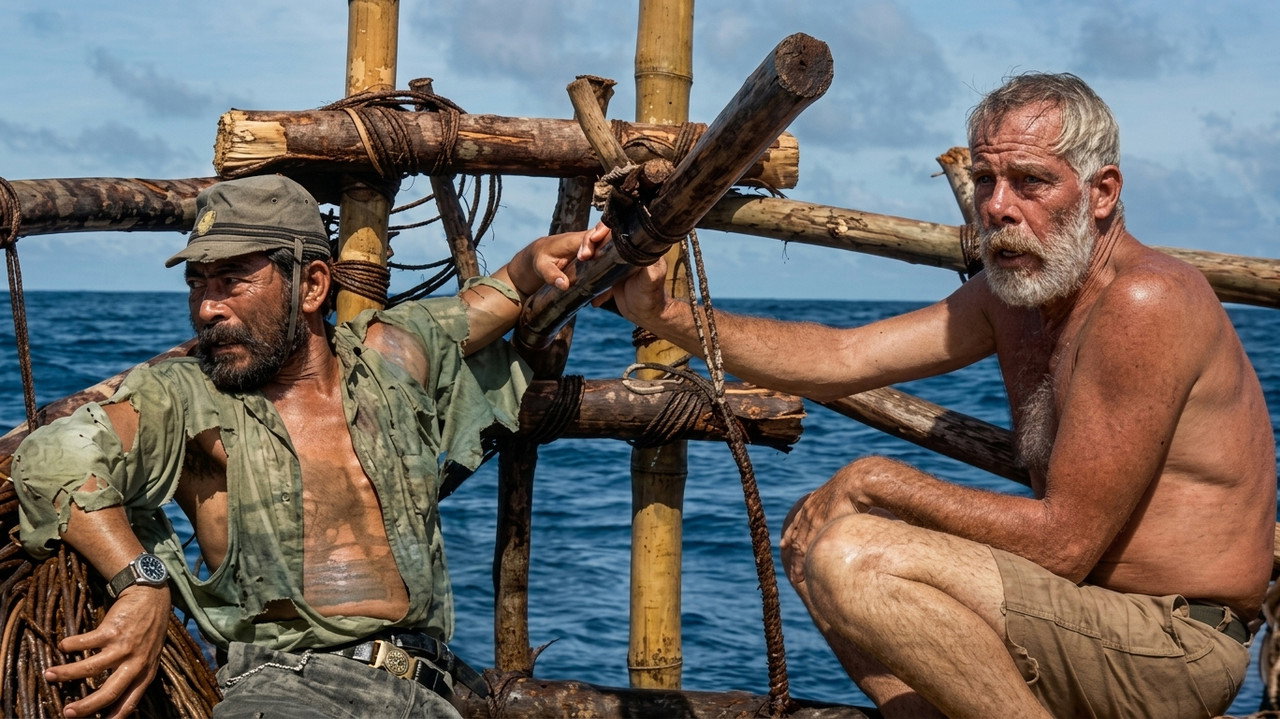
During World War II, a shot-down American pilot and a marooned Japanese navy captain find themselves stranded on the same small uninhabited island in the Pacific Ocean.
“Out of violence, compassion. Out of suspicion, trust. Out of hell, hope.”
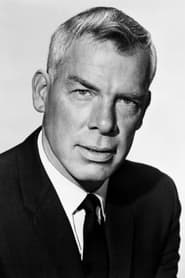
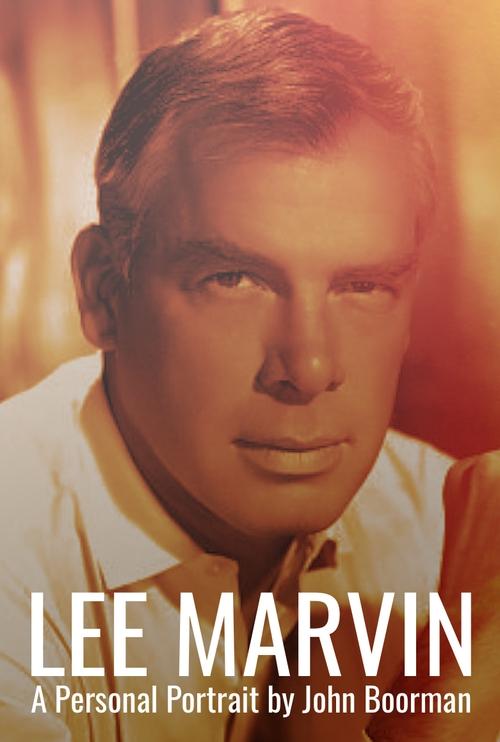
Lee Marvin
American Pilot
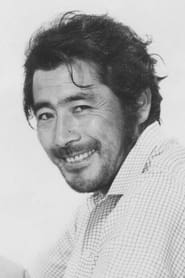
Toshirō Mifune
Captain Tsuruhiko Kuroda
Credits
Want more? Switch to Cinephile mode in the header for DP, composer, budget, box office, production companies, keywords, and release history.
Did you know?
Did you know
Shot for just $4.2M — micro-budget by Hollywood standards.
Did you know
Earned back only 78% of its budget on initial theatrical — a commercial disappointment on release.
Did you know
58 years old — a genuine piece of film history.
Did you know
Dialogue crosses 2 languages: Japanese, English.
Did you know
Lean credit list — fewer than 30 people officially credited.
Did you know
Directed by John Boorman, shot by Conrad Hall. Note their partnership — DPs and directors often return to each other across a career.
Did you know
Original score by Lalo Schifrin. Worth a dedicated listen after — most great films lose half their impact without the score.
Did you know
Editor Thomas Stanford shaped the rhythm. On an edit-heavy film, the editor does more to control your pulse than the director.
Cinephile deep dive
John Boorman directs. Conrad Hall behind the camera. Lalo Schifrin scores. Thomas Stanford cuts. A commercial under-performer on release. Produced in United States of America. Dialogue in Japanese, English.
Trivia
Also by
Stills · wallpapers
Full-resolution frames — open one to save it as a wallpaper.
Trailers & featurettes
Community reviews
It's a war movie with almost no fighting. It's a survival movie that's more interested in psychology than fishing tips. An American pilot and a Japanese captain wash up on the same island, and instead of immediately killing each other, they spend most of the runtime playing this elaborate, frustrated game of cat-and-mouse . There's a lot of posturing, a lot of yelling in languages neither understands, and some genuinely funny moments—like fighting over a piece of driftwood . What makes it work is the two leads. Marvin is all brute force and menace; Mifune is pure intensity and dignity . Neither speaks the other's language, so everything is conveyed through body language, tone, and sheer presence. Boorman's direction is subtle and patient, letting the tension build slowly . But it drags in the middle, and the ending is infuriating. The studio tacked on a stupid explosion that makes no sense, completely undercutting everything that came before . The original ending is much better—quieter, sadder, more honest. Some people will find the whole thing too slow and pretentious. Others will appreciate its stripped-down, allegorical power. I'm somewhere in between.
Production companies
Selmur Productions
US
Themes & keywords
Release history · US
 Movie
Movie2006
 Movie
Movie2006
 Movie
Movie1998
 Movie
Movie1949
 Movie
Movie1970
 Movie
Movie2014
 Movie
Movie2001
 Movie
Movie2016
 Movie
Movie1989
 Movie
Movie1990