

1 / 8
MONEY
Did you know
Shot for just $0.0M — micro-budget by Hollywood standards.
MoodPlayr · trivia#01
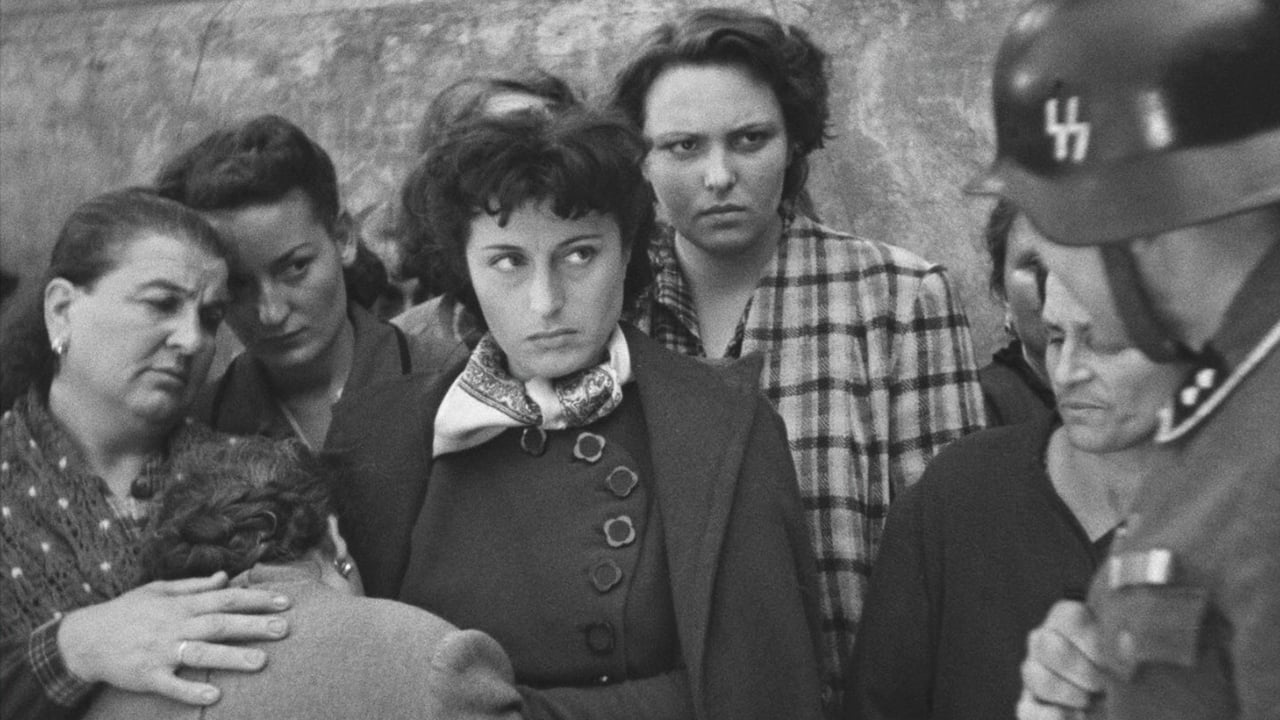
"Our battle has barely begun."
During the Nazi occupation of 1944 Rome, Resistance leader Giorgio Manfredi is pursued by the Nazis as he seeks refuge and a means of escape.
“Our battle has barely begun.”
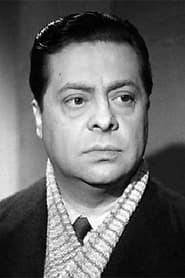
Aldo Fabrizi
Don Pietro Pellegrini
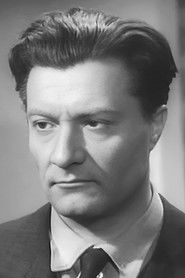
Marcello Pagliero
Giorgio Manfredi aka Luigi Ferraris
Harry Feist
Major Fritz Bergmann

Anna Magnani
Pina
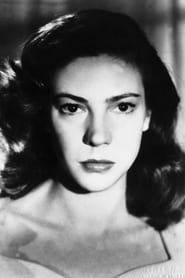
Maria Michi
Marina Mari
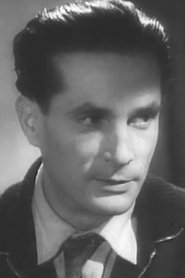
Francesco Grandjacquet
Francesco
Vito Annichiarico
Marcello
Ákos Tolnay
Austrian Deserter
Credits
Want more? Switch to Cinephile mode in the header for DP, composer, budget, box office, production companies, keywords, and release history.
Did you know?
Did you know
Shot for just $0.0M — micro-budget by Hollywood standards.
Did you know
Grossed $1M — a 50.0× return. The kind of profit studios chase for a decade.
Did you know
81 years old — a genuine piece of film history.
Did you know
Dialogue crosses 3 languages: Italian, Latin, German.
Did you know
Directed by Roberto Rossellini, shot by Ubaldo Arata. Note their partnership — DPs and directors often return to each other across a career.
Did you know
Original score by Renzo Rossellini. Worth a dedicated listen after — most great films lose half their impact without the score.
Did you know
Editor Eraldo Da Roma shaped the rhythm. On an edit-heavy film, the editor does more to control your pulse than the director.
Did you know
Aldo Fabrizi and Marcello Pagliero and Harry Feist carry the top of the cast.
Cinephile deep dive
Roberto Rossellini directs. Ubaldo Arata behind the camera. Renzo Rossellini scores. Eraldo Da Roma cuts. Made its budget back several times over at the box office. Produced in Italy. Dialogue in Italian, Latin, German.
Trivia
Awards
Individual records documented via Wikidata; the summary above may count more.
Also by
Trailers & featurettes
Community reviews
The fact that this was filmed in Rome at a time when you could probably still smell the fleeing Nazi's petrol fumes gives this an enthralling sense of authenticity. The story is centred around the character of "Manfredi" (Marcello Pagliero) who is being chased by the Gestapo, and so is trying to escape. Even though Rome has been declared "open" and is therefore not subject to bombardment, the citizens are still very much under the control of their occupiers and getting "Mandredi" to safety is no easy feat. He seeks shelter with his friend "Francesco" (Francesco Grandjacquet) but meets his fiancée "Pina" (Anna Magnani) instead. She wants to help him out and so they send for the priest "Don Pietro" (Aldo Fabrizi) who sees the safety of these resistance fighters as a core part of his responsibility to God. Even he, clad in his robes, is not immune though from the pursuing authorities and as they close in things become increasingly more perilous for all concerned. This is one of the most poignant wartime stories I have ever seen. It conveys the sense of brutality being faced by the community, but it also allows room for a spirit of optimism and hope to emerge too. The children continue to play and though their food is rationed, their day to day lives are not touched by the mayhem of many occupants of ruined cities elsewhere. The casting of the soldiers is masterly, as is that of the collaborative police commissioner and the whole ensemble, coupled with the characterful writing and the delicately framed photography really does give us a plausible insight into just how - even as the war was coming to a close - dangerous their lives were. It doesn't spare us some ghastliness at the conclusion either - but that's somehow an ultimate validation of an humanity that is plentiful throughout.
Production companies
Excelsa Film
IT
Themes & keywords
Release history · US
Also known as