1 / 8
RUNTIME
Did you know
85 minutes exactly — the "classic feature" runtime most directors aim for.
MoodPlayr · trivia#01
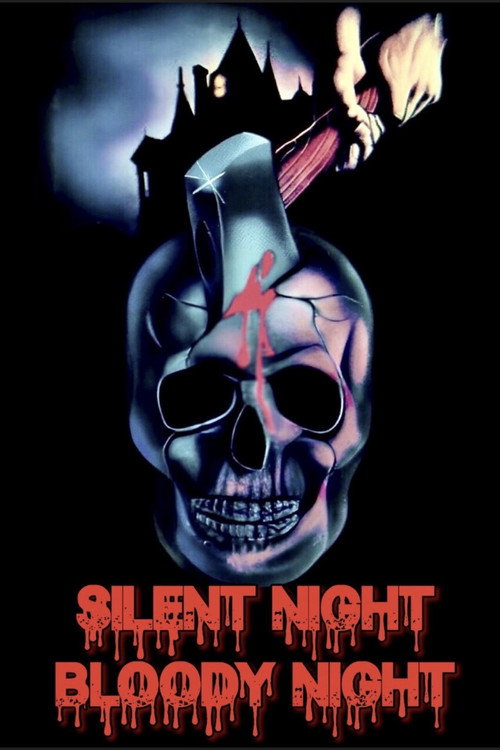
"The mansion… the madness… the maniac… no escape."
A man investigates the grisly crimes that occurred in a former insane asylum, unsettling the locals who all seem to have something to hide.
“The mansion… the madness… the maniac… no escape.”
Where to watch · US
 Amazon Prime VideoSubscription
 PhiloSubscription
 Fandor Amazon ChannelSubscription
 Screambox Amazon ChannelSubscription
 Midnight PulpSubscription
 Amazon Prime Video with AdsSubscription
 BloodstreamSubscription
 ArtiflixSubscription
 ChillingSubscription
 Cineverse Amazon ChannelSubscription
 Amazon VideoRent
 Fandango At HomeRentAmazon VideoBuyFandango At HomeBuy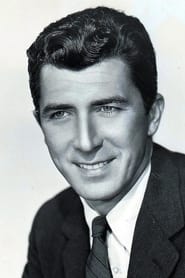
Patrick O'Neal
John Carter
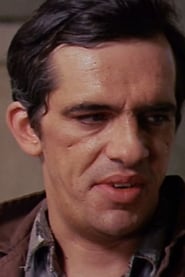
James Patterson
Jeffrey Butler

Mary Woronov
Diane Adams
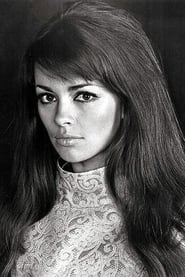
Astrid Heeren
Ingrid
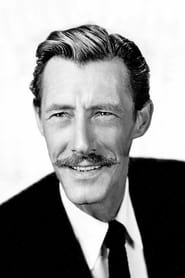
John Carradine
Charlie Towman
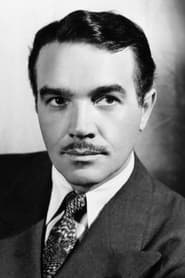
Walter Abel
Mayor Adams
Fran Stevens
Tess Howard
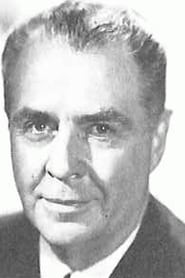
Walter Klavun
Sheriff Bill Mason
Credits
Want more? Switch to Cinephile mode in the header for DP, composer, budget, box office, production companies, keywords, and release history.
Did you know?
Did you know
85 minutes exactly — the "classic feature" runtime most directors aim for.
Did you know
54 years old — a genuine piece of film history.
Did you know
Part of the "Silent Night, Bloody Night Collection" — so the characters or world continue elsewhere.
Did you know
Directed by Theodore Gershuny, shot by Adam Giffard. Note their partnership — DPs and directors often return to each other across a career.
Did you know
Original score by Gershon Kingsley. Worth a dedicated listen after — most great films lose half their impact without the score.
Did you know
Editor Tom Kennedy shaped the rhythm. On an edit-heavy film, the editor does more to control your pulse than the director.
Did you know
Patrick O'Neal and James Patterson and Mary Woronov carry the top of the cast.
Did you know
Marketing tagline: "The mansion… the madness… the maniac… no escape.".
Cinephile deep dive
Theodore Gershuny directs. Adam Giffard behind the camera. Gershon Kingsley scores. Tom Kennedy cuts. Runs lean at under 100 minutes. Produced in United States of America. Dialogue in English.
Trivia
Part of
Silent Night, Bloody Night Collection
Also by
Trailers & featurettes
Community reviews
Moody horror that influenced many films to come A mysterious man from California (James Patterson) inherits a manor in a Northeast town at Christmastime, but someone has escaped the local asylum and key citizens feel increasingly threatened, especially after some creepy phone calls. Patrick O'Neal, Astrid Heeren, John Carradine and Walter Abel are on hand. "Silent Night, Bloody Night" was made in December-March, 1970-71, on a modest budget ($295,000), but not released until 1972. This is an atmospheric horror flick that originated tropes that became staples of the oncoming slasher craze, such as the (possible) killer escaping from an asylum, sexual immorality results in death, disturbing phone calls and naming horror films after a holiday or significant date, à la “Black Christmas” (1974) “Halloween” (1978), “Friday the 13th” (1980), “April Fool's Day” (1986/2008), “Valentine” (2001) and “My Bloody Valentine” (1981/2009). Unlike the later “Silent Night, Deadly Night” (1984), this is less of a one-dimensional slasher flick and more artistic horror. Don’t expect Santa Claus stalking victims with an ax. It shares an effective plot element introduced in “Psycho” and “The City of the Dead” (both from 1960). Interestingly, several of the cast members were iconic of Warhol's arty retinue in the 60s, including star Mary Woronov, who married director Theodore Gershuny the same year this movie was made (a marriage that lasted till 1973). Others play either asylum inmates or “guests”: Ondine, Kristen Steen, Tally Brown, Lewis Love, filmmaker Jack Smith, artist Susan Rothenberg and Candy Darling. Speaking of Candy, this was her last movie as she died of lymphoma in 1974 at the too-young age of 29. She expressed before her passing, “I am just so bored by everything. You might say bored to death.” Julie Newmar read her eulogy. It was also the last film of costar James Patterson (who was dubbed); he would be dead of cancer three months before the film’s debut. While some critics call bits of the story a “mess,” practically everything is explained if you put the pieces of the puzzle together (although how someone can walk around for very long with hands literally cut off is a great mystery). The movie is succinct at 1 hour, 21 minutes, and was shot at Mill Neck & nearby Oyster Bay in northwestern Long Island, NY, straight across the sound from the Connecticut panhandle. GRADE: B-/B
Production companies
Zora Investments Associates
Armor Films Inc.
Jeffrey Konvitz Productions

The Cannon Group
US
Themes & keywords
Release history · US
Also known as