1 / 7
RUNTIME
Did you know
Tight 28-minute runtime — shorter than most television pilots.
MoodPlayr · trivia#01
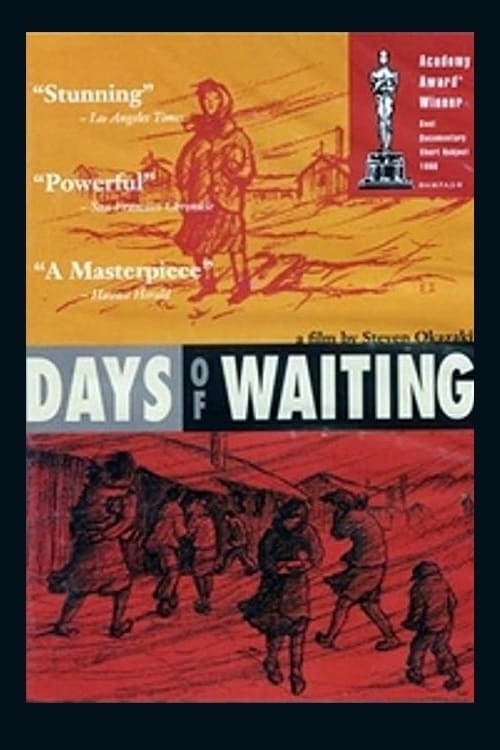
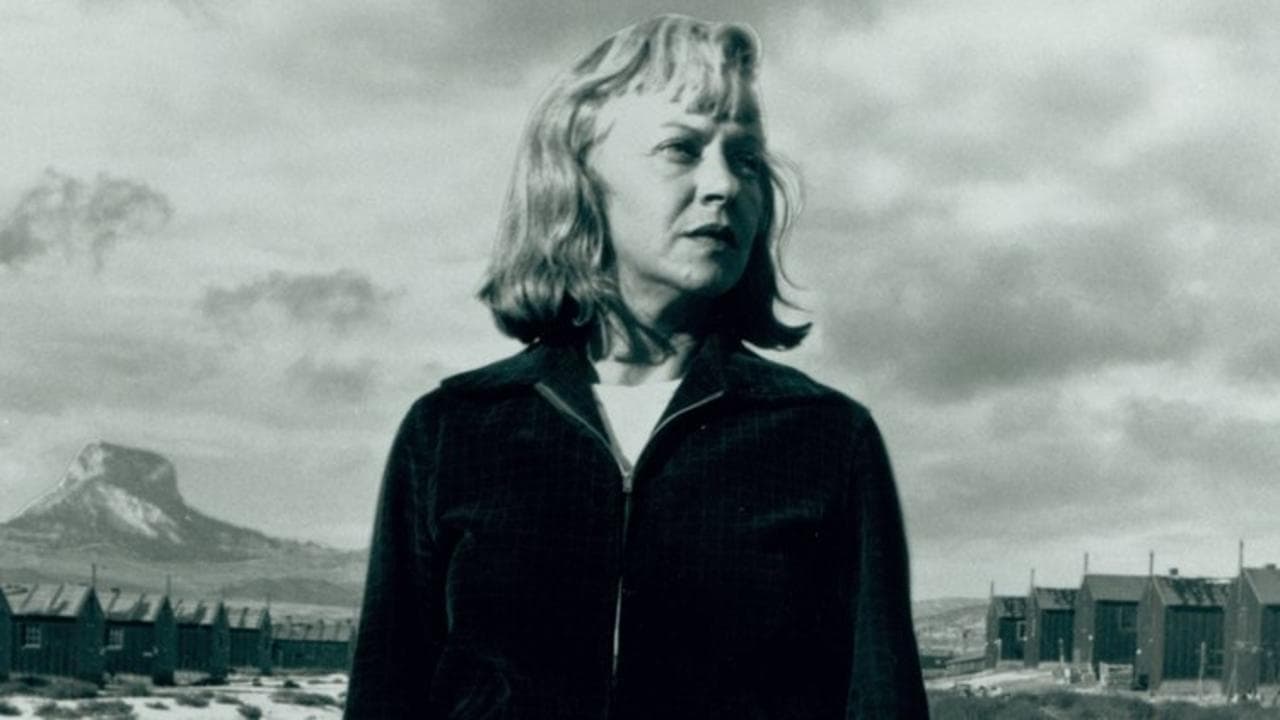
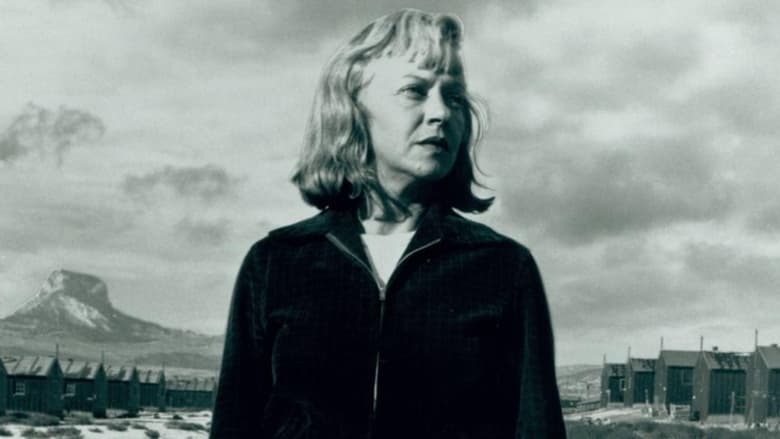
The story of Estelle Ishigo, one of the few Caucasians interned with Japanese Americans during World War II. The wife of a Japanese American, Ishigo refused to be separated from her husband and was interned along with him. Based on the personal papers of Estelle Ishigo and her novel Lone Heart Mountain.
“Some stories are better left unspoiled.”
Dorothy Stroup
Self - Narrator
Estelle Peck Ishigo
Lynn O'Donnell
Credits
Want more? Switch to Cinephile mode in the header for DP, composer, budget, box office, production companies, keywords, and release history.
Did you know?
Did you know
Tight 28-minute runtime — shorter than most television pilots.
Did you know
35 years old — old enough to be someone's favourite childhood film.
Did you know
Lean credit list — fewer than 30 people officially credited.
Did you know
Editor Steven Okazaki shaped the rhythm. On an edit-heavy film, the editor does more to control your pulse than the director.
Did you know
Dorothy Stroup and Estelle Peck Ishigo and Lynn O'Donnell carry the top of the cast.
Did you know
IMDB entry: tt0099372 — still the authoritative cross-reference for credits and trivia.
Did you know
Only 8 TMDB ratings — you're getting ahead of the curve on this one.
Cinephile deep dive
Steven Okazaki directs. Steven Okazaki cuts. Runs lean at under 100 minutes. Produced in United States of America. Dialogue in English.
Trivia
Awards
Won 1 Oscar. 4 wins total
Individual records documented via Wikidata; the summary above may count more.
Also by
Community reviews
Using her own strikingly vivid artwork, accomplished painter Estelle Ishigo tells us of her times of internment during the Second World War. She was an American citizen who had married a Japanese-American named Arthur and they lived amidst a thriving community until Pearl Harbour was bombed. The knee-jerk reaction of Uncle Sam at the time was to round up everyone with a Japanese sounding name, or with antecedence from there, and put them in holding camps. She refused to be separated from her husband, so joined him at the camp where they were treated as prisoners in all but name. Their status of "protective arrest" saw them surrounded by a barbed wire fence, fed in refectories and housed in huts that wouldn't have looked out of place in "The Great Escape" (1963). Not long after the States join the war, they are relocated to a more remote location where she watched her previously vibrant husband gradually lose the will and where she formulates the theme for a novel based around their experiences. After the conflict ended, they have to battle for some form of compensation and after recieving a meagre $102, they are forced to take menial jobs - she had previously been a teacher until she was fired for having a Japanese surname - before she ends up widowed in her fifties and living in a basement apartment on $5 per week. It's a very sad story, this, but her artwork still manages to imbue a little hope into the proceedings - especially when crafted at the height of their detention and beyond as the effects of those years clearly impact on both his physical and her mental health. The use of her paintings also allows us to imagine; to use them as our own conduit to a scenario where thousands of innocent people were deprived of their rights and their freedom and it's a poignant, simply constructed, film to watch.
Production companies
Farallon Films
US
Themes & keywords
Release history · US
Also known as
 Movie
Movie1942
 Movie
Movie2013
 Movie
Movie2011
 Movie
Movie2006
 Movie
Movie2024
 Movie
Movie2013
 Movie
Movie2022
 Movie
Movie2011
 Movie
Movie2020
 Movie
Movie2017