

1 / 8
MONEY
Did you know
Shot for just $0.1M — micro-budget by Hollywood standards.
MoodPlayr · trivia#01
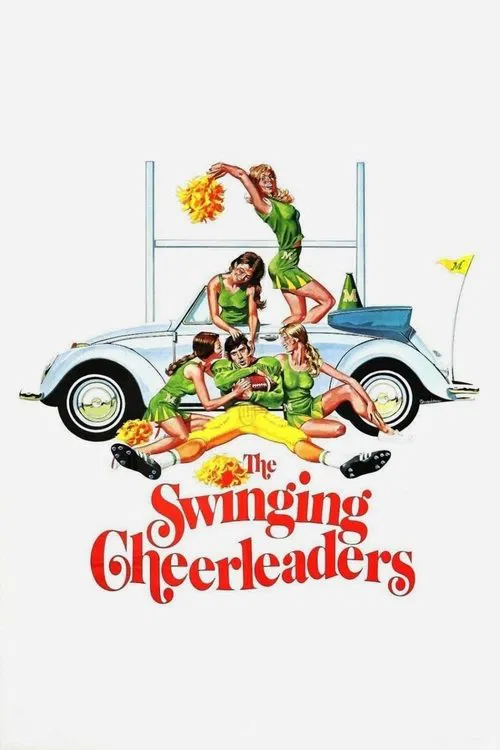
"They gave their all for the team!"
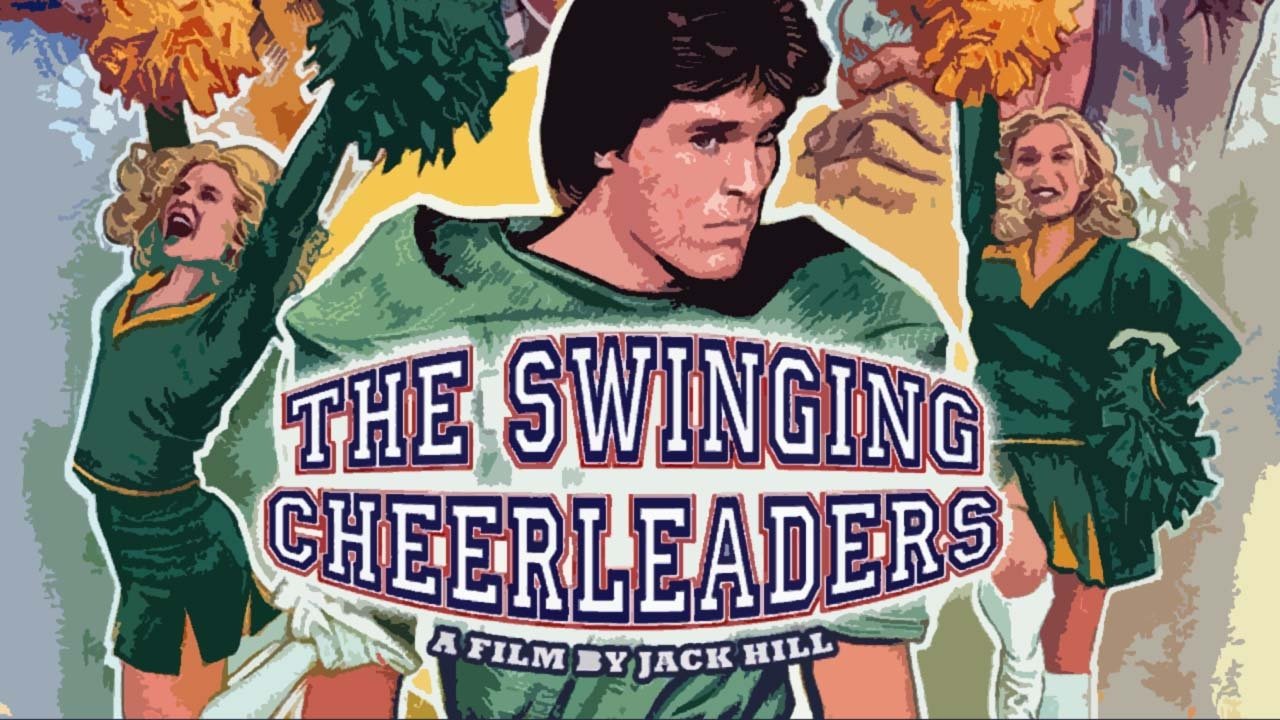
In order to write an expose on how cheerleading demeans women, a reporter for a college newspaper infiltrates the cheerleading squad.
“They gave their all for the team!”
Jo Johnston
Kate
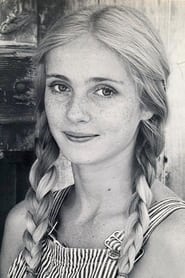
Cheryl Smith
Andrea
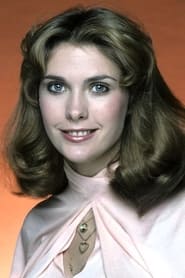
Colleen Camp
Mary Ann

Rosanne Katon
Lisa
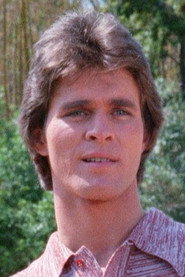
Ron Hajak
Buck

Ric Carrott
Ross
Jason Sommers
Prof. Thorpe
Ian Sander
Ron
Credits
Want more? Switch to Cinephile mode in the header for DP, composer, budget, box office, production companies, keywords, and release history.
Did you know?
Did you know
Shot for just $0.1M — micro-budget by Hollywood standards.
Did you know
52 years old — a genuine piece of film history.
Did you know
Part of the "The Cheerleaders Collection" — so the characters or world continue elsewhere.
Did you know
Directed by Jack Hill, shot by Alfred Taylor. Note their partnership — DPs and directors often return to each other across a career.
Did you know
Original score by William Loose. Worth a dedicated listen after — most great films lose half their impact without the score.
Did you know
Editor Morton Tubor shaped the rhythm. On an edit-heavy film, the editor does more to control your pulse than the director.
Did you know
Jo Johnston and Cheryl Smith and Colleen Camp carry the top of the cast.
Did you know
Marketing tagline: "They gave their all for the team!".
Cinephile deep dive
Jack Hill directs. Alfred Taylor behind the camera. William Loose scores. Morton Tubor cuts. Runs lean at under 100 minutes. Produced in United States of America. Dialogue in English.
Trivia
Part of
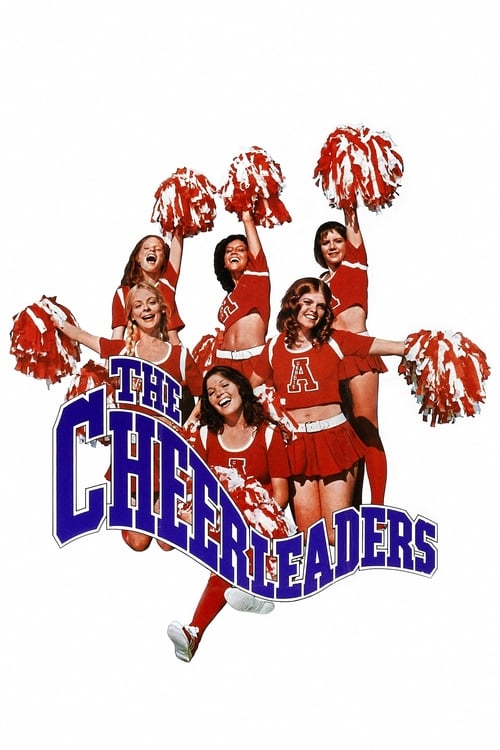
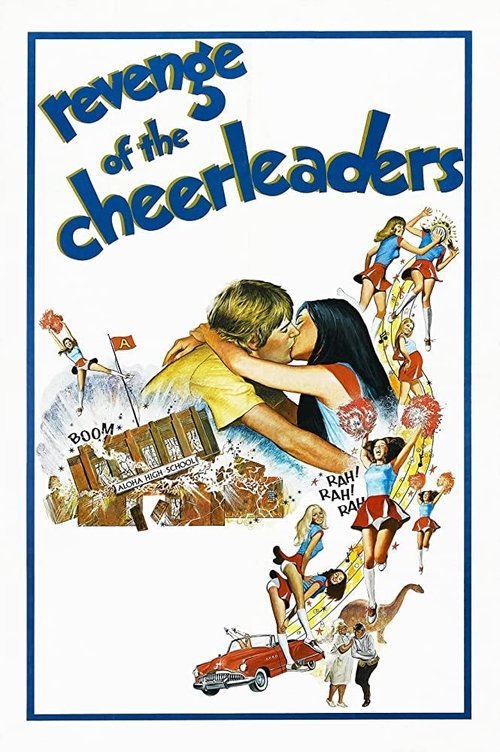
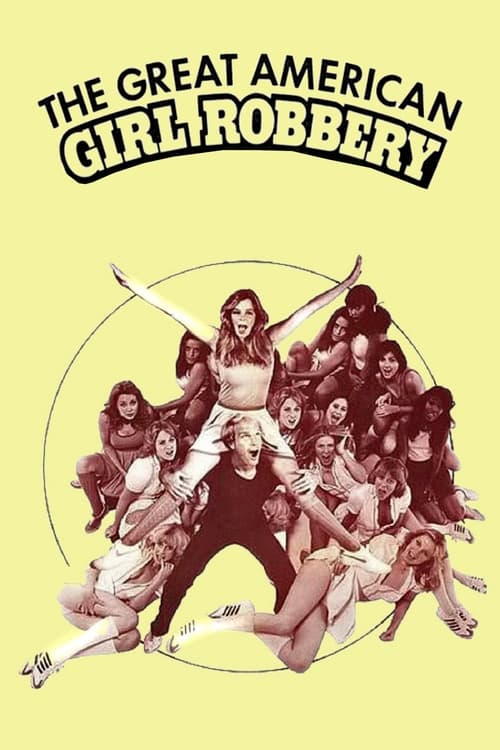
These cheerleader films explore themes of school spirit through unusual methods, like in The Cheerleaders (1973), where cheerleaders weaken the opposing football team through sexual encounters. The Swinging Cheerleaders (1974) examines cheerleading's societal implications and perceptions as degrading to women, with a reporter joining a squad to expose this. Revenge of the Cheerleaders (1976) presents cheerleading with sexualized imagery, violence, and humor. The Great American Girl Robbery (1979) utilizes cheerleaders in crime-related storylines, involving a hijacked busload of cheerleaders kidnapped by terrorists. These films maintain coherence through recurring themes of spirit, energy, gender dynamics, and sexualization. Often portraying cheerleaders positively as energetic and virtuous, they depict moral righteousness and role models against injustices. Plots involve cheerleaders in mysterious scenarios, adding thrill and intrigue, with themes of pride, rivalry, and competition.
Also by
Stills · wallpapers
Full-resolution frames — open one to save it as a wallpaper.
Trailers & featurettes
Community reviews
Social dynamics & corruptions at a SoCal university in the early 70s A student journalist (Jo Johnston) gets on the cheerleading squad intending to expose female exploitation, but discovers more than she bargained for. "The Swinging Cheerleaders” (1974) is a low-budget examination of the social workings of any American university of the time period, including the good, the bad and the ugly. It only took 12 days to shoot with the script started in late January and the movie released in May(!). Interestingly, it was originally said to be titled "Stand Up and Holler," but changed to the more exploitive title for obvious reasons. Some of the female cast members said they wouldn’t have signed on had they known this. There’s the criticism that the film tries to be too many things: Is it a sexploitation flick? A serious drama about male mistreatment of young women at college? A morality tale of the drawbacks of the loose sex lifestyle? A commentary on gambling and the corresponding rigged football games? Or just a campy quicky about cheerleaders saving the day? Yes, it ambitiously features all of these angles, but surprisingly works, despite the micro-budget and no-name actors. True, three of the actresses appear top nude for brief flashes, but this is way more than a one-dimensional sleaze flick. Everything it includes are realities at institutions of higher learning, back then and today. Cheryl “Rainbeaux” Smith (Andrea) and Colleen Camp (Mary Ann) stand out in the feminine department. Colleen was 20 during shooting and went on to play the squaw playmate in “Apocalypse Now” (1979) and the French maid in “Clue” (1985), not to mention the mother in “Valley Girl” (1983). This is the best movie to see her in her early years since her part is fairly big. The lovely "Rainbeaux" Smith was only 18 during shooting and in the early stages of pregnancy with her son Justin. She had a genuine innocent quality, appearing in many 'B' flicks throughout the 70s & early 80s. Unfortunately, she fell prey to hard drugs and contracted hepatitis, which ultimately killed her by the too-young age of 47 in 2002. The film runs 1 hour, 31 minutes, and was shot in Pacific Palisades, Los Angeles (football field), and areas nearby, like Playa Del Rey (Kate flees after the police bust), Carthay Studios (interiors) and West Los Angeles (the Putnam residence). GRADE: B
Production companies
Centaur Pictures Inc.
Themes & keywords
Release history · US
Also known as