
1 / 5
ERA
Did you know
71 years old — a genuine piece of film history.
MoodPlayr · trivia#01
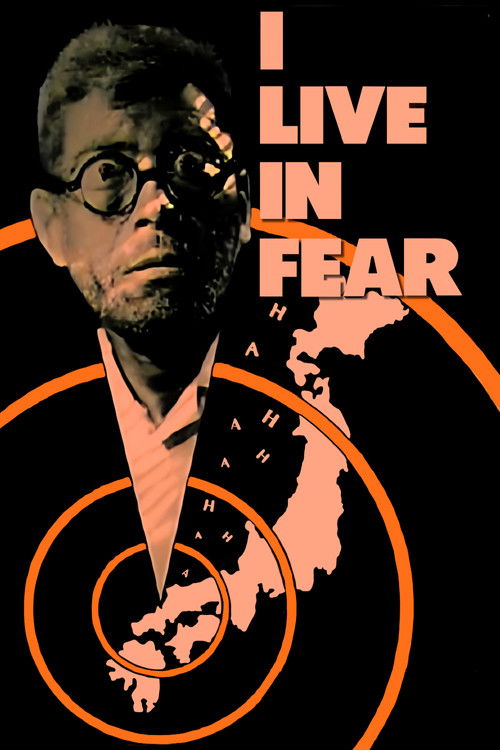
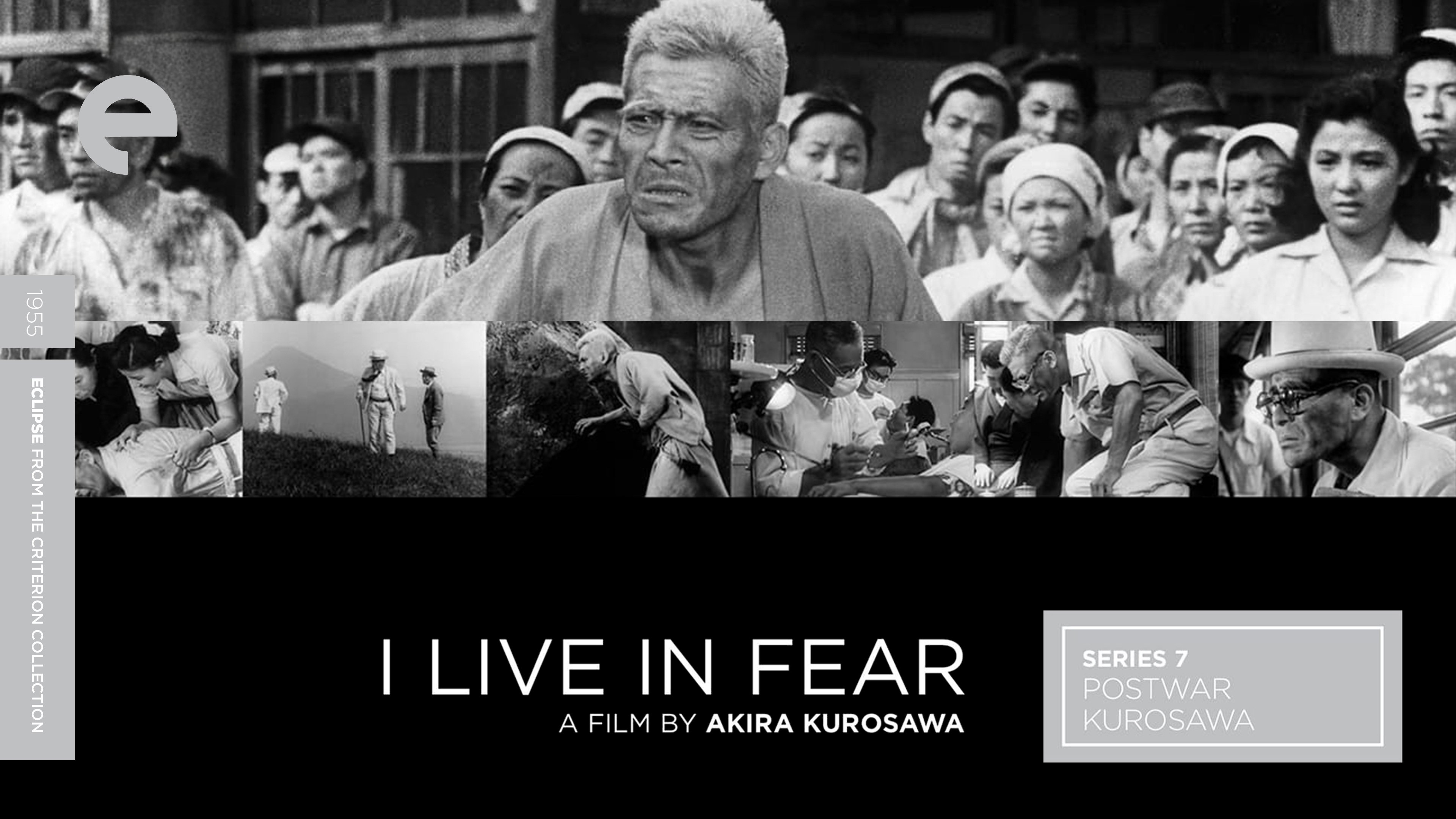
An aging foundry patriarch, gripped by terror of nuclear annihilation, tries to uproot his family to Brazil. When they petition to have him declared incompetent, a family-court counselor witnesses his obsession slide into ruin—and asks whether ignoring the atomic threat is any saner.
“Some stories are better left unspoiled.”
Where to watch · US
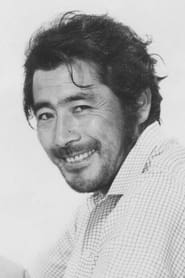
Toshirō Mifune
Kiichi Nakajima
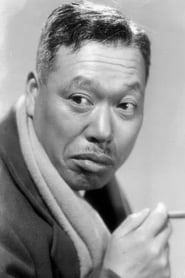
Takashi Shimura
Domestic Court Counselor Dr. Harada
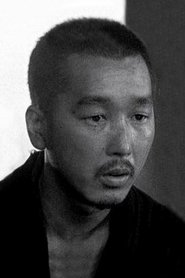
Minoru Chiaki
Jiro Nakajima
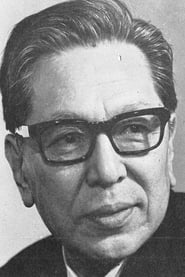
Masao Shimizu
Yamazaki, Yoshi's husband
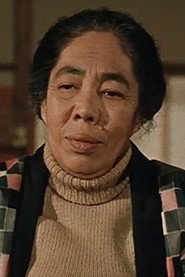
Eiko Miyoshi
Toyo Nakajima

Kyoko Aoyama
Sue Nakajima

Haruko Tōgō
Yoshi Nakajima

Noriko Sengoku
Kimie Nakajima
Credits
Want more? Switch to Cinephile mode in the header for DP, composer, budget, box office, production companies, keywords, and release history.
Did you know?
Did you know
71 years old — a genuine piece of film history.
Did you know
Directed by Akira Kurosawa, shot by Asakazu Nakai. Note their partnership — DPs and directors often return to each other across a career.
Did you know
Original score by Masaru Satō. Worth a dedicated listen after — most great films lose half their impact without the score.
Did you know
Toshirō Mifune and Takashi Shimura and Minoru Chiaki carry the top of the cast.
Did you know
IMDB entry: tt0048198 — still the authoritative cross-reference for credits and trivia.
Cinephile deep dive
Akira Kurosawa directs. Asakazu Nakai behind the camera. Masaru Satō scores. Produced in Japan. Dialogue in Japanese.
Trivia
Also by
Stills · wallpapers
Full-resolution frames — open one to save it as a wallpaper.
Community reviews
This is a far cry from the usual Kurosawa/Mifune effort; indeed in this, Toshirô Mifune is almost unrecognisable. No brave, honourable Samurai this time, but an elderly foundry-owner who is paranoid about the potential impact of nuclear war on his family. To this end, he is determined to sell up and relocate his family to Brazil. The family don't fancy this idea much and try to have him certified. What ensues is a battle of wills, priorities and personalities set against a traditional set of Japanese family structures and values. Viewed, largely, from the perspective of independent arbiter "Dr. Harada" (Takashi Shimura) who has been drafted in to help settle the matter amicably; we visit the perfectly valid (though frequently selfish) approaches taken by both Mifune and his family - who have plenty of scores to settle amongst themselves - as the film tries to establish the best course of action to satisfy both parties. There is quite an interesting scene mid-way through when at the height of their dispute, the old man returns to the court armed with bottles of pop which he has bought for his family to help combat the unrelenting heat, indicating that he clearly still cares greatly for his family, even though they are at loggerheads... and for me, that rather sums the whole thing up - there isn't necessarily a right or wrong solution; it's about individuality and choice but ultimately the happiness of others; and Mifune is great. I found the last fifteen minutes quite sad, perhaps building on the old adage about families and money. Japan, for a good while, struggled to reconcile itself to the realities of a post-Hiroshima threat, so from an observer some 6,000 miles away it can be hard to understand just how viscerally the danger of repetition was taken by many - this film is a thought provoking, emotional - and, at times humorous, glimpse into that fear.
Production companies

TOHO
JP
Themes & keywords
Release history · US
Also known as