
1 / 8
MONEY
Did you know
Shot for just $1.4M — micro-budget by Hollywood standards.
MoodPlayr · trivia#01
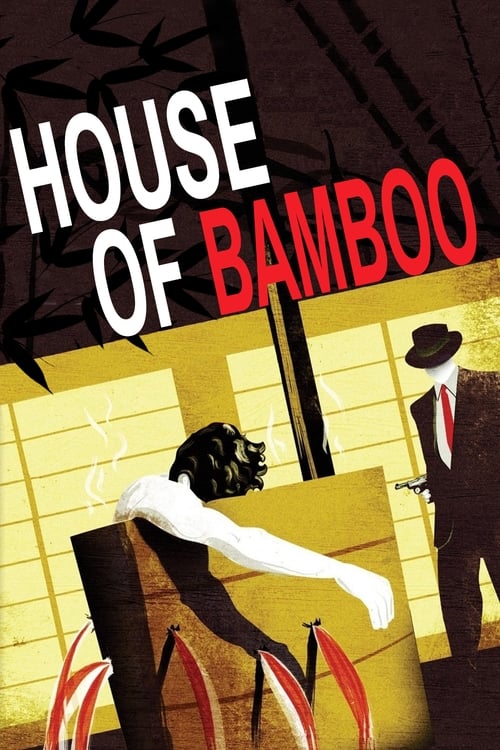
"Tokyo Post-War Underworld!"
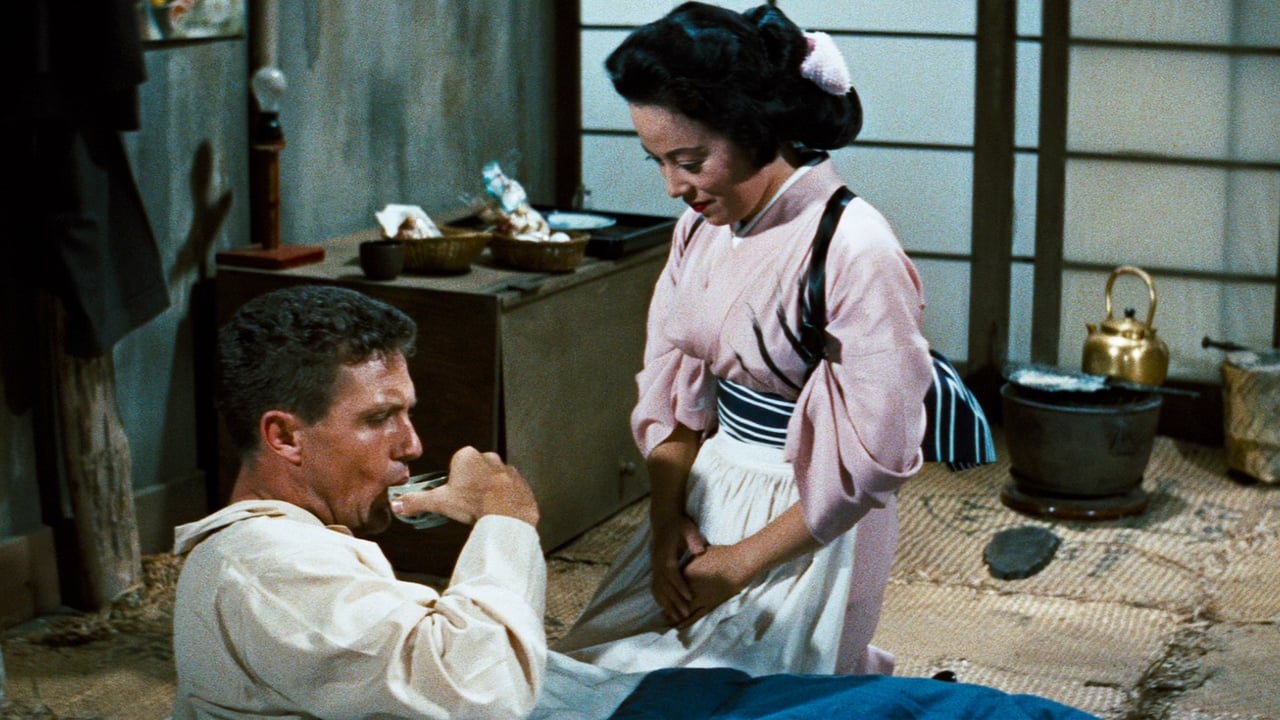
Eddie Kenner is given a special assignment by the Army to get the inside story on Sandy Dawson, a former GI who has formed a gang of fellow servicemen and Japanese locals.
“Tokyo Post-War Underworld!”
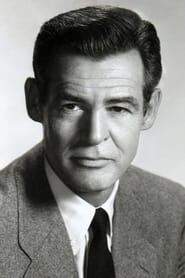
Robert Ryan
Sandy Dawson

Robert Stack
Eddie Kenner

Yoshiko Yamaguchi
Mariko
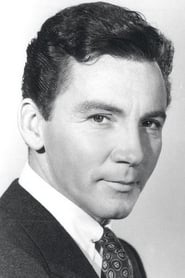
Cameron Mitchell
Griff
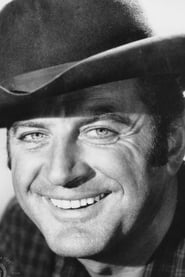
Brad Dexter
Capt. Hanson
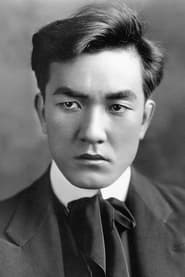
Sessue Hayakawa
Inspector Kito

Biff Elliot
Webber
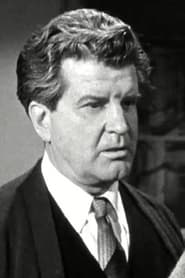
Sandro Giglio
Ceram
Credits
Want more? Switch to Cinephile mode in the header for DP, composer, budget, box office, production companies, keywords, and release history.
Did you know?
Did you know
Shot for just $1.4M — micro-budget by Hollywood standards.
Did you know
71 years old — a genuine piece of film history.
Did you know
Dialogue crosses 2 languages: English, Japanese.
Did you know
Directed by Samuel Fuller, shot by Joseph MacDonald. Note their partnership — DPs and directors often return to each other across a career.
Did you know
Original score by Leigh Harline. Worth a dedicated listen after — most great films lose half their impact without the score.
Did you know
Editor James B. Clark shaped the rhythm. On an edit-heavy film, the editor does more to control your pulse than the director.
Did you know
Robert Ryan and Robert Stack and Yoshiko Yamaguchi carry the top of the cast.
Did you know
Marketing tagline: "Tokyo Post-War Underworld!".
Cinephile deep dive
Samuel Fuller directs. Joseph MacDonald behind the camera. Leigh Harline scores. James B. Clark cuts. Profitable at the box office. Produced in United States of America. Dialogue in English, Japanese.
Trivia
Also by
Trailers & featurettes
Community reviews
You know what the army do with an agent found behind enemy lines. Warning: Spoilers House of Bamboo is directed by Sam Fuller who also co-writes with Harry Kleiner. It stars Robert Ryan, Robert Stack, Shirley Yamaguchi and Cameron Mitchell. It's a CinemaScope production with colour by De Luxe, with photography by Joseph MacDonald. Leigh Harline scores the music and the film is a loose remake of The Street with No Name (1948), where Kleiner & MacDonald were also involved. The film is exclusively shot on location in Japan. Tokyo, 1954, and an underworld outfit of American ex-servicemen are thriving on criminal activity. Their newest recruit is Eddie Spanier (Stack), in town to hook up with an old friend, his plans go awry on the news that his pal was killed during a robbery. But he catches the eye of the mob leader, Sandy Dawson (Ryan), and so begins a relationship that will have far reaching consequences for everyone involved with the two men. A train draws to a halt on a bridge in snowy Tokyo, at its point of stopping the train is perfectly overlooked by a snow capped Mount Fuji. It's a moment of beauty, quite serene, then violence explodes as the train is robbed and death shatters the moment. And so Sam Fuller's House of Bamboo begins. One of the first Hollywood movies to be shot in Japan post World War II, it's a film that's as gritty as it is surprisingly violent. Yet the film is very beautiful in texture, courtesy of the location photography by the talented MacDonald who utilises the Scope format to capture some incredible visual treats. For this "noir-a-like" picture there's no shadows and fog, or off kilter angle plays, what there is is a beauty beset by ugly criminal things. Add in some Fuller oddity tones, terse dialogue in the script and some memorable moments of anger, and you get a film that can now be viewed as influential. Even if it's a picture that's hard to confidently recommend to serious fans of gangland type thrillers. Expectation, as most film lovers know, can be a burden that's capable of spoiling many a nights viewing, with that in mind, House of Bamboo comes with a warning. For in spite of the synopsis lending one to think this is a brooding nasty picture about underworld crims, it's actually more comic book than hard boiled, and a massive dose of belief suspension is needed to run with the flow. There's also an issue with some flabby filler scenes involving the relationship between Stack & Yamaguchi, so much of an issue that were it not for a great smoke bomb based escape sequence leading up to the middle third, and some splendid homo-erotic subtext in the gang, the film would find it hard to fight off charges of being melodramatic for potential romance's sake. But Fuller manages to overcome the narratives problems to finish with a most intriguing and interesting film. His cast are very efficient, where Stack is a nice fit for his character (can't say no more because of spoilers), Ryan is ominously coiled spring like and Mitchell is a chunky ball of menace. Then there is of course the director enjoying dallying with themes of duality, betrayal and racial indifference, all captured by his wonderfully fluid camera work. And thankfully the film is crowned off by an excellent finale set on a spinning rooftop amusement park viewer, one minute a stunning view across Tokyo, the next gunshots rattling the air like intruders invading your home. Beginning with stark violence and ending in much the same way, the overriding feeling seems to be that beauty can quite quickly become ugly. The positives far outweigh the negatives in the House of Bamboo. 7/10
When a man is mysteriously murdered in Tokyo, the US Army plants it's streetwise investigator "Eddie" (Robert Stack) into the city with a mission to inveigle himself into a gang of petty American racketeers. It's quite easy for him get their attention, but securing the trust of "Sandy" (Robert Ryan) isn't so straightforward, especially as his sidekick "Griff" (Cameron Mitchell) is both wary and jealous of this new addition to their numbers. As this gang start to become more ambitious with their criminal activities , "Eddie" finds his position becoming more and more perilous. Can he survive the double-crossing and bring his quarry to book? There were quite a few of these post-war, culture-clash crime dramas made and this isn't really especially notable. Stack and Ryan both do just about enough but the ease by which the mystery is unraveled and the rather cluttering up romance with "Mariko" (Shirley Yamaguchi) leave too much of this until the last ten minutes which is all a bit rushed. It was filmed on location, which certainly helps, but this is still all just a little too join-the-dots to be particularly memorable.
Production companies

20th Century Fox
US
Themes & keywords
Release history · US