1 / 8
RUNTIME
Did you know
At 180 minutes, this is a three-hour-plus commitment — longer than 95% of films ever made.
MoodPlayr · trivia#01
"To love."
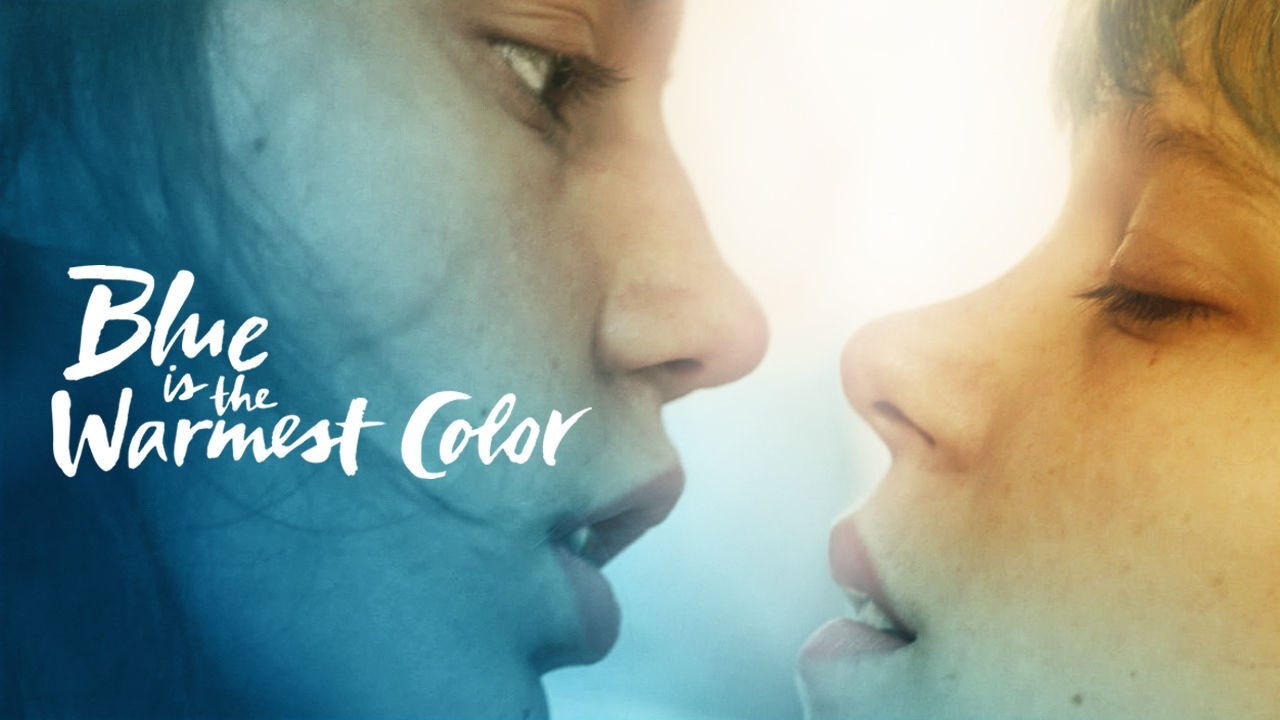
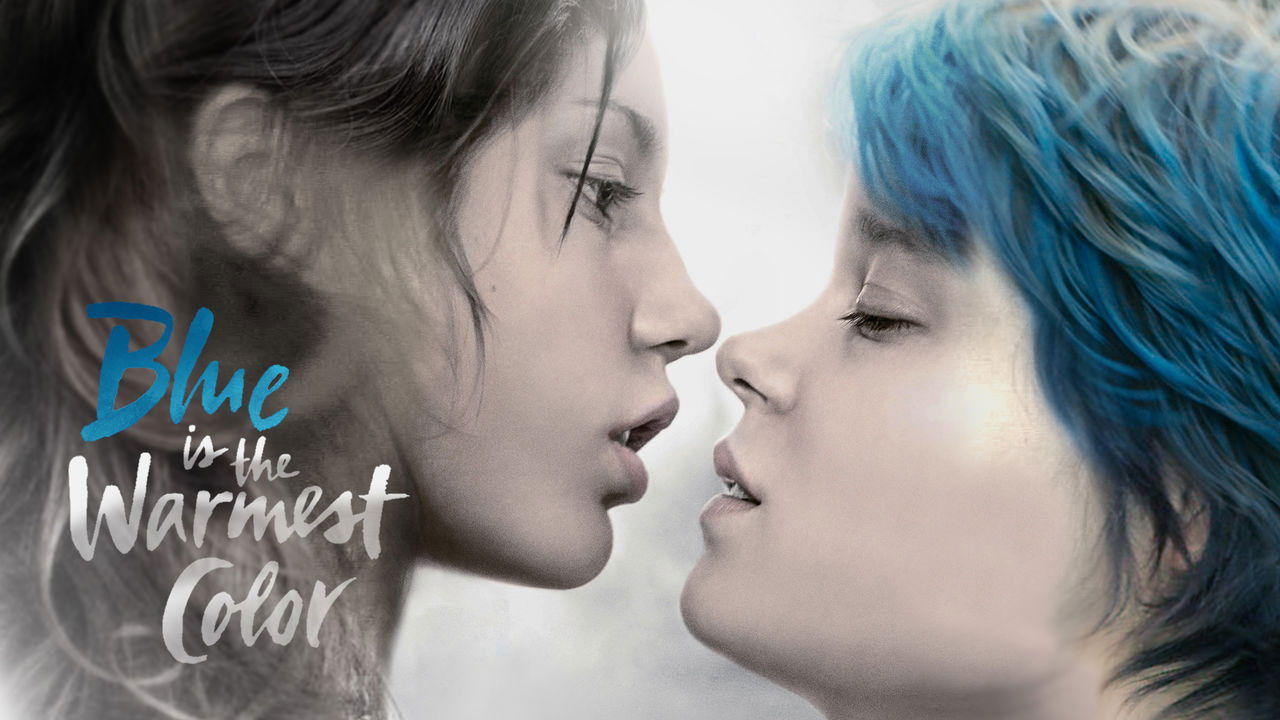
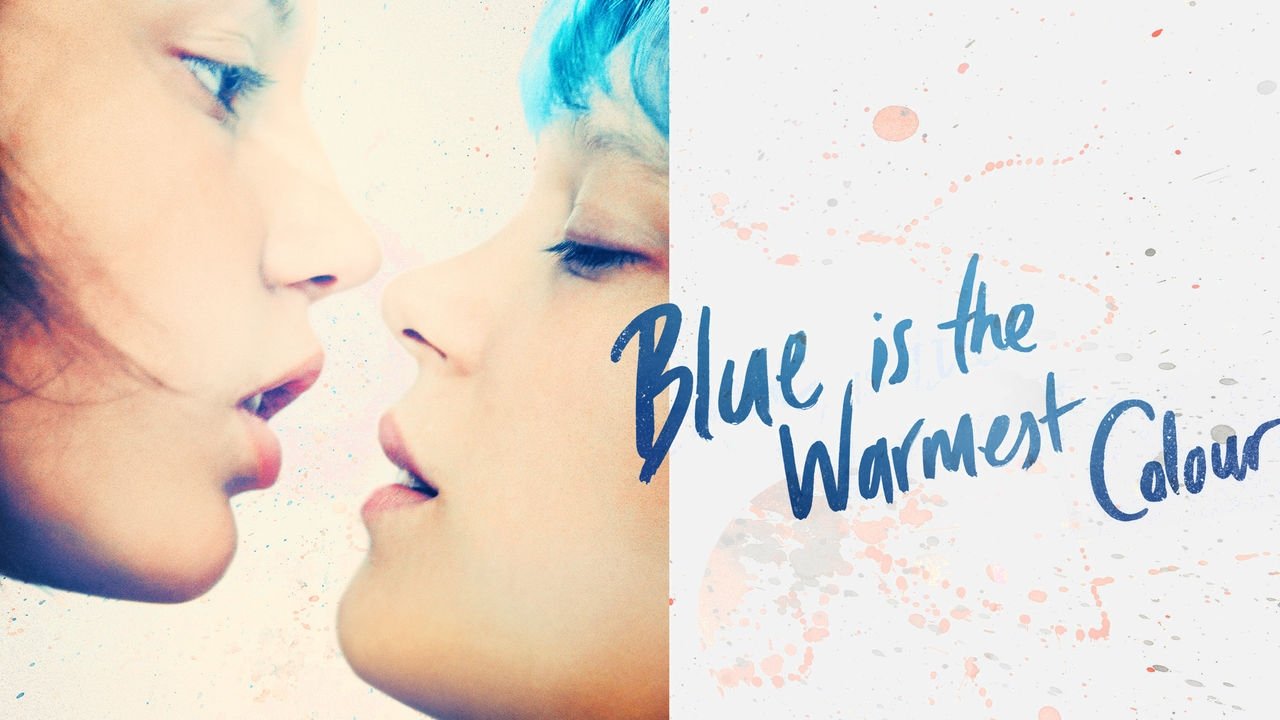
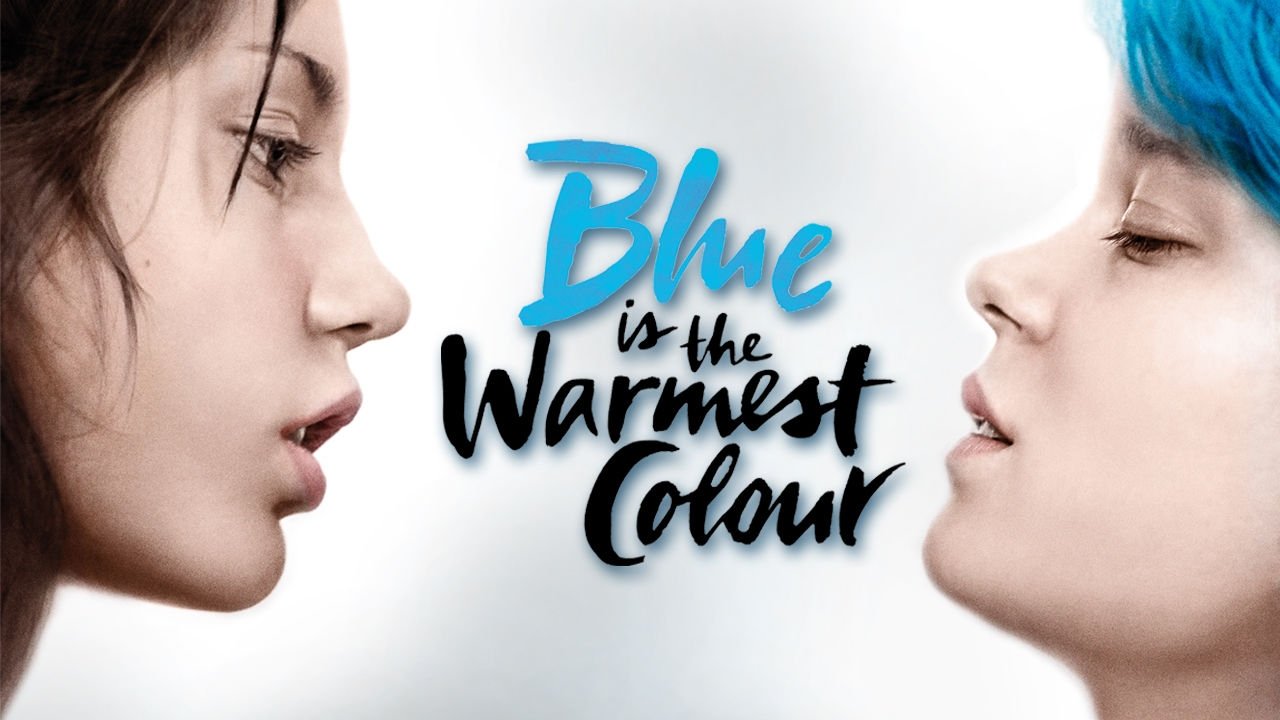
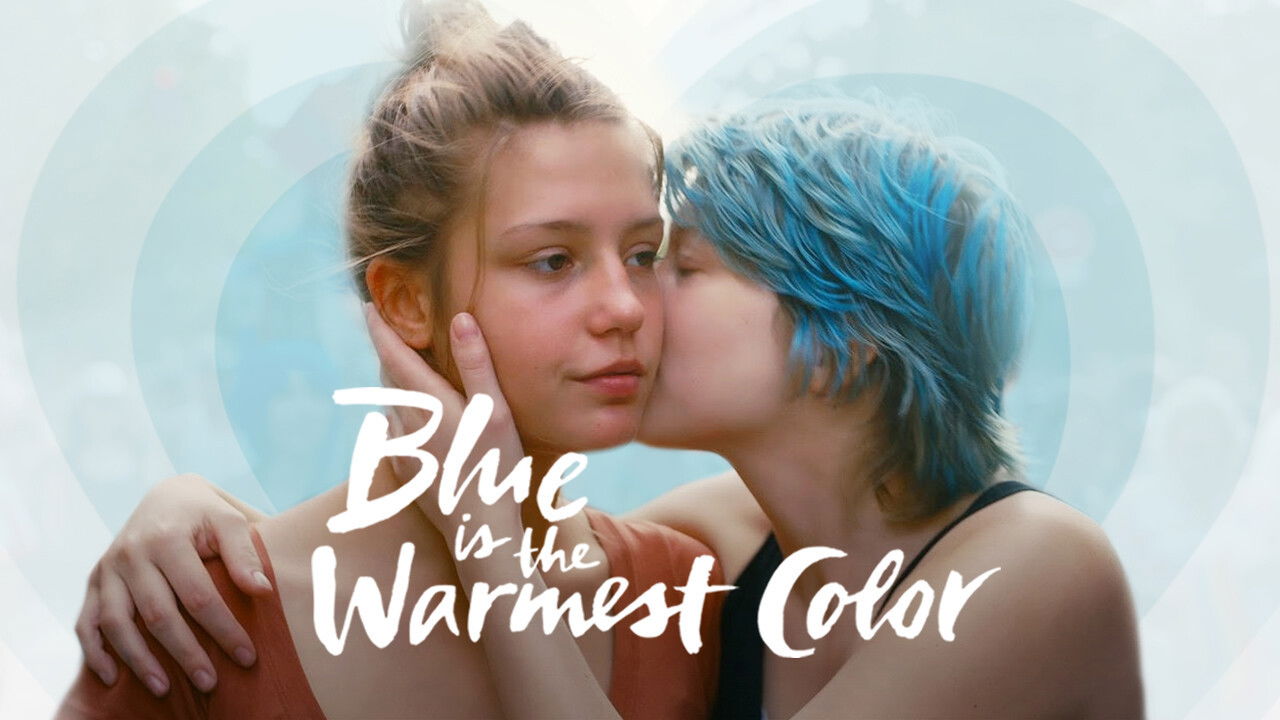
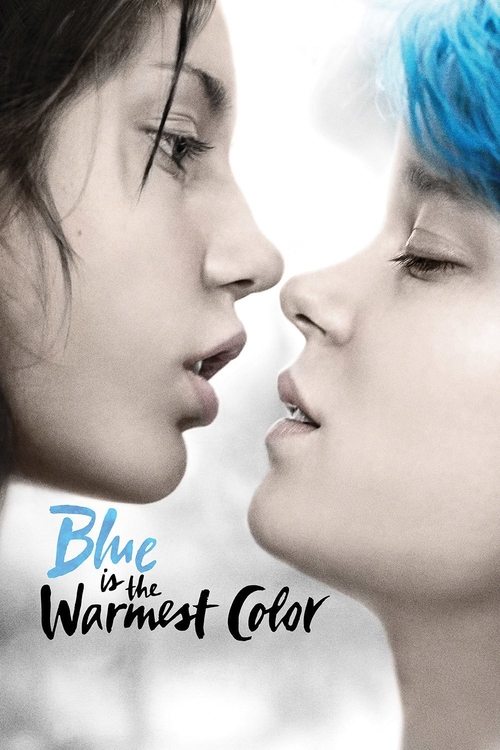
Adèle's life is changed when she meets Emma, a young woman with blue hair, who will allow her to discover desire, to assert herself as a woman and as an adult. In front of others, Adele grows, seeks herself, loses herself, finds herself.
“To love.”

Léa Seydoux
Emma

Adèle Exarchopoulos
Adèle

Salim Kéchiouche
Samir

Aurélien Recoing
Adèle's Father

Catherine Salée
Adèle's Mother

Benjamin Siksou
Antoine

Mona Walravens
Lise

Alma Jodorowsky
Béatrice
Credits
Want more? Switch to Cinephile mode in the header for DP, composer, budget, box office, production companies, keywords, and release history.
Did you know?
Did you know
At 180 minutes, this is a three-hour-plus commitment — longer than 95% of films ever made.
Did you know
Shot for just $4.3M — micro-budget by Hollywood standards.
Did you know
Made its money back 4.6× over at the box office.
Did you know
Released 13 years ago.
Did you know
Dialogue crosses 2 languages: French, English.
Did you know
International production across 3 countries: Belgium, France, Spain.
Did you know
Directed by Abdellatif Kechiche, shot by Sofian El Fani. Note their partnership — DPs and directors often return to each other across a career.
Did you know
Editor Albertine Lastera shaped the rhythm. On an edit-heavy film, the editor does more to control your pulse than the director.
Cinephile deep dive
Abdellatif Kechiche directs. Sofian El Fani behind the camera. Albertine Lastera cuts. A long sit — settle in. Made its budget back several times over at the box office. Produced in Belgium, France, Spain. Dialogue in French, English.
Trivia
Awards
Nominated for 1 BAFTA Award. 87 wins & 106 nominations total
Individual records documented via Wikidata; the summary above may count more.
Also by
Stills · wallpapers
Full-resolution frames — open one to save it as a wallpaper.
Trailers & featurettes
Community reviews
Apart from the NC-17 sex scenes, the buzz of this film made me think it was going to be about the two people on the poster. But from the first frame, it's really just about one — Adele. So much film is spent focused on her face that it's easy to lose contact with other characters and the world around her. But in doing so, I felt very drawn into her thought process, which made the story of her romance to Emma that much more powerful, despite the language barrier and the relationship's keen specificities. Being so drawn in proved very helpful during the breakup scene. On it's own, you see a woman scorned and the sad stupidity of her unfaithful lover fighting a lost cause. But because we know so much about that unfaithful lover, I felt worse, because I know what led her to this place and was sad she couldn't articulate it in the moment. It added to what I think is the film's major achievement -- showing how an ecstatic love like Emma's and Adele's can end up feeling so isolating.
I became obsessed with Adele Exarchopoulos after seeing this. Didn't even have to look up that spelling. I ordered a custom-made 32" x 48" ish sized poster of her for my apartment that's still around somewhere. I'm pretty sure I tried to find her on snapchat. Thanks for reading.
Too much footage and too little substance This three-hour movie is, at the very least, an hour and a half too long. It is riddled with superfluous scenes that add nothing to the plot and only serve as filler. It is a shame, because the central story of love and heartbreak is beautiful and features great performances by its two protagonists. However, the film seems to rely solely on the taboo of female homosexuality and the more or less explicit images that depict it. If the leading couple had been heterosexual, if the production had come from the traditional puritanism of American cinema, or if those sexual scenes had been cut, this movie would have gone completely unnoticed and would never have received any awards. There is not much to reward here beyond the voluptuousness of its romantic scenes, as in the end, the film's greatest appeal comes down to the aesthetic beauty of seeing its two nymphs in the intimacy of their loving acts.
Production companies

Wild Bunch
FR

SCOPE Pictures
BE
Quat'sous Films
FR

France 2 Cinéma
FR

RTBF
BE
Alcatraz Films
FR

Vértigo Films
ES
Themes & keywords
Release history · US
Also known as