

1 / 7
ERA
Did you know
56 years old — a genuine piece of film history.
MoodPlayr · trivia#01
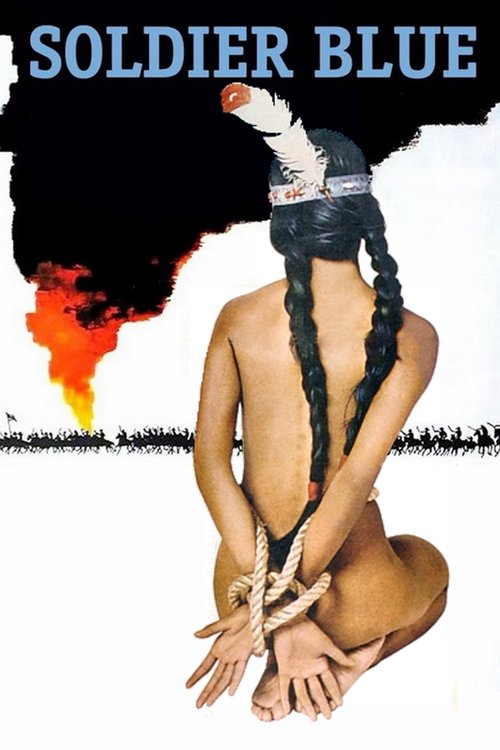
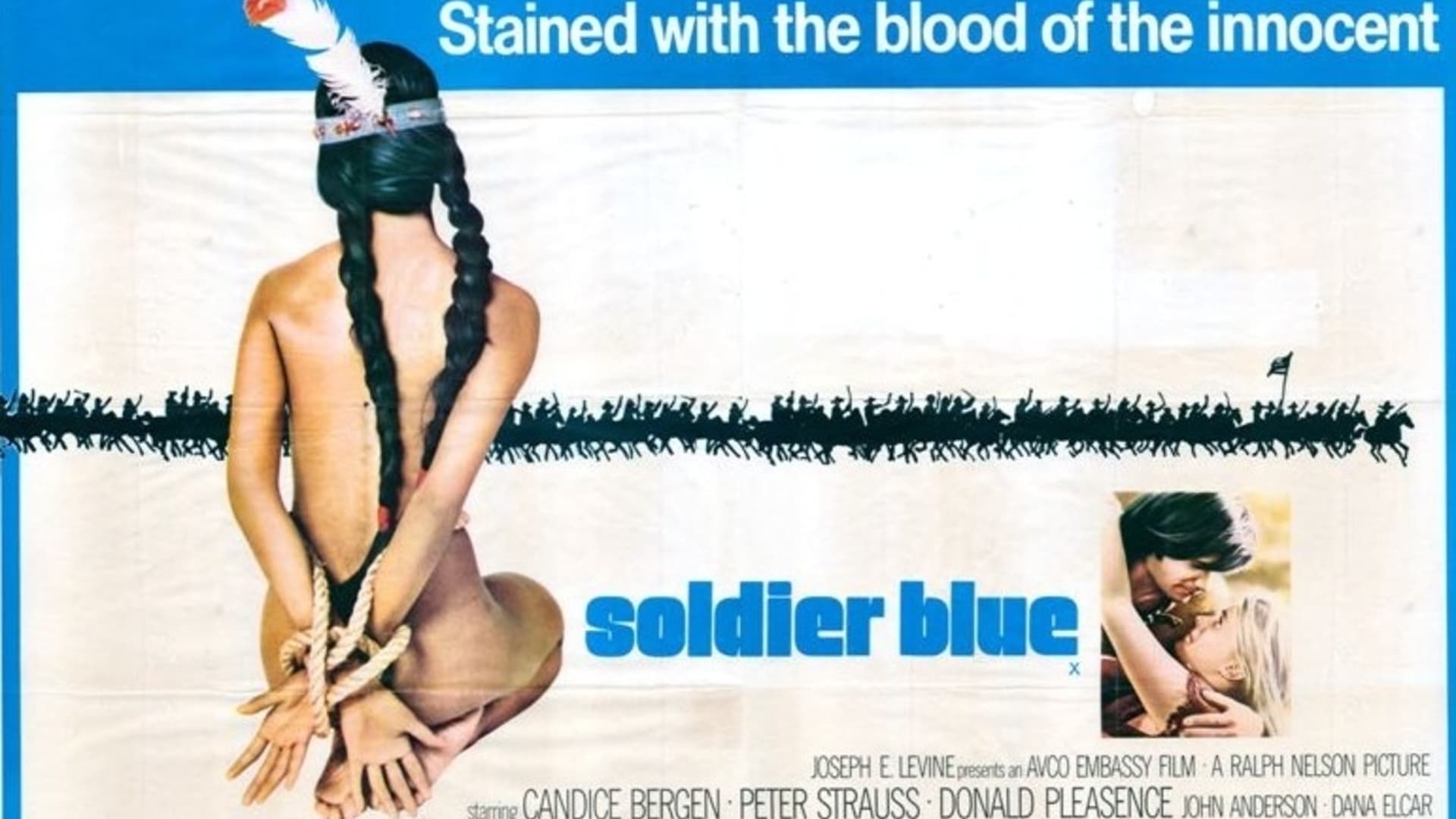
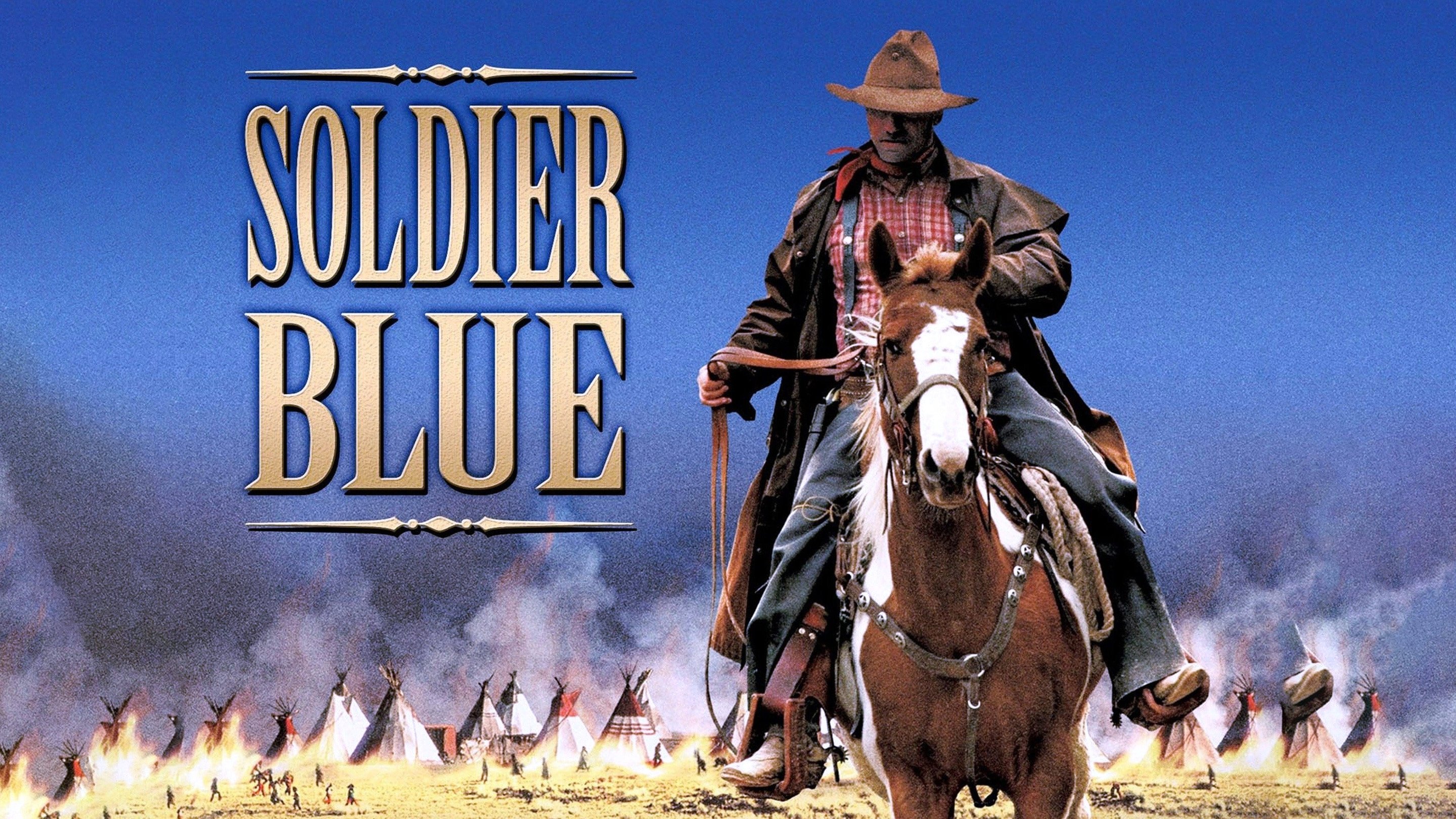
"The most savage film in history!"
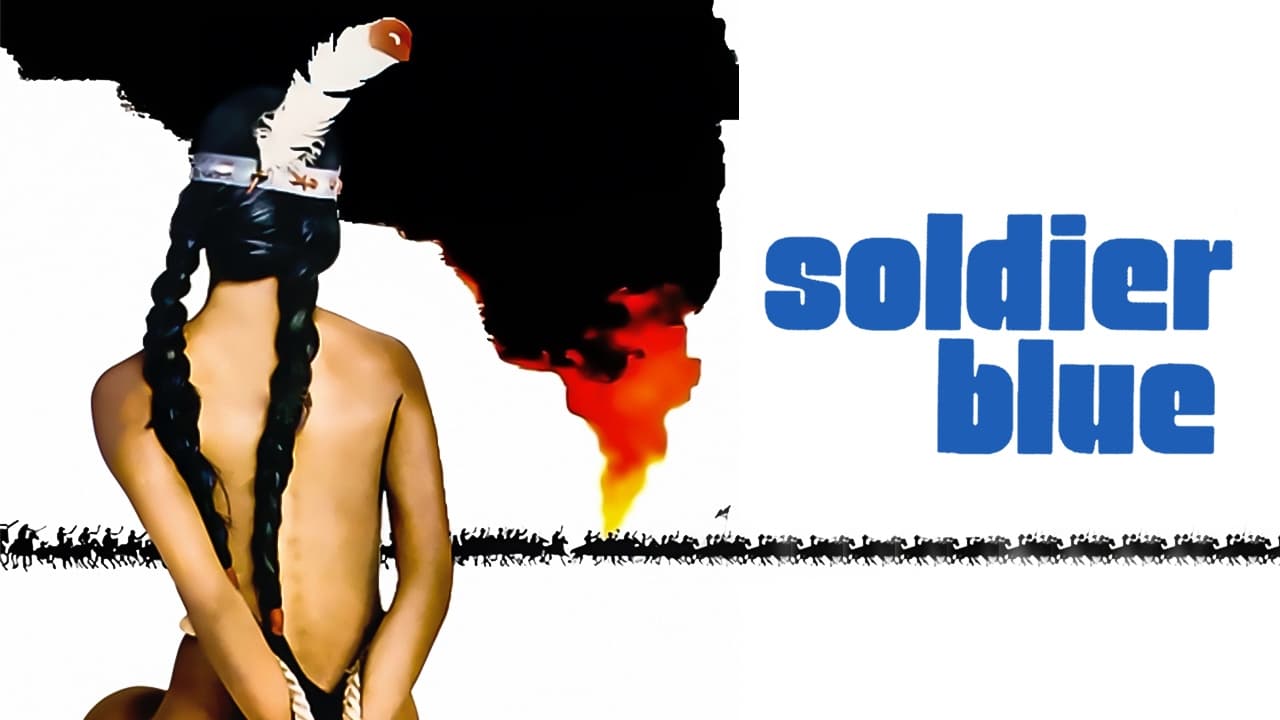
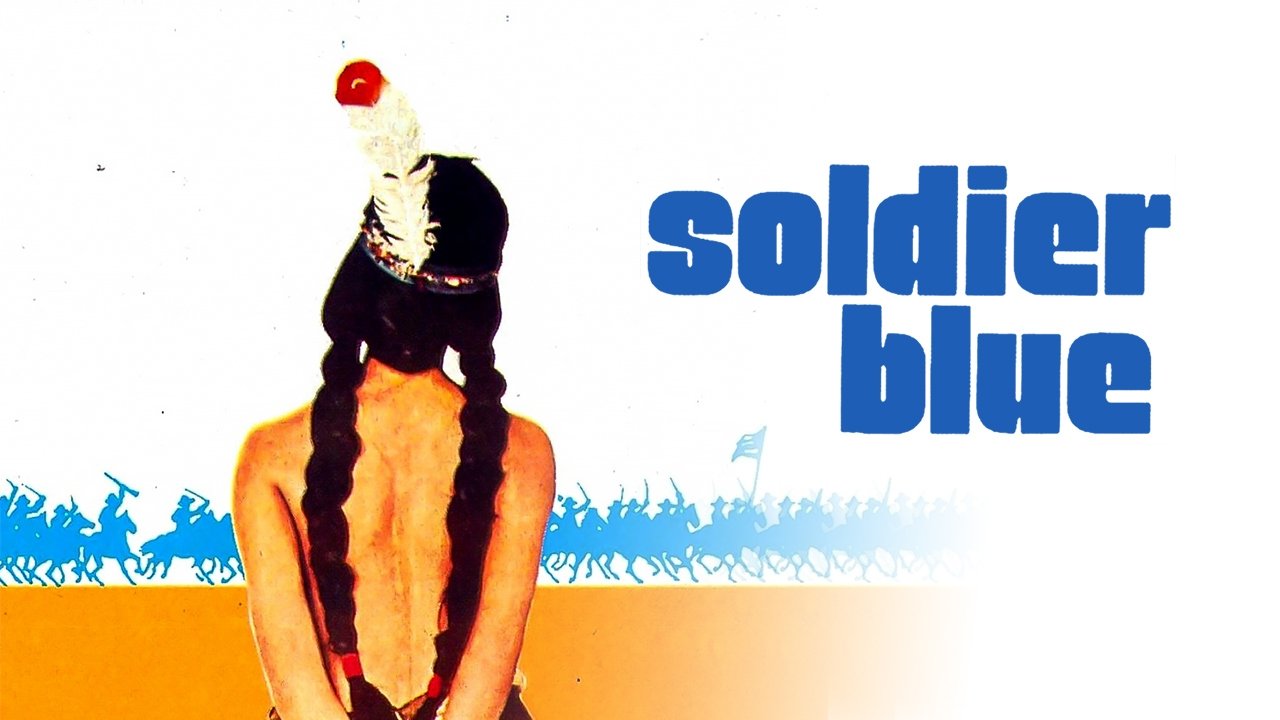
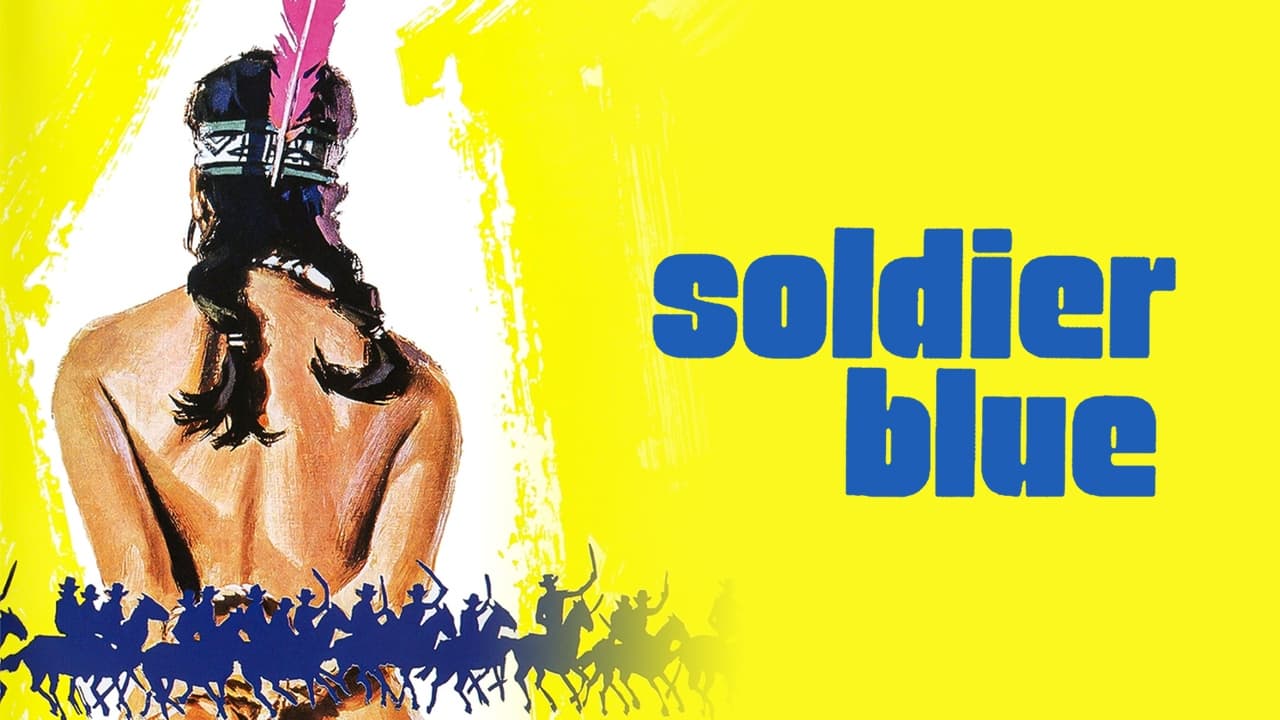
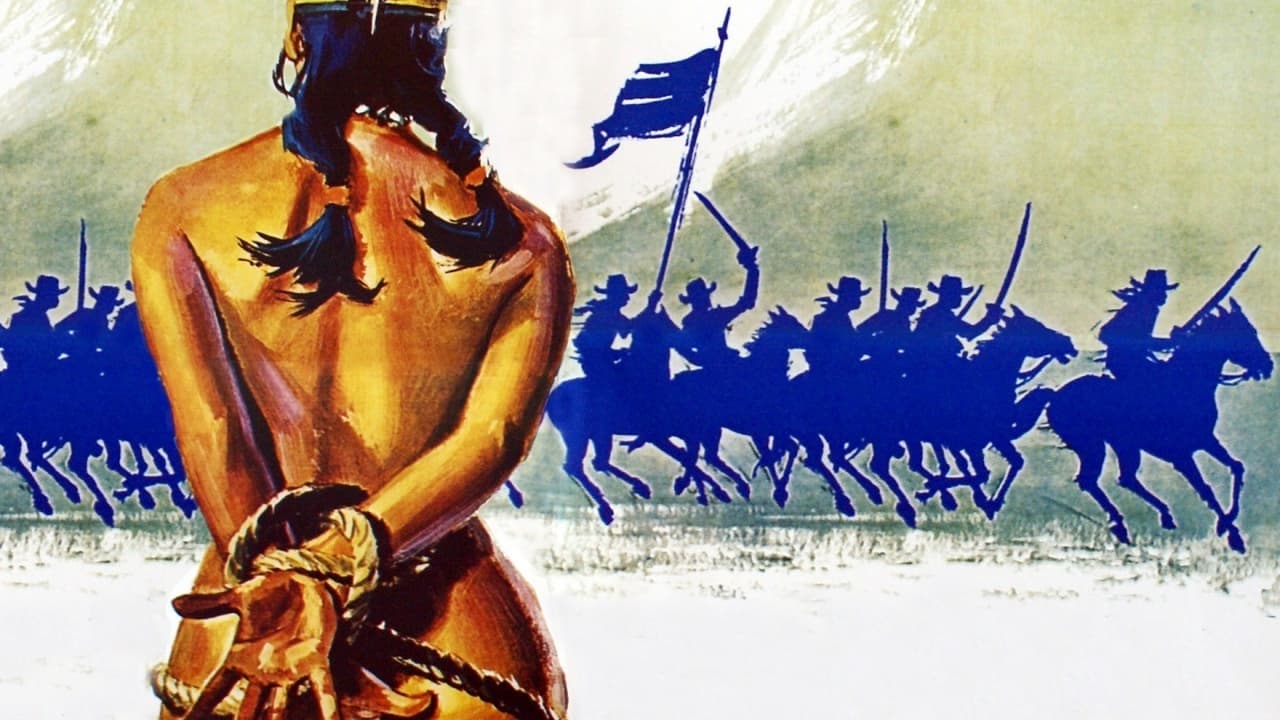
After a cavalry group is massacred by the Cheyenne, only two survivors remain: Honus, a naive private devoted to his duty, and Cresta, a young woman who had lived with the Cheyenne two years and whose sympathies lie more with them than with the US government. Together, they must try to reach the cavalry's main base camp. As they travel onward, Honus is torn between his growing affection for Cresta.
“The most savage film in history!”

Candice Bergen
Kathy Maribel Lee, 'Cresta'
Peter Strauss
Honus Gent
Donald Pleasence
Isaac Q. Cumber
John Anderson
Col. Iverson
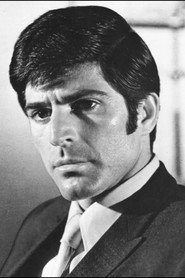
Jorge Rivero
Spotted Wolf
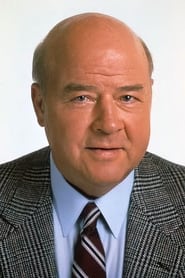
Dana Elcar
Capt. Battles
Bob Carraway
Lt. McNair

Martin West
Lt. Spingarn
Credits
Want more? Switch to Cinephile mode in the header for DP, composer, budget, box office, production companies, keywords, and release history.
Did you know?
Did you know
56 years old — a genuine piece of film history.
Did you know
Directed by Ralph Nelson, shot by Robert B. Hauser. Note their partnership — DPs and directors often return to each other across a career.
Did you know
Original score by Roy Budd. Worth a dedicated listen after — most great films lose half their impact without the score.
Did you know
Editor Alex Beaton shaped the rhythm. On an edit-heavy film, the editor does more to control your pulse than the director.
Did you know
Candice Bergen and Peter Strauss and Donald Pleasence carry the top of the cast.
Did you know
Marketing tagline: "The most savage film in history!".
Did you know
IMDB entry: tt0066390 — still the authoritative cross-reference for credits and trivia.
Cinephile deep dive
Ralph Nelson directs. Robert B. Hauser behind the camera. Roy Budd scores. Alex Beaton cuts. Produced in United States of America. Dialogue in English.
Trivia
Also by
Stills · wallpapers
Full-resolution frames — open one to save it as a wallpaper.
Trailers & featurettes
Community reviews
The R-rated cut of SOLDIER BLUE (1970) contains 100 minutes of a G-rated romance, bookended by 15 minutes of graphic, blood-soaked atrocities. Director Ralph Nelson doesn't pull any punches; disfigurement, immolation, decapitation, and impalement (amongst other acts of barbarity) splash across the screen - often in Sam Peckinpah-style slow motion. These opening and closing scenes have power; the problem is the 100 minutes we have to spend with the one-dimensional survivors of the initial Indian assault. Candice Bergen and Peter Strauss are given generic, facile characters to interpret; one is naive, one is worldly (of course); one is prudish, the other permissive (surprise); they gradually develop feelings for one another (if you didn't see that coming...). Donald Pleasance eventually shows up for some much needed variety, but it's not enough. If you're a fan of violent western-style action, you'll enjoy some of this. If you're fond of budding romance pics, then the love story might engage you. Everyone else would probably be better served by watching LITTLE BIG MAN (1970) again.
Playful Western Romance sandwiched between two brutal massacres After a paymaster cavalry unit is slaughtered by the Cheyenne in 1877, a surviving soldier and Indian sympathizer team-up to get back to the nearest fort (Peter Strauss and Candice Bergen). The young man struggles with contempt for what he considers a treasonous attitude along with his growing affection for the brash woman. Then he sees the awful truth firsthand. "Soldier Blue" (1970) is an entertaining, but odd Western. At heart, it’s a fun romance between a patriotic military man and a profane “free-spirit” who is able to survive the challenges of the American wilderness precisely because she has shed Victorian inanities. This is bookended by a Cheyenne-led massacre on a non-threatening cavalry group and the military massacre of a peaceful Cheyenne camp, filled with women and children. The latter is obviously based on the Sand Creek Massacre of 1864. I respect that the movie shows how massacres happened on both sides, but it stacks the deck against the Caucasian militants by showing them butchering women & children and not vice versa. The opening Indian attack ensures that the viewer's sympathies are with Honus (Strauss, the eponymous ‘Soldier Blue’), so you travel the same journey as him: At first, regarding the Indians as bloodthirsty savages who have no qualms about committing mass murder and abusing corpses if it’ll help them acquire firearms but, ultimately, ending up with the revelation that Honus’ ‘tribe’ can be just as barbaric when fitting, and even more so. Barbaric attacks applied to both uncivilized First Americans and more civilized New Americans, but more so with the former, which is documented. Since the 1960s-70s there has been an overemphasis on the injustices committed by the US military or militants/settlers and we get a handful of examples: Wounded Knee, Bear River and Sand Creek (the latter being what this is loosely based on). Yet we never hear the other side of what provoked these events, including the atrocities that First Americans committed against New Americans. We never hear of the Dakota "War" of 1862 where Santee Sioux went on the warpath murdering between 600-800 settlers, which constituted the largest death toll inflicted upon American civilians by an enemy force until 9/11 (civilians, not soldiers); The Ward Massacre; The Nez Perce uprising, which killed dozens of settlers in Idaho and Wyoming; and the Massacre at Fort Mims. We never hear of the countless innocent settlers (not soldiers) who were murdered by bands of young "warriors": While a chief was signing a peace treaty on the tribe's behalf, they were out robbing, raping and murdering. In short, it's easy to be pro-AmerIndian sitting on the comfort of your sofa, but not so much when you & your loved ones are threatened with gross torture, rape and slaughter in the wilderness. The Euro-settlers wanted the land and resources while the AmerIndians craved the valuable technology of the New Americans. Both sides used treaties for peaceable relations while still trying to get what they desired when war was too costly. Both opted for combat when deemed necessary. I should add that the real military leader who ordered the attack on the Sand Creek camp in southeast colorado, John Chivington, wasn’t even an Army officer, but rather a self-appointed head of militia in the Colorado Territory during the Civil War when most capable men were away fighting for the Union in the East (remember, the real Sand Creek Massacre happened during the Civil War, not in 1877). The atrocity Chivington & his men committed at Sand Creek was separate from the US Army and not typical of government policy. In the immediate aftermath, Captain Silas Soule, an officer of the First Colorado Cavalry, condemned it as an unjust and savage massacre executed on a peaceful camp. I’m part Abenaki and love American Indian culture, but the Leftist whitewashing of Indian atrocities and the corresponding revisionist history is deceitful and unbalanced. "Soldier Blue" is guilty of this to a degree, but features enough balance to make it worthwhile (as opposed to the grossly dishonest “Tell Them Willie Boy Is Here” from 9-10 months earlier). It's entertaining and offers equilibrium concerning the Indian Wars even though its sympathies tend to be with the First Americans. The film runs 1 hour, 52 minutes, and was shot in Chihuahua and Sonora in northwest Mexico. GRADE: B
Production companies

AVCO Embassy Pictures
US
Katzka-Loeb
US
Themes & keywords
Release history · US
Also known as