1 / 8
RUNTIME
Did you know
Clocks in at 174 minutes — on the longer side of feature-length cinema.
MoodPlayr · trivia#01
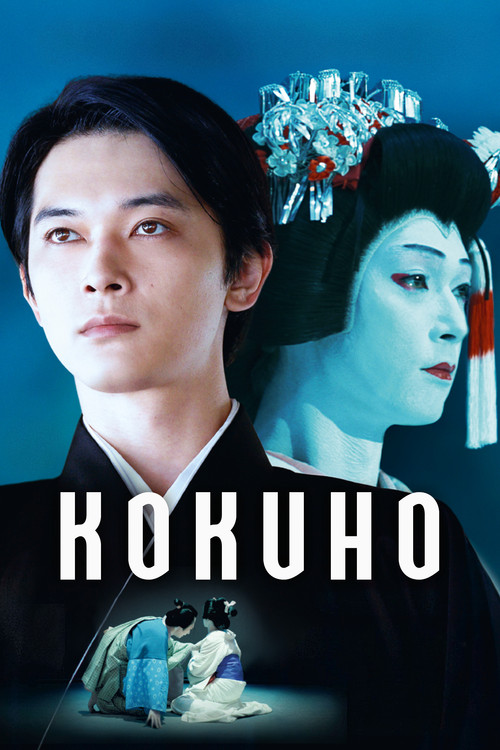
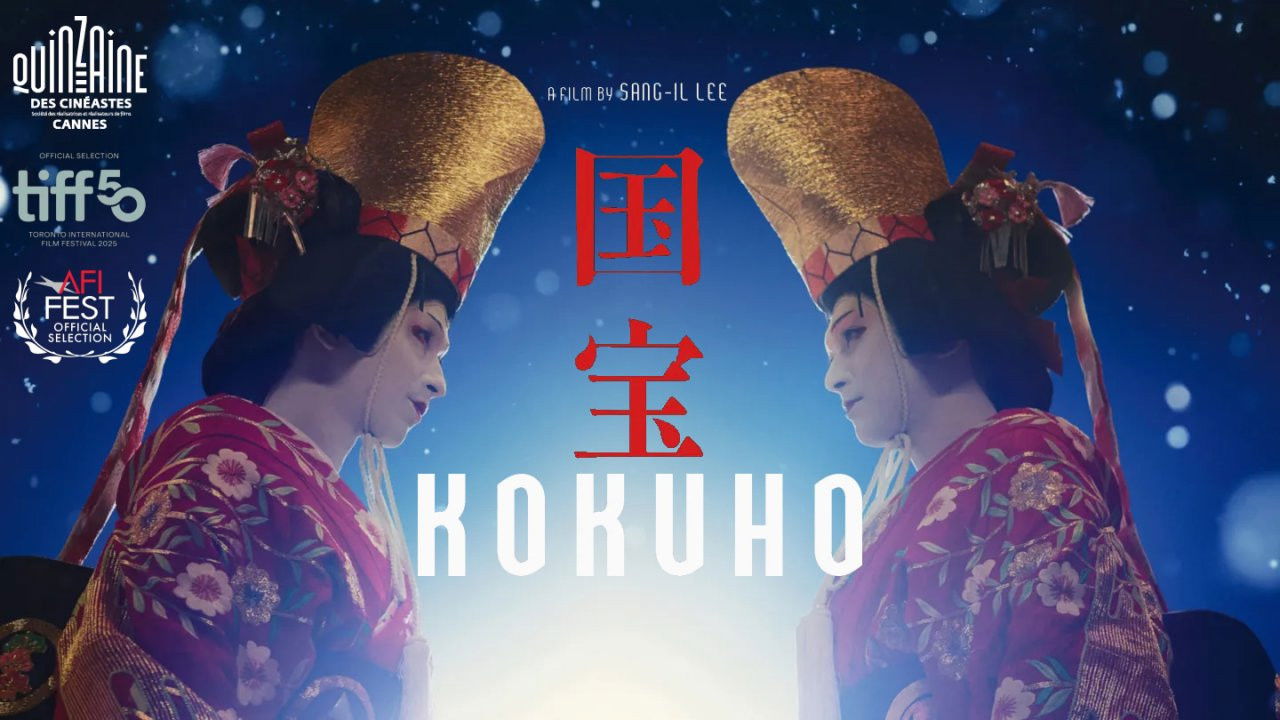
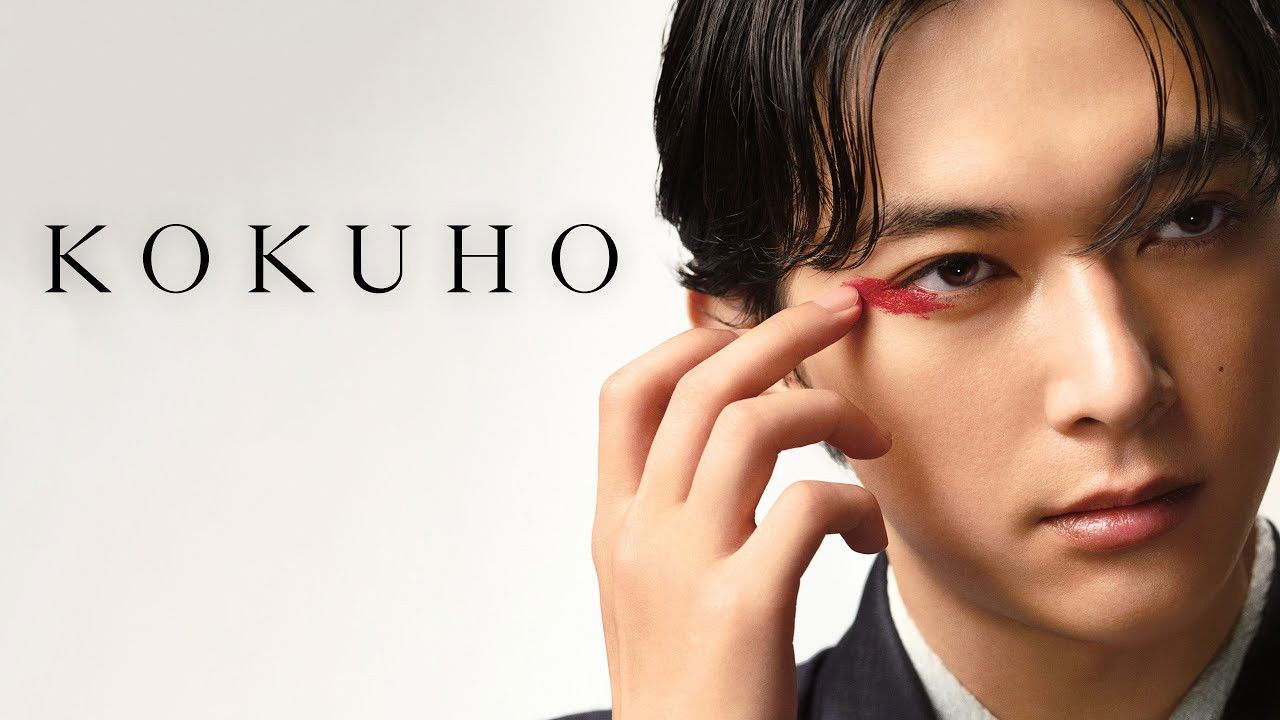
Nagasaki, 1964: Following the death of his Yakuza father, 15-year-old Kikuo is taken under the wings of a famous Kabuki actor. Alongside Shunsuke, the actor’s only son, he decides to dedicate himself to this traditional form of theatre. For decades, the two young men grow and evolve together – and one will become the greatest Japanese master of the art of Kabuki.
“Some stories are better left unspoiled.”

Ryo Yoshizawa
Kikuo Tachibana

Ryusei Yokohama
Shunsuke Ogaki

Mitsuki Takahata
Harue Fukuda

Shinobu Terajima
Sachiko Ogaki

Soya Kurokawa
Kikuo (young)
Keitatsu Koshiyama
Shunsuke (young)

Min Tanaka
Mangiku Onogawa
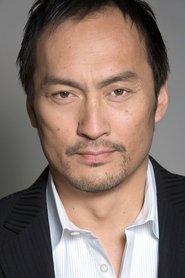
Ken Watanabe
Hanjiro Hanai
Credits
Want more? Switch to Cinephile mode in the header for DP, composer, budget, box office, production companies, keywords, and release history.
Did you know?
Did you know
Clocks in at 174 minutes — on the longer side of feature-length cinema.
Did you know
Grossed $134M — a 16.8× return. The kind of profit studios chase for a decade.
Did you know
Released last year.
Did you know
Directed by Sang-il Lee, shot by Sofian El Fani. Note their partnership — DPs and directors often return to each other across a career.
Did you know
Original score by Marihiko Hara. Worth a dedicated listen after — most great films lose half their impact without the score.
Did you know
Editor Tsuyoshi Imai shaped the rhythm. On an edit-heavy film, the editor does more to control your pulse than the director.
Did you know
Ryo Yoshizawa and Ryusei Yokohama and Mitsuki Takahata carry the top of the cast.
Did you know
IMDB entry: tt35231039 — still the authoritative cross-reference for credits and trivia.
Cinephile deep dive
Sang-il Lee directs. Sofian El Fani behind the camera. Marihiko Hara scores. Tsuyoshi Imai cuts. A long sit — settle in. Made its budget back several times over at the box office. Produced in Japan. Dialogue in Japanese.
Trivia
Awards
Individual records documented via Wikidata; the summary above may count more.
Also by
Stills · wallpapers
Full-resolution frames — open one to save it as a wallpaper.
Trailers & featurettes
Community reviews
First of all, I want to thank Feat Pictures for bringing this magical, lavish, and grand Japanese film to Indonesia. I genuinely couldn’t take my eyes off the screen while watching it. One of my favorite aspects is how carefully the film handles its use of music knowing exactly when to bring in the score and when to let silence take over. Moments of quiet often make the atmosphere hit even harder, and it’s rare to see that level of restraint and precision. It honestly feels like a shame that the film only received an Oscar nomination for makeup. So many of its technical elements deserved recognition, especially the original score and the stunning cinematography. The close-up shots are particularly beautiful. In my opinion, the film was seriously snubbed in the Best International Feature Film category. On top of that, the drama between the two main characters is incredibly compelling, with a relationship dynamic that feels rich and well-developed.
When we first meet "Kikuo" (Soyo Murokawa) you get the distinct feeling that his Yakuza father isn't so impressed that he is performing as a kabuki actor at a luncheon. Well that doesn't matter for very long as that meeting is gatecrashed by a rival gang and the young man soon finds himself a fifteen year old orphan in the care of "Hanjiro" (Ken Watanabe) - himself reputedly the finest actor in all Japan. After a failed attempt to avenge his father, "Kikuo" (now Ryô Yoshizawa) and his now new brother "Shensuke" (Ryûsei Yokohama) overcome some initial hostility to become both friends and pupils of this most severe of taskmasters as he attempts to teach them the intricacies of his craft. Historically, the rise of this unique form of drama had drawn attention from the 18th century shogunate and for fear of it's corrupting effects on girls they had been banned from taking part - hence, just like in Shakespearean England a few centuries before, only men were allowed to participate. Luckily for both of these lads, they possess a certain femininity; a (painfully earned) litheness of limb and body and the ability to speak and sing in a falsetto so are soon quite successful as a double-act. When a tragedy strikes this family, though, it falls to the injured "Hanjiro" to select a successor. Whom he chooses really does matter as this form of performance is handed from father to son. If you are not the heir then you won't be accepted by the fraternity and this is where the first in a series of problems emerges for the two young men. One is the heir but isn't the best; one is the best but isn't the heir. When the choice is made, the relationship between "Kikuo" and "Shensuke" looks set to be changed irrevocably. Might time heal? First of all, this is a beautifully crafted piece of cinema with the use of light and the combination of traditional and more classically European music especially effective at presenting us with something of the almost visceral nature of their dedication to, and precision of, their art. Their plays are almost always tragedies: one sees a loving father choose to prove his devotion to his son by kicking him off a cliff; and here again the production design delivers both the costumes and the make up to perfection. Even though our Western ears are less atuned to this sort of musicality, their performances on stage are eerily enthralling and often downright sad. Away from the stage, there is a fair degree of ambition on display that often sees the women in their lives - and their children - end up as collateral damage as the peaks and troughs of both men's lives play out through the 1970s, 80s and nineties. I thought Yoshizawa's portrayal of "Kikuo" to be both convincing and engaging. His young man deprived of family, on the periphery of another and increasingly alone as he becomes more and more obsessed with being the best is compellingly presented and for much of the latter part, his relationship with the equally skilful Yokohama is touching to the point where it is almost as if one of their onstage efforts was seeping out into their reality. This is a beautiful cinematic exposé of an almost three-hundred year old form of stagecraft that is an effortless watch for it's almost three hours. It has intensity, opportunity, despair and even some gangrene (in the 1980s!) and if you are in the mood for something that has more of the operatic to it, then this is well worth a look. If you can find it in a cinema, then all the better. It's a love story - but not as you might expect.
Production companies

TOHO
JP

Aniplex
JP

Myriagon Studio
JP

CREDEUS
JP

AMUSE
JP

Lawson
JP
Themes & keywords
Release history · US
Also known as
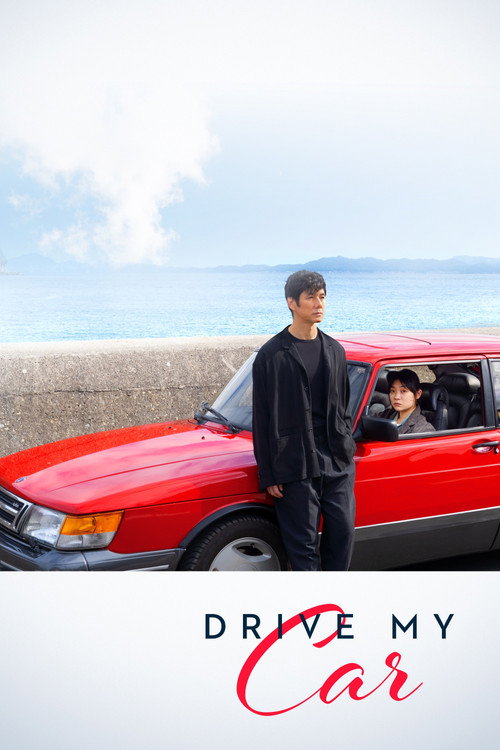 Movie
Movie2021
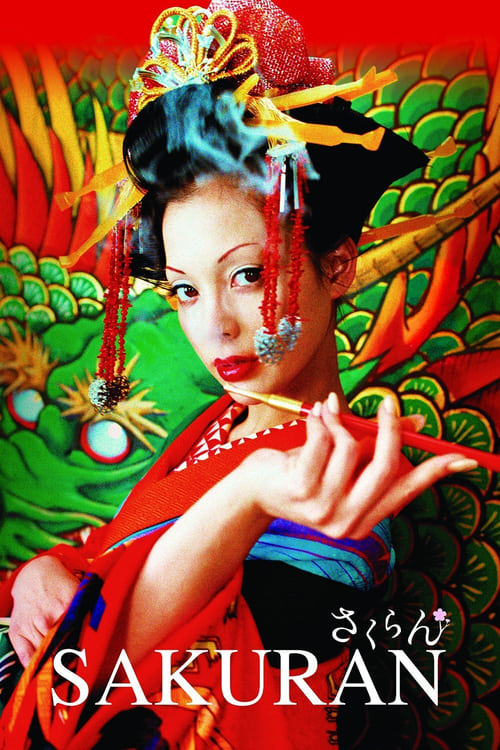 Movie
Movie2006
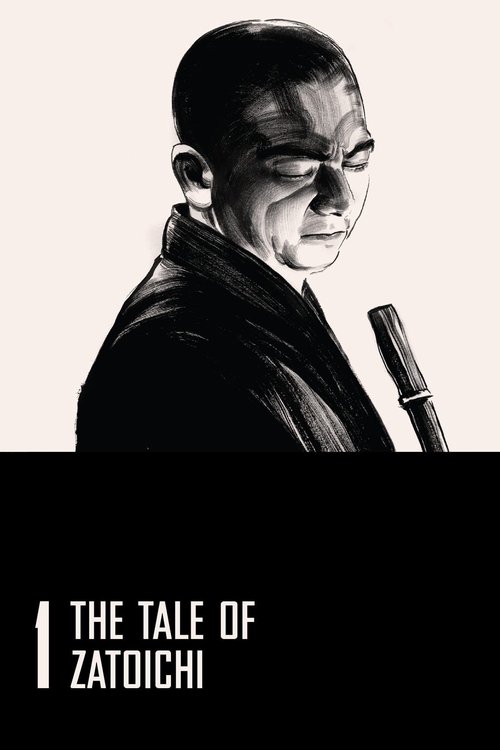 Movie
Movie1962
 Movie
Movie1983
 Movie
Movie1964
 Movie
Movie2018
 Movie
Movie2008
 Movie
Movie2002
 Movie
Movie2024
 Movie
Movie1948