

1 / 8
ERA
Did you know
Released last year.
MoodPlayr · trivia#01
"Get off our land."
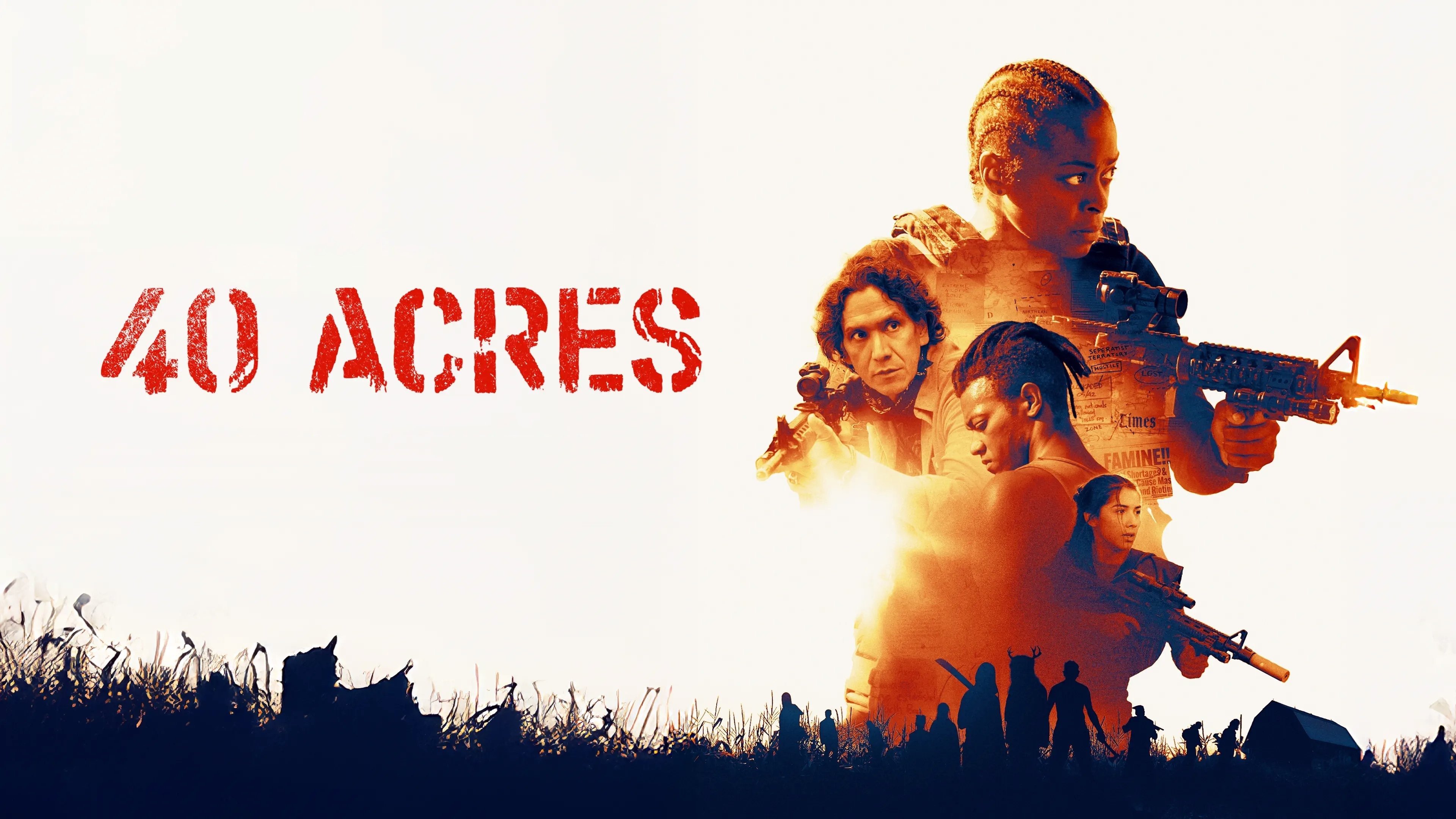
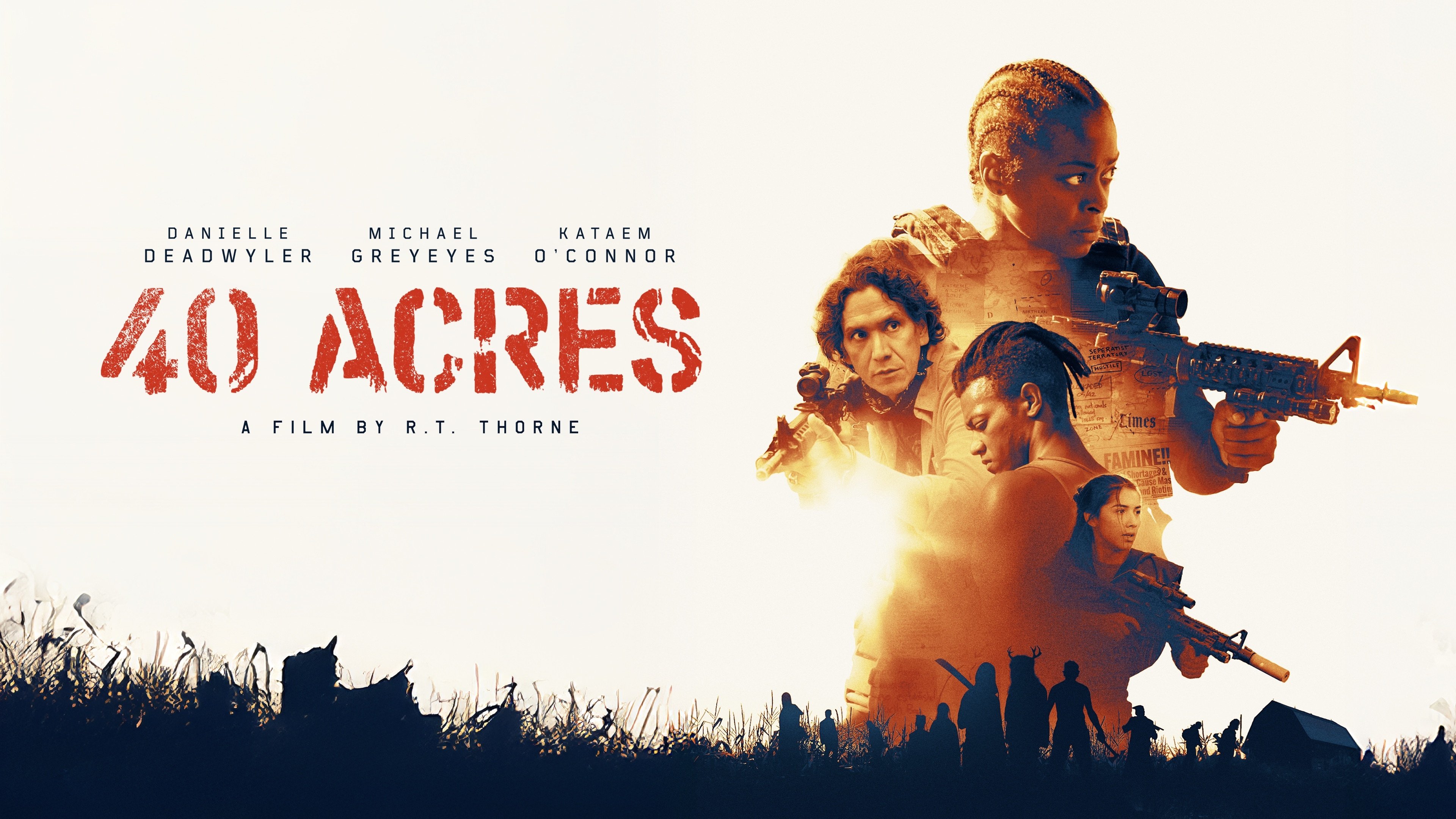
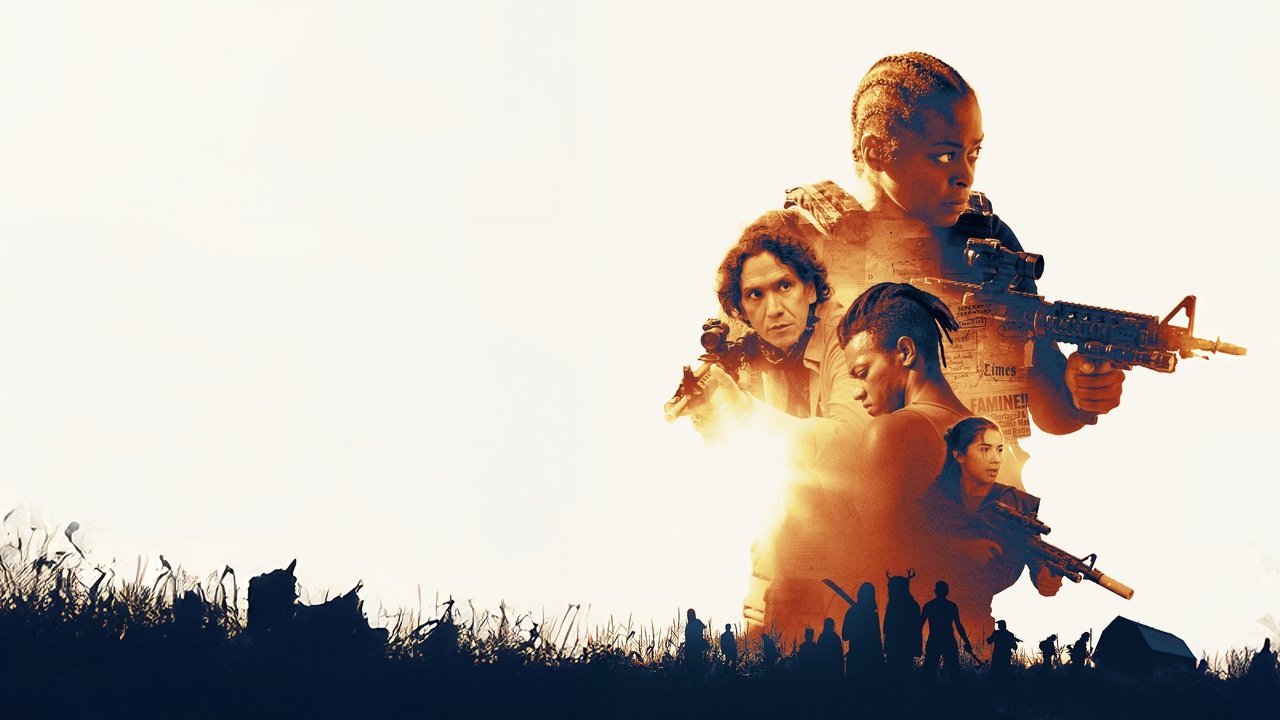
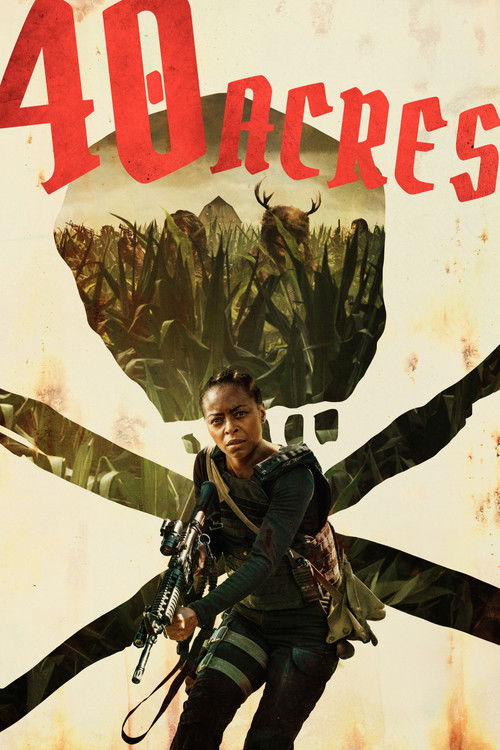
Hailey Freeman and her family are the last descendants of African American farmers who settled in rural Canada after the Civil War. In a famine-decimated near future, they now struggle to safeguard their farm, as they make one last stand against a vicious militia hell-bent on taking their 40 Acres.
“Get off our land.”

Danielle Deadwyler
Hailey Freeman

Kataem O'Connor
Emanuel Freeman

Michael Greyeyes
Galen

Milcania Diaz-Rojas
Dawn

Leenah Robinson
Raine
Jaeda LeBlanc
Danis Freeman
Haile Amare
Cookie

Elizabeth Saunders
Augusta Taylor
Credits
Want more? Switch to Cinephile mode in the header for DP, composer, budget, box office, production companies, keywords, and release history.
Did you know?
Did you know
Released last year.
Did you know
Dialogue crosses 3 languages: Cree, English, Portuguese.
Did you know
Directed by R.T. Thorne, shot by Jeremy Benning. Note their partnership — DPs and directors often return to each other across a career.
Did you know
Original score by Todor Kobakov. Worth a dedicated listen after — most great films lose half their impact without the score.
Did you know
Editor Dev Singh shaped the rhythm. On an edit-heavy film, the editor does more to control your pulse than the director.
Did you know
Danielle Deadwyler and Kataem O'Connor and Michael Greyeyes carry the top of the cast.
Did you know
Marketing tagline: "Get off our land.".
Did you know
IMDB entry: tt29634843 — still the authoritative cross-reference for credits and trivia.
Cinephile deep dive
R.T. Thorne directs. Jeremy Benning behind the camera. Todor Kobakov scores. Dev Singh cuts. Produced in Canada. Dialogue in Cree, English, Portuguese.
Trivia
Awards
Individual records documented via Wikidata; the summary above may count more.
Also by
Stills · wallpapers
Full-resolution frames — open one to save it as a wallpaper.
Trailers & featurettes
Community reviews
FULL SPOILER-FREE REVIEW @ https://fandomwire.com/40-acres-review/ "40 Acres is an impressive debut from R.T. Thorne, demonstrating remarkable control over both the technical and thematic elements of the work. Although set within the post-apocalyptic genre, it transcends its boundaries by offering a deep character study and a relevant social analysis. Anchored by a magnetic performance from Danielle Deadwyler and a high-caliber technical and artistic team, this is one of the year's most surprisingly memorable films. A testament to resilience, belonging, and the fight for a place - both physical and symbolic - in a collapsing world." Rating: A-
Films about dystopian futures are getting more popular these days (are they trying to tell us something?), but they’re not all created equal, and this debut feature from writer-director R.T. Thorne is one of those that doesn’t quite cut it. The picture’s intriguing premise starts off with considerable potential but, regrettably, as it unfolds, it loses traction, meanders, repeats itself, and unsuccessfully tries to fuse changes in tone and direction that don’t mesh. In a world ravaged by a deadly fungal pandemic, civil war and famine, humanity’s remnants struggle to stay alive, with farmland having become the most precious and priceless commodity. But holding on to this resource has become challenging given the rise of roaming bands of marauders seeking to steal it from its owners at any cost. Such is the experience of the Freemans, a family of African-Americans descended from Civil War survivors who migrated north to Canada after the conflict and settled on a lush parcel of land that has been in their possession for generations. Under present conditions, however, they must fight to retain it, combatting the invasively cunning intruders with same the same forcefulness and guile used by the would-be thieves. Leading these preventive efforts are parents Hailey (Danielle Deadwyler) and Galen (Michael Greyeyes) and their four children. They’ve trained the youngsters to be diligent and disciplined, which has helped to keep the farm productive and protected. But now, with the growing outside menace threatening them, they must be more vigilant than ever, a challenge considering the growing independence and unreliability of their eldest, Manny (Kataem O’Connor). As he comes of age, Manny has been increasingly looking to find his own path, one that frequently distracts him and doesn’t always align with the family’s objectives. And, as matters intensify, the Freemans are thus placed in ever greater peril. The depiction of that peril, however, becomes redundant, tedious and dubiously graphic after a time. The narrative also grows somewhat incongruent from the material that launches the film, namely, through the introduction of a far-fetched cannibalism storyline involving characters who more closely resemble zombies than their prototypical flesh-eating counterparts, who usually have the good sense to at least cook their food before consuming it. The film also has some of the worst sound quality I’ve seen in quite a while, its dialogue often coming across as garbled and barely intelligible (an increasingly annoying quality in many movie releases these days). To its credit, this offering features some gorgeous cinematography, an eclectic soundtrack and score, several engaging and unexpected (but underdeveloped) narrative themes and generally capable performances by the cast (despite not having a better script to work with). Ultimately, though, it’s unfortunate that the execution here doesn’t match the concept behind the story, coming across like an awkwardly conceived cross between the “Mad Max,” “Rambo” and “Walking Dead” franchises. Judicious retooling might have improved the finished product, but, sadly, in its present state, those behind this effort could sadly be said to have bought the farm.
Production companies

Hungry Eyes Media
CA
4T Productions

Fela
CA
Backhome
Release history · US
Also known as