

1 / 8
RUNTIME
Did you know
Clocks in at 172 minutes — on the longer side of feature-length cinema.
MoodPlayr · trivia#01
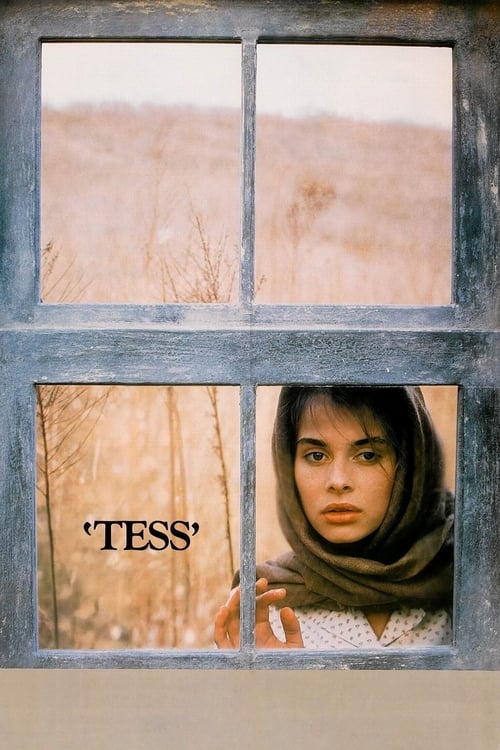
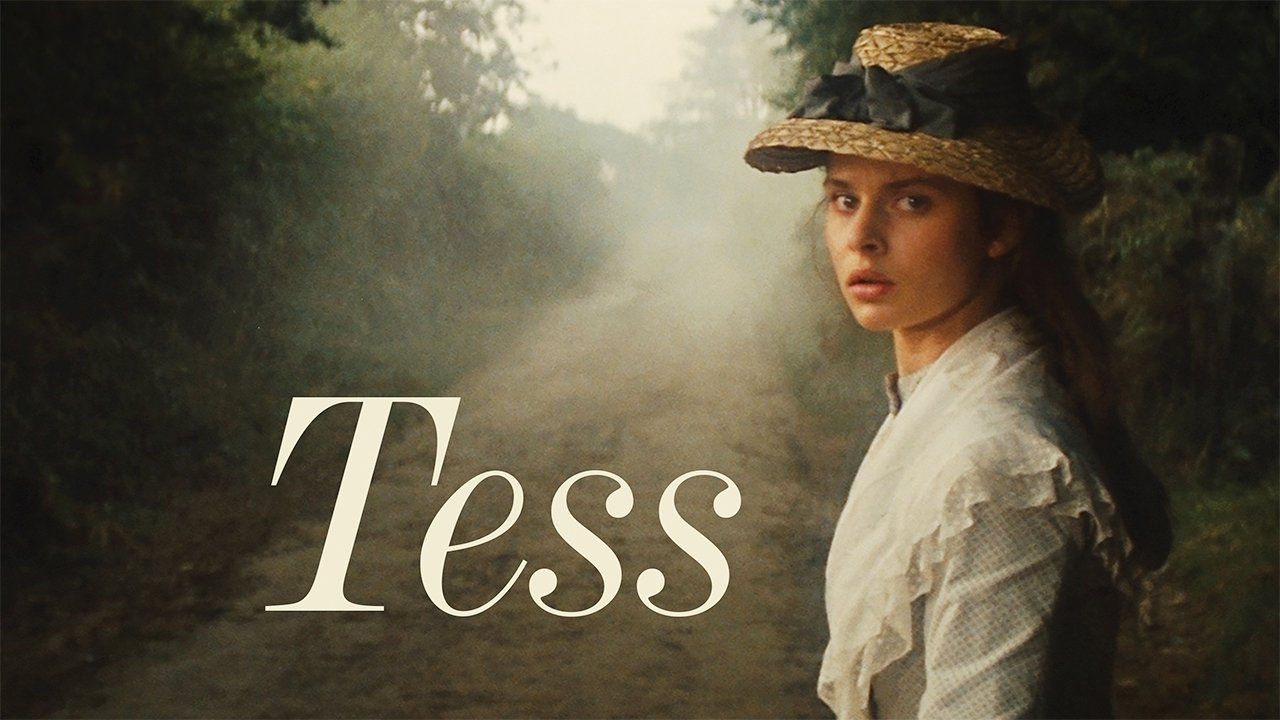
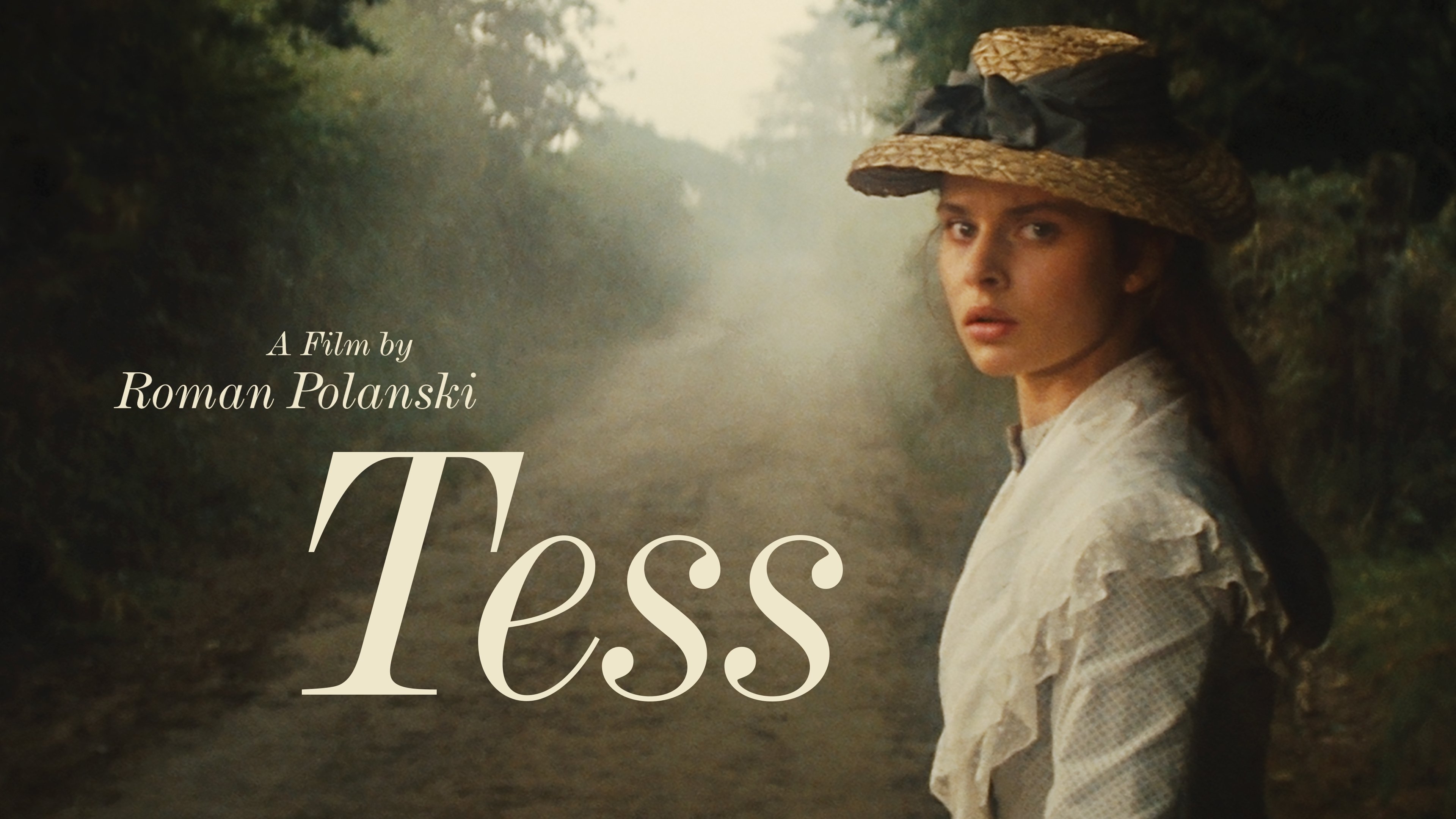
"She was born into a world where they called it seduction, not rape. What she did would shatter that world forever."
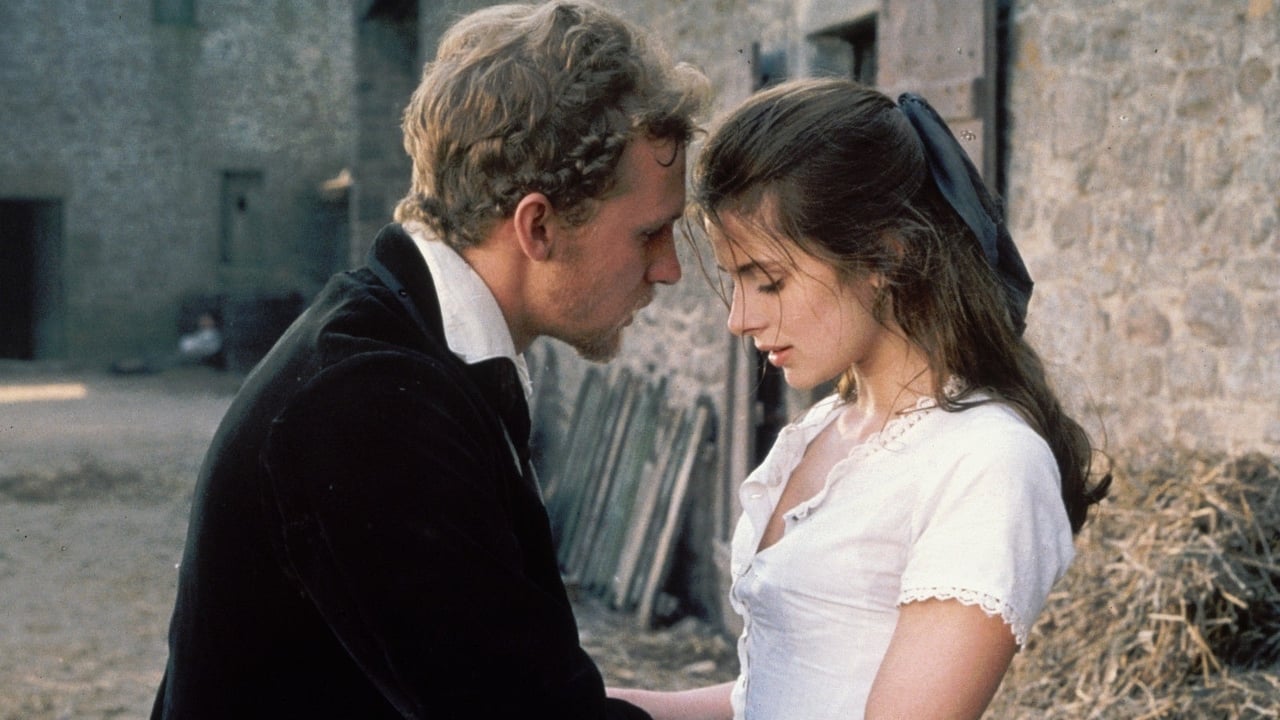
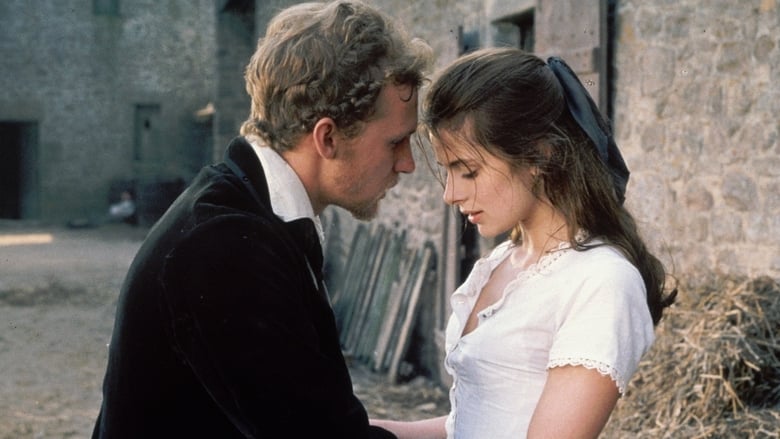
A strong-willed peasant girl is sent by her father to the estate of some local aristocrats to capitalize on a rumour that their families are from the same line. This fateful visit commences an epic narrative of sex, class, betrayal, and revenge.
“She was born into a world where they called it seduction, not rape. What she did would shatter that world forever.”

Nastassja Kinski
Tess Durbeyfield

Peter Firth
Angel Clare
Leigh Lawson
Alec d'Urberville
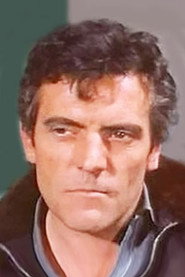
John Collin
John Durbeyfield

Rosemary Martin
Mrs. Durbeyfield
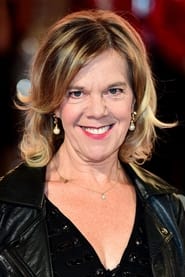
Carolyn Pickles
Marian
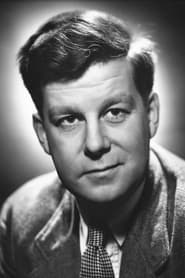
Richard Pearson
Vicar of Marlott
David Markham
Reverend Mr. Clare
Credits
Want more? Switch to Cinephile mode in the header for DP, composer, budget, box office, production companies, keywords, and release history.
Did you know?
Did you know
Clocks in at 172 minutes — on the longer side of feature-length cinema.
Did you know
47 years old — old enough to be someone's favourite childhood film.
Did you know
International production across 2 countries: France, United Kingdom.
Did you know
Directed by Roman Polanski, shot by Geoffrey Unsworth. Note their partnership — DPs and directors often return to each other across a career.
Did you know
Original score by Philippe Sarde. Worth a dedicated listen after — most great films lose half their impact without the score.
Did you know
Editor Alastair McIntyre shaped the rhythm. On an edit-heavy film, the editor does more to control your pulse than the director.
Did you know
Nastassja Kinski and Peter Firth and Leigh Lawson carry the top of the cast.
Did you know
Marketing tagline: "She was born into a world where they called it seduction, not rape. What she did would shatter that world forever.".
Cinephile deep dive
Roman Polanski directs. Geoffrey Unsworth behind the camera. Philippe Sarde scores. Alastair McIntyre cuts. A long sit — settle in. Profitable at the box office. Produced in France, United Kingdom. Dialogue in English.
Trivia
Awards
Individual records documented via Wikidata; the summary above may count more.
Also by
Stills · wallpapers
Full-resolution frames — open one to save it as a wallpaper.
Trailers & featurettes
Community reviews
Bringing in the sheaves stuck between a demon and an angel During the Long Depression of the 1870-80s in Blackmore Vale, southern England, a peasant family discovers that they are nobility and thus their oldest daughter, an extraordinarily beautiful woman (Nastassja Kinski), is sent to meet the well-to-do family. She is eventually pitted between the interest of two very different men (Leigh Lawson and Peter Firth). Roman Polanski's "Tess" (1979) is based on Thomas Hardy's 1891 novel "Tess of the d'Urbervilles." Polanski was inspired to make the film because his late wife, Sharon Tate, gave him the book suggesting it would make a great film and she was interested in playing the title role. Unfortunately, it turned out to be the last time Roman saw his pregnant wife alive as she was heading back to the USA while he stayed in Europe to complete a picture. She was murdered by the Manson psychos on August 9th, 1969. This movie is dedicated to her during the opening credits. The two male characters are basically two sides of the same bad coin: one is amoral while the other is excessively moral. There is a scene in the book where Alec shows up to talk to the workers at harvest time wearing a cape with an upturned collar and carrying a pitchfork. The symbolism is obvious. Meanwhile Angel's figurative character is plain from his name. What's the point? Just as it's possible to be excessively bad, a person can be too good. The bible makes this observation in Ecclesiastes 7:16-18. They are two extremes and both have the power to destroy the lives of those they influence. To be expected, Angel eventually seeks to make things right whereas Alec arrogantly continues in his nonchalant amorality, which ultimately ushers in doom. The immutability of this is symbolized by Stonehenge. While a lot of people eventually swing to one extreme perspective/lifestyle or another, e.g. moralist, hedonist, atheist, most people are caught somewhere in the middle, uncertain and searching, like Tess. To enjoy this piece you have to brace yourself for a movie that has the confidence to take its time and tell its tale. You'll discover Victorian curiosities, pastoral mundaneness, beauty, lust, love, idiocy, humility, penitence, arrogance and tragedy. The film runs 3 hours, 6 minutes, with the original theatrical version running 2 minutes less and the DVD 2 hours, 52 minutes. It was shot entirely in France. GRADE: A-/B+
Production companies
Renn Productions
FR
Timothy Burrill Productions
GB
Themes & keywords
Release history · US
Also known as
 Movie
Movie2005
 Movie
Movie2015
 Movie
Movie1999
 Movie
Movie2006
 Movie
Movie1992
 Movie
Movie1939
 Movie
Movie1995
 Movie
Movie2013
 Movie
Movie2016
 Movie
Movie1946