

1 / 8
MONEY
Did you know
Shot for just $3.5M — micro-budget by Hollywood standards.
MoodPlayr · trivia#01
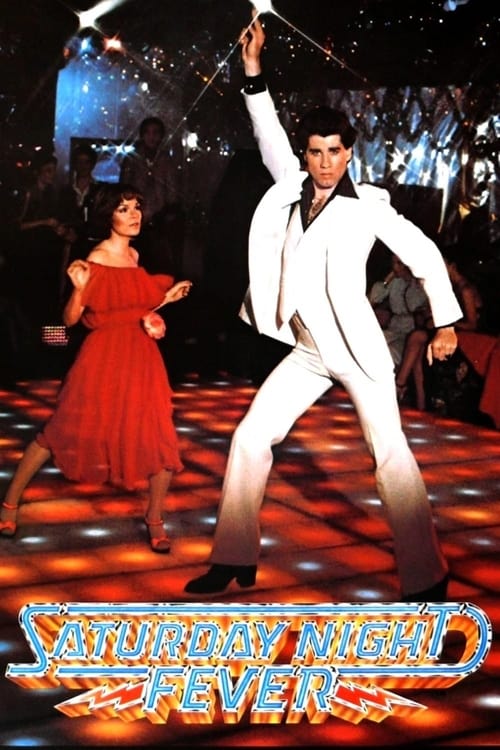
"Where do you go when the record is over..."
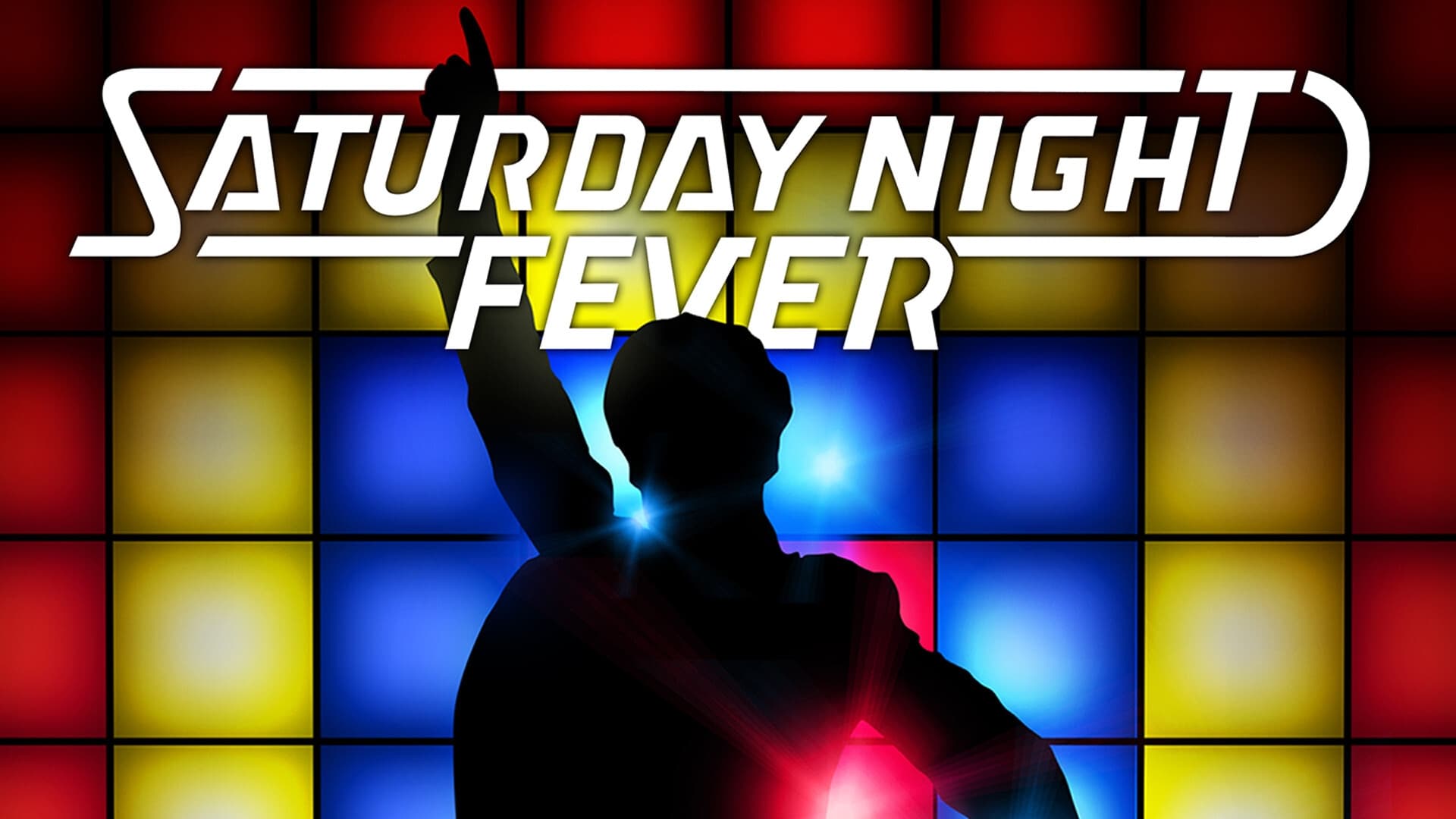
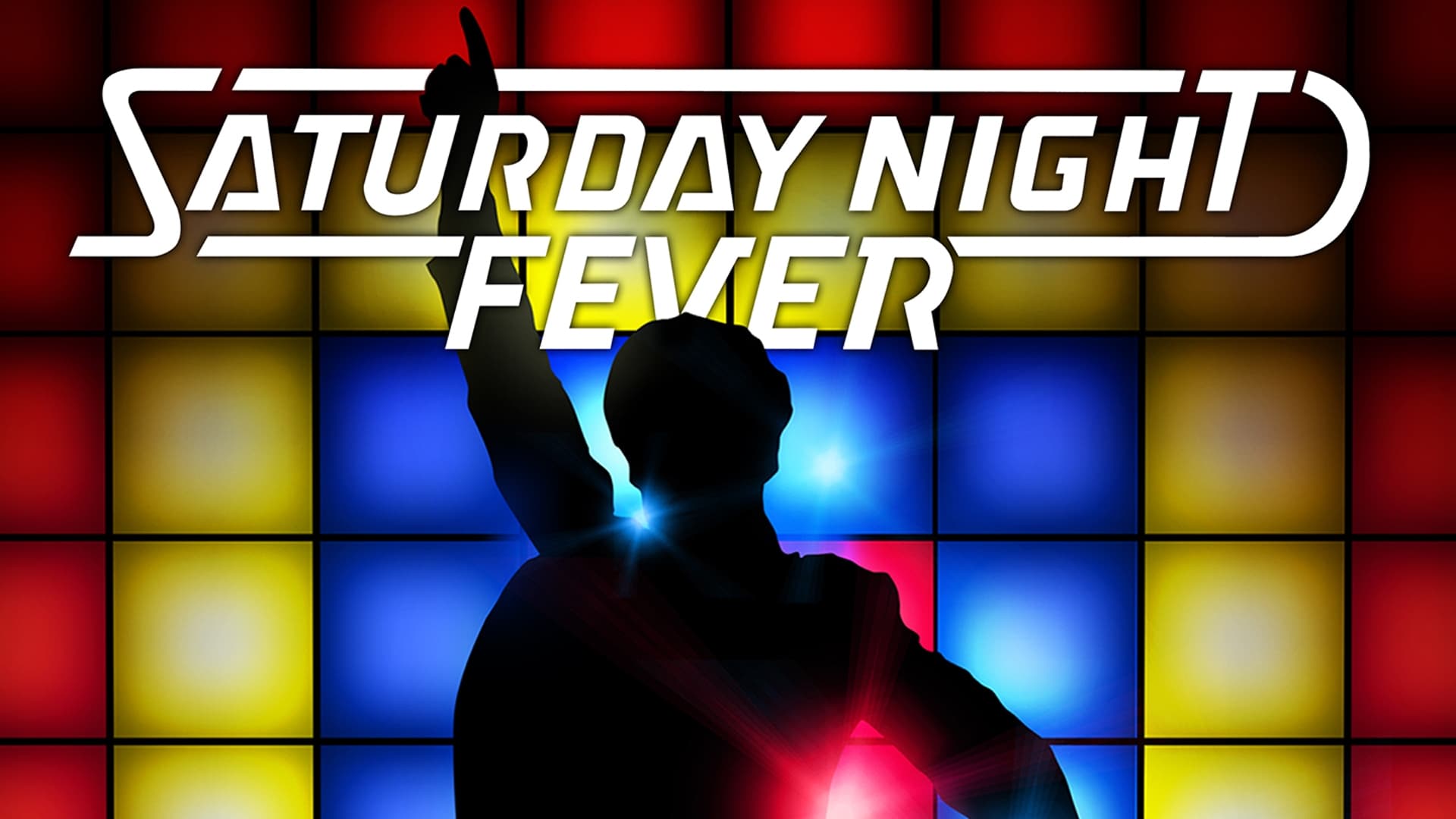
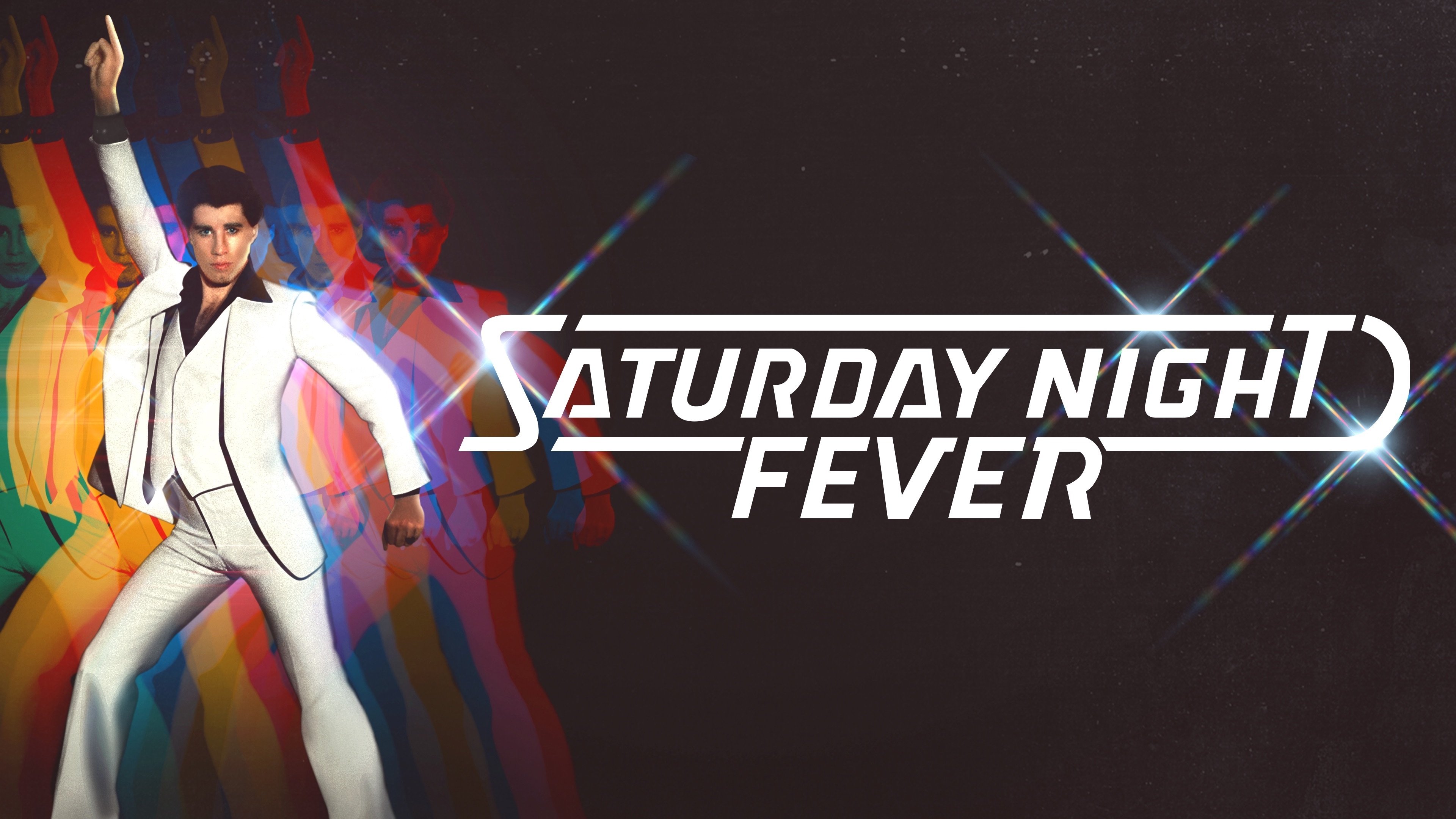
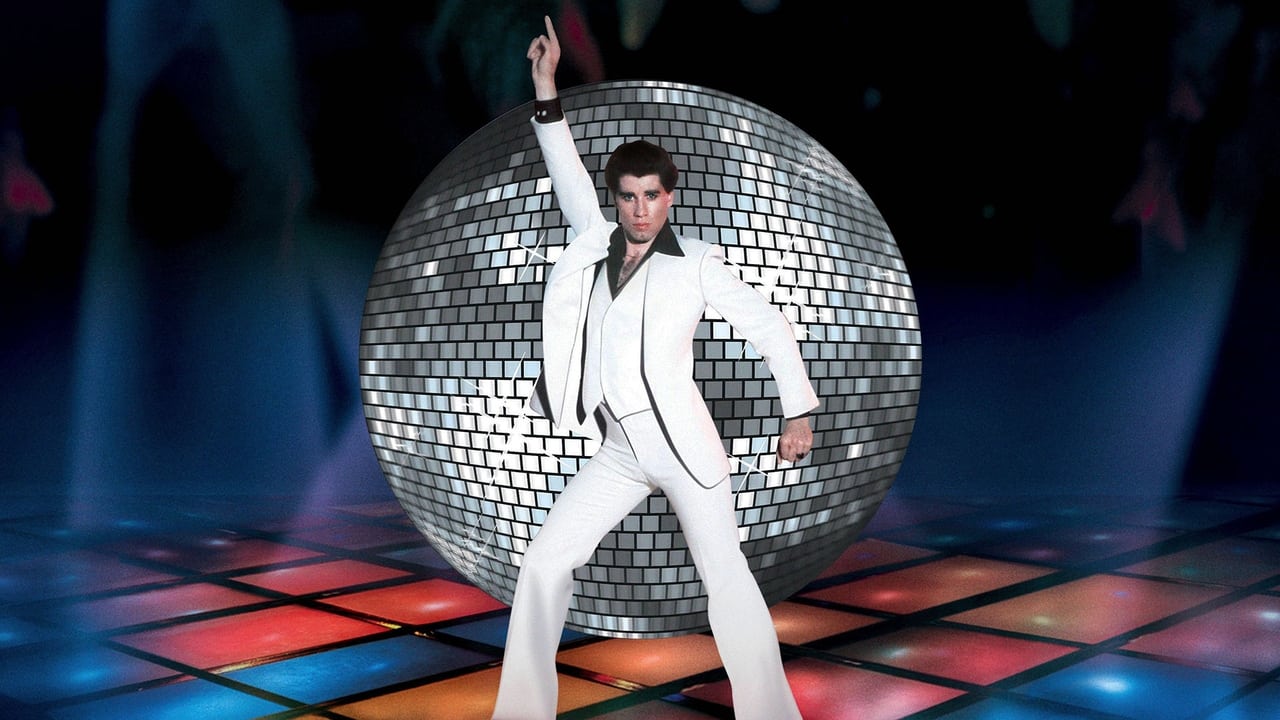
Tony spends his Saturdays at a disco where his stylish moves raise his popularity among the patrons. But his life outside the disco is not easy and things change when he gets attracted to Stephanie.
“Where do you go when the record is over...”
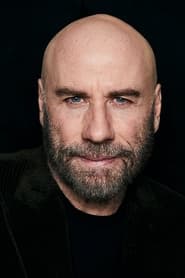
John Travolta
Tony Manero
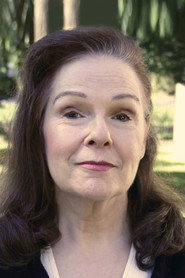
Karen Lynn Gorney
Stephanie
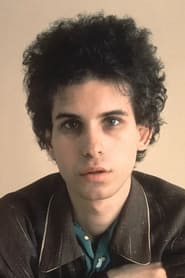
Barry Miller
Bobby C.

Joseph Cali
Joey
Paul Pape
Double J.

Donna Pescow
Annette

Bruce Ornstein
Gus

Julie Bovasso
Flo
Credits
Want more? Switch to Cinephile mode in the header for DP, composer, budget, box office, production companies, keywords, and release history.
Did you know?
Did you know
Shot for just $3.5M — micro-budget by Hollywood standards.
Did you know
Grossed $237M — a 67.7× return. The kind of profit studios chase for a decade.
Did you know
49 years old — old enough to be someone's favourite childhood film.
Did you know
International production across 2 countries: United Kingdom, United States of America.
Did you know
Part of the "Tony Manero Collection" — so the characters or world continue elsewhere.
Did you know
Directed by John Badham, shot by Ralf D. Bode. Note their partnership — DPs and directors often return to each other across a career.
Did you know
Original score by Barry Gibb. Worth a dedicated listen after — most great films lose half their impact without the score.
Did you know
Editor David Rawlins shaped the rhythm. On an edit-heavy film, the editor does more to control your pulse than the director.
Cinephile deep dive
John Badham directs. Ralf D. Bode behind the camera. Barry Gibb scores. David Rawlins cuts. Made its budget back several times over at the box office. Produced in United Kingdom, United States of America. Dialogue in English.
Trivia
Awards
Nominated for 1 Oscar. 6 wins & 14 nominations total
Individual records documented via Wikidata; the summary above may count more.
Part of
A series of dance films centered around ambitious New Yorker Tony Manero.
Also by
Stills · wallpapers
Full-resolution frames — open one to save it as a wallpaper.
Trailers & featurettes
Community reviews
One of my all-time favorite films, Saturday Night Fever is a cult classic! It never ages. And yes, my mother took my big brother and me directly to the record store afterwards, where she purchased the Saturday Night Fever soundtrack. We played the needle through it when we got home. (Laughs) Dynamite soundtrack. Dynamite film.
Great snapshot of the disco era with compelling characters and story RELEASED IN 1977 and directed by John Badham, "Saturday Night Fever" is a drama/musical detailing events in Brooklyn where a group of Italian-American youths led by Tony Manero (John Travolta) work dead-end jobs, rumble with Hispanics and meet babes at the local discothèque where Tony is a champion dancer. Donna Pescow plays his needy wannabe girlfriend while Karen Lynn Gorney plays his dance partner for a big contest. This was a huge hit in its day and the catalyst for disco fever throughout the world. To this day you’ll see people mimic Travolta’s iconic dance stance with one arm pointing upward and the corresponding leg out. John was in the prime of his life at 22 during shooting (a great inspiration for guys to get in shape) and already popular due to TV’s Welcome Back Kotter. “Saturday Night Fever” shot him to stardom, making him a household name. The movie’s hit status was deserved because of its emphasis on the ordinary, but interesting protagonists and their entertaining drama, not to mention the dynamic dance sequences and popular soundtrack featuring the Bee Gees. There are several quality scenes, including one with the magnificent Brooklyn Bridge as a backdrop. Watch for 19 year-old Fran Drescher making her acting debut in a glorified cameo. THE MOVIE RUNS 1 hour 58 minutes and was shot in Brooklyn, New York City. WRITERS: Nik Cohn (story) and Norman Wexler (screenplay). GRADE: A-/B+
I was but ten years old when this was released, so never saw it at the cinema at the time - but boy was it big news. John Travolta was fêted all around the world as the white-suited hipster "Tony Manero" who almost glided around the city streets - and the dance floor. Determined to improve his lot, he enters a disco competition which he thinks will change his life and what ensues for about two hours is his story. Sadly, it's not much of a story. He's not a very engaging fellow; treats women badly, has a mouth on him that could strip paint and is constantly at loggerheads with his hard working, decent, old man. Things take a turn for the more complicated when the apple of everyone's eye - his priest brother "Frank" (Martin Shakar) returns home announcing his intention to give up the priesthood for a life that doesn't require celibacy. Luckily, "Tony" teams up on the dance floor with the spunky "Stephanie" (Karen Lynn Gorney) - a woman even more ambitious for a clean start than him - and that is where the film eventually takes off. On the dance floor, with the disco ball working it's magic and a collection of superb Bee Gees tracks that cannot fail to get your toes tapping. "Night Fever"; "Staying Alive"; If I Can't Have You" and the more slow tempo'd "How Deep Is Your Love" make the soundtrack way, way, more memorable than this otherwise tawdry, tacky look at life in New York in the mid 1970s. Travolta is the star, his walk and his cocky style stand him apart from the rest of this rather depressingly anodyne story - but in the end it's a film about aspiration, dancing and the Bee Gees, and the latter elements are well worth watching.
Production companies

Robert Stigwood Organization
GB

Paramount Pictures
US
SNF Productions
US
Themes & keywords
Release history · US
Also known as