

1 / 8
RUNTIME
Did you know
At 254 minutes, this is a three-hour-plus commitment — longer than 95% of films ever made.
MoodPlayr · trivia#01
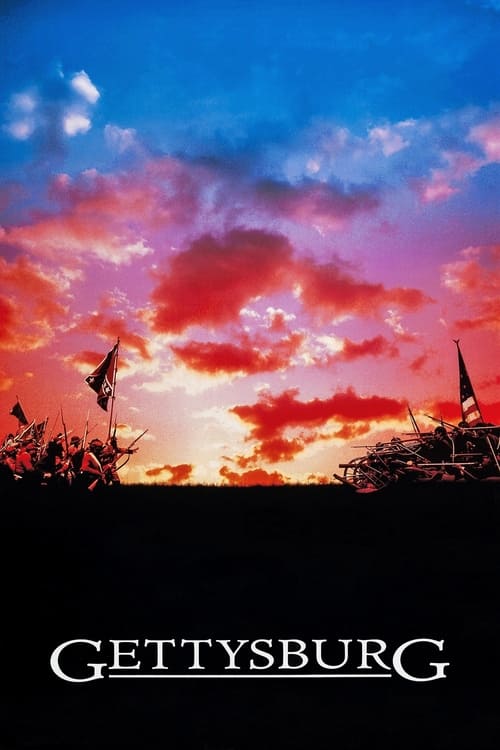
"Same Land. Same God. Different Dreams."
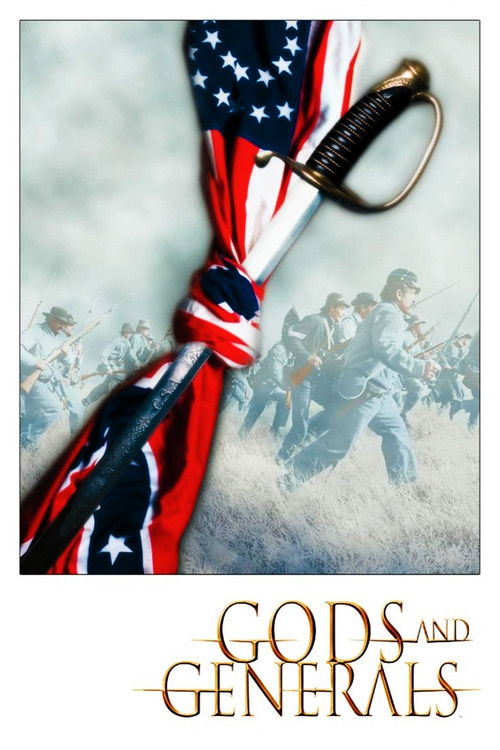
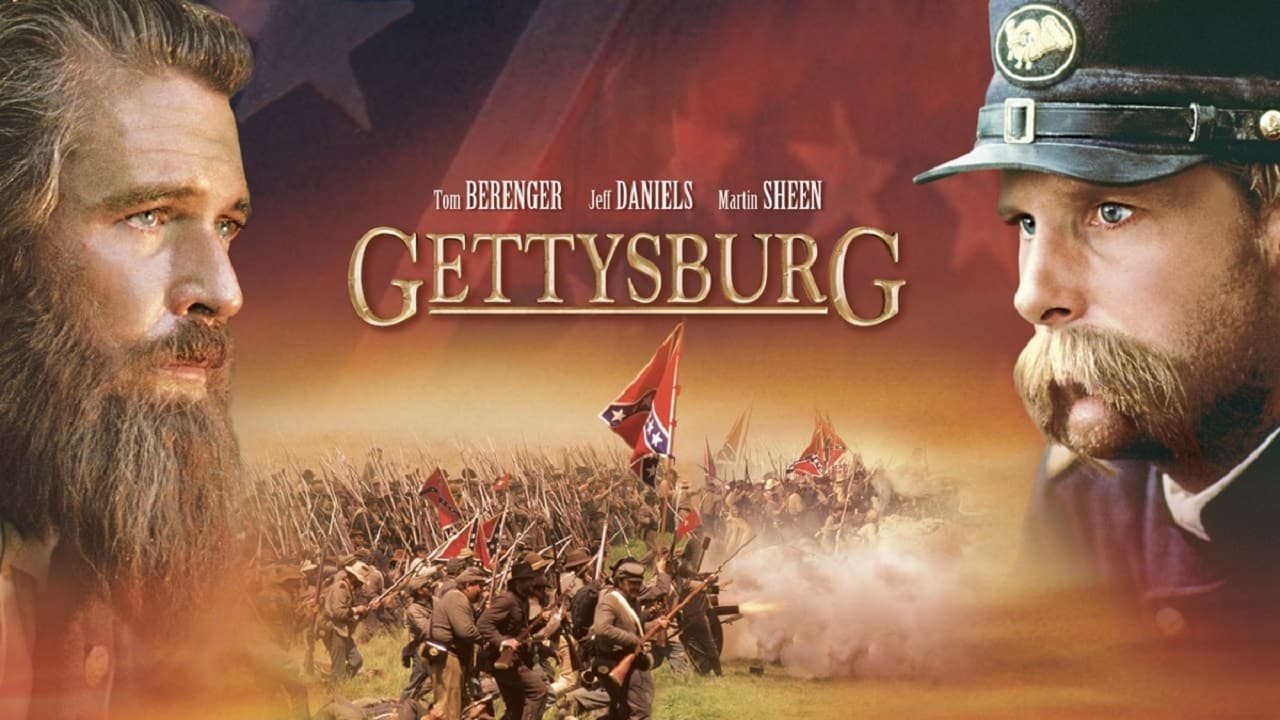
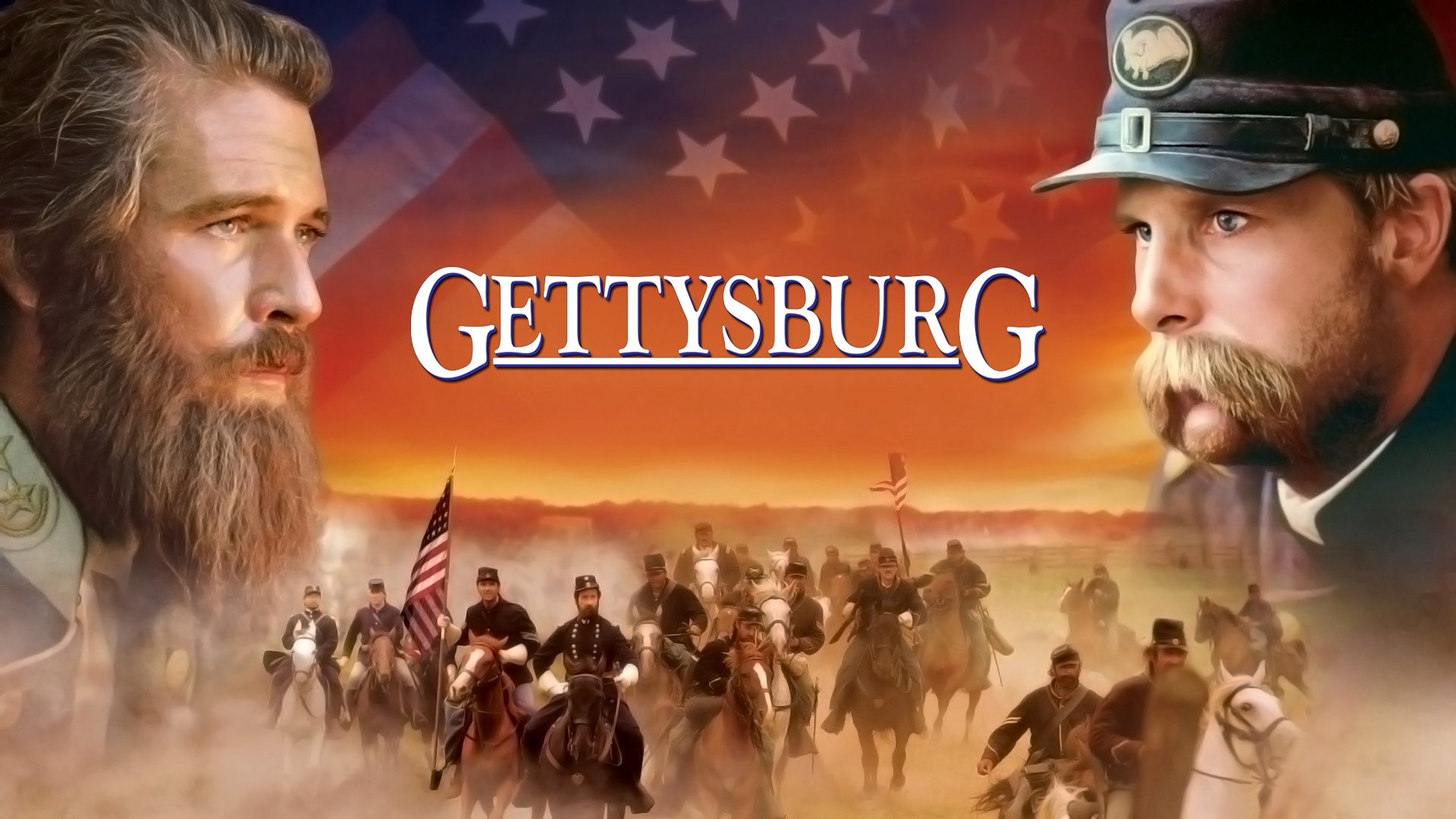
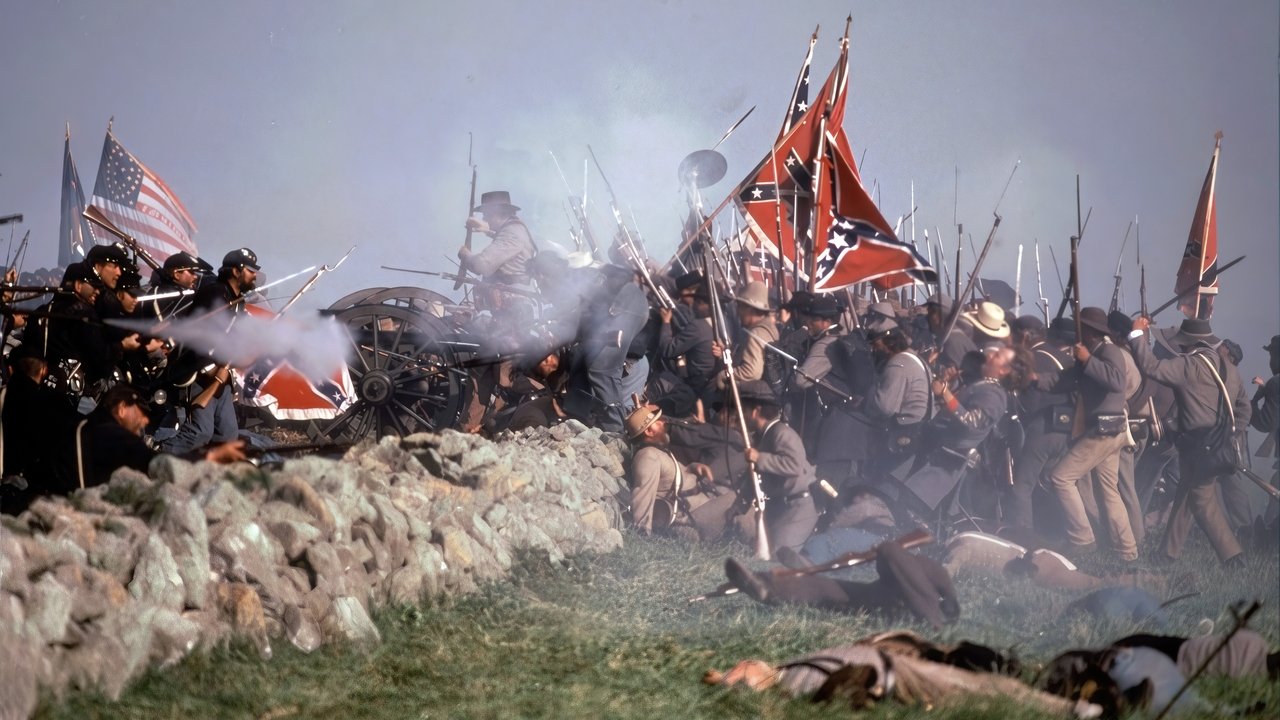
In the summer of 1863, General Robert E. Lee leads the Confederate Army of Northern Virginia into Gettysburg, Pennsylvania with the goal of marching through to Washington, D.C. The Union Army of the Potomac, under the command of General George G. Meade, forms a defensive position to confront the rebel forces in what will prove to be the decisive battle of the American Civil War.
“Same Land. Same God. Different Dreams.”
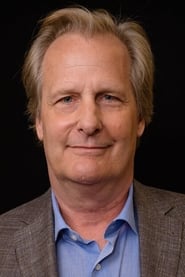
Jeff Daniels
Col. Joshua Chamberlain
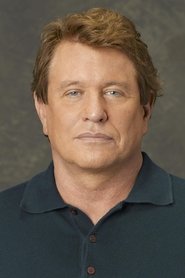
Tom Berenger
Lieut. Gen. James Longstreet
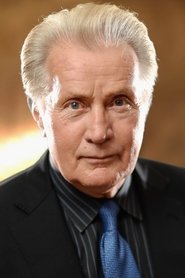
Martin Sheen
Gen. Robert E. Lee
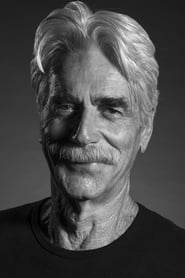
Sam Elliott
Brig. Gen. John Buford

Stephen Lang
Maj. Gen. George E. Pickett
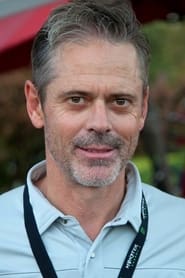
C. Thomas Howell
Lieut. Thomas D. Chamberlain
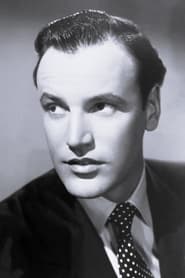
Richard Anderson
Maj. Gen. George G. Meade

Richard Jordan
Brig. Gen. Lewis A. Armistead
Credits
Want more? Switch to Cinephile mode in the header for DP, composer, budget, box office, production companies, keywords, and release history.
Did you know?
Did you know
At 254 minutes, this is a three-hour-plus commitment — longer than 95% of films ever made.
Did you know
Earned back only 54% of its budget on initial theatrical — a commercial disappointment on release.
Did you know
33 years old — old enough to be someone's favourite childhood film.
Did you know
Part of the "American Civil War Collection" — so the characters or world continue elsewhere.
Did you know
Directed by Ronald F. Maxwell, shot by Kees Van Oostrum. Note their partnership — DPs and directors often return to each other across a career.
Did you know
Original score by Randy Edelman. Worth a dedicated listen after — most great films lose half their impact without the score.
Did you know
Editor Corky Ehlers shaped the rhythm. On an edit-heavy film, the editor does more to control your pulse than the director.
Did you know
Jeff Daniels and Tom Berenger and Martin Sheen carry the top of the cast.
Cinephile deep dive
Ronald F. Maxwell directs. Kees Van Oostrum behind the camera. Randy Edelman scores. Corky Ehlers cuts. A long sit — settle in. A commercial under-performer on release. Produced in United States of America. Dialogue in English.
Trivia
Part of
An epic historical film duology about the American Civil War, as told through the POVs of both Union and Confederate soldiers and the strategic decisions made during the battles.
Also by
Stills · wallpapers
Full-resolution frames — open one to save it as a wallpaper.
Trailers & featurettes
Community reviews
I first watched this movie in a movie theater shortly after it came out. It only had a limited release, so most people saw it as a cable release movie. From the opening title crawl and showing the lead actors in their roles juxtaposed with pictures of the actual historical figures, it had me hook. It is based on the novel The Killer Angels by Michael Shaara. It is one of the first books on the Civil War I read, based on a recommendation by a coworker. I have read dozens and dozens of books on the topic since then, and it is still one of my favorites. Considering that it is a fairly short book, the fact that the movie is over four hours long tells you that a lot more research was done. I can’t speak to how the actors did with the various southern accents, but I thought it was a strong cast, right down to the lesser roles. I have heard they utilized Civil War re-enactors in the filming, a good source of extras who were familiar with the time period and brought their own period clothing! Of course it didn’t hurt my feelings that one of the leads: Jeff Daniels, plays Joshua Chamberlain, who hails from my home state of Maine and who lived a remarkable life: college professor, Volunteer army lieutenant who rose to become a general and Medal of Honor recipient, Governor of Maine - and more. Apparently, thanks to this movie, the most popular spot for tourists at the Gettysburg National Battlefield is where the 20th Maine and Chamberlain fought. As a side note, another offshoot of the story behind Chamberlain and the 20th Maine’s exploits is the song Dixieland by Steve Earle. Whenever I hear the song I want to watch the movie, and vice versa. Anyway, of course it is a war movie, and I do not normally like war flicks, but this one is much more than that. You can pretend it is a mini-series and watch it in two or three sittings if that makes it easier. Some people say it lets the southerners off the hook politically, but there is a speech about race relations by Chamberlain that addresses the race issue, I believe, and provides balance. Well, I could go on and on, but I will spare you. Besides, there is this song I have a hankering to listen to right now.
The Civil War's Turning Point Battle "Gettysburg" (1993) has a lot going for it: an all-star cast, including Tom Berenger (Longstreat), Martin Sheen (Robert E. Lee), Jeff Daniels (Chamberlain) and Sam Elliott (Buford); great authentic Gettysburg locations; good battle scenes; a commitment to historical accuracy; and thousands upon thousands of Civil War reenactors. Part I is highlighted by Chamberlain's defense of Little Round Top and his bold bayonet charge while Part II ends with the South's infamous Pickett's Charge. Both of these sequences are great and they give the viewer a good feel of what it must have really been like, which is one of the reasons I enjoy seeing historical films. Since both halves run the length of a normal movie, I strongly suggest splitting your viewing experiencing into two segments; it’s just too much to digest in one sitting. There's a lot to respect about "Gettysburg." It's a story about how war was fought in the 19th century and the men who engaged in it, pure and simple. There are no female cast members, no forced romances. The creators did an admirable job of taking a 3-day battle, plus its set-up, and condensing it into an informative and fairly compelling long movie. One aspect I liked was seeing the officers and soldiers pray while standing in line right before significant engagements. Yeah, it's hard to be an atheist when you're about to walk straight into friggin' cannon fire where bodies are literally blown to pieces. I also appreciated the subtle Civil War trivia thrown in, like how the soldiers had to march across the American landscape from one battle to another, carrying heavy rifles in the heat of the summer, and how the Confederates didn’t have enough boots for their soldiers. Meanwhile the postscripts about all the main characters are informative and appreciated. Unfortunately the movie’s bloated, sappy and sometimes lethargic. While the score is mostly good, sometimes great, there are some annoyingly "heroic" or melodramatic pieces. General Armistead’s incessant blathering about his bromance with a general on the other side needed toned down a notch. Still, if I concentrate to pay attention to the dialogue and non-action events in the film, I get a lot out of it. In other words, if you're braced for its shortcomings it's worth checking out. But don't expect something great, like "Glory" (1989) or the wrongly maligned prequel “Gods and Generals” (2003). The battle of Gettysburg took place July 1-3, 1863 and was a huge victory for the North, the turning point of the war, along with Grant's simultaneous siege of Vicksburg. After the failure of Pickett's Charge, General Lee and his troops retreated back to their own territory. The war would go on for almost two more years as the Confederates continued to put up an incredible courageous fight, but the odds were against them because the North had the numbers and resources, not to mention Ulysses S. Grant. Gettysburg and Vicksburg were the seeds of their impending doom. General Meade congratulated his men for driving the Confederate invaders from the North's turf. But President Lincoln was upset because he wanted Meade to DESTROY Lee's army, not allow them to safely retreat back to their Southern sanctuary. Lincoln groaned: " 'Drive the invader from our soil'? My God, is that all?" Four months after the battle of Gettysburg, on November 19th, Lincoln came to the small town and gave his potent 'Gettysburg Address' to honor the fallen soldiers and motivate continued Northern commitment and victory. So many people died at Gettysburg they were STILL burying the dead (!). The cut I saw runs 4 hours, 14 minutes, but there’s a director’s cut that is several minutes longer. The film was shot at Gettysburg & the Adams County region of Pennsylvania. GRADE: B-
Production companies
Esparza / Katz Productions
US

Turner Pictures
US
Mace Neufeld Productions
US
Robert Rehme Productions
US

TriStar Television
US
Themes & keywords
Release history · US
Also known as