

1 / 8
ERA
Did you know
Released 3 years ago.
MoodPlayr · trivia#01
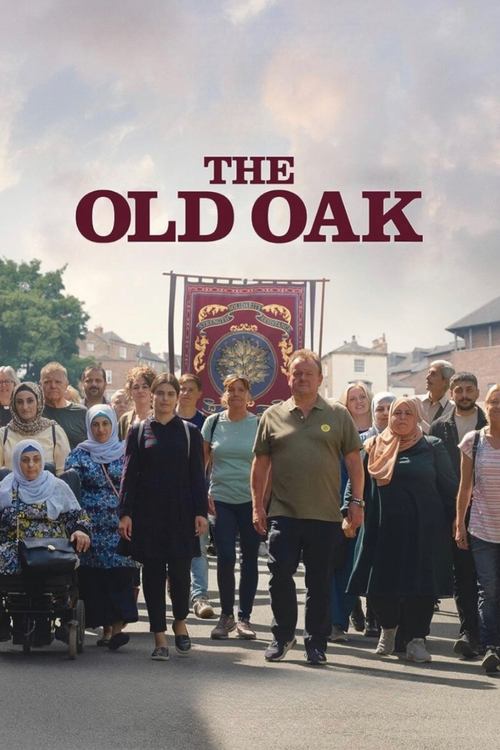
"It's not where you're from, it's what you bring."
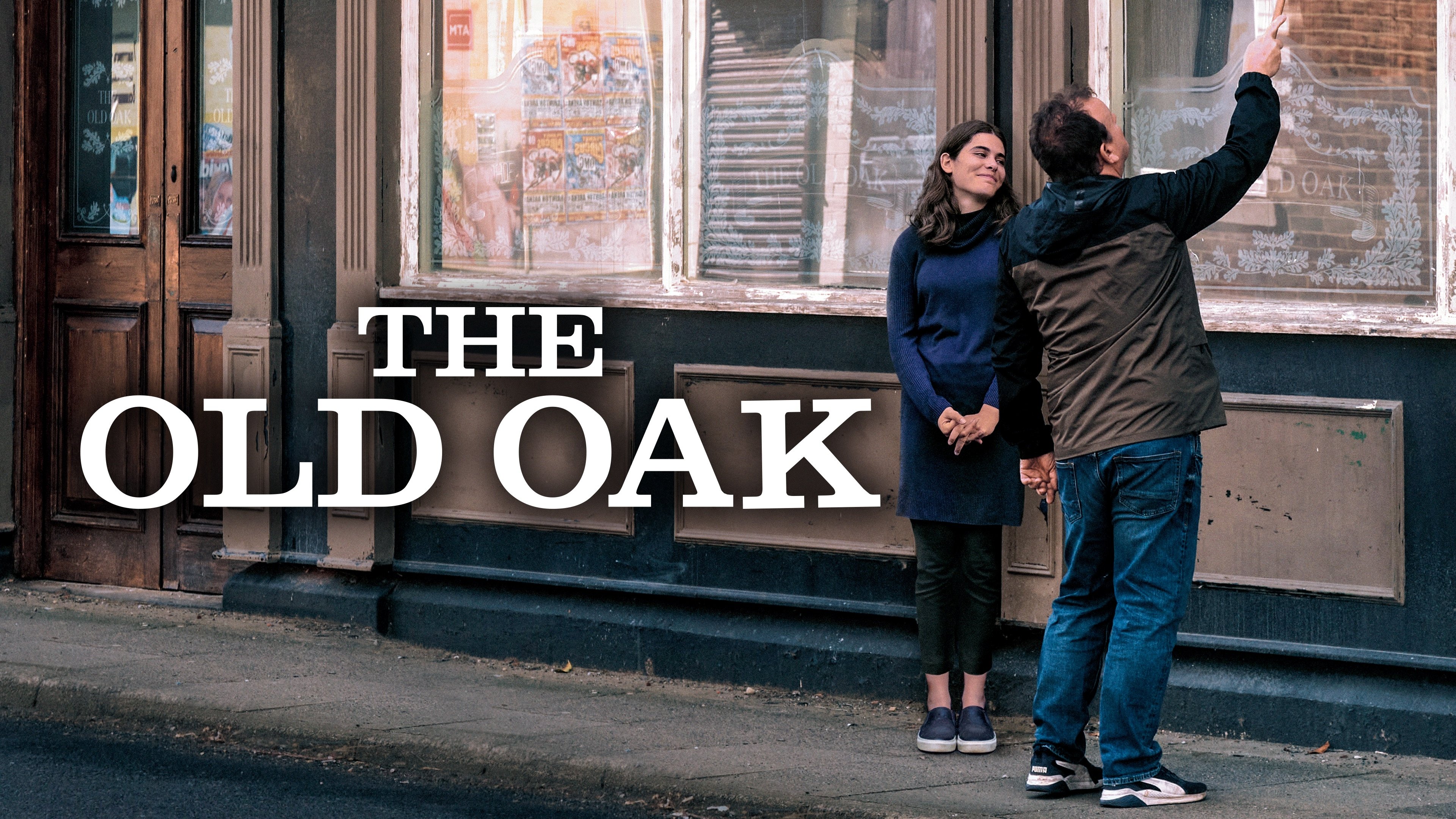
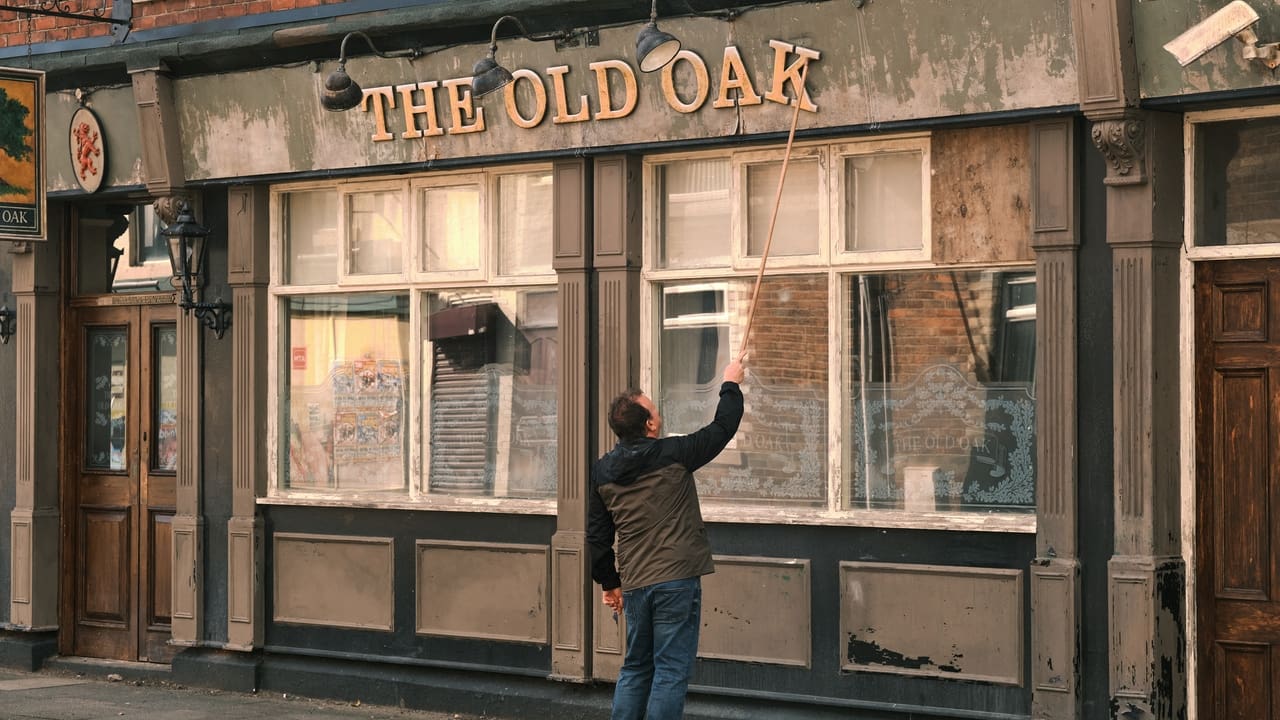
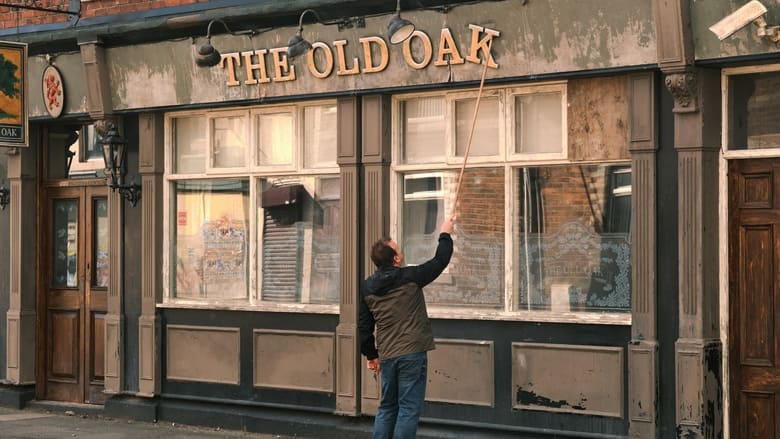
A pub landlord in a previously thriving mining community struggles to hold onto his pub. Meanwhile, tensions rise in the town when Syrian refugees are placed in the empty houses in the community.
“It's not where you're from, it's what you bring.”

Dave Turner
TJ Ballantyne

Ebla Mari
Yara

Claire Rodgerson
Laura

Trevor Fox
Charlie
Chris McGlade
Vic

Col Tait
Eddy
Jordan Louis
Gary
Chrissie Robinson
Erica
Credits
Want more? Switch to Cinephile mode in the header for DP, composer, budget, box office, production companies, keywords, and release history.
Did you know?
Did you know
Released 3 years ago.
Did you know
Dialogue crosses 3 languages: English, Dutch, Arabic.
Did you know
International production across 3 countries: Belgium, France, United Kingdom.
Did you know
Directed by Ken Loach, shot by Robbie Ryan. Note their partnership — DPs and directors often return to each other across a career.
Did you know
Original score by George Fenton. Worth a dedicated listen after — most great films lose half their impact without the score.
Did you know
Editor Jonathan Morris shaped the rhythm. On an edit-heavy film, the editor does more to control your pulse than the director.
Did you know
Dave Turner and Ebla Mari and Claire Rodgerson carry the top of the cast.
Did you know
Marketing tagline: "It's not where you're from, it's what you bring.".
Cinephile deep dive
Ken Loach directs. Robbie Ryan behind the camera. George Fenton scores. Jonathan Morris cuts. Produced in Belgium, France, United Kingdom. Dialogue in English, Dutch, Arabic.
Trivia
Also by
Stills · wallpapers
Full-resolution frames — open one to save it as a wallpaper.
Trailers & featurettes
Community reviews
Set in a rapidly fading Northern English mining town, this tells the tale of an attempt to integrate some Syrian refugees fleeing the terror in their own country into a community that it still reeling from the systematic closure of their own livelihoods. Much of the story is based around the run-down "Old Oak" boozer which is run by the relatively open-minded "TJ" (Trevor Fox) who is pretty much a lone voice when it comes to welcoming these strangers to a place that's been devoid of investment - and hope - for many a year. Most of the locals see them fed and housed and, frankly, they resent it. Homes that they bought many years ago are now worth 20% of their former value, people and their families are trapped and their traditions and culture is dying. It's keen photographer "Tania" (Debbie Honeywood) who tries to bridge the cultural gap between the two peoples and eventually finds some like-minded folk who start to resurrect some of the practical solutions to the problems that this area faced during the turbulence of the miners' strikes of the 1980s. Unlike many of Ken Loach's other films, this is not an overtly political (anti-Thatcherite) statement. It's about the decline of a way of life, but set against a context of disaster and devastation faced by people fleeing something far more lethal and brutal. Indeed there is a positively celebratory scene where the Syrians are delighted to learn that their absent father/husband is not actually dead - he's just in a slum prison! The fact that these families are escaping something akin to the blitz doesn't lessen the resentment from some, though, and "TJ" is constantly trying to balance the needs of his customers/lifelong friends with his heartfelt desire to help these piteous homeless and stateless individuals. Despite the hostility on display at times, there is a pervading decency throughout this film and by the conclusion - which is not, in self, particularly conclusive - there is maybe just a little scope for optimism. If you enjoyed this film, check out "R.M.N" (2022) - a Romanian film doing the rounds just now that looks at this scenario from a different yet similar perspective and reminds us all, a little, of there but for the grace of god!
A lack of familiarity can produce so many needless problems, especially when it involves individuals about whom we know little or nothing. That lack of understanding can consequently yield issues that plainly aren’t warranted and, more importantly, can be easily dispensed with by simply taking the time to find common ground. Such is the case in what is said to be the final film from legendary director Ken Loach, who tells the story of a group of Syrian refugees who relocate and settle in an economically depressed former coal mining town in northern England. The locals, who themselves are struggling to get by, are far from welcoming to the new arrivals, who have essentially lost everything and are merely looking for a place to start over. In many respects, both constituencies have much in common, but their unfamiliarity with one another gets in the way, leading to friction between them, especially on the part of the town’s long-term residents, who feel they’re being crowded out and left behind. But hope is not lost, thanks to the efforts of the owner (Dave Turner) of the community’s principal local meeting place, a rundown pub called The Old Oak. He befriends one of the new arrivals, a young woman and would-be photographer (Ebla Mari), who manages to ingratiate herself into the lives of the barkeep and many other local residents. Their connection is not without its challenges, but the solidarity that emerges from it helps bring people together who might not do so otherwise. The style of filmmaking and narrative themes in this offering are classic Loach, recalling many of the works this prolific director has made for nearly 60 years, and, in many ways, it feels like the perfect send-off for this thought-provoking artist. Some story elements are, admittedly, rather predictable, and the ending feels somewhat truncated and abrupt, with a few story threads that aren’t fully resolved. Nevertheless, the filmmaker has made the kind of parting statement here that he’s been making in his other noteworthy works about the perils of the downtrodden, the need to help them and the necessity for fostering an intrinsic sense of fairness in the lives of us all. And what better way is there for a talent like Loach to say his last goodbye.
The Old Oak (2023) Directed by Ken Loach Unlike most directors, Ken Loach's films are rarely character or narratively driven; he's the master, maybe the creator, of emotionally driven film. Plot is secondary to feeling, structure is secondary to truth. And one thing is absolutely certain: no one leaves a Ken Loach and Paul Laverty film and forgets about it. They always touch the heart. The Old Oak is no different. Set in a dying former mining town in Northern England, the film follows T.J. Ballantyne (Dave Turner), who runs The Old Oak, the last pub standing, the only remaining public space for a community that's fallen on hard times. When Syrian refugees fleeing war are resettled in the town, tensions erupt. The locals, already decimated by deindustrialization and austerity, see the refugees as one more indignity, one more thing taken from them. The refugees, traumatized by war and displacement, find themselves unwelcome in a place that was supposed to be safety. Typically Loach, the people in the movie were mostly not actors, including the leads. Dave Turner was a firefighter who had done a couple of roles previously for Loach. He won an award for his performance. Ebla Mari was a theater actress in the Golan Heights who had never lived in Syria. They both did fantastic jobs, bringing authenticity and lived experience to roles that could have collapsed into caricature in less skilled hands. The impression the film leaves is stark: the authoritarians and the political power mongers, in every country, are devoid of heart and love, and simply do not care what the cost is to the inhabitants. They create the conditions that destroy communities, then pit the survivors against each other, blaming refugees for problems created by those in power. Loach shows racism, xenophobia, and cruelty without judgment, and that's important if you want to change someone's mind. He doesn't tell you these people are wrong; he shows you their desperation, their anger, their wounds, and trusts you to see that the real enemy isn't the family fleeing bombs but the system that abandoned both communities. The film is well-grounded in truth, but with the twist that Ken Loach wanted to make this story about hope. The ultimate resolution is almost unreal, almost too tidy, but I understand that in this situation, it would have taken an extremely lengthy epic film to make it any smoother. So the viewer, hopefully, accepts that humans have the capacity to connect to each other, that solidarity is possible even when everything conspires against it. This is a great film for a swan song. For anyone who understands history, or has traveled the world extensively, people are the same everywhere, and so hope is always possible. Loach has spent a career showing us the worst of what systems do to people, and he ends by suggesting that people, when given the chance, can still choose each other over the divisions that are imposed on them. That's the lesson. That's what lingers. And that's why, even as his final film, The Old Oak matters.
Production companies

Sixteen Films
GB

Why Not Productions
FR

BBC Film
GB

Les Films du Fleuve
BE

Goodfellas
FR

France 2 Cinéma
FR
Themes & keywords
Release history · US
Also known as