

1 / 8
RUNTIME
Did you know
At 193 minutes, this is a three-hour-plus commitment — longer than 95% of films ever made.
MoodPlayr · trivia#01
"How the future began."
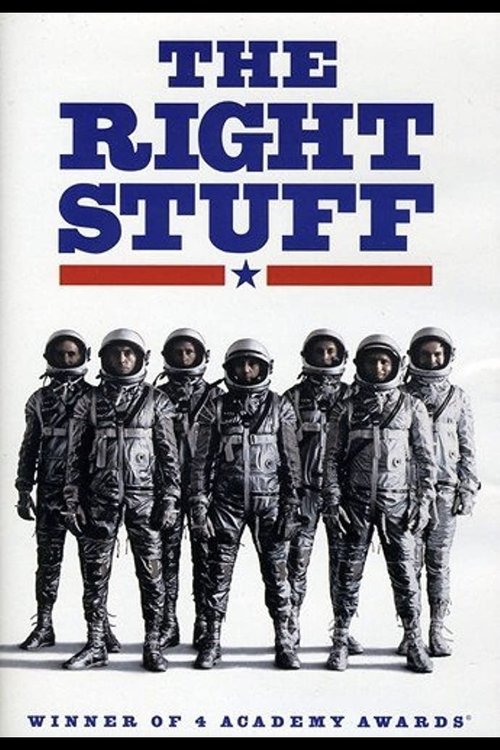
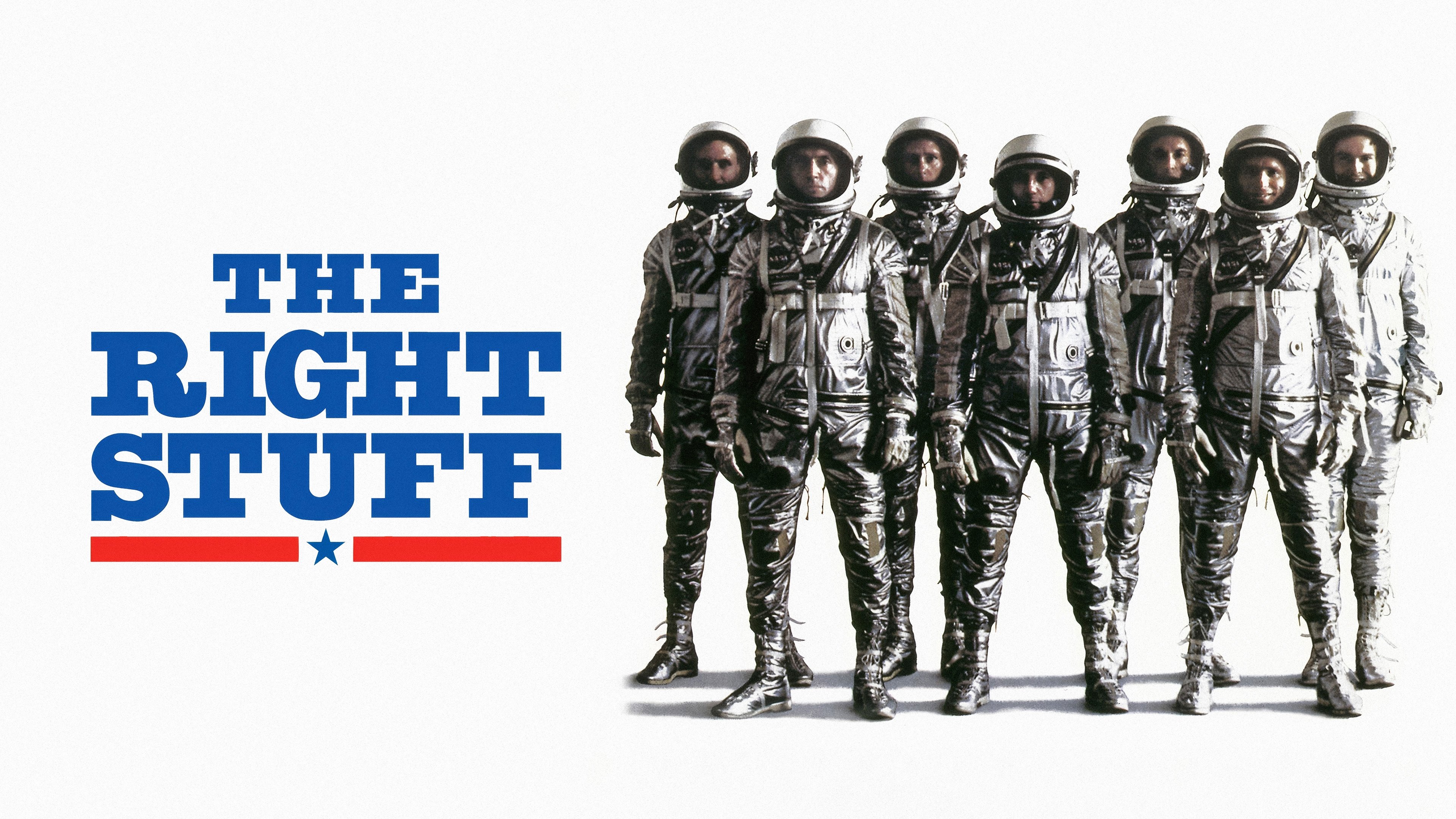
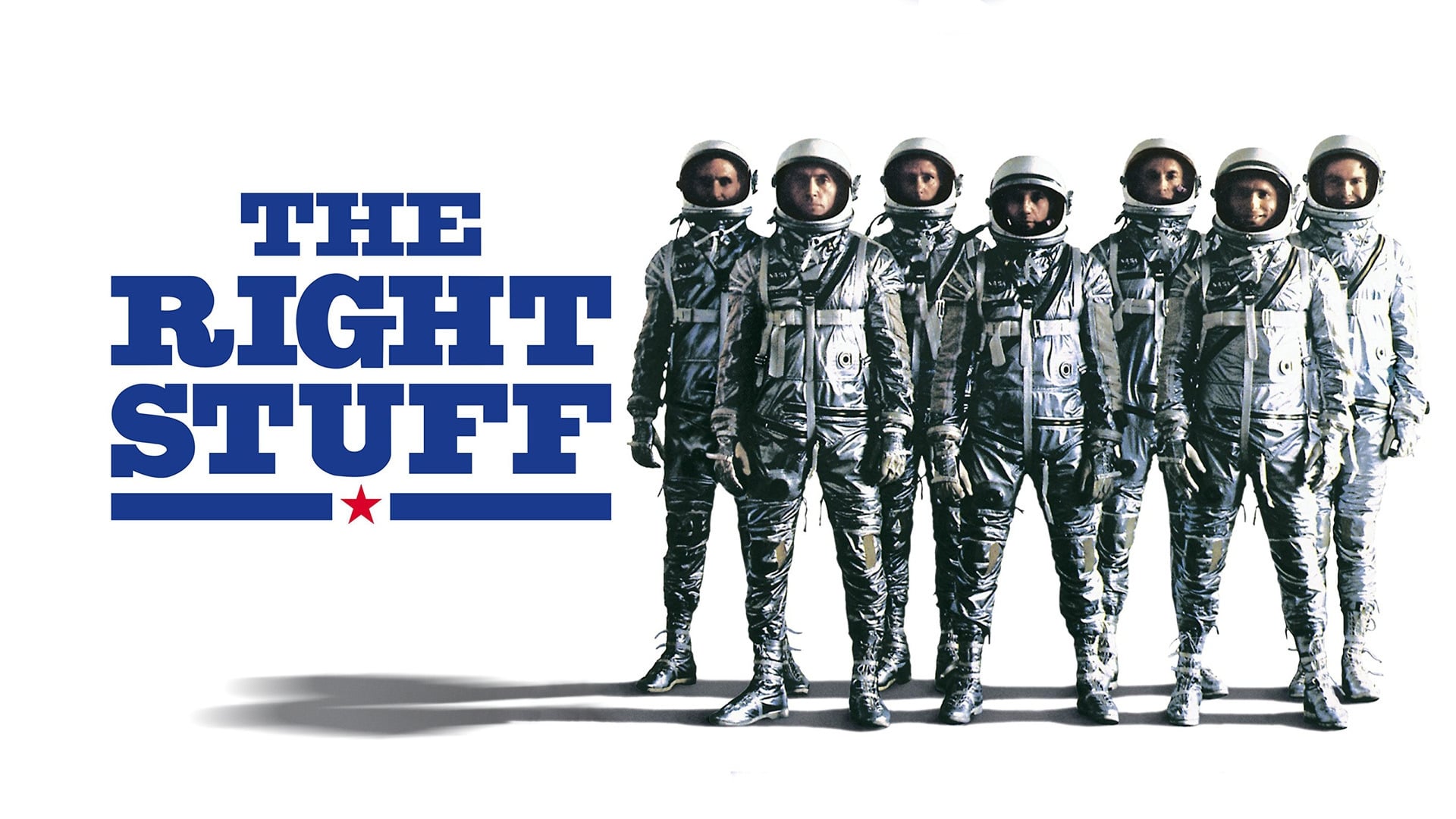
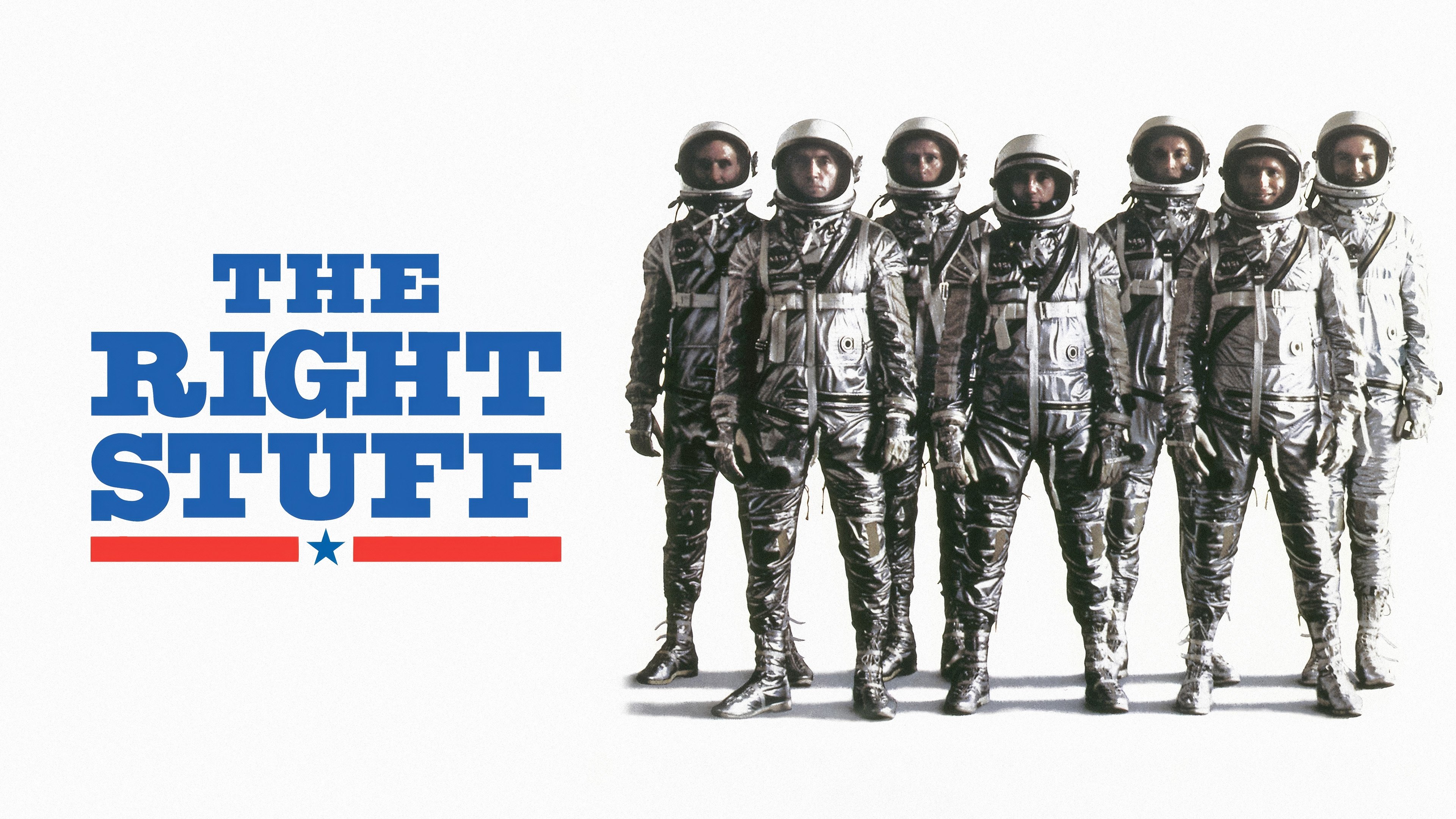
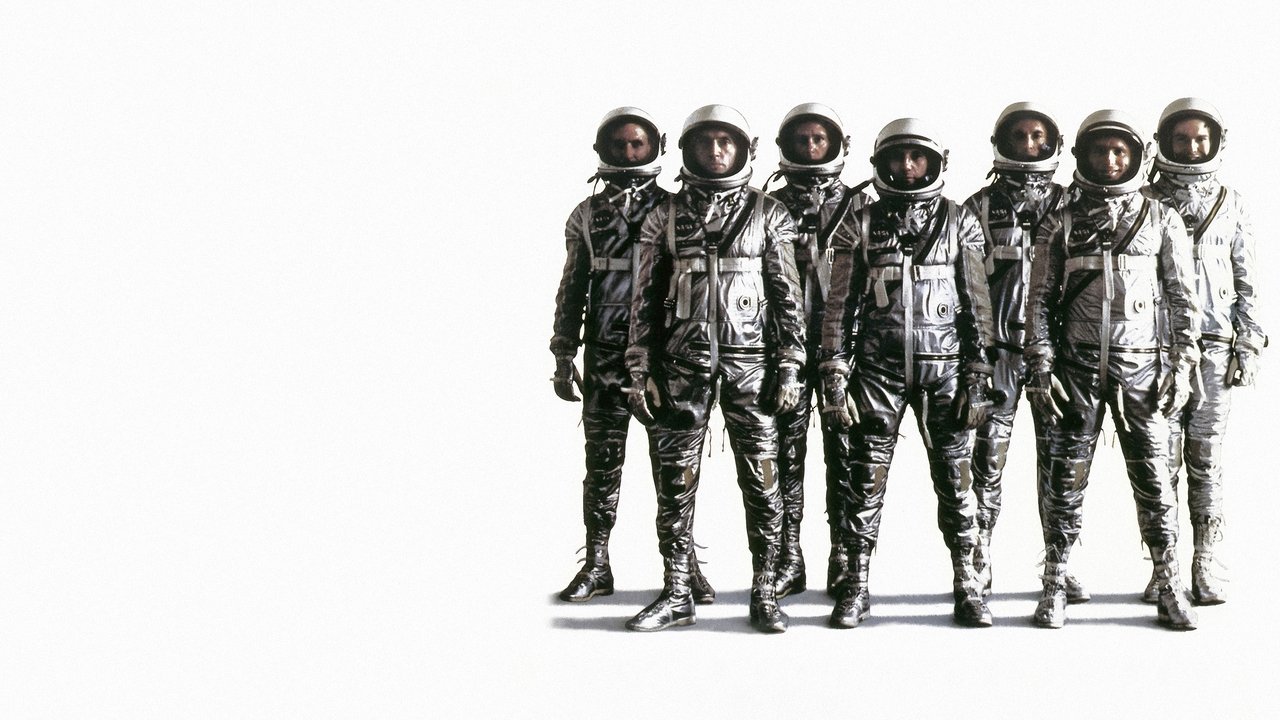
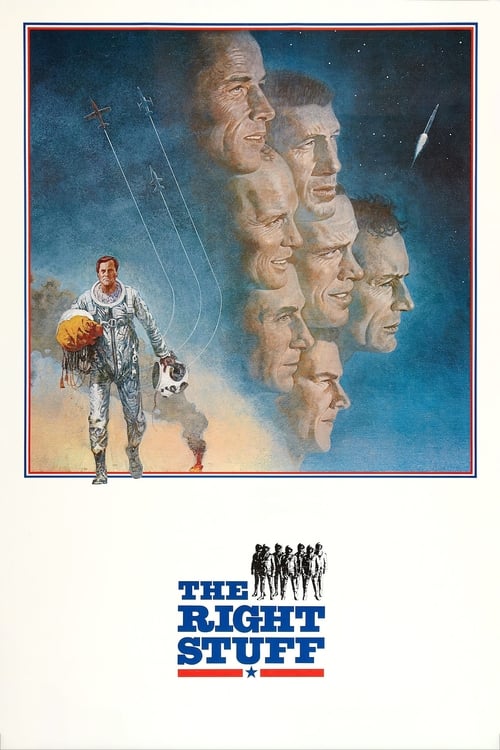
At the dawn of the Space Race, seven test pilots set out to become the first American astronauts to enter space. However, the road to making history brings momentous challenges.
“How the future began.”
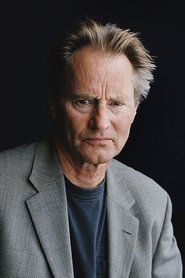
Sam Shepard
Chuck Yeager
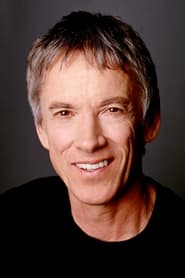
Scott Glenn
Alan Shepard
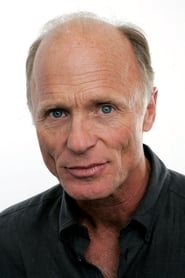
Ed Harris
John Glenn
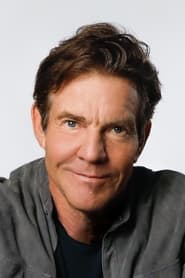
Dennis Quaid
Gordon Cooper

Fred Ward
Gus Grissom
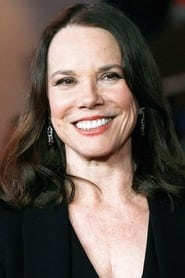
Barbara Hershey
Glennis Yeager

Kim Stanley
Pancho Barnes

Veronica Cartwright
Betty Grissom
Credits
Want more? Switch to Cinephile mode in the header for DP, composer, budget, box office, production companies, keywords, and release history.
Did you know?
Did you know
At 193 minutes, this is a three-hour-plus commitment — longer than 95% of films ever made.
Did you know
Earned back only 80% of its budget on initial theatrical — a commercial disappointment on release.
Did you know
43 years old — old enough to be someone's favourite childhood film.
Did you know
Dialogue crosses 2 languages: English, Russian.
Did you know
Directed by Philip Kaufman, shot by Caleb Deschanel. Note their partnership — DPs and directors often return to each other across a career.
Did you know
Original score by Bill Conti. Worth a dedicated listen after — most great films lose half their impact without the score.
Did you know
Editor Glenn Farr shaped the rhythm. On an edit-heavy film, the editor does more to control your pulse than the director.
Did you know
Sam Shepard and Scott Glenn and Ed Harris carry the top of the cast.
Cinephile deep dive
Philip Kaufman directs. Caleb Deschanel behind the camera. Bill Conti scores. Glenn Farr cuts. A long sit — settle in. A commercial under-performer on release. Produced in United States of America. Dialogue in English, Russian.
Trivia
Awards
Individual records documented via Wikidata; the summary above may count more.
Also by
Stills · wallpapers
Full-resolution frames — open one to save it as a wallpaper.
Trailers & featurettes
Community reviews
Overall, it's a good movie about the start of the space race. The space race was one of the aspects that marked the intense rivalry between the USA and the Soviet Union during the Cold War. There was the notion that space could be a battleground or a zone of influence, as colonial territories had been decades before, and that the nuclear threat made it urgent to dominate space. That's why the Mercury Program was born, responsible for the first suborbital and orbital flights carried out by the USA. Directed by Philip Kaufman, the film is very good and very well made, even if, at times, it resembles an expensive advertisement for NASA and what was done by the North Americans in the space race. It is a long film, with three hours, but that is justified by covering a large period of time and giving us a very global view of the Mercury missions. This leads me to another problem: you need to have a minimal knowledge of the program and who was part of it to be able to understand everything the film shows, because there are not many explanations and the film presumes that the audience knows what they are watching. The cast is, perhaps, one of the most important aspects of the film, since it is largely based on the development of the characters and on the way each actor worked and developed his character. And there is no doubt that we have a wide range of talented artists here where Sam Shepard, Fred Ward, Ed Harris and Dennis Quaid dominate the canvas and capture our full attention. There's no way to single out just one or two, I think each of them did the best they could with what they had at hand, and director Kaufman got the best out of them all. It's a very light film, not a dense drama full of technical aspects or complicated ideas. The film even manages to give us an idea of the political and financial management of the project, and the use that American politicians were making of it for electoral purposes. There's some room for humor, but it's not a movie that makes us laugh out loud. The most comical situation for me was the way in which an American vice president was stopped at the door of an astronaut's house by his wife. The dialogues are good, they are well written, and the visual and special effects used are convincing. This film also has good cinematography and a very atmospheric soundtrack.
Production companies

The Ladd Company
US

Winkler Films
US
Themes & keywords
Release history · US
Also known as