

1 / 8
MONEY
Did you know
Shot for just $2.0M — micro-budget by Hollywood standards.
MoodPlayr · trivia#01
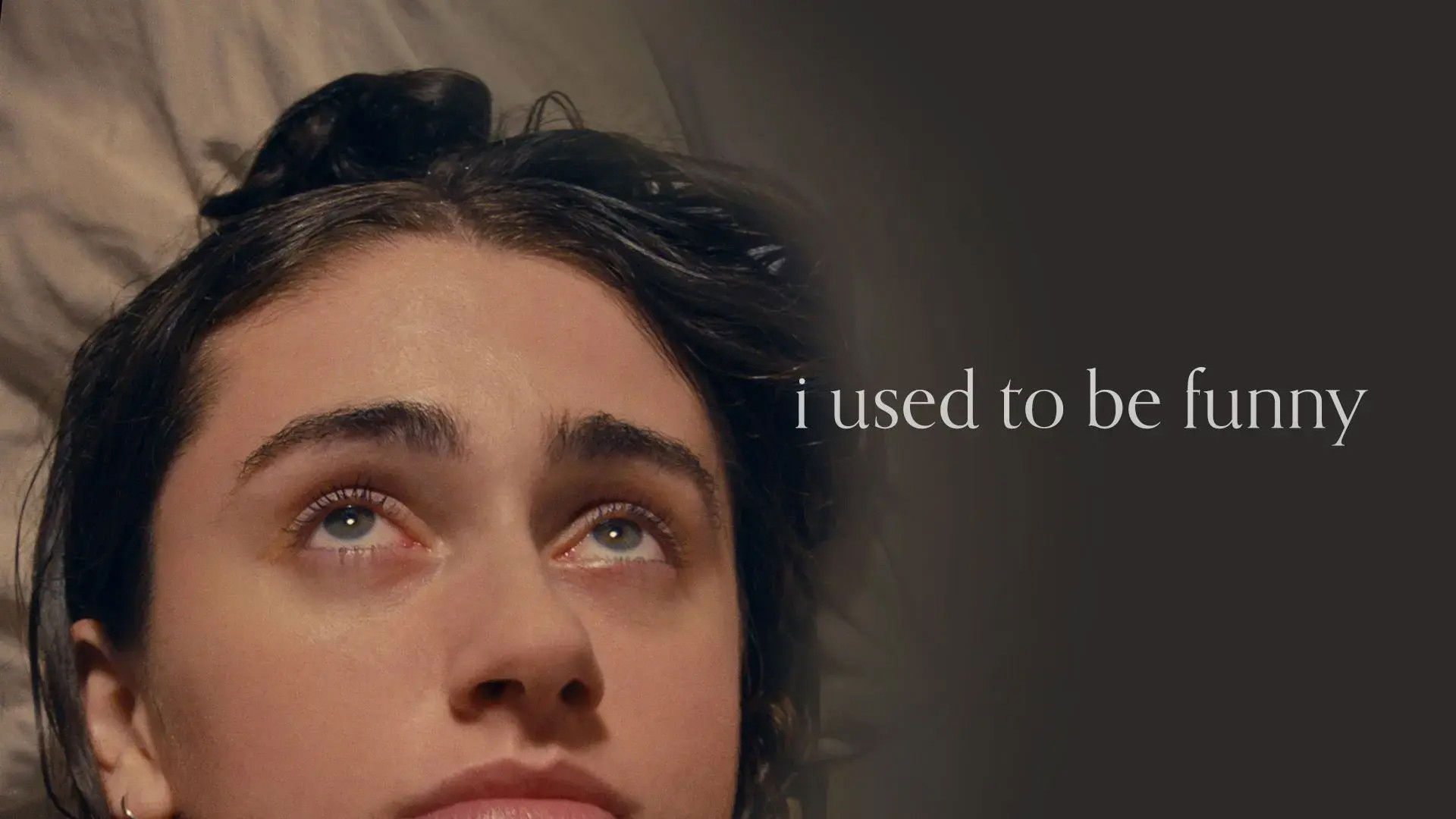
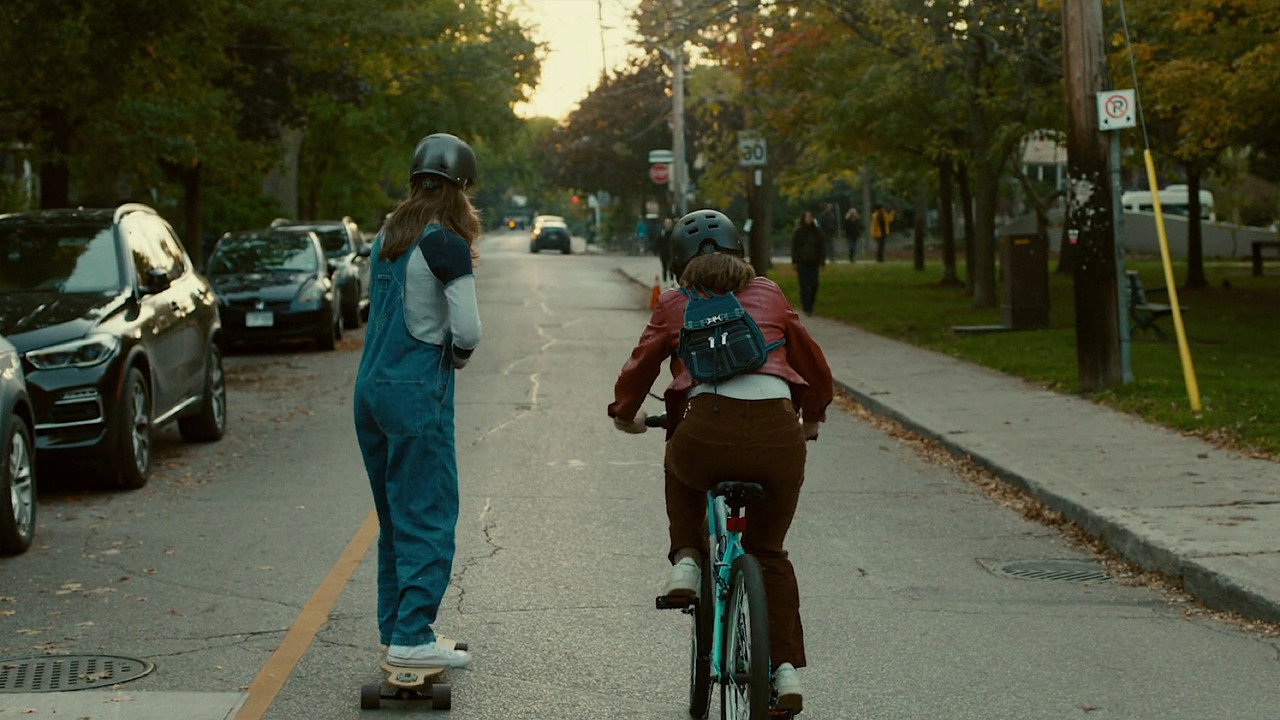
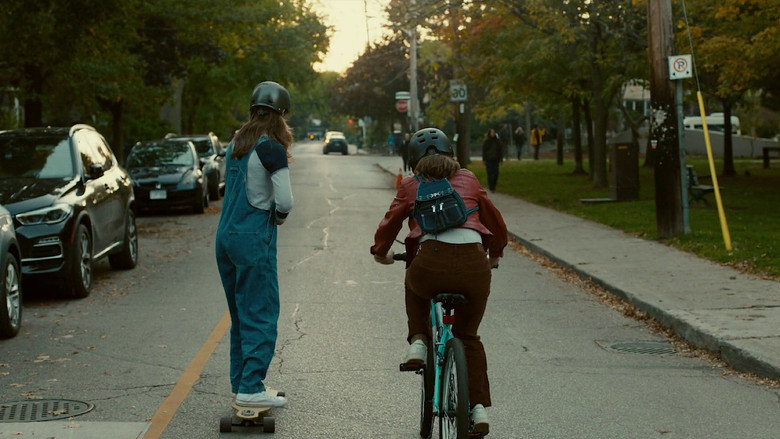
Sam, an aspiring stand-up comedian and au pair struggling with PTSD, weighs whether to join the search for Brooke, a missing teenage girl she used to nanny. As she fights to recover from her trauma and return to the stage, memories of her deep bond with Brooke rush back—making it impossible to ignore her disappearance.
“Some stories are better left unspoiled.”

Rachel Sennott
Sam Cowell
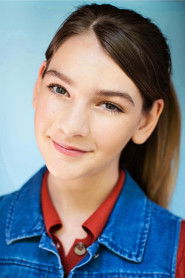
Olga Petsa
Brooke Renner

Jason Jones
Cameron Renner

Sabrina Jalees
Paige

Caleb Hearon
Philip
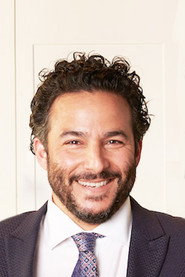
Ennis Esmer
Noah

Dani Kind
Jill

Hoodo Hersi
Zara
Credits
Want more? Switch to Cinephile mode in the header for DP, composer, budget, box office, production companies, keywords, and release history.
Did you know?
Did you know
Shot for just $2.0M — micro-budget by Hollywood standards.
Did you know
Earned back only 8% of its budget on initial theatrical — a commercial disappointment on release.
Did you know
Released 2 years ago.
Did you know
Directed by Ally Pankiw, shot by Nina Djacic. Note their partnership — DPs and directors often return to each other across a career.
Did you know
Original score by Ames Bessada. Worth a dedicated listen after — most great films lose half their impact without the score.
Did you know
Editor Curt Lobb shaped the rhythm. On an edit-heavy film, the editor does more to control your pulse than the director.
Did you know
Rachel Sennott and Olga Petsa and Jason Jones carry the top of the cast.
Did you know
IMDB entry: tt16300138 — still the authoritative cross-reference for credits and trivia.
Cinephile deep dive
Ally Pankiw directs. Nina Djacic behind the camera. Ames Bessada scores. Curt Lobb cuts. A commercial under-performer on release. Produced in Canada. Dialogue in English.
Trivia
Awards
8 nominations total
Also by
Stills · wallpapers
Full-resolution frames — open one to save it as a wallpaper.
Trailers & featurettes
Community reviews
With “I Used to Be Funny,” writer / director Ally Pankiw intertwines mystery and emotional depth to create a compelling narrative in her dark dramedy about a missing teenage girl and her friendship with a stand-up comedian with a debilitating case of PTSD. By exploring the various complexities of trauma, recovery, and healing in a refreshing, honest way, the film is poignant and feels highly personal. This is a story of emotional suffering, fractured relationships, and the long-term process of reclaiming happiness and a sense of identity. Revealing too much of the plot will spoil the film, so this review will be as vague as possible. Sam (Rachel Sennott) is an aspiring comedian who works as an au pair for Brooke (Olga Petsa). Told in flashbacks over a span of the last two years, the story begins with a news report that Brooke has gone missing. Sam, who is suffering from a traumatic event, decides to join in the search for the girl she used to nanny. Blending the past and present, it becomes clear why these two women are dealing with emotional wounds in their own unique way. This is the perfect vehicle for Sennott to showcase her range as an actor, and she delivers a powerful performance. she captures the complexity of her character with nuance, blending drama with a touch of comedy when her situation becomes too much to bear. While her story isn’t on its own very original, Pankiw is an outstanding storyteller, shifting seamlessly between the past and present. The dual timeline keeps the narrative unpredictable and surprising, which will keep you engaged during the film’s slower moments (it could use some tightening overall). The challenging subject matter can feel upsetting and heartbreaking, but it’s also so important to see stories that highlight essential aspects of the female experience. Sam and Brooke have a loving yet complicated relationship, and Pankiw explores this friendship with a heart-wrenching candor. “I Used to Be Funny” isn’t a film that’s easy to watch, but it gives a highly realistic portrayal of the slow and agonizing healing process after living through a traumatic experience. By: Louisa Moore / SCREEN ZEALOTS
Production companies
Barn 12
CA

Crave
CA
Themes & keywords
Release history · US
Also known as