1 / 8
MONEY
Did you know
Shot for just $2.0M — micro-budget by Hollywood standards.
MoodPlayr · trivia#01
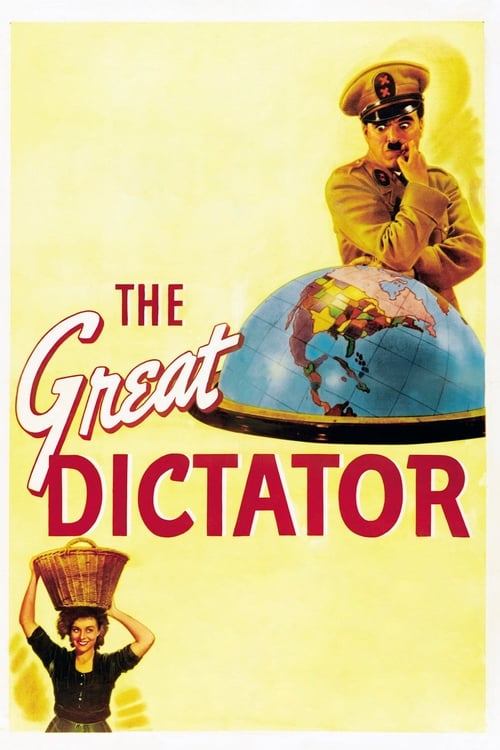
"Once again - the whole world laughs!"
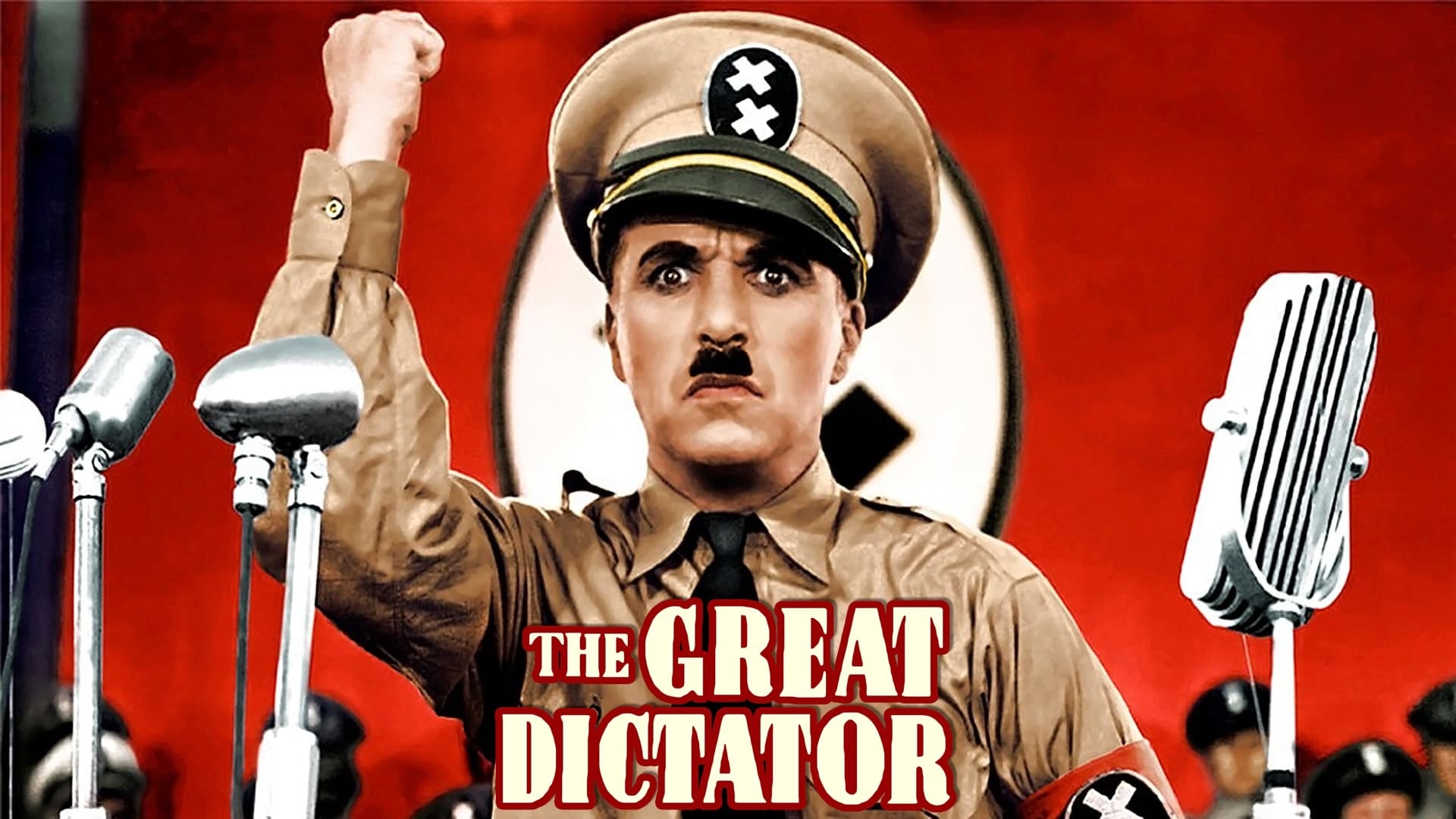
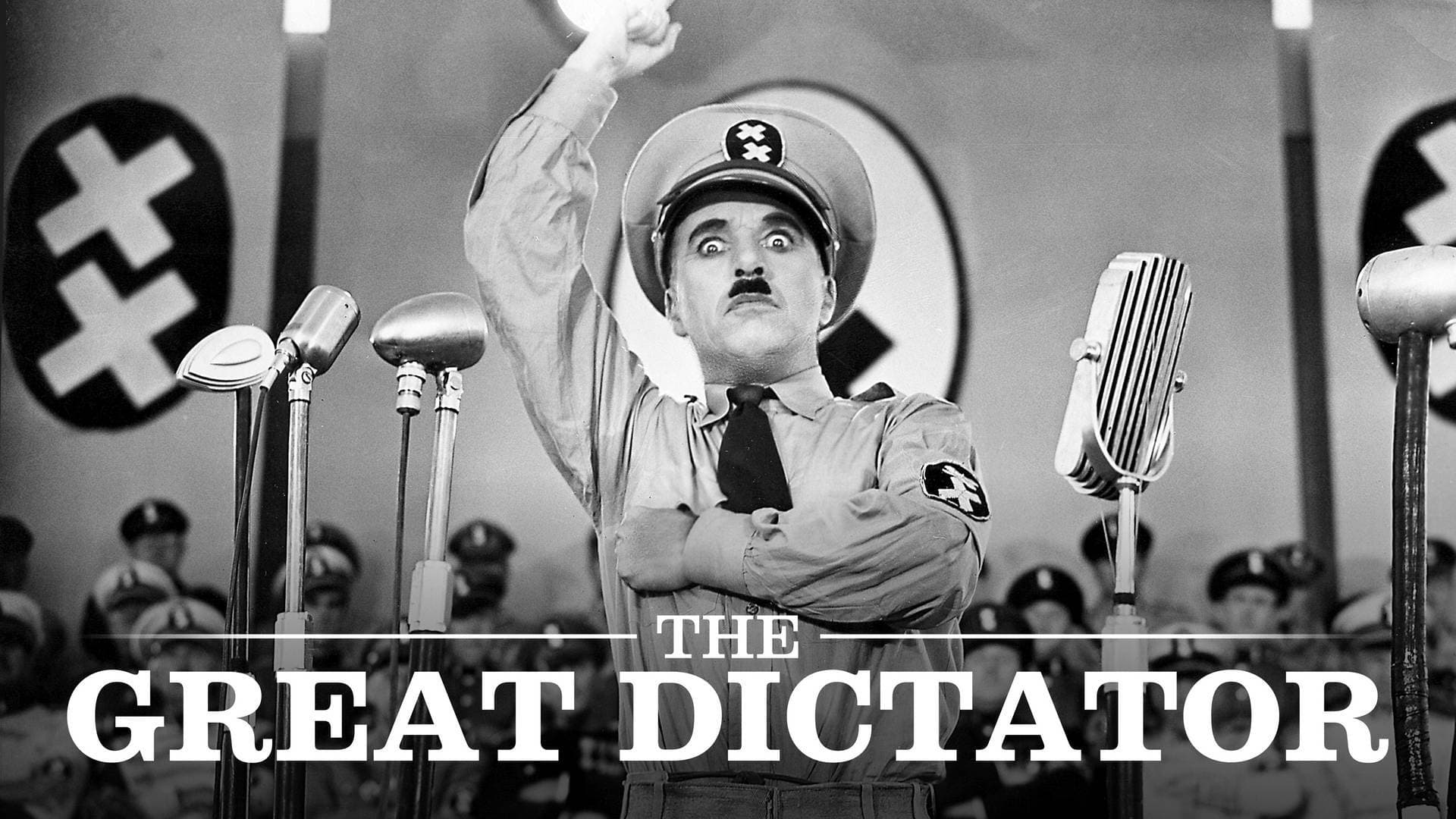
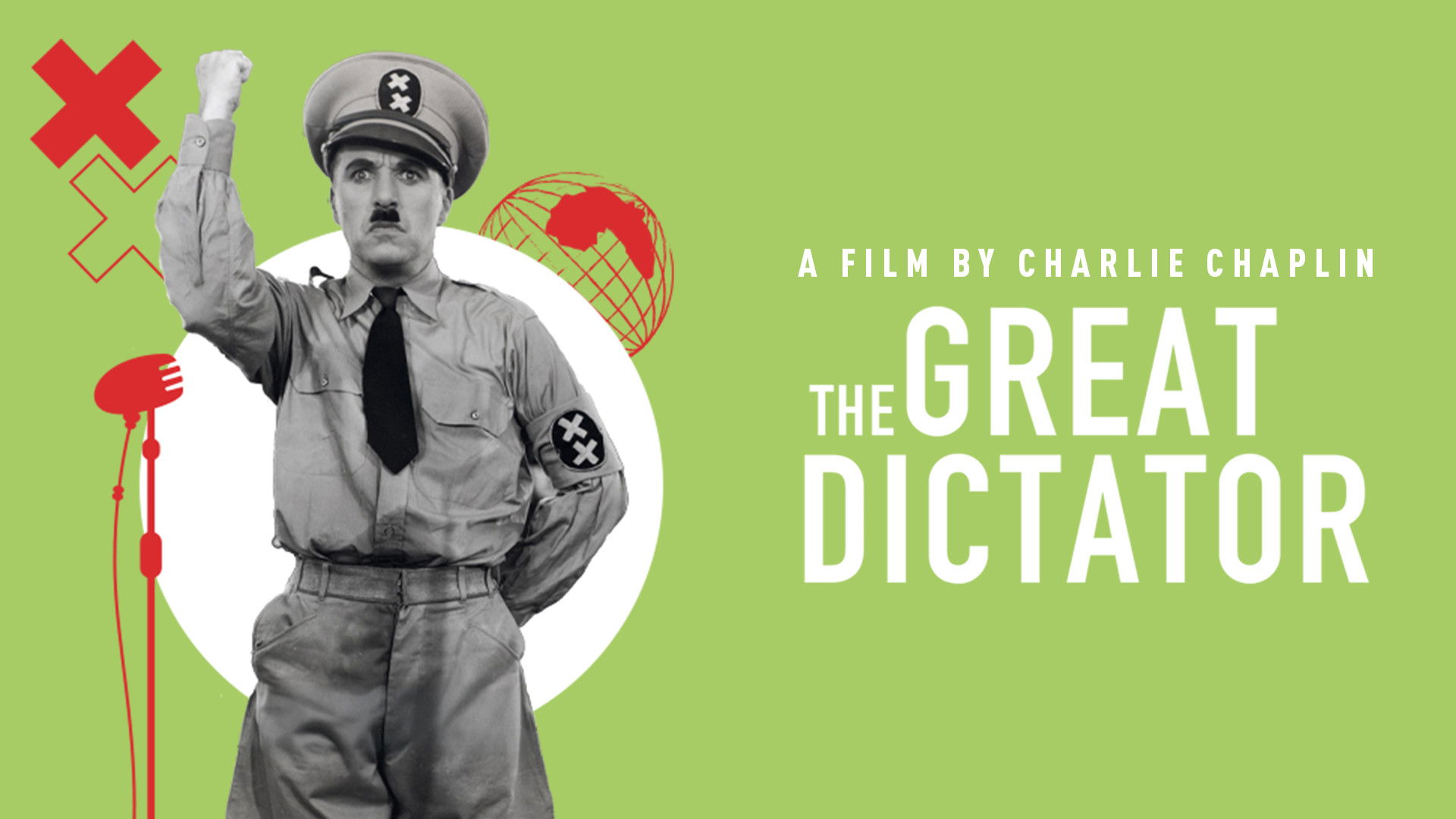
Dictator Adenoid Hynkel tries to expand his empire while a poor Jewish barber tries to avoid persecution from Hynkel's regime.
“Once again - the whole world laughs!”
Where to watch · US
 Amazon Prime VideoSubscription
 fuboTVSubscription
 HBO Max Amazon ChannelSubscription
 Criterion ChannelSubscription
 TCMSubscription
 HBO MaxSubscription
 Amazon Prime Video with AdsSubscription
 IndieFlix Shorts Amazon ChannelSubscription
 Amazon VideoRent
 Apple TV StoreRent
 Fandango At HomeRentAmazon VideoBuyApple TV StoreBuyFandango At HomeBuy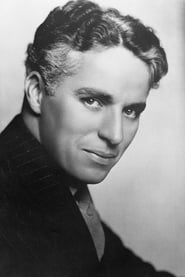
Charlie Chaplin
Adenoid Hynkel, Dictator of Tomania / A Jewish Barber
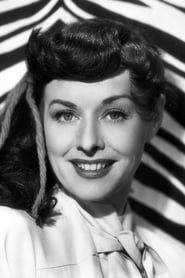
Paulette Goddard
Hannah
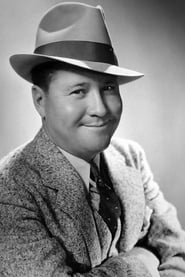
Jack Oakie
Benzino Napaloni, Dictator of Bacteria
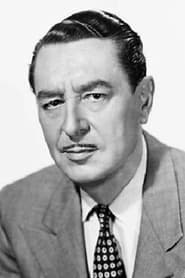
Reginald Gardiner
Commander Schultz
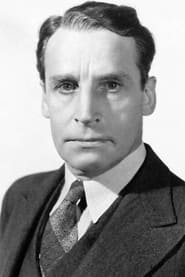
Henry Daniell
Garbitsch
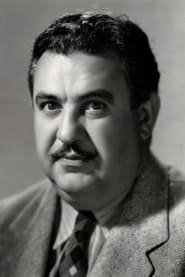
Billy Gilbert
Field Marshal Herring

Grace Hayle
Madame Napaloni
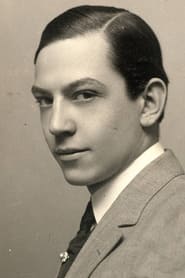
Carter DeHaven
Spook
Credits
Want more? Switch to Cinephile mode in the header for DP, composer, budget, box office, production companies, keywords, and release history.
Did you know?
Did you know
Shot for just $2.0M — micro-budget by Hollywood standards.
Did you know
Made its money back 5.5× over at the box office.
Did you know
86 years old — a genuine piece of film history.
Did you know
Dialogue crosses 2 languages: English, Esperanto.
Did you know
Directed by Charlie Chaplin, shot by Karl Struss. Note their partnership — DPs and directors often return to each other across a career.
Did you know
Original score by Charlie Chaplin. Worth a dedicated listen after — most great films lose half their impact without the score.
Did you know
Editor Willard Nico shaped the rhythm. On an edit-heavy film, the editor does more to control your pulse than the director.
Did you know
Charlie Chaplin and Paulette Goddard and Jack Oakie carry the top of the cast.
Cinephile deep dive
Charlie Chaplin directs. Karl Struss behind the camera. Charlie Chaplin scores. Willard Nico cuts. Made its budget back several times over at the box office. Produced in United States of America. Dialogue in English, Esperanto.
Trivia
Awards
Individual records documented via Wikidata; the summary above may count more.
Also by
Stills · wallpapers
Full-resolution frames — open one to save it as a wallpaper.
Trailers & featurettes
Community reviews
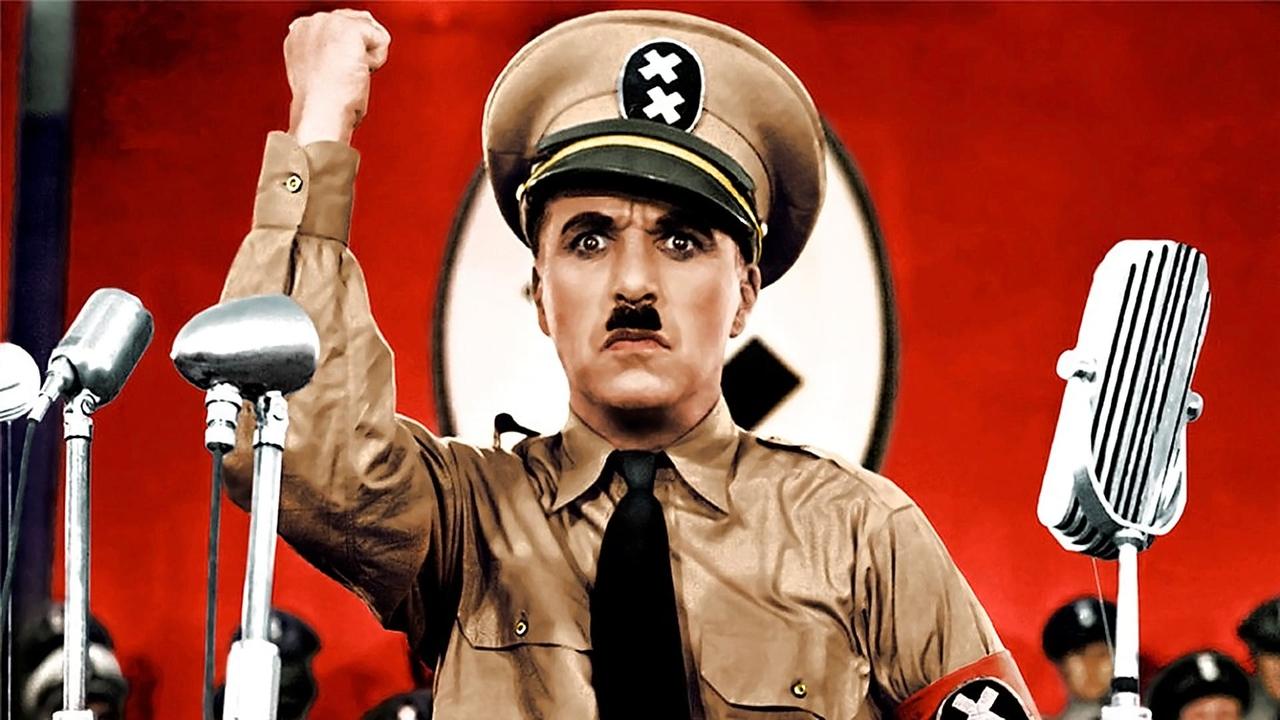
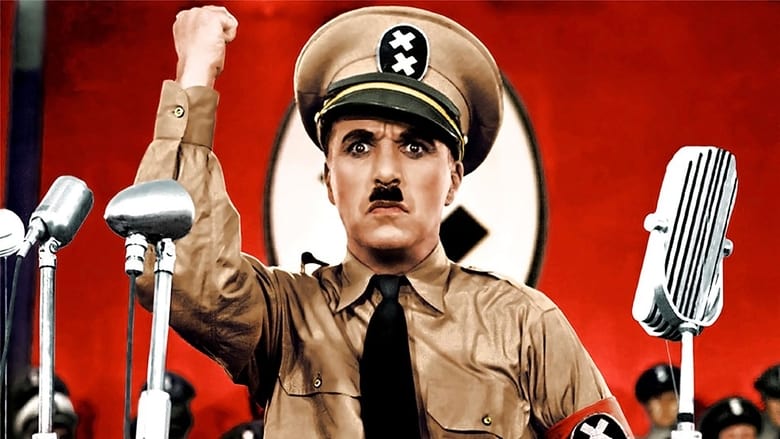
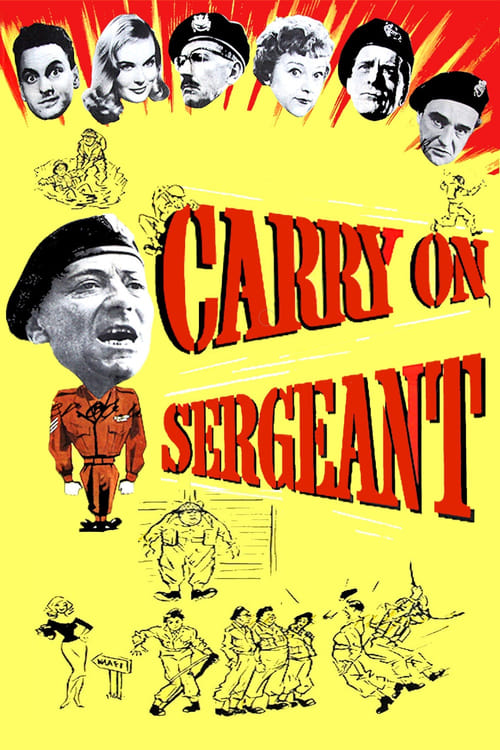
In September 1939, six days after Britain declared war on Nazi Germany, Charlie Chaplin began filming his next feature. Drawing on the public perception of the similarities between himself and Adolf Hitler - not just his toothbrush moustache but also their upbringings - Chaplin sought to directly parody and attack the German führer and fascism. In The Great Dictator, Adenoid Hynkel (Chaplin) rules Tomania and sets about his conquest of the world. In doing so, he persecutes Jewish people, including a former veteran of World War I who is now a barber (also Chaplin). Unsurprisingly, the film was a hit on release, resonating well with the anti-Nazi sentiment in both American and British public. Chaplin understood that delivering his political message was so important that he forewent his usual desire for a silent film in order to get his message across. Sound is used to great effect in The Great Dictator. By studying many of Hitler's speeches, Chaplin was able to create a ludicrous, yet believable, gibberish parody of the Nazi leader's oratory style. Of course, the physical comedy remains, typically reserved for the barber (who may or may not be Chaplin's silent hero, The Tramp). This combination of physical comedy and irreverent one liners together makes the film feel like a very early Carry On. While The Great Dictator remains arguably Chaplin's best "talkie", it often feels like it is the end of Chaplin's era of classical pantomime. People being hit on the head with a saucepan comes across as a cheap laugh and it is often the verbal jokes that are the cleverest. Overall the comedy has not aged well. But The Great Dictator was never designed for longevity. It was perfect propaganda for the Allies, released at a perfect point in the War. For that reason, The Great Dictator can only be judged in the context of its release.
Forever great, forever relevant as dictators and dictator-wannabes do their best to deprive the humans of their humanity.
Production companies
Charles Chaplin Productions
US
Themes & keywords
Release history · US
Also known as
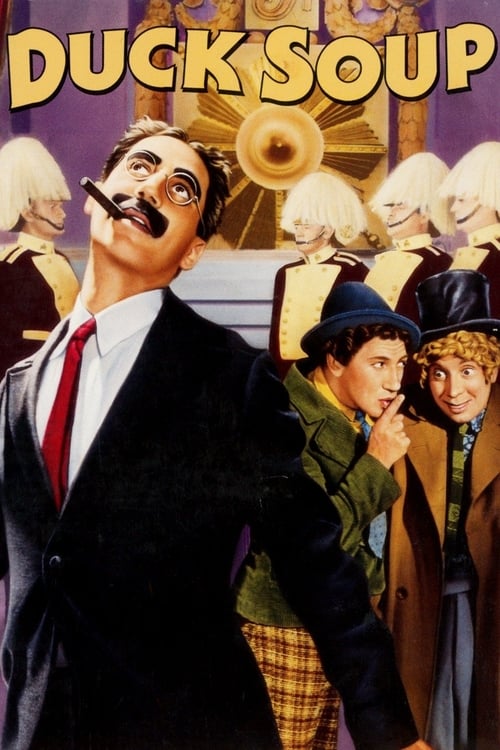 Movie
Movie1933
 Movie
Movie1966
 Movie
Movie1958
 Movie
Movie1969
 Movie
Movie2002
 Movie
Movie1996
 Movie
Movie1993
 Movie
Movie1977
 Movie
Movie2001
 Movie
Movie1966