

1 / 8
RUNTIME
Did you know
88 minutes exactly — the "classic feature" runtime most directors aim for.
MoodPlayr · trivia#01
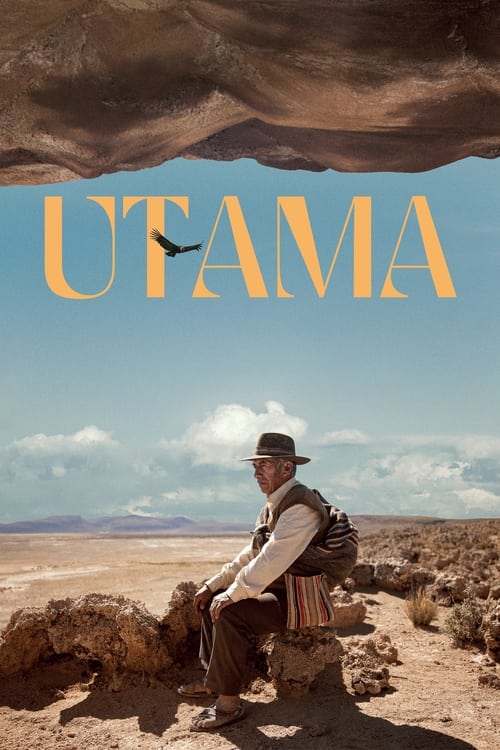
"Time has gotten tired"
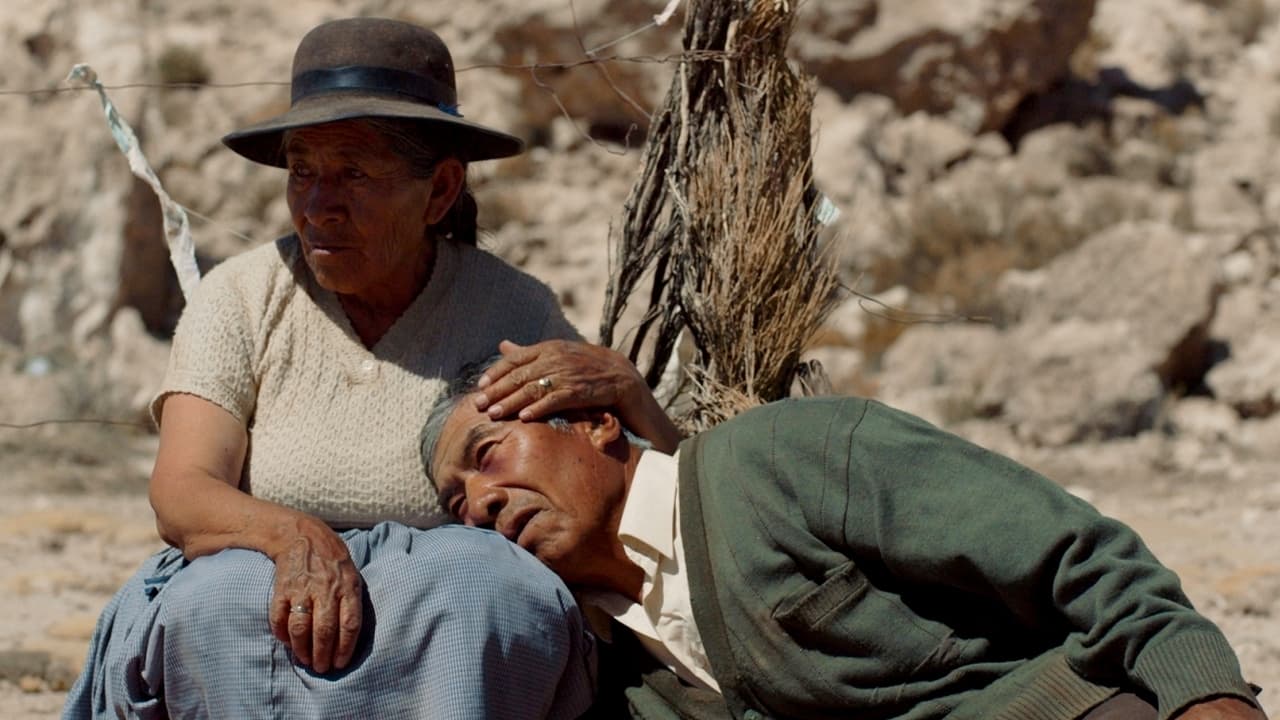
In the Bolivian altiplano, Virginio and Sisa, an elderly Quechua couple who have lived a quiet life for years, face an impossible dilemma during an unusually long drought: resist or be defeated by the hostile environment and the relentless passage of time.
“Time has gotten tired”
José Calcina
Virginio
Luisa Quispe
Sisa
Santos Choque
Clever
Félix Ticona
Estanis
Placide Ali
Eugenia
Candelaria Quispe
Elena
René Calcina
Mototarista
René Pérez
Callawaya
Credits
Want more? Switch to Cinephile mode in the header for DP, composer, budget, box office, production companies, keywords, and release history.
Did you know?
Did you know
88 minutes exactly — the "classic feature" runtime most directors aim for.
Did you know
Released 4 years ago.
Did you know
Dialogue crosses 2 languages: Quechua, Spanish.
Did you know
International production across 3 countries: Bolivia, France, Uruguay.
Did you know
Lean credit list — fewer than 30 people officially credited.
Did you know
Directed by Alejandro Loayza Grisi, shot by Bárbara Álvarez. Note their partnership — DPs and directors often return to each other across a career.
Did you know
Original score by Cergio Prudencio. Worth a dedicated listen after — most great films lose half their impact without the score.
Did you know
Editor Fernando Epstein shaped the rhythm. On an edit-heavy film, the editor does more to control your pulse than the director.
Cinephile deep dive
Alejandro Loayza Grisi directs. Bárbara Álvarez behind the camera. Cergio Prudencio scores. Fernando Epstein cuts. Runs lean at under 100 minutes. Produced in Bolivia, France, Uruguay. Dialogue in Quechua, Spanish.
Trivia
Awards
Individual records documented via Wikidata; the summary above may count more.
Trailers & featurettes
Community reviews
Living a subsistence existence almost 10,000 feet into the Central Andes, the ageing llama tending “Virginio” (José Calcina) and his wife “Sisa” (Luisa Quispe) are beginning to struggle. It hasn’t rained for very long time and the local wells have long-since run dry. It is “Sisa” who is charged with fetching the water, but with the journey to the lake now really beyond her strengths, the community are going to have to combine their resources if they are to water both their herds and themselves - or perhaps consider relocating to the towns where their skills would be redundant. This couple have a son, but he left to go to the city and they never see him. They do, however, see their grandson “Clever” (Santos Choque) now and again, but they always believe his visits are more out of duty than anything else. It is on one such visit that “Virginio” starts to show signs of sickness. He collapses whilst managing their flock and then resolutely refuses to consult an expensive physician. Indeed, he begins to think of his next life beyond the lake and of his wife having to accompany him. It’s this clash of cultures and attitudes that pitches the two generations into a conflict that is gently and stubbornly, but lovingly, played out. The photography of some beautifully pristine locations effectively illustrates the loneliness and isolation of their homeland, but it also shows us their satisfaction with their simple lives where nothing much ever changes from year to year except, crucially, the climate. They can hear the rumbles of thunder over the snow-capped mountaintops, but there is no rain for them as the wind blows relentlessly. It’s a gentle observation of a traditional way of life and of love that is steadily, but certainly, dying out.
Production companies

LaMayor Cine
UY

Alpha Violet Production
FR

Alma Films
BO
Themes & keywords
Release history · US
Also known as
 Movie
Movie2010
 Movie
Movie2012
 Movie
Movie1947
 Movie
Movie2004
 Movie
Movie2017
 Movie
Movie2023
 Movie
Movie2012
 Movie
Movie1972
 Movie
Movie2025
 Movie
Movie2015