1 / 8
RUNTIME
Did you know
86 minutes exactly — the "classic feature" runtime most directors aim for.
MoodPlayr · trivia#01
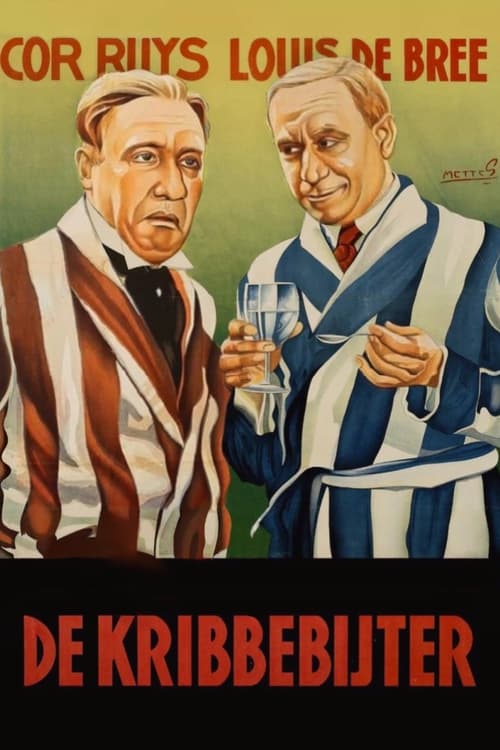
"There are many Dutch films, but there is only one „KRIBBEBIJTER" !"
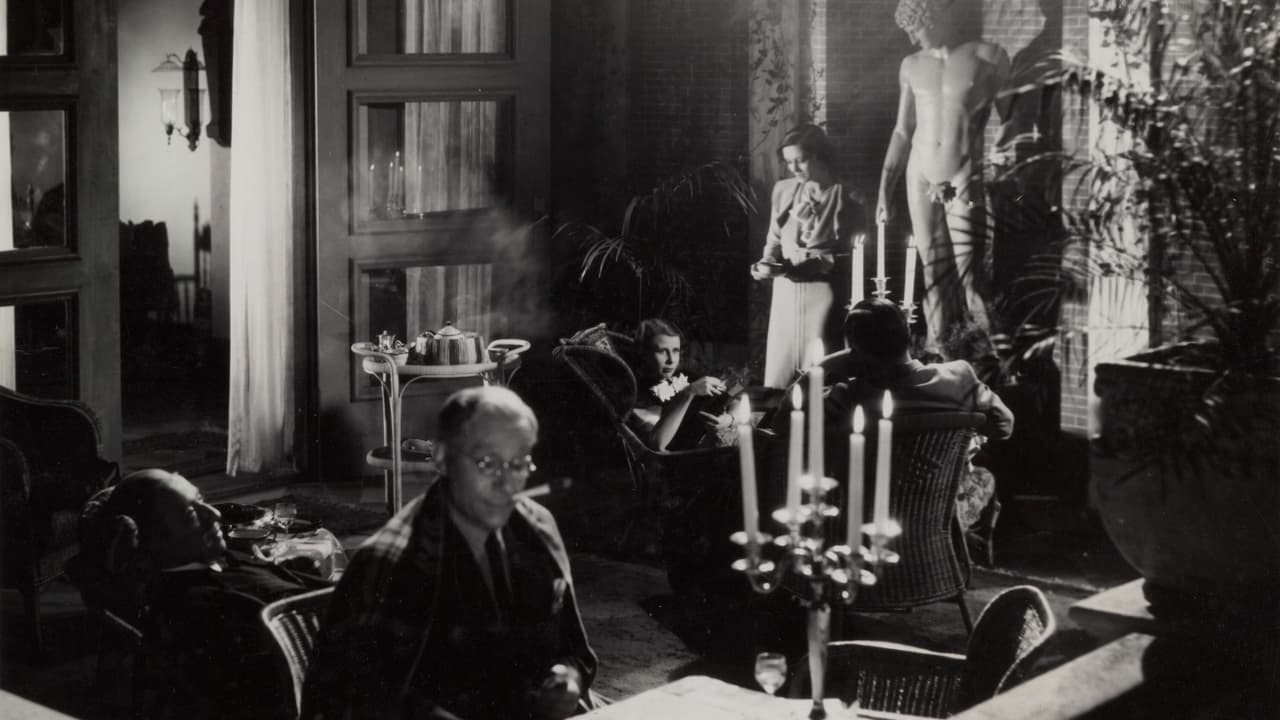
Willy, the son of baron Van Hergershuizen, finds himself disinherited after he marries an untitled girl. His wife decides to take action and applies for the job of the baron's housekeeper.
“There are many Dutch films, but there is only one „KRIBBEBIJTER" !”
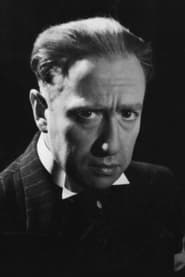
Cor Ruys
Baron Coenraad van Hergershuizen
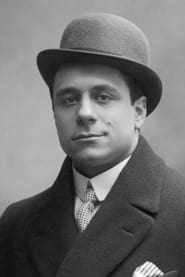
Louis de Bree
Uncle Moeki

Philip Dorn
Willy van Hergershuizen

Dolly Mollinger
Loes

Mary Dresselhuys
Mary van Hergershuizen

Louis Borel
Hans van Maren

Chris Baay
Schimmelman
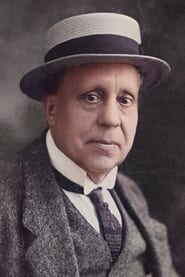
August Kiehl
Frans
Credits
Want more? Switch to Cinephile mode in the header for DP, composer, budget, box office, production companies, keywords, and release history.
Did you know?
Did you know
86 minutes exactly — the "classic feature" runtime most directors aim for.
Did you know
91 years old — a genuine piece of film history.
Did you know
Lean credit list — fewer than 30 people officially credited.
Did you know
Directed by Henry Koster, shot by Henk Alsem. Note their partnership — DPs and directors often return to each other across a career.
Did you know
Editor Oscar van Leer shaped the rhythm. On an edit-heavy film, the editor does more to control your pulse than the director.
Did you know
Cor Ruys and Louis de Bree and Philip Dorn carry the top of the cast.
Did you know
Marketing tagline: "There are many Dutch films, but there is only one „KRIBBEBIJTER" !".
Did you know
IMDB entry: tt0026584 — still the authoritative cross-reference for credits and trivia.
Cinephile deep dive
Henry Koster directs. Henk Alsem behind the camera. Oscar van Leer cuts. Runs lean at under 100 minutes. Produced in Netherlands. Dialogue in Dutch.
Trivia
Also by
Community reviews
To say Dutch audiences in the 30s loved De Kribbebijter would be an understatement: the movie stayed in theaters from july 1935 to december 1942, packing full houses until the very end of its run. International critics seemed not to understand what exactly made this Dutch comedy so special, but when one takes a closer look at the cinematic climate in the Netherlands in those days, they will find that the Kribbebijter-madness made perfect sense. In the mid-thirties, the most popular movie genre in the Netherlands was that of the so-called 'Jordaan-film'; jolly musicals with a simple, predictable plot and catchy songs, always set in the Amsterdam 'Jordaan' area and often starring Dutch variety icons like Louis Davids, Fien de la Mar and Sylvain Poons. But even though films like De Jantjes, Bleeke Bet and Het Leven is Niet Zoo Kwaad were enjoyable and full of talented performers, the Jordaan-films were also very much seen as a crowd-pleasing, often clumsily made cinematic equivalent of junkfood. Hollywood movies on the other hand were often too melodramatic and self-important to please the phlegmatic Dutch (Doe maar gewoon, dan doe je al gek genoeg...). By 1935, Jordaan-film-fatigue was setting in — the last true Jordaan film, Oranje Hein, would be released in 1936 — and Dutch audiences were longing for something closer to the coherent plot structures of Hollywood, but with that unmistakably Dutch combination of abstemious downplaying and theatrical folly. What they got was De Kribbebijter. Needless to say, they were pleased. While retaining the romantic entanglements of the Jordaan-films, the storyline of De Kribbebijter has an un-Dutch sense of coherence; it does not derive its jolly fun from intermezzo's or random jokes, but rather from cleverly written setpieces and inspired comedic performances by theatre powerhouses Cor Ruys, Louis de Bree and Louis Borel especially. The acting is — apart from an astoundingly hammy Mary Dresselhuys — not as wacky as the Jordaan-films, and not nearly as melodramatic and overly sentimental as most 30s Hollywood productions. Visually and technically the directing is so-so, but unlike most Dutch movies at the time, the camera was dynamic enough not to make it feel like filmed theatre. In short: De Kribbebijter is a unique picture; unique in being very Dutch in its approach, but also very non-Dutch in its execution. It's a movie I enjoyed immensely, and I hope a subtitled version will be released soon so foreign cinephiles can enjoy it as well!
Production companies

Holfi
NL
Themes & keywords
Release history · US
Also known as