

1 / 8
ERA
Did you know
Released 4 years ago.
MoodPlayr · trivia#01
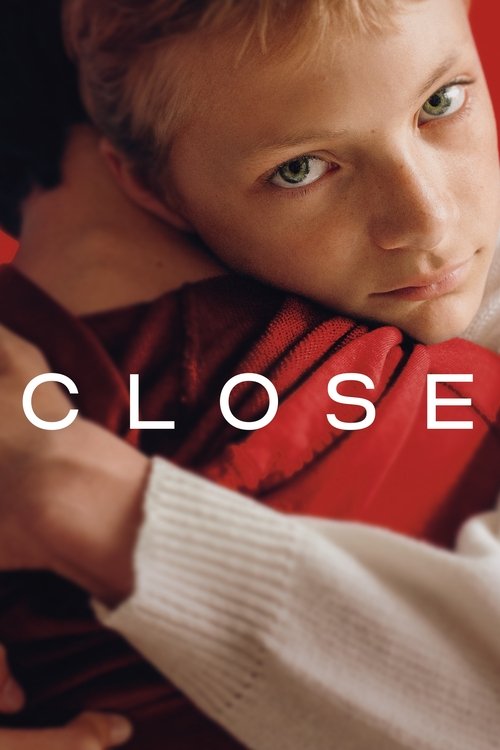
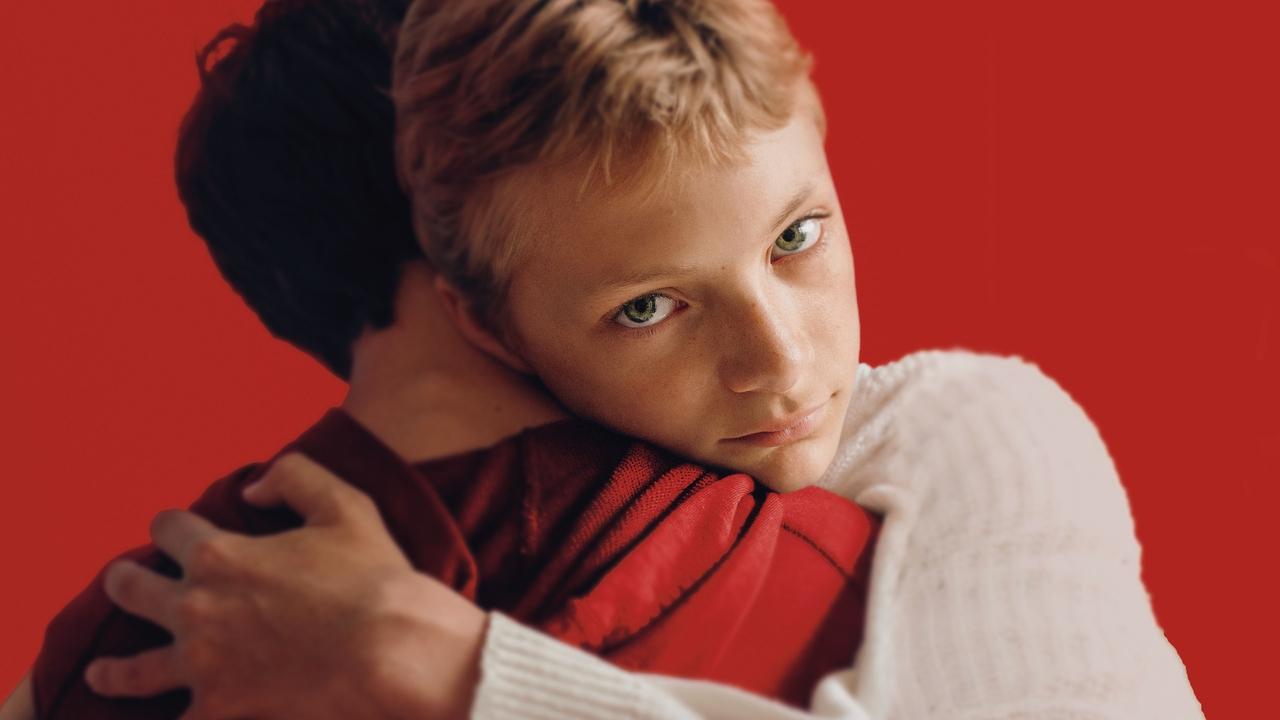
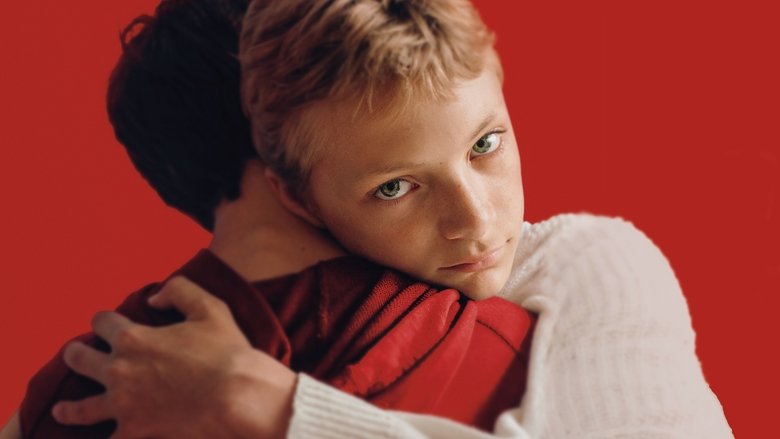
Two 13-year-old boys spend an idyllic summer together, but their connection is put to the test when they become the subject of speculation at school.
“Some stories are better left unspoiled.”
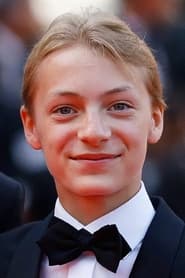
Eden Dambrine
Léo

Gustav De Waele
Rémi
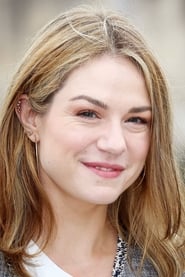
Émilie Dequenne
Sophie

Léa Drucker
Nathalie
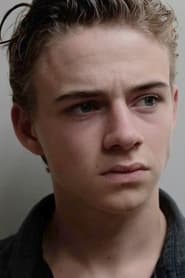
Igor van Dessel
Charlie
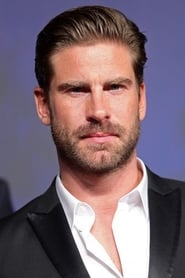
Kevin Janssens
Peter
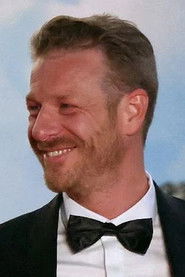
Marc Weiss
Yves

Léon Bataille
Baptiste
Credits
Want more? Switch to Cinephile mode in the header for DP, composer, budget, box office, production companies, keywords, and release history.
Did you know?
Did you know
Released 4 years ago.
Did you know
Dialogue crosses 2 languages: French, Dutch.
Did you know
International production across 3 countries: Belgium, France, Netherlands.
Did you know
Directed by Lukas Dhont, shot by Frank van den Eeden. Note their partnership — DPs and directors often return to each other across a career.
Did you know
Original score by Valentin Hadjadj. Worth a dedicated listen after — most great films lose half their impact without the score.
Did you know
Editor Alain Dessauvage shaped the rhythm. On an edit-heavy film, the editor does more to control your pulse than the director.
Did you know
Eden Dambrine and Gustav De Waele and Émilie Dequenne carry the top of the cast.
Did you know
IMDB entry: tt9660502 — still the authoritative cross-reference for credits and trivia.
Cinephile deep dive
Lukas Dhont directs. Frank van den Eeden behind the camera. Valentin Hadjadj scores. Alain Dessauvage cuts. Produced in Belgium, France, Netherlands. Dialogue in French, Dutch.
Trivia
Awards
Individual records documented via Wikidata; the summary above may count more.
Also by
Stills · wallpapers
Full-resolution frames — open one to save it as a wallpaper.
Trailers & featurettes
Community reviews
Thirteen year old "Léo" (Eden Dambrine) and his schoolfriend "Rémi" (Gustav De Waele) are inseparable. The play together, eat together, sleep together - an ideal fraternal relationship. At school, though, their classmates start to make disparaging remarks about them, and the naturally more gregarious "Léo" begins to shun his friend a little, then a little more... Tragedy ensues after "Rémi" doesn't show up for a school trip and the repercussions hit the young "Léo" and "Sophie" (Émilie Dequenne) - the mother of his friend - especially hard. On one level this film is about cruelty. Not a deliberate, malevolent style of cruelty - but one of indifference, of ignorance - a bully's sort of cruelty. On another it is a story of love, loyalty - betrayal even. It is an highly emotional film with two excellent performances from the young boys conveying their respective responses to a bewildering array of suspicion and judgements being thrust their way by those who knew no better - but should have. It's about parenting, about openness and about how people deal with tragedy in their own, personal way - and it is very effective. It really does leave a lump in your throat afterwards. Well worth a watch.
I don't rate a film 10/10 unless it's wonderful and my reviews tend to be motivated by either abject disappointment or outright admiration. I think that's very much most people's experience of film, you either love it or you don't. With Close, there's everything to love and it is an exercise in pure love, not just in its storyline but also the art of film, acting and storytelling. Importantly. It is akin to a dissection, an expert analysis of youth told through the eyes of two boys in tremendous pain. It is nuanced and a near savant, perceptive commentary on the predjudices cultivated within the human predicament from the very outset. It captures perfectly how instilled bigotry dessicates pure innocence from the moment a child sets foot into wider society via the educational system and it is a damning indictment of what we've become or failed to become, more accurately. The storyline shows how deep rooted prejudice can destroy a pure and innocent love between two boys, and it perfectly contrasts how the insipid and evil innuendo from female quarters feeds into to the outright violent machismo in male quarters, together combining to destroy the boys' idea of what their friendship was, to sully it unjustly and to make them feel that what was wonderful is wrong, to make them paranoid and defensive. It is a tale as old as time, the despicable and mean way jealous observers seek to destroy what they can't have, because they don't have that capacity. And it is infuriating as a viewer to see homophobia cast onto an innocent friendship at a tender age because it is precursive homophobia targeted at closeness, at innocent brotherly love. It is infuriating because it shows how deep rooted homophobia is in both girls' and boys' upbringing - bigotry that is used to target close friendship and innocence as a near precautionary measure, vaccinating the world at large against any male affection just in case it might turn into something more. There is much praise for this film and the writer/director Lukas Dhont is talented beyond what many critics seem to be able to bring themselves to admit, for he has, at a rather youthful age, created a work which leaves many in the industry probably wondering how he does it and where they went wrong. If Hollywood is the centre of the movie business, it is only due to money, and Lukas Dhont has, in this Belgian film, and as much French cinema has done before, shone a light on what cinema can and should be, and by comparison, he puts the typical offerings of Hollywood to shame. It is truly a comparison of fast food to haute cuisine. By way of another comparison and a similar study of loss, there was much praise for Aftersun and I gave it a great review. Having now seen Close, I think Aftersun is rudimentary in comparison and I wonder if the fact that Close is in French/Flemish is sufficient enough a reason for it to languish behind in terms of accolades and praise when compared to Aftersun, which, while deserving of much praise, is nothing of equal merit whatsoever - not even Close. For anyone wanting to learn about cinema and storytelling on screen, about acting and direction, Close is the objective to aim for, a masterclass in perfection. It will break your heart.
Summary: 9/10: A tender, devastating examination of how homophobia and toxic masculinity destroy male intimacy, anchored by extraordinary performances from Eden Dambrine and Gustav De Waele that make the film's tragedy feel both intimate and unbearably universal. There's a moment early in Lukas Dhont's Close when thirteen-year-old Léo and Rémi race their bicycles through fields of flowers in the Belgian countryside, laughing, utterly unselfconscious, bound by the kind of friendship so total it doesn't require explanation. They share a bed during sleepovers, have private jokes only they understand, exist in each other's orbit with the ease of brothers who chose each other rather than being born into obligation. Then they arrive at school, and someone asks if they're a couple. What happens next is a powerful condemnation of bullying disguised as innocent curiosity, of homophobia disguised as teasing, of toxic masculinity so pervasive that thirteen-year-olds already understand its brutal grammar. Léo, played with devastating restraint by first-time actor Eden Dambrine, begins to distance himself from Rémi. Not cruelly, not all at once, but with the quiet violence of someone learning to police his own affection, to measure his gestures, to understand that loving your friend too openly makes you vulnerable to a world that will punish such tenderness. Director Lukas Dhont discovered Dambrine on a train, watching the boy's facial expressions while listening to Max Richter's music, and casting him based solely on what he saw. It was instinct proved correct; Dambrine's performance is a masterclass in conveying interior devastation through eyes that register excitement, love, confusion, and sorrow without uttering a sound. Gustav De Waele as Rémi is equally extraordinary, his confusion and hurt at Léo's withdrawal so palpable you want to reach through the screen and tell him this isn't his fault, that the world is simply teaching Léo all the wrong lessons. The film understands something essential about coming of age: it's not about what you discover about yourself, but what you discover about everyone else, and whether you can still love them anyway when they fail you. Léo fails Rémi because the alternative, remaining close despite the whispers and jokes, requires a kind of courage most adults don't possess, let alone children still forming their identities in a world determined to crush anything that doesn't conform. Dhont, who based elements of the story on his own life, films the boys' friendship with such tenderness that its dissolution becomes unbearable to watch. Cinematographer Frank van den Eeden captures the golden light of adolescent summers, the visceral beauty of young bodies in motion, the particular magic of male friendship before society teaches boys that emotional intimacy is weakness. When Rémi plays an oboe solo and Léo watches with unguarded love, we see what's about to be destroyed by other people's discomfort with that love's intensity. The supporting cast matches the young leads' excellence. Émilie Dequenne and Léa Drucker as the boys' mothers turn in performances that avoid melodrama while honoring the complexities of parenting adolescents navigating cruel social dynamics. The message in this heartbreaking film is that friendships are so much more important than we actually realize and that as males, the toxic masculinity we encourage among ourselves can ruin lives. That's not hyperbole; the film makes devastatingly clear how casual homophobia and rigid gender expectations don't just wound, they kill intimacy, and then trust, and these patterns persist into heterosexual relationships. Close joins films like Moonlight and The Miseducation of Cameron Post in examining how LGBTQ+ youth, and heterosexual boys perceived as insufficiently masculine, navigate systems designed to break them. But Dhont's film focuses specifically on how boys police each other, how they internalize society's contempt for male tenderness, how they betray their own hearts to survive middle school hallways that function as training grounds for a lifetime of emotional stunting. The film won the Grand Jury Prize at Cannes for good reason. It's shot with painterly beauty, performed with shattering authenticity, and structured to maximize emotional impact without manipulation. Dhont knows exactly when to linger and when to cut away, when to explain and when to trust images to carry meaning. This is a film about responsibility and the particular guilt that comes from understanding too late that conformity exacts costs we should never pay. It's also a film that believes male friendship can be as deep and necessary as romantic love, and that protecting that friendship from a homophobic world shouldn't be required at all.
Production companies

Menuet
BE

Diaphana Films
FR

Topkapi Films
NL

Versus Production
BE

VTM
BE

RTBF
BE
Themes & keywords
Release history · US
Also known as