1 / 8
RUNTIME
Did you know
89 minutes exactly — the "classic feature" runtime most directors aim for.
MoodPlayr · trivia#01

"They're heading for a breakdown."
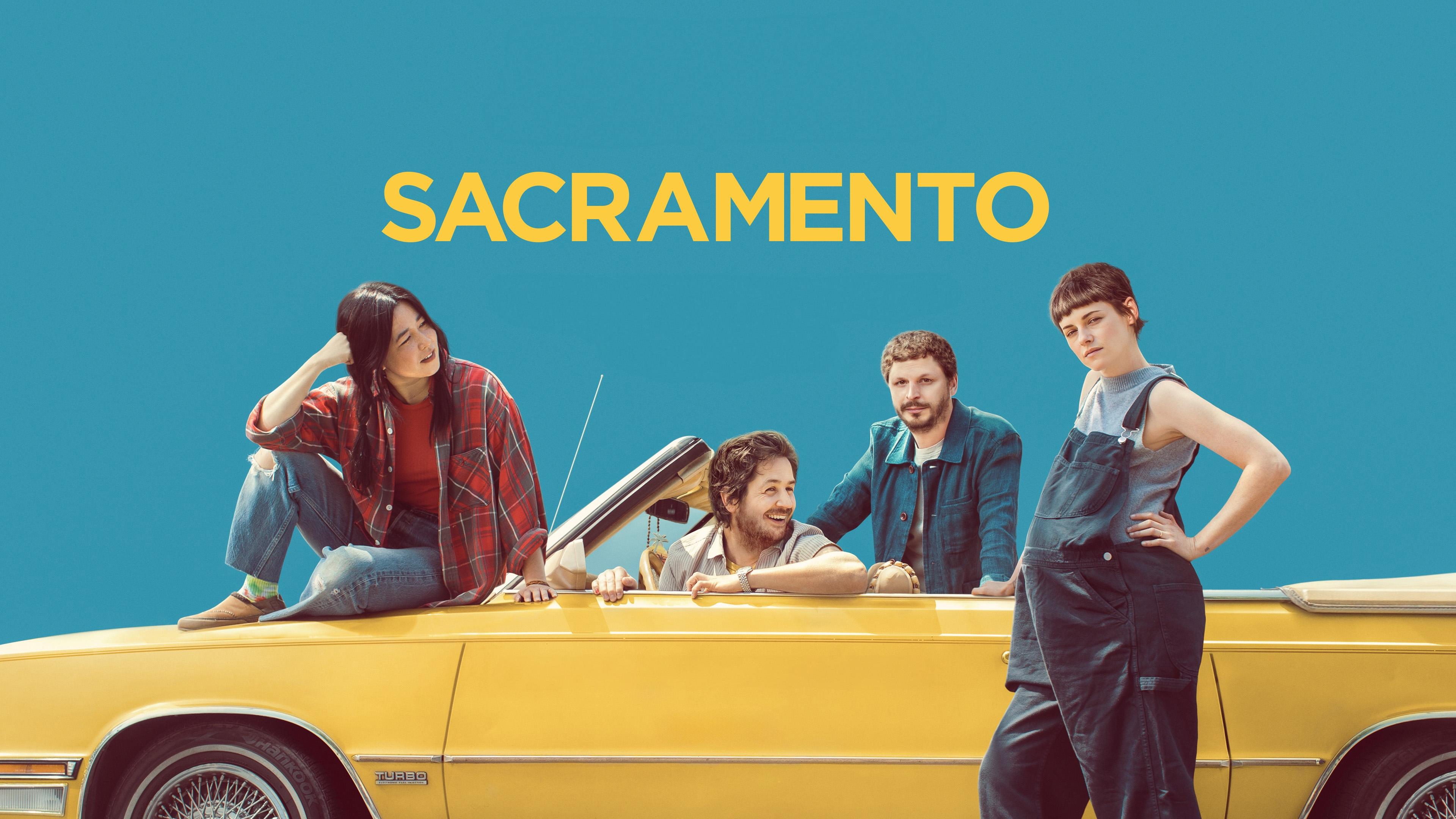
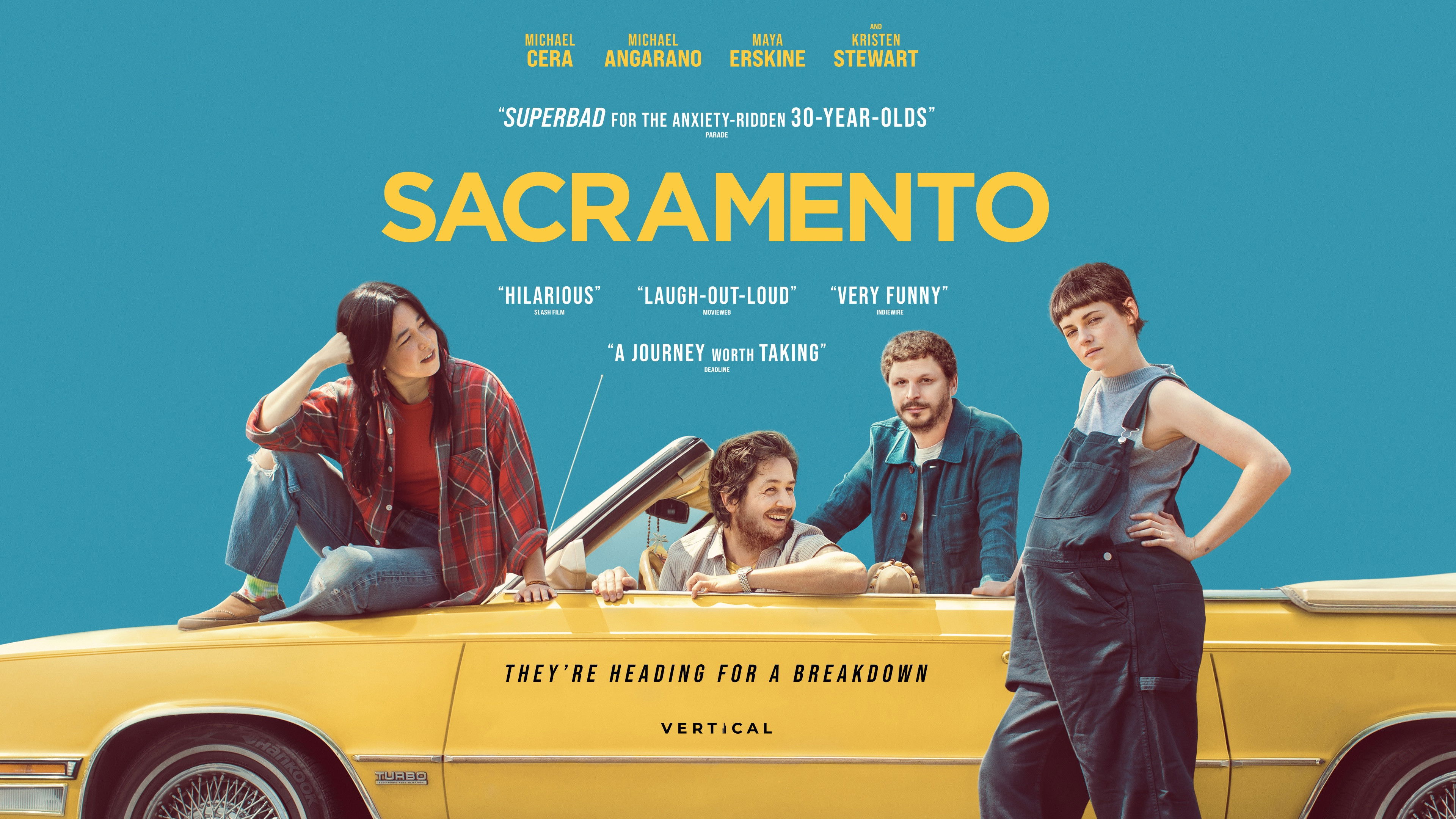
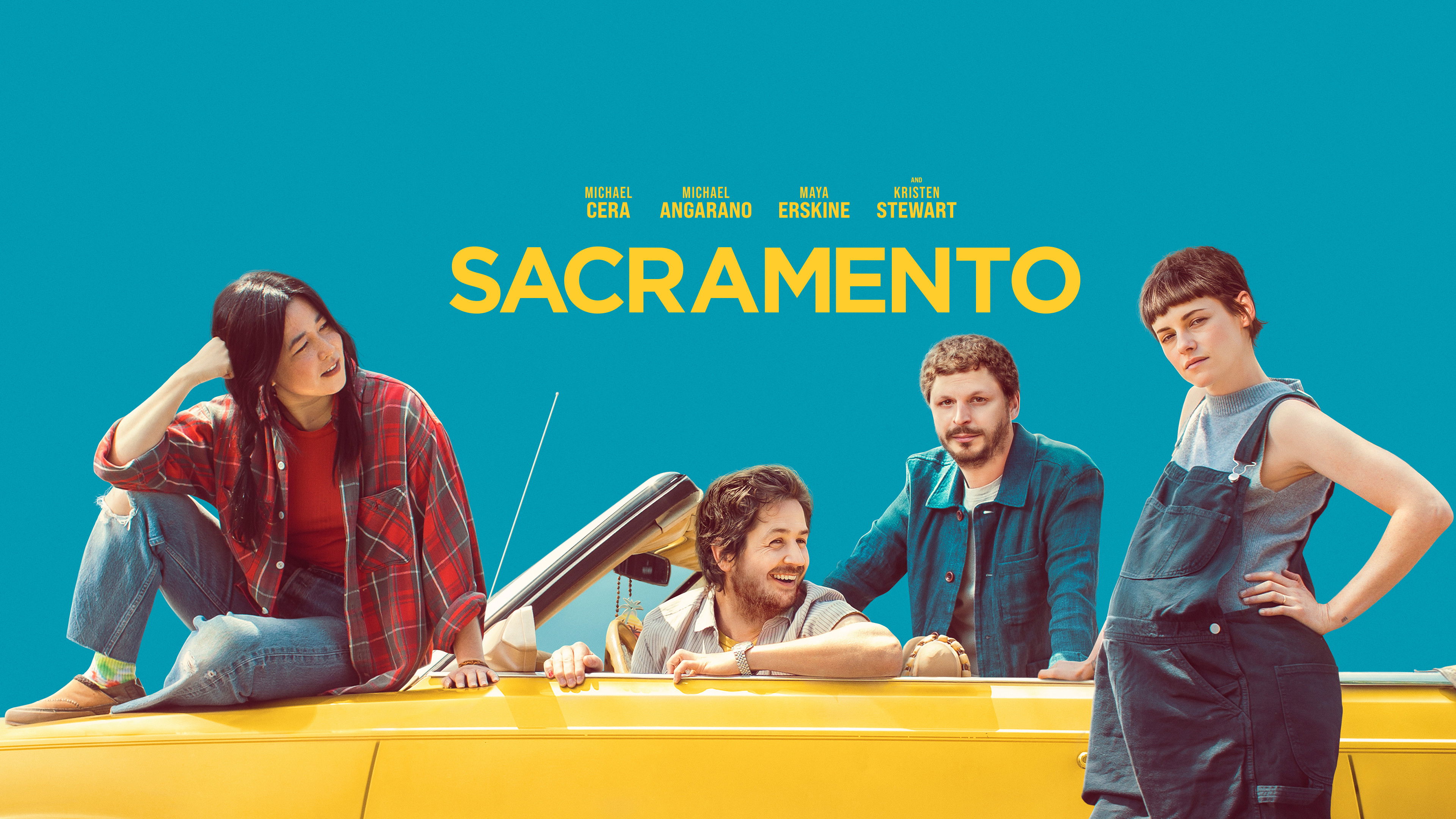
When free-spirited Rickey suddenly reappears in father-to-be Glenn’s life, the two former best friends embark on a spontaneous road trip from LA to Sacramento.
“They're heading for a breakdown.”

Michael Cera
Glenn

Michael Angarano
Rickey

Maya Erskine
Tallie

Kristen Stewart
Rosie

Rosalind Chao
Dr. Murray
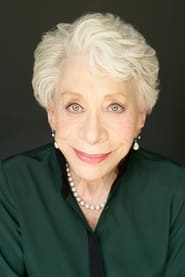
Bunny Levine
Mrs. Krenshaw
Amber Riat
Tatted Up Employee
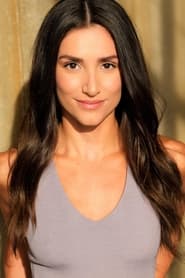
Iman Karram
Jess
Credits
Want more? Switch to Cinephile mode in the header for DP, composer, budget, box office, production companies, keywords, and release history.
Did you know?
Did you know
89 minutes exactly — the "classic feature" runtime most directors aim for.
Did you know
Released last year.
Did you know
Directed by Michael Angarano, shot by Ben Mullen. Note their partnership — DPs and directors often return to each other across a career.
Did you know
Original score by Peter Erskine. Worth a dedicated listen after — most great films lose half their impact without the score.
Did you know
Editor Max Goldblatt shaped the rhythm. On an edit-heavy film, the editor does more to control your pulse than the director.
Did you know
Michael Cera and Michael Angarano and Maya Erskine carry the top of the cast.
Did you know
Marketing tagline: "They're heading for a breakdown.".
Did you know
IMDB entry: tt13491834 — still the authoritative cross-reference for credits and trivia.
Cinephile deep dive
Michael Angarano directs. Ben Mullen behind the camera. Peter Erskine scores. Max Goldblatt cuts. Runs lean at under 100 minutes. Produced in United States of America. Dialogue in English.
Trivia
Also by
Stills · wallpapers
Full-resolution frames — open one to save it as a wallpaper.
Trailers & featurettes
Community reviews
● Anti-Note • Sacramento, directed by Michael Angarano The central issue (or rather, the main flaw) of the film lies in the filmmaker’s claim and motivation surrounding the core theme: the rekindling of a friendship between two old friends. This theme remains frustratingly undeveloped before the third act. By “undeveloped,” I don’t mean the film fails to plant the theme entirely (though that too is debatable), but rather, it’s the way it’s introduced that is problematic. The theme of rekindled friendship gets lost amid the sub-themes: the burdens of adulthood and the fear of facing life’s realities. In fact, from the very beginning and through the character introductions, everything unfolds in an imbalanced and irritating manner. What’s with the repeated shots of Glenn’s nervous breakdown? Is he mentally ill? What kind of marriage is this? Another point: why is the filmmaker’s portrayal of this aspect of marital life—linked to the sub-theme—presented in such a way? Are these people truly in love, or has something been imposed on them? In my view, the women in the film are entirely bodies, not souls—just as the men are essentially children. The two main female characters lack feminine depth, emotion, and decisiveness. They don't even function as proper archetypes. But let’s consider the film visually for a moment. What’s the difference between the single shots and the two-shots? How much independence and identity do they carry? I believe the characters are so underdeveloped and undefined that (almost) no frame successfully constructs the sense of a friendship—especially an old one. The images, like the characters themselves, lie. The relationships are blatantly unbelievable and artificial. Even the concern over having a child feels hollow. In reality, none of the film’s themes ever reach the point where the story and characters could genuinely be built around them.
Production companies
Bee-Hive Productions
US
The Wonder Company
US
Grey Pictures
Themes & keywords
Release history · US