

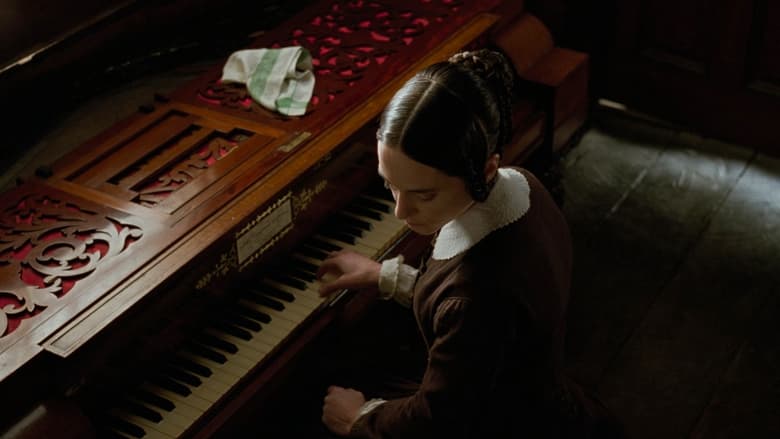
1 / 8
MONEY
Did you know
Made its money back 5.7× over at the box office.
MoodPlayr · trivia#01
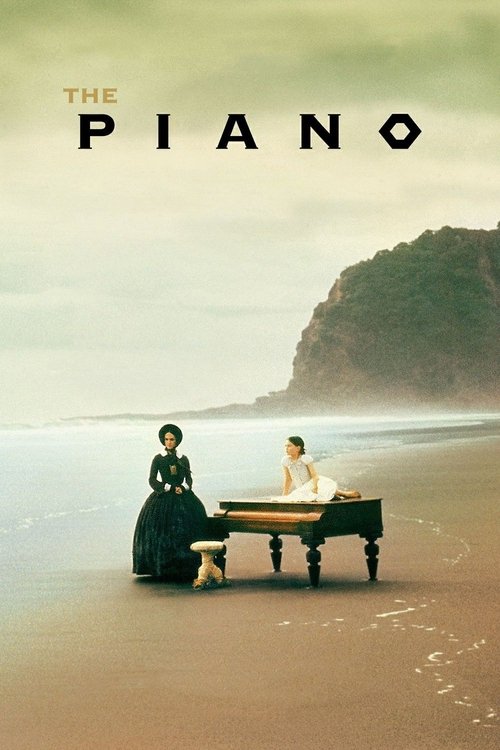
"Silence affects everyone in the end."
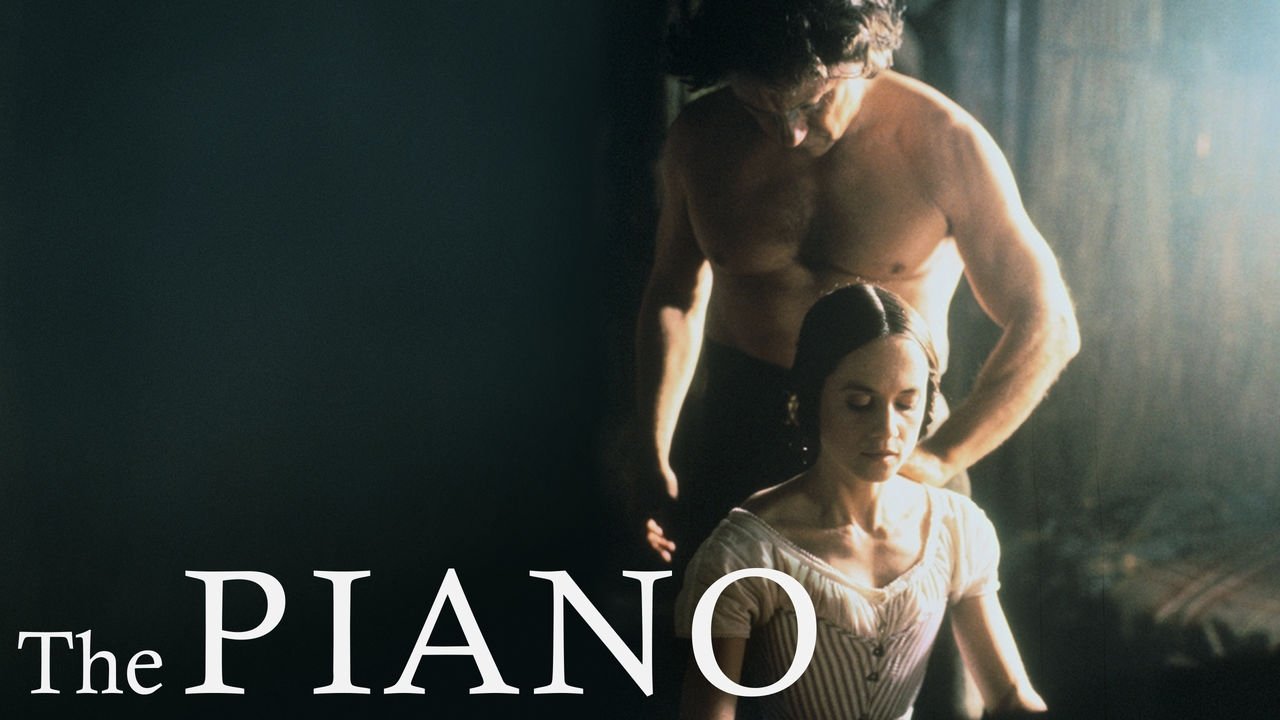
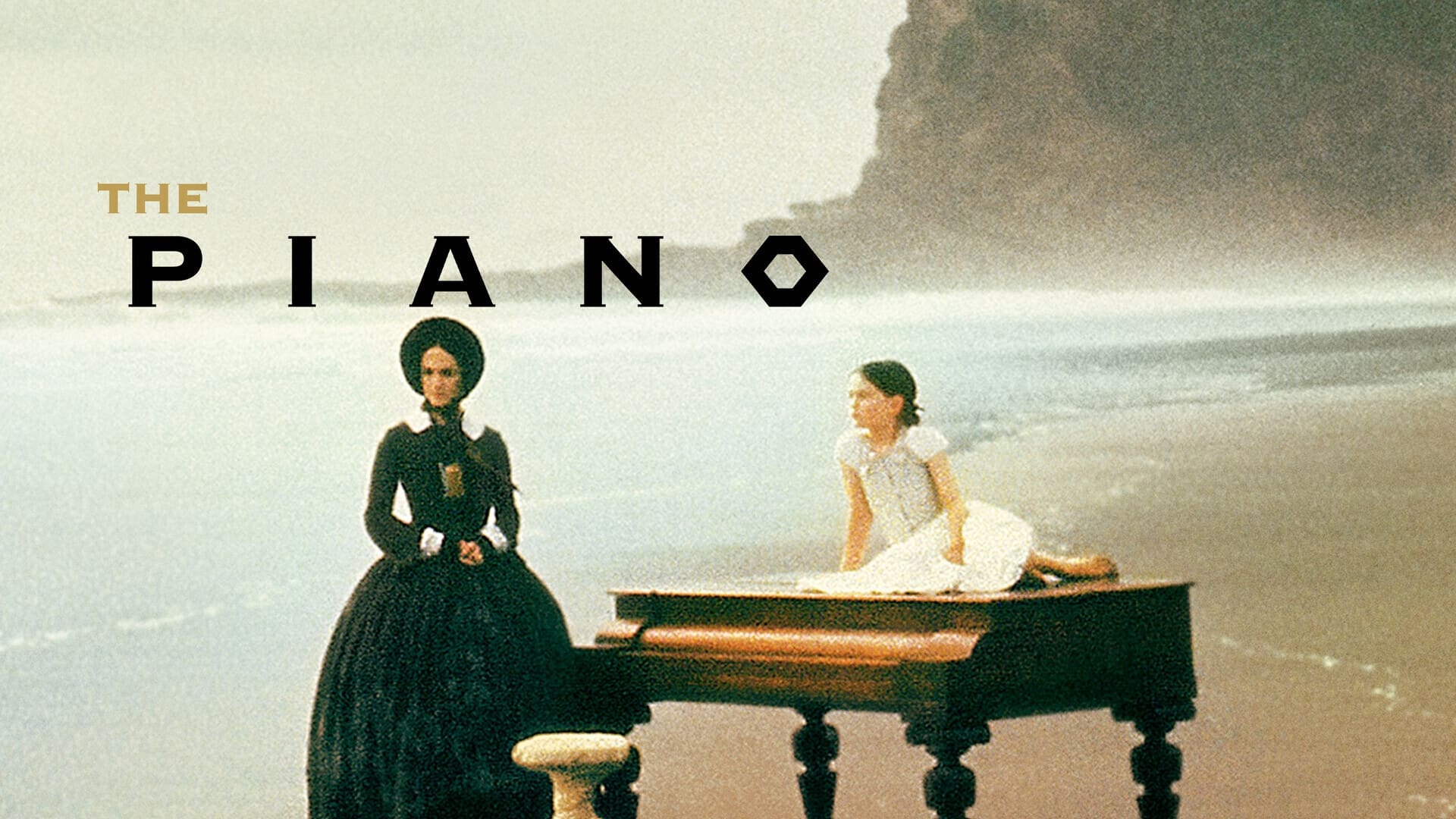
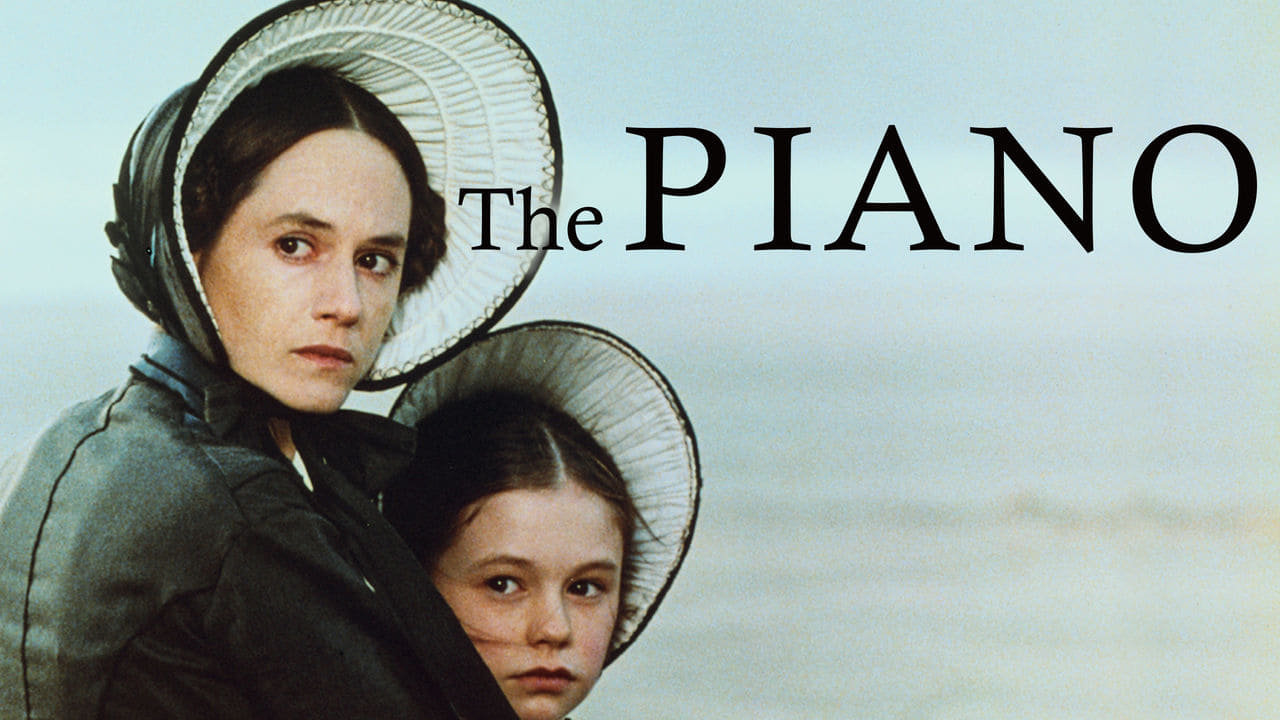
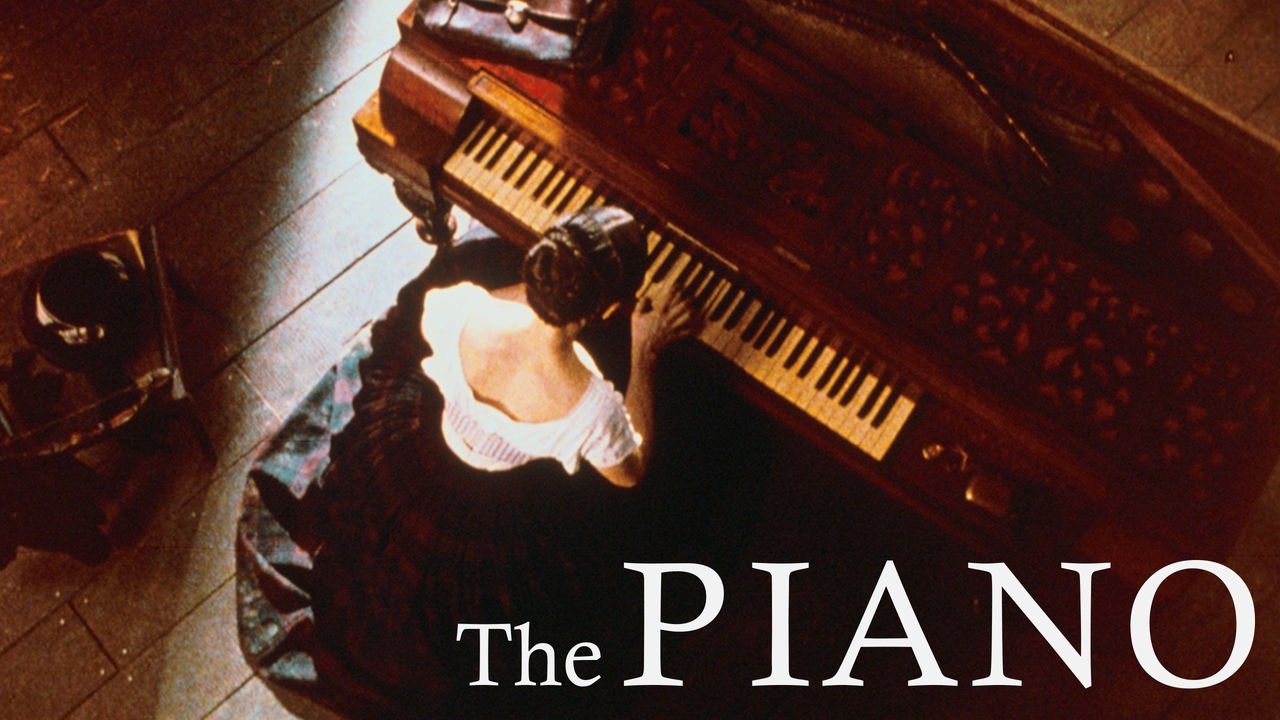
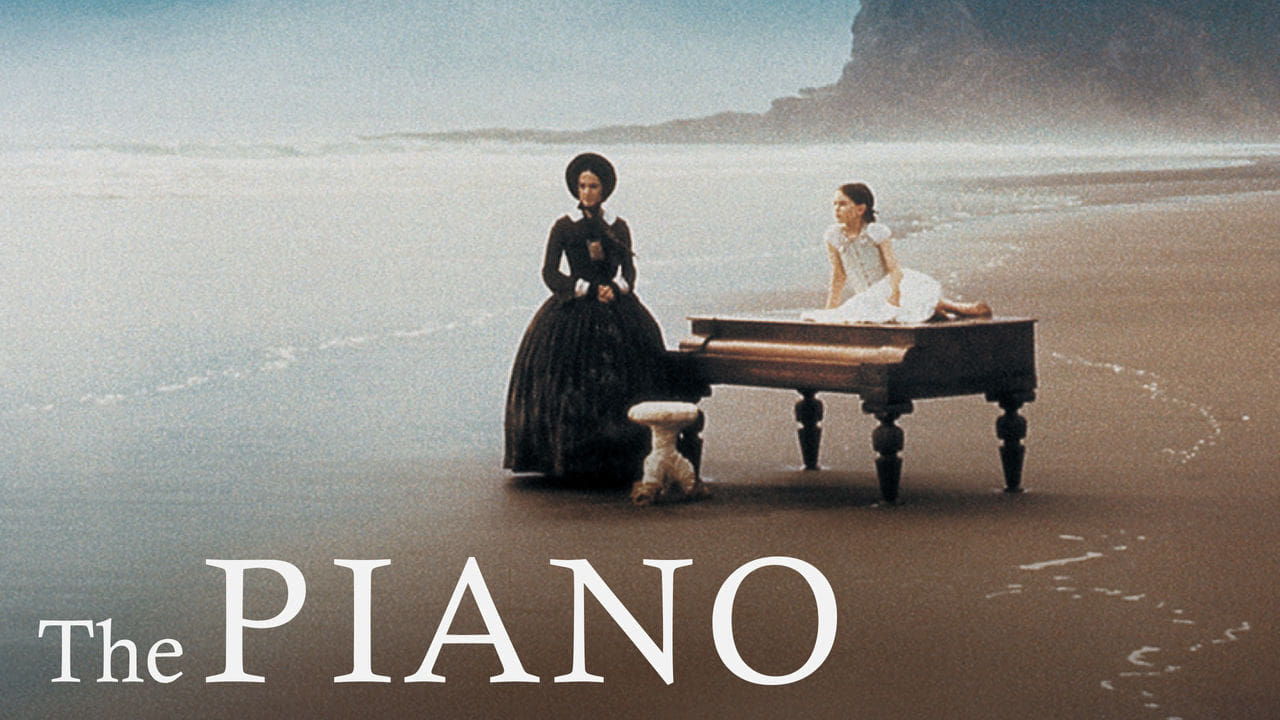
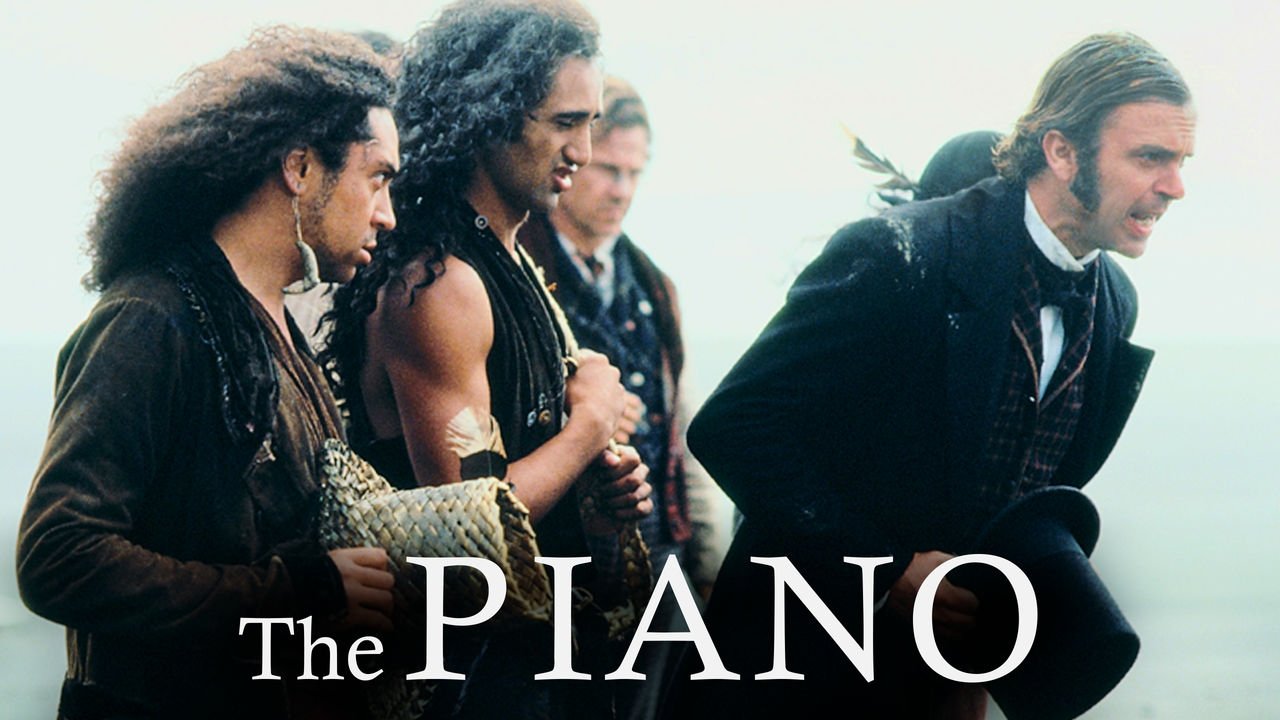
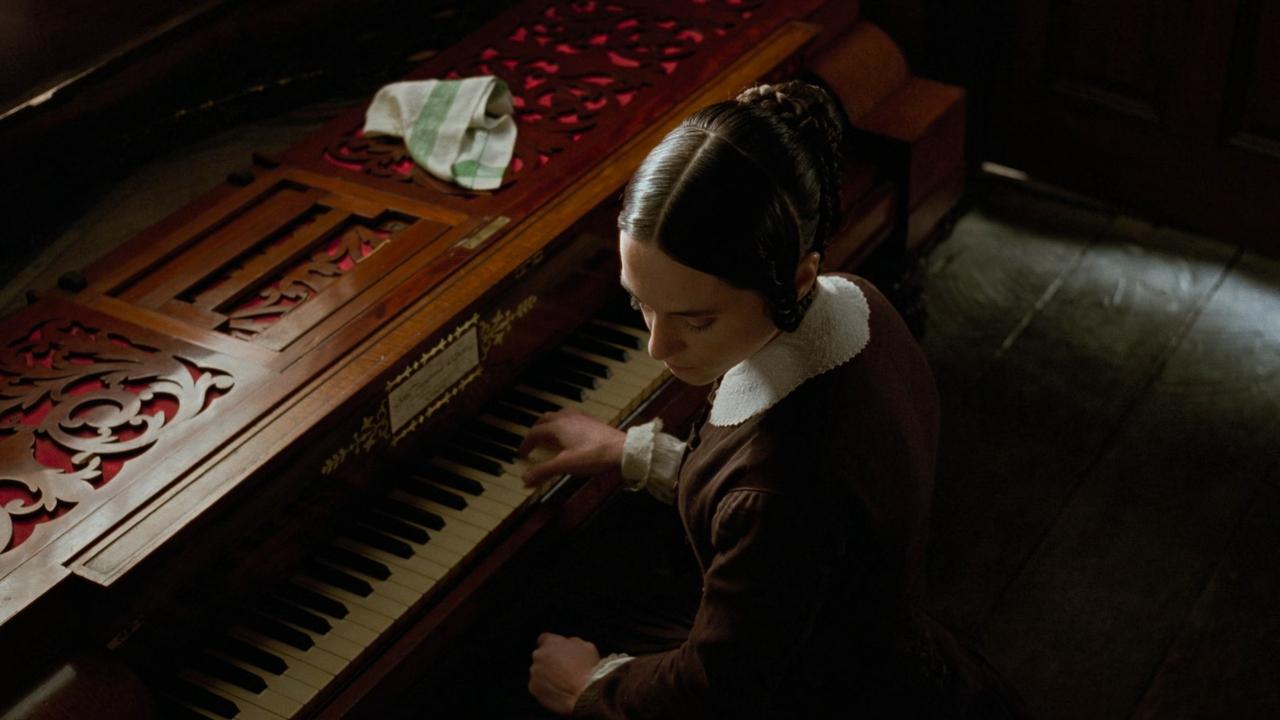
When an arranged marriage brings Ada and her spirited pre-teen daughter Flora to the wilderness of 19th-century New Zealand, she finds herself locked in a battle of wills with both her controlling husband and a rugged frontiersman to whom she develops a forbidden attraction.
“Silence affects everyone in the end.”
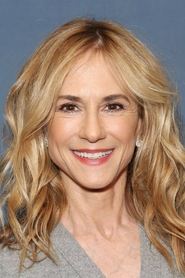
Holly Hunter
Ada McGrath

Harvey Keitel
George Baines
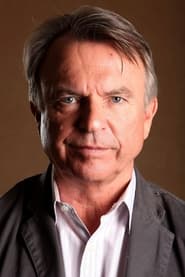
Sam Neill
Alisdair Stewart
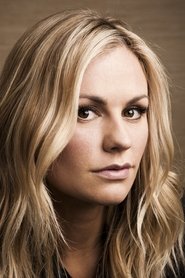
Anna Paquin
Flora McGrath

Cliff Curtis
Mana
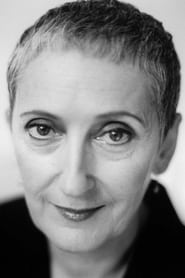
Kerry Walker
Aunt Morag
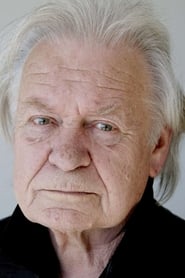
Ian Mune
Reverend
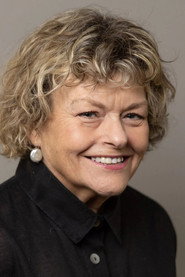
Geneviève Lemon
Nessie
Credits
Want more? Switch to Cinephile mode in the header for DP, composer, budget, box office, production companies, keywords, and release history.
Did you know?
Did you know
Made its money back 5.7× over at the box office.
Did you know
33 years old — old enough to be someone's favourite childhood film.
Did you know
Dialogue crosses 2 languages: English, Maori.
Did you know
International production across 3 countries: Australia, France, New Zealand.
Did you know
Directed by Jane Campion, shot by Stuart Dryburgh. Note their partnership — DPs and directors often return to each other across a career.
Did you know
Original score by Michael Nyman. Worth a dedicated listen after — most great films lose half their impact without the score.
Did you know
Editor Veronika Jenet shaped the rhythm. On an edit-heavy film, the editor does more to control your pulse than the director.
Did you know
Holly Hunter and Harvey Keitel and Sam Neill carry the top of the cast.
Cinephile deep dive
Jane Campion directs. Stuart Dryburgh behind the camera. Michael Nyman scores. Veronika Jenet cuts. Made its budget back several times over at the box office. Produced in Australia, France, New Zealand. Dialogue in English, Maori.
Trivia
Awards
Individual records documented via Wikidata; the summary above may count more.
Also by
Stills · wallpapers
Full-resolution frames — open one to save it as a wallpaper.
Trailers & featurettes
Community reviews
Jane Campion's third feature film, THE PIANO is a historical drama that tells of a Scottish woman, Ada McGrath (Holly Hunter), who is married off to a colonist in New Zealand that she has never met. Ada is mute, a development that mysteriously came upon her in childhood, but she is a virtuoso pianist and her cherished instrument is one way she communicates her feelings to the world. As Ada and her illegitimate daughter Flora (Anna Paquin) land on the shores of New Zealand's South Island sometime in the mid-19th century, her new husband Stewart (Sam Neill) ignores her sign-language entreaties to carry her piano inland along with their other belongings. Feeling no love for this man she has been forced to marry, Ada is drawn into sexual bargaining with another colonist, Baines (Harvey Keitel) who offers to get her the piano back if she does what he wants. The first half of this film is an interesting study in sexual power and the tragedy of a woman's lot during this historical era. Neither Stewart or Baines are admirable men; Stewart is uncaring of Ada's true passion for the piano, but Baines exploits her distress and powerlessness to get what he wants and he doesn't respect consent. Unfortunately, as the film develops, Campion decides to ultimately turn this into a straight-up romance novel, where the heroine willingly gives in to the roguish bad-boy. I realize that Campion might go for the common desire of a woman to feel desired, but that shouldn't come at the expense of glorifying a creep as she does here. To better serve as a foil for Baines, Stewart's squareness is played up, and the two characters are reduced to crude cutouts of a "good guy" and "bad guy". This extends to a critique of 19th-century colonialism and racism: naturally, as the man who audiences are supposed to feel is disgusting and unattractive, Stewart is keen on stealing land from the indigenous Maori people. Baines, on the other hand, as the cool heartthrob, hangs out with the Maori and respects their culture even to the point of learning their language and tattooing his face. Well, even if the actual plot is a ridiculous pulp fantasy, the production values are fine. New Zealand's wild shore and rainforests are memorably captured by cinematographer Stuart Dryburgh. The film has a distinctive blue cast that unites the thick cover of the forest and the depths of the sea. While some controversy remains about the depiction of the Maori people here, they are still given a great deal of screen time and the ability to speak their own language on film. The piano-heavy soundtrack by English composer Michael Nyman is deservedly celebrated: deliberately anachronistic, its saccharine, minimalist feel of the 20th century represents Ada's innermost thoughts. There is good acting as well. Anna Paquin, of course, won an Oscar for her depiction of Flora, and one wouldn't expect such mature composure and convincing emotions from a child of this age. Holly Hunter has to convey everything through gestures and facial expressions and she does this marvelously. One of the delights of Campion's feature debut SWEETIE was Genevieve Lemon, and here in a supporting role she turns in here a mildly comedic performance that adds some levity to the severe sexual drama. Seeing it again some two decades after it came out, THE PIANO feels like a rather slighter film than I remembered it, and it is difficult to understand what drew critics to the time to rave about it. I would really only recommend this to people with a specific interest in New Zealand or Michael Nyman's soundtrack, but I don't see this as an all-time classic.
A great movie. For me, this is one of the great films of 1993. The story is not pretty, and we could almost call it “love in times of mud”, not only because of the continuous rain and the amount of mud on the set, but mainly because of the rudeness and brutality of the male characters. However, the film is very good, it's engaging, captivating and really deserves to be brought back these days. Winner of three Oscars (Best Actress, Best Supporting Actress and Best Original Screenplay), I believe it just didn't win more due to fierce competition from "Schindler's List". The film also won the prestigious Palme d'Or for Jane Campion in Cannes. Set in the mid-19th century, the film begins with the marriage by proxy of Ada, a young, single mother, to a middle-class farmer settled in New Zealand. The British colony was still developing, there is a tense relationship between the whites and the native Maori, and Ada's new husband is trying to buy more land on the island. We never understand what he does or what he intends to use them for, and the film ignores these details and focuses on the couple's relationship. Ada is mute, but she has a special affection for her piano and plays very well. However, the new husband is not happy about it: the piano is large, it is heavy and the journey to his house is long, which is why he leaves the piano on the beach and ends up selling it to George Baines, an illiterate who, in a rather indecent proposal, allows Ada to play it on the condition that they become sexually involved, under the guise of alleged piano lessons. However, they end up falling in love and this will shake up Ada's marriage. This film is really the most beautiful work of Jane Campion, who brilliantly assures the direction and the script. Ada is a character we easily sympathize with, and Flora, her daughter (the name is never mentioned in the film), is endearingly tender and naive. It's the way they hold us that supports the entire film. The melodrama, for me, is like the weakest part of the film: in addition to Ada marrying a brutal and indigestible husband, she ends up falling in love with a man who is equally unpleasant and who starts by taking advantage of a situation to satisfy his own sex needs and an unbelievable passion. Today, I think it would be very difficult for Campion to present a story like that without being shot in the public square by the most wary feminists. The cast deserves an applause. Holly Hunter gives us the performance of her career playing Ada. Moving, suffering and unhappy, the actress managed to give her a strong personality and a great deal of obstinacy. Anna Paquin, still extremely young, is beautiful in her role and the way she plays with Hunter is truly touching. Due to her innocence and innate sense of justice, her character protects her mother, but, at the right moments, condemns her for her untimely and thoughtless attitudes. Sam Neill is effective and very good in the role of Ada's husband. The actor manages to make his character detestable. Harvey Keitel is also very good in the role of Baines, and it was a surprise for me, since I tend to associate him more with action or thriller roles. Technically, the film has an epic, melodramatic feel that instills depth, which was nice to feel. There are certain moments where it feels like the film is doing some self-importance, but I handled that well. The cinematography is truly excellent, and is beautifully shot. The filming locations were well-chosen, and shows us a wild and inhospitable side of New Zealand, a place that, for many of us, is unknown and arouses curiosity. I didn't know, for example, that it was such a rainy place, but that makes sense, considering the location and the mountainous topography. A word of praise, also, for the costumes, very historically accurate. Finally, a word for the grandiose soundtrack, based naturally on piano, and composed by Michael Nyman.
Holly Hunter is on good form here as "Ada", a mute who is adept with her piano. Soon to be married to a Kiwi farmer, she sails with her daughter to his remote home where he "Alisdair" (Sam Neill) seems to be rather indifferent to her presence. The same cannot be said for their neighbour "Baines" (Harvey Keitel) though, and he engineers a land for piano swap with her husband as a prelude to inviting her round to his home to play. After a few meetings they work out a peculiarly unique bartering system that might see both get what they ultimately want from the arrangement. It's at this stage that "Alisdair" feels frustratingly cuckolded and things take a turn for the violent and the brutal. It's a beautiful film to look at, the cinematography and the costumes are perfect for the period and despite a fairly sparse dialogue, the performances - especially from Keitel and the young Anna Paquin ("Flora") are quite compelling to watch. To be honest, Neill adds very little of value and I did get a little fed up with the repetitious refrain of Michael Nyman's theme but as the story develops, we are introduced to some thought-provoking issues of ownership - and not just of the piano. A big screen does this better justice, but it is a good watch on the television too.
Production companies

CiBy 2000
FR
Jan Chapman Productions
AU
Themes & keywords
Release history · US
Also known as