1 / 8
RUNTIME
Did you know
Tight 78-minute runtime — shorter than most television pilots.
MoodPlayr · trivia#01

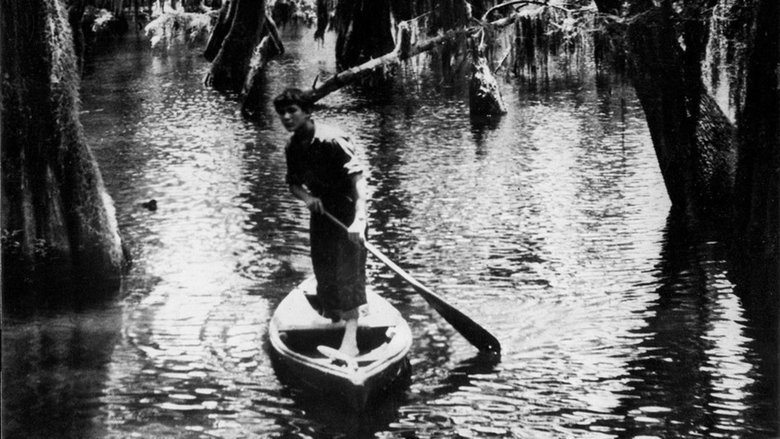
Cajun boy Alexander Napoleon Ulysses LaTour lives with his family and his beloved pet raccoon in the Louisiana bayou. When his father allows an oil barge to drill on their land, the boy questions the process and its safety.
“Some stories are better left unspoiled.”
Joseph Boudreaux
The Boy
Lionel Le Blanc
His Father
E. Bienvenu
His Mother
Frank Hardy
The Driller
C.P. Guedry
His Boilerman
Credits
Want more? Switch to Cinephile mode in the header for DP, composer, budget, box office, production companies, keywords, and release history.
Did you know?
Did you know
Tight 78-minute runtime — shorter than most television pilots.
Did you know
Shot for just $0.3M — micro-budget by Hollywood standards.
Did you know
78 years old — a genuine piece of film history.
Did you know
Dialogue crosses 2 languages: English, French.
Did you know
Lean credit list — fewer than 30 people officially credited.
Did you know
Directed by Robert Flaherty, shot by Richard Leacock. Note their partnership — DPs and directors often return to each other across a career.
Did you know
Original score by Virgil Thomson. Worth a dedicated listen after — most great films lose half their impact without the score.
Did you know
Editor Helen van Dongen shaped the rhythm. On an edit-heavy film, the editor does more to control your pulse than the director.
Cinephile deep dive
Robert Flaherty directs. Richard Leacock behind the camera. Virgil Thomson scores. Helen van Dongen cuts. Runs lean at under 100 minutes. Produced in United States of America. Dialogue in English, French.
Trivia
Awards
Individual records documented via Wikidata; the summary above may count more.
Also by
Community reviews
This has a definite documentary feel to it as we follow the laconic activities of a young boy (Joseph Boudreaux) on the bayou. He lives with his folks but spends most of his time in his boat playing on the water, catching arms-length catfish and occasionally rather recklessly trying to capture an alligator - all watched by his raccoon who usually has the sense to stay on dry land. One day he heads downstream and encounters some men who are working on a newly arrived oil rig. They are friendly enough, impressed by his fishing skills, and are quite happy to indulge his curiosity. As they progress though, he begins to realise that their presence on his river could potentially alter the balance of his life and it's relationship with the natural surroundings for ever - especially if the well hits the lucrative sticky black stuff. It is a bit slow, but somehow that serves to well reflect the pace of the lad's life and quite effectively maximises the impact of the encroaching industrialisation on him and his parents. The photography illustrates the wildlife and simplicity of his life and the paucity of dialogue leaves much of the heavy lifting to the imagery and to our own imagination. A 1940s NIMBY scenario, perhaps - especially given there were very few to object in a nation craving for oil for it's burgeoning car ownership and energy consumption demands. It's a gentle watch, but has a potent impact.
Production companies
Robert Flaherty Productions Inc.
Standard Oil
Themes & keywords
Release history · US
Also known as